What to Clean a Bullmastiff’s Ears With
One of the daily joys, and sometimes challenges, of sharing your life with a magnificent Bullmastiff is keeping up with their unique grooming needs. And let me tell you, if you've ever wrestled a hundred-plus-pound dog to try and clean out a smelly ear, you know the struggle is real! This guide is all about demystifying one specific task that often intimidates new Bullmastiff owners: figuring out exactly what to clean a Bullmastiff's ears with, how to do it effectively, and why it's so incredibly important for their comfort and health.
Why Bullmastiff Ears Need Special Attention
Our big, loveable Bullmastiffs aren't like some pointy-eared breeds. Their ears, while not excessively long, have a specific structure that makes them prone to certain issues. Understanding this anatomy and the problems it can cause is the first step in becoming a confident ear cleaner.
The Anatomy of a Bullmastiff's Ear
A Bullmastiff's ear is what we call a "drop ear" or "pendulous ear." This means the ear flap hangs down, covering the ear canal. Think of it like a little curtain over the entrance to their inner ear. Inside, the ear canal itself isn't a straight shot like ours. It takes a sharp turn, forming an "L" shape. This combination of a covered opening and a winding canal creates an environment that can be a breeding ground for trouble if not properly maintained.
The skin inside their ears can also be quite delicate. There's usually a fair amount of hair, though not as dense as some spaniel breeds, and the folds within the ear can also trap debris. This setup, while perfectly normal for the breed, means that moisture, dirt, and even yeast or bacteria can easily get trapped and thrive without much air circulation to dry things out. It’s like a warm, moist cave that microorganisms just adore, especially in humid climates or after a swim.
Common Issues Arising from Bullmastiff Ear Structure
Because of this specific ear architecture, Bullmastiffs are unfortunately predisposed to a few common, and often uncomfortable, ear problems. The most frequent culprit is ear infections, medically known as otitis externa. These can be caused by bacteria, yeast (often malassezia), or a combination of both. When that ear flap hangs down, it limits air flow, which increases humidity and temperature inside the canal – perfect conditions for these organisms to multiply.
Beyond infections, Bullmastiffs can also experience:
- Allergies: Just like us, dogs can get environmental or food allergies. One of the primary ways these manifest is through itchy, inflamed ears. If your Bullmastiff constantly scratches their ears, shakes their head, or rubs them on the carpet, allergies might be at play, making the ears extra sensitive to cleaning products.
- Ear Mites: While more common in puppies, mites can cause intense itching and produce a dark, waxy discharge that looks like coffee grounds.
- Foreign Objects: Blades of grass, foxtails, or even tiny insects can find their way into the ear canal, causing irritation, pain, and subsequent infection. This is particularly true if your Bullmastiff loves exploring tall grass or wooded areas.
The key takeaway here is that a Bullmastiff's ear is not a self-cleaning marvel. It requires proactive attention to prevent these common ailments. For more on this, you might find our article Why a Bullmastiff's Ears Trap Moisture helpful.
The Link Between Ear Health and Overall Well-being
It might seem like just a small part of their body, but ear health is deeply connected to your Bullmastiff's overall comfort and quality of life. An ear infection isn't just a minor annoyance; it can be incredibly painful. Imagine having a persistent, throbbing ache in your ear, compounded by itching. Your Bullmastiff feels that, too.
Chronic ear issues can lead to behavioral changes, making a normally placid dog irritable, withdrawn, or even snappy if their ears are touched. They might lose their appetite, become lethargic, or simply not be themselves. Severe, untreated infections can even spread deeper into the ear, potentially affecting hearing or balance, though this is less common with diligent care.
Regular ear cleaning is not just about preventing smelly ears; it's about safeguarding their comfort, ensuring they can hear your commands, and maintaining their happy, gentle disposition. It's one of those essential care tasks, much like general health checks. If you want to know more about the bigger picture, check out What Care a Bullmastiff Needs Its Whole Life.
Choosing the Right Ear Cleaner for Your Bullmastiff
Now that we understand why ear cleaning is so important, let's get to the brass tacks: what do you actually use? This isn't a one-size-fits-all situation, and picking the right product makes all the difference for your Bullmastiff's delicate ear canal.
Understanding Different Types of Ear Cleaners
There's a wide world of ear cleaners out there, each with slightly different formulations designed for various purposes. Generally, you'll find them categorized by their primary function:
- Routine Maintenance Cleaners: These are typically gentle, pH-balanced solutions designed for regular use on healthy ears. They help remove wax, dirt, and debris, and keep the ear environment clean and dry. Many contain ingredients that lightly acidify the ear canal, making it less hospitable for yeast and bacteria without being harsh.
- Drying Agents: Some cleaners have specific ingredients, like witch hazel or small amounts of alcohol (though generally avoided by many for being too drying/irritating), that are geared towards reducing moisture in the ear canal. These are particularly useful for Bullmastiffs who swim frequently or live in humid climates.
- Antiseptic/Antifungal Cleaners: These contain ingredients like chlorhexidine or ketoconazole, which have properties to fight off bacteria and yeast. Your vet might prescribe or recommend these if your Bullmastiff has a history of mild recurrent infections, or if they're trying to prevent a full-blown infection after an allergic flare-up. It's crucial to only use these under veterinary guidance, as they aren't always appropriate for routine healthy ear care and can sometimes mask an underlying issue.
- Wax Softeners: For Bullmastiffs that produce a lot of ear wax, some cleaners are formulated to help break down and loosen stubborn buildup, making it easier to flush out.
For most Bullmastiff owners, a good quality routine maintenance cleaner is what you'll reach for regularly. If you suspect an infection or a deeper problem, it's always vet-first, so they can diagnose and prescribe the appropriate medicated cleaner or treatment.
Key Ingredients to Look For and Avoid
When you're scanning those ingredient lists, here's what to keep in mind:
Ingredients to Look For (in a general maintenance cleaner):
- Gentle Cleansing Agents: Look for mild surfactants that can break down wax and dirt without irritating the skin.
- Drying Agents (mild): Ingredients like boric acid, salicylic acid (in low concentrations), or witch hazel can help dry the ear canal after cleaning, which is great for preventing moisture buildup.
- pH Adjusters: Maintaining a slightly acidic pH (around 4.5-5.5) in the ear canal is beneficial, as it discourages bacterial and yeast growth.
- Soothing Agents: Aloe vera or chamomile can be found in some cleaners to help calm any minor irritation.
- Water-based solutions: These are generally non-irritating and easy to work with.
Ingredients to Avoid or Use with Caution:
- High Concentrations of Alcohol: While a tiny amount might be in some drying solutions, high alcohol content can be irritating and excessively drying, leading to cracked skin and discomfort.
- Hydrogen Peroxide or Rubbing Alcohol: These are absolutely not suitable for dog ears. Hydrogen peroxide can damage delicate ear tissues, and rubbing alcohol is too harsh and painful if there's any broken skin or inflammation.
- Harsh Fragrances/Dyes: These are unnecessary and can be irritants for sensitive ears. Opt for unscented or naturally scented options.
- Oil-based solutions (for routine cleaning): While some specific medicated treatments might be oil-based, for regular cleaning, oil can trap moisture and debris, potentially making things worse.
When purchasing, platforms like Chewy or Amazon offer a huge selection. You'll often see brands like Zymox, Virbac Epi-Otic, or MalAcetic available. Read reviews from other Bullmastiff owners if you can!
Considering pH Balance and Gentle Formulas
This point is worth reiterating: the pH balance of an ear cleaner is genuinely important. A dog's ear canal naturally has a slightly acidic pH. Many common pathogens, especially yeast, thrive in more alkaline environments. A cleaner that helps maintain or restore that natural slightly acidic balance can be a powerful preventative tool against infections.
Think about it this way: you wouldn't use harsh dish soap on your own sensitive skin, right? The inside of your Bullmastiff's ear is even more delicate. Always choose a product specifically formulated for canine ears, and when in doubt, "gentle" is always the way to go for routine care. If your Bullmastiff has known allergies or very sensitive skin, discuss your ear cleaner choice with your veterinarian. They might even recommend specific brands or formulations, or suggest avoiding certain common ingredients that trigger sensitivities.
A Step-by-Step Guide to Cleaning Your Bullmastiff's Ears
Okay, so you've got your chosen ear cleaner. Now comes the hands-on part. Don't worry, with a little patience and the right technique, this can become a routine you both tolerate, if not enjoy!
Gathering Your Supplies
Before you even think about grabbing your Bullmastiff, get everything organized. This prevents you from fumbling around or having to leave your dog mid-process, which can cause anxiety.
Here's your essential ear cleaning kit:
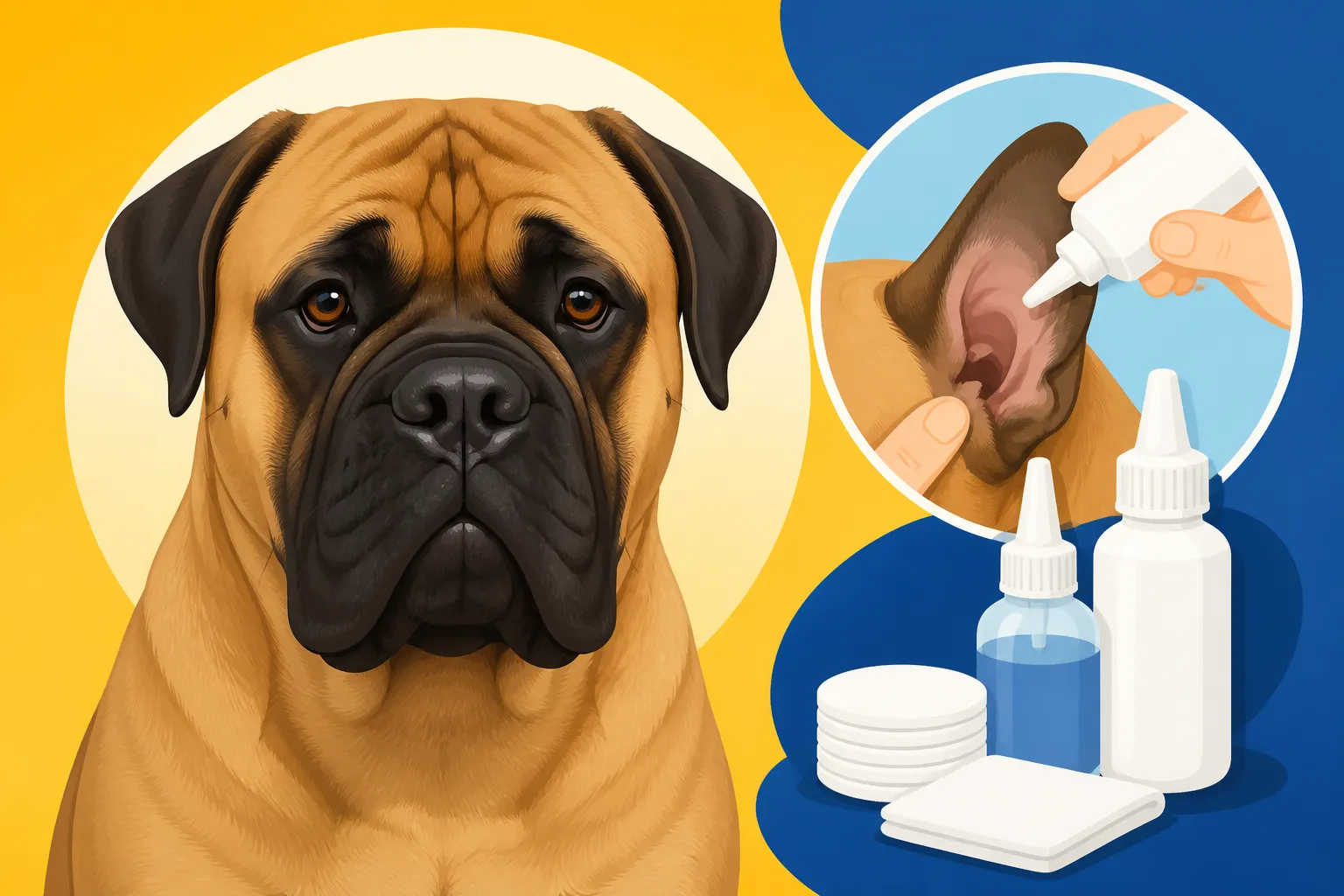
- Your chosen canine ear cleaner: Make sure it's at room temperature. Cold solution can be startling!
- Cotton balls or squares: These are much better than cotton swabs (Q-tips) for cleaning the outer ear and ear flap.
- Soft, clean towel: For wiping up any excess solution and for general cleanup.
- Treats! High-value, irresistible treats are your best friend here. Think small pieces of cooked chicken, cheese, or even those soft training treats your dog goes wild for. Brands like Ollie often offer high-quality, palatable options that can be great motivators.
- A helping hand (optional but recommended for large, stubborn dogs): Especially when you're first starting out, having another person to gently hold your Bullmastiff and distract them with praise or treats can make a world of difference.
- A quiet, well-lit space: Avoid high-traffic areas or times when there's a lot of household commotion.
Remember, patience is key. If you're stressed, your Bullmastiff will pick up on it, and the experience will be negative for both of you.
The Cleaning Process: From Start to Finish
Ready? Let's walk through it.
- Positioning Your Bullmastiff: Have your Bullmastiff sit or lie down comfortably. If they're prone to squirming, you might have them lean against you or have your helper gently support them.
- Lift the Ear Flap: Gently lift your Bullmastiff's ear flap to expose the inner ear. You'll see the entrance to the ear canal. Take a moment to inspect the ear. Is there excessive wax? Redness? A foul odor? Any signs of a problem mean you should probably pause and consult your vet. If it looks generally healthy, proceed.
- Apply the Cleaner: Hold the ear flap up and carefully squirt the ear cleaning solution directly into the ear canal. Don't be shy; you want enough to fill the canal without overflowing too much. The exact amount will vary by the product and the size of your dog, but usually 5-10 drops or a good squeeze from the bottle is sufficient.
- Massage the Base of the Ear: This is the crucial step! While the solution is still in the ear, gently massage the base of the ear, just below the opening. You should hear a squishing sound. This massaging action helps the cleaner break up wax and debris deep within the "L" shaped canal. Continue for 20-30 seconds.
- Let Them Shake: After massaging, stand back and let your Bullmastiff shake their head. Oh, they will shake their head, and solution, wax, and gunk will fly! This is why having a towel ready, or doing it outside, is a smart move. Let them shake it all out.
- Wipe the Outer Ear: Once they've shaken, use your cotton balls or squares to gently wipe the visible parts of the inner ear flap and the entrance to the ear canal. Never insert anything into the ear canal itself. The "L" shape means you could push debris further in or damage the eardrum. Only clean what you can see.
- Repeat (if necessary): If the ear was particularly dirty, you might repeat the process with a fresh cotton ball until it comes away clean.
- Reward, Reward, Reward! Immediately after you're done, praise your Bullmastiff enthusiastically and offer those high-value treats. Make it a positive experience, even if it wasn't their favorite thing.
For more information on the frequency of cleaning, take a look at How Often a Bullmastiff's Ears Need Cleaning.
Making Ear Cleaning a Positive Experience
Building a positive association with ear cleaning starts from day one.
- Start Early: Begin handling your Bullmastiff's ears gently from puppyhood, even if you're not cleaning them yet. Just touch, praise, treat.
- Short, Sweet Sessions: Don't try to do a marathon cleaning session initially. Start with just lifting the ear flap, then a quick massage, then a full clean.
- Treats, Glorious Treats: I can't stress this enough. Every step of the way, associate ear handling with something wonderful.
- Calm Demeanor: Your calm energy will translate to your dog. If you're stressed, they'll be stressed.
- Consistency: Regular, gentle cleaning at predictable intervals helps normalize the experience.
If your Bullmastiff is particularly resistant or fearful, consider reaching out to a professional dog trainer for guidance on cooperative care techniques. This isn't just about getting the job done; it's about maintaining trust and a good relationship with your gentle giant.
Troubleshooting Common Bullmastiff Ear Issues
Even with the best preventative care, sometimes things go awry. Knowing when to simply clean and when to seek professional help is vital. Remember, our Bullmastiffs are stoic creatures and can often hide discomfort until it's quite advanced. You can learn more about this by reading How a Bullmastiff Hides Pain.
Recognizing Signs of Infection or Irritation
Being proactive means being observant. Before you even touch the ear, observe your Bullmastiff's behavior and then get a good visual.
Behavioral Signs:
- Excessive Head Shaking: This is often the first and most obvious sign.
- Constant Scratching: Paws at their ears frequently, or rubs them on furniture or the floor.
- Tilting Head: Holding their head at an unusual angle.
- Pain when Touched: Yelping, pulling away, or even snapping when you try to examine or clean their ear.
- Lethargy or Irritability: General changes in mood or energy levels.
Visual and Olfactory Signs (when you lift the ear flap):
- Redness or Swelling: The skin inside the ear looks inflamed.
- Foul Odor: A distinct, often yeasty or musty smell, or a sharp, unpleasant odor. This is a huge red flag. You'll likely also notice a stronger smell more generally when they have an ear infection.
- Excessive Discharge: More than just normal, light wax. Look for dark brown, yellow, green, or black discharge, especially if it's thick or pus-like.
- Crusts or Scabs: Indicating severe irritation or infection.
- Heat: The ear feels noticeably warmer to the touch than the surrounding skin.
If you see any of these signs, especially a strong odor or abnormal discharge, do not attempt to deep clean with your regular maintenance solution. You could push debris further in, or exacerbate irritation. This is a job for the vet.
When to Seek Veterinary Help
It's always better to be safe than sorry, especially with a Bullmastiff's ears. Here's when to pick up the phone and schedule an appointment:
- Any signs of pain: If your dog vocalizes, flinches, or reacts aggressively when you try to touch their ear, it's painful, and a vet needs to assess it.
- Foul odor or abnormal discharge: These are almost always indicative of an infection that requires specific medication.
- Persistent head shaking or scratching: If it continues for more than a day or two, or is severe.
- Redness, swelling, or heat: These suggest significant inflammation.
- If you suspect a foreign object: Never try to extract something yourself. You could push it deeper or damage the eardrum.
- When your regular cleaning isn't helping: If you're cleaning regularly and still seeing excessive wax or mild irritation, it's time for a vet check to rule out underlying issues like allergies.
- If you notice any lumps or bumps: While often benign, any new growth in or around the ear should be checked by a vet. For broader advice on checking your dog, see How to Check a Bullmastiff for Lumps.
Your vet will likely use an otoscope to look deep into the ear canal, might take a swab for cytology (to identify bacteria or yeast), and then prescribe appropriate ear drops or oral medication. They can also advise on specific medicated cleaners if needed.
Preventative Measures Beyond Regular Cleaning
Ear cleaning is a cornerstone, but it's part of a larger preventative strategy.
- Address Allergies: If your Bullmastiff suffers from allergies, managing them (through diet, medication, or environmental control) will significantly reduce secondary ear infections.
- Regular Inspections: Make it a habit to lift your Bullmastiff's ear flap and take a peek several times a week, or daily if they are prone to issues. Early detection is key.
- Post-Swim Drying: If your Bullmastiff loves to swim, always use a gentle, vet-approved drying ear solution after they've been in the water. This helps evaporate moisture and prevent "swimmer's ear."
- Proper Grooming: Keep the hair around the ear opening trimmed short to improve air circulation. Be very careful with scissors or clippers near such a sensitive area.
- Healthy Diet: A balanced, high-quality diet supports a strong immune system, which can help your Bullmastiff resist infections, including ear infections. While a specific brand like Ollie might offer high-quality ingredients, focus on what works best for your individual dog's health needs.
- Keep Skin Folds Clean: Remember how Bullmastiffs have those wonderful wrinkles? While ear folds are internal, their facial folds can also get infected if not cleaned regularly. Take a look at Skin Fold Infections on a Bullmastiff for more information on managing those.
By combining regular, gentle cleaning with attentive observation and prompt veterinary care when needed, you'll be well on your way to keeping your Bullmastiff's ears healthy, happy, and free from discomfort.
| Ear Cleaner Type | Purpose | When to Use | Ingredients to Look For | Ingredients to Avoid |
|---|---|---|---|---|
| Routine Maintenance | Daily/weekly cleaning, wax removal | Healthy ears, preventing buildup, post-swim | Water, mild surfactants, boric acid, salicylic acid (low dose), aloe vera | High alcohol, hydrogen peroxide, harsh dyes/fragrances |
| Drying Agent | Reduce moisture, prevent "swimmer's ear" | After swimming, in humid climates | Witch hazel, specific drying alcohols (low dose) | High alcohol, hydrogen peroxide, harsh dyes/fragrances |
| Antiseptic/Antifungal | Treat bacterial/yeast infections | Only under vet direction for diagnosed infections or prevention | Chlorhexidine, ketoconazole, acetic acid (higher dose) | Self-diagnosing and using without vet guidance |
| Wax Softener | Break down stubborn wax plugs | Heavy wax buildup (often vet-recommended) | Mineral oil, squalene | Anything irritating if ear is already inflamed |
Disclaimer
This article is for general informational purposes only and does not constitute professional advice. Laws, prices and regulations vary by location and change over time. Consult a qualified professional for guidance on your specific situation.