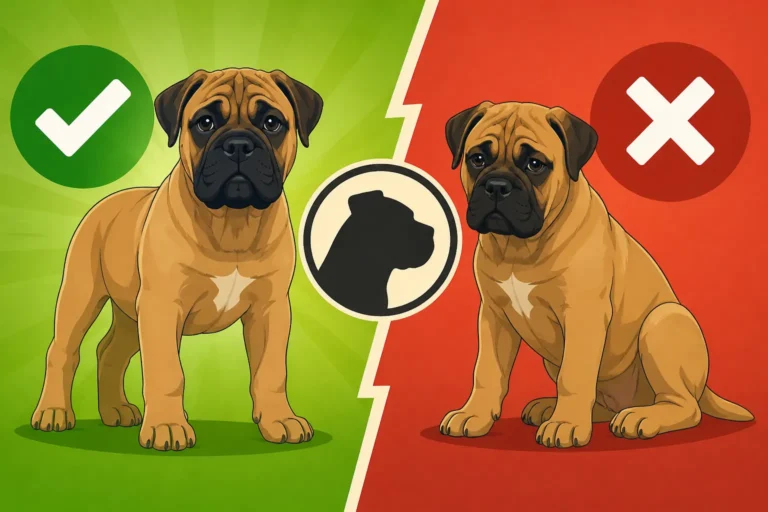
The Black Mask Every Bullmastiff Must Have
One of the most striking features of a Bullmastiff, often the first thing people notice, is that deep, mysterious black mask. It’s not just a cute cosmetic touch; this mask is a hallmark of the breed, a defining characteristic that sets it apart and is steeped in its fascinating history. But if you’ve ever wondered why some masks are darker, why they matter so much, or what happens when a Bullmastiff doesn't have one, then this guide is for you. We’re going to dive deep into everything about the iconic black mask, from its historical roots to its role in the breed standard and even how to care for that handsome face.
The Defining Feature: What Constitutes a Bullmastiff's Black Mask?
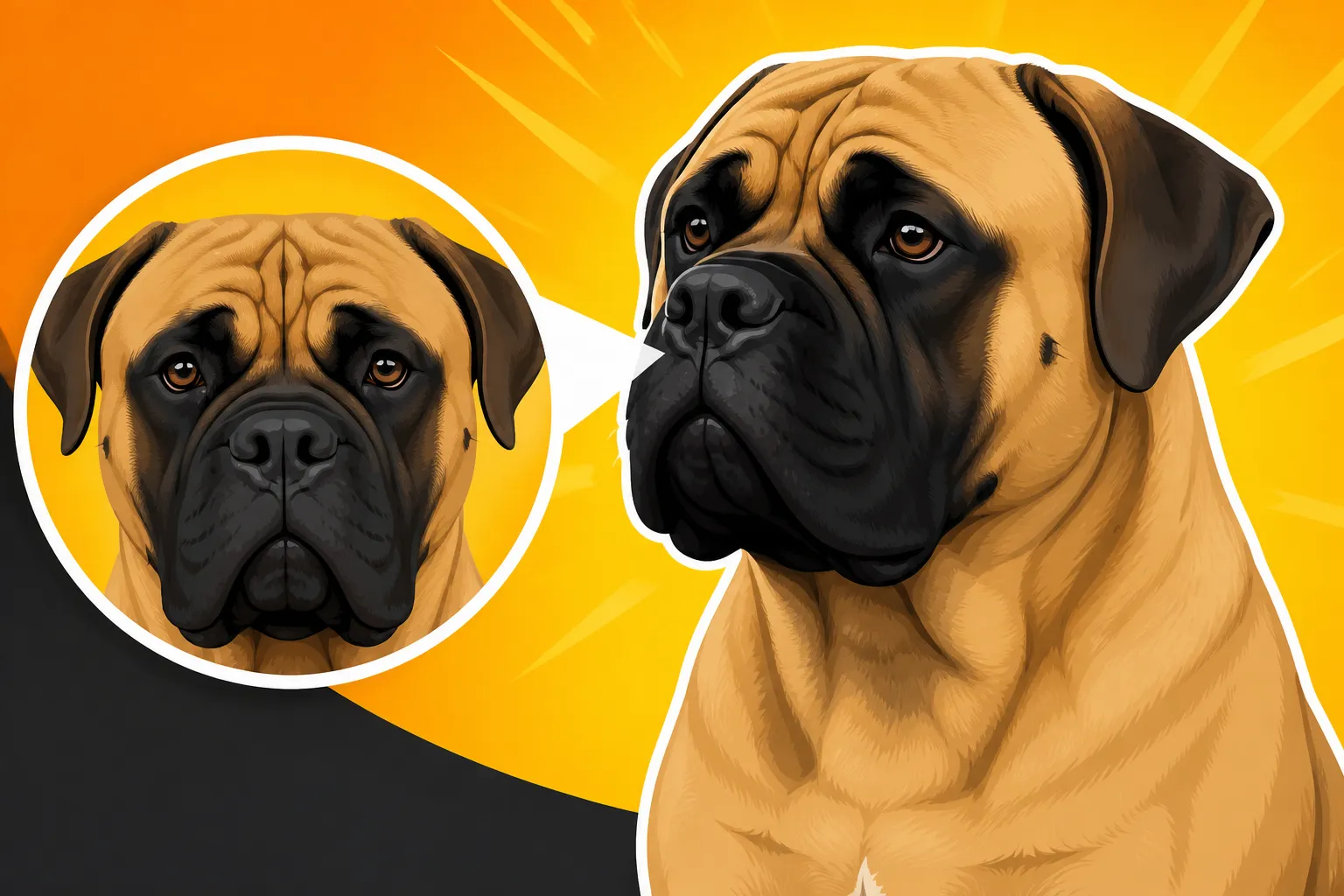
When you look at a Bullmastiff, that dark muzzle and eye area instantly command attention. It’s more than just a splash of dark fur; the black mask is a meticulously described feature within the breed standard, reflecting centuries of selective breeding. It’s what gives them that intense, thoughtful, and sometimes slightly stern expression that so many of us fall in love with. Without it, a Bullmastiff just wouldn't look quite right, almost as if a crucial part of their identity was missing.
The ideal mask is typically described as "black and dense," creating a stark contrast with the fawn, red, or brindle coat. It’s not just about the color of the hair, but often the underlying skin pigmentation plays a role too, contributing to that rich, deep darkness. This isn't a feature that was randomly chosen; it was purposefully bred into these magnificent dogs for reasons we’ll explore, and understanding its nuances helps us appreciate the breed even more.
The Depth and Extent of the Mask
The breed standard for the Bullmastiff is quite clear about what constitutes an ideal black mask. It's not enough to just have a dark muzzle; the mask should be pronounced and extend beyond the muzzle, often reaching up to and around the eyes. Imagine a well-defined bandit's mask, but for a dog – that's the kind of coverage we're talking about. The darkness should be uniform and intense, creating a distinct outline on the dog's face. This deep pigmentation contributes significantly to the breed's characteristic expression.
Think about standing next to a magnificent Bullmastiff, perhaps one you saw at a show or even your own beloved companion. When you gaze into their dark, expressive eyes, the black mask serves to frame them, often making their gaze seem even more profound or watchful. It’s an essential part of their aesthetic, and deviations from this ideal can alter the perceived character of their face. A mask that's too light or patchy, for instance, might soften that powerful look the breed is known for.
It's also worth noting that the black mask often extends to the ears, sometimes covering them entirely or blending seamlessly into a darker ear leather. This continuity of dark pigmentation from muzzle to eyes to ears creates a cohesive and striking visual. Breeders dedicate a lot of effort to selecting for this trait, understanding that a strong, clear mask is a testament to sound breeding practices and adherence to the historical characteristics of the Bullmastiff. It’s not just a fashion statement; it's a piece of their heritage.
The Importance of Pigmentation
Beyond just the color of the hair, the actual pigmentation of the skin under the mask is incredibly important. A true black mask isn't just about the surface coat; it's about the deep, dark skin pigment that gives the mask its intensity and prevents a washed-out appearance. This underlying pigmentation ensures the mask is vivid and striking, even if the individual hairs are finer or sparser in some areas. Without this strong pigmentation, even a Bullmastiff with dark hair might have a less impactful mask.
Consider the contrast between a genuinely dark mask and one that might appear dark due to sparse dark hairs, but where the underlying skin is lighter. The latter simply won't have the same visual punch or adherence to the breed standard. This level of pigmentation also extends to other areas, influencing nose and eye rim color, which are also expected to be black. These details collectively contribute to the overall picture of a well-bred Bullmastiff, emphasizing the importance of a strong genetic foundation for these traits.
This deep pigmentation isn't just about aesthetics; it can also offer some practical benefits. Darker skin is generally less susceptible to sunburn, for example, though of course, no dog should be left exposed to harsh sun for extended periods. It's a testament to the comprehensive nature of the breed standard that even these seemingly small details, like skin pigmentation beneath the mask, are given significant weight, reflecting a holistic view of the Bullmastiff's desired appearance and structure.
Historical Significance: Why a Black Mask?
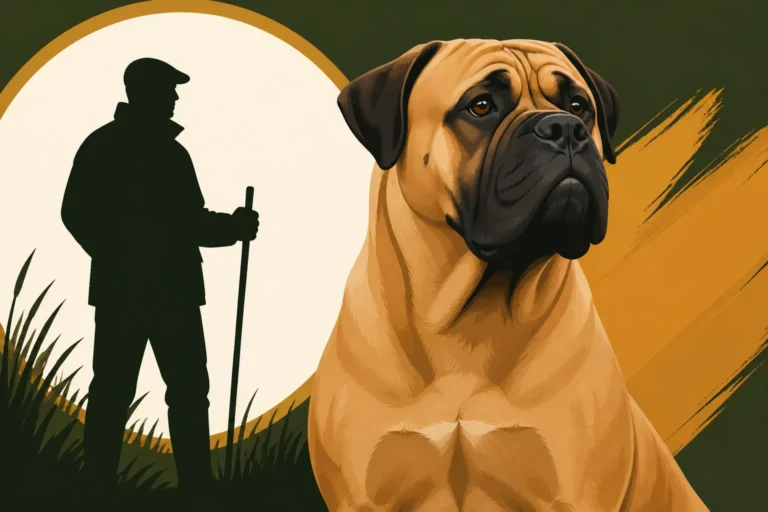
The Bullmastiff's black mask isn't merely decorative; it's a living echo of their original purpose. These dogs were developed in 19th-century England by gamekeepers to protect vast estates from poachers. They needed a dog that was powerful, courageous, and capable of tracking and holding an intruder without mauling them. But crucially, they needed a dog that could do this silently and often under the cover of darkness. This is where the black mask, and indeed the entire color palette, comes into play.
Imagine a dense, moonless English night. A gamekeeper is on patrol, and his Bullmastiff companion is by his side, ready to melt into the shadows. That black mask, combined with their fawn, red, or brindle coats, provided natural camouflage. It helped them blend into the low light, making it harder for a poacher to spot them coming. Every physical trait of the early Bullmastiff, including their powerful build and even their quiet demeanor, was geared towards making them the ultimate "Gamekeeper's Night Dog." You can read more about their origins in The Bullmastiff Was Built to Catch Poachers in the Dark.
Camouflage for Night Work
The black mask was incredibly effective as camouflage during night patrols. Poachers often worked under the cover of darkness, and a dog that could remain unseen until the last possible moment was an invaluable asset. The dark pigmentation around the eyes and muzzle would help to break up the dog's facial outline against the dimly lit landscape, making it harder for an approaching poacher to distinguish a canine form from the surrounding shadows. It's a primal, practical feature, born from necessity.
Think of how a tiger's stripes break up its outline in tall grass, or a leopard's spots in dappled sunlight. The Bullmastiff's black mask served a similar purpose in the gloom. It wasn't about hiding completely, but about delaying detection just enough to give the gamekeeper and his dog the upper hand. This subtle advantage could mean the difference between catching a poacher and letting them slip away, making the mask a functional element of their working attire, so to speak.
This practical aspect also influenced the preferred coat colors of early Bullmastiffs. While today we see fawn, red, and brindle, original breeding often favored darker brindles because they provided even better overall camouflage at night. Why Early Bullmastiffs Were Bred Dark Brindle speaks to this very need. The mask completed this picture, darkening the most prominent and expressive part of the dog – its face – to make it less detectable in the critical moments before engagement.
Protection and Intimidation
While the primary role of the black mask was camouflage, it's also fair to say it added to the Bullmastiff's formidable and intimidating presence. Imagine encountering a large, powerful dog emerging from the darkness, its eyes framed by an intense black mask. The mask naturally enhances the dog's gaze, making it appear more focused, intense, and perhaps even a little stern. This visual impact alone could serve as a deterrent to a poacher, often negating the need for any physical confrontation.
The Bullmastiff was bred to be a silent guardian, a deterrent through sheer presence and strength rather than aggressive barking. The deep, black mask contributes to this aura of quiet strength and seriousness. It’s not a frivolous flourish; it's a feature that visually communicates the dog's purpose and power. When you look at a Bullmastiff's face, especially with that deep mask, there's an undeniable sense of gravitas and an unspoken understanding that this dog is not to be trifled with.
This intimidating appearance was, of course, backed up by the Bullmastiff's actual capabilities. Their powerful build and training to "hold" rather than bite a poacher made them incredibly effective. The mask was just one more element that contributed to their overall effectiveness as a deterrent. It's a reminder that every feature of a well-bred dog often has a historical function, even those we now admire primarily for their beauty.
Variations and Common Mask Issues
While the breed standard calls for a "black and dense" mask, nature, as always, has its own variations. It’s not uncommon to see Bullmastiffs with masks that aren't quite as defined or as dark as the ideal. These variations, while perhaps not perfect in the show ring, are usually perfectly healthy and normal for a pet Bullmastiff. Understanding these differences helps us appreciate the range within the breed and recognize what's considered acceptable versus what might be a fault.
Sometimes, a mask might appear lighter due to genetics, or even as a dog ages. Just like humans get grey hair, Bullmastiffs can see their masks fade or develop grey hairs, particularly around the muzzle, as they mature into their senior years. This is a natural part of aging and isn't a cause for concern. However, in younger dogs, significant deviations from the standard mask can be points of discussion for breeders and judges alike.
Light or Incomplete Masks
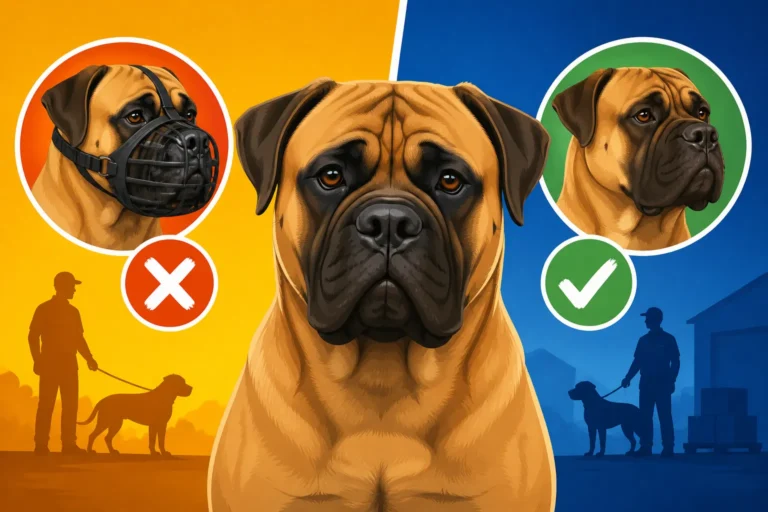
A "light" or "incomplete" mask is a common variation from the ideal. Instead of a solid, dense black, the mask might appear faded, patchy, or only partially cover the muzzle and eyes. Sometimes, it might be more of a dusty charcoal than a true black, or it might extend only minimally around the eyes, rather than framing them boldly. While still endearing, these lighter masks don't quite achieve the striking contrast or the intense expression that a strong, deep black mask provides.
For breeders, a consistently light or incomplete mask in a line of dogs can indicate a dilution of the desired pigmentation genetics. In the show ring, it would be considered a fault, as it deviates from the strong, dense mask required by the breed standard. It affects the overall balance and characteristic appearance of the Bullmastiff. However, for a family pet, a lighter mask has absolutely no bearing on the dog's health, temperament, or ability to be a loving companion. It's purely an aesthetic consideration.
It's also important to differentiate between a truly light mask and one that might appear less dark due to poor coat condition or inadequate grooming. Sometimes, dirt or debris around the muzzle can give the impression of a lighter mask. Regular cleaning, especially in those deep facial folds, can often reveal the true depth of color. Good nutrition, like the kind found in premium foods from retailers like Chewy, can also support overall coat health, potentially making the mask appear richer and denser.
"Reverse Brindle" and Other Mask Confusions
Another interesting variation that sometimes causes confusion, particularly with brindle Bullmastiffs, is what some mistakenly refer to as "reverse brindle" or a mask that appears to be integrated into a heavily brindled face. Brindle itself is a pattern of stripes, typically darker stripes on a lighter background (fawn or red). When a Bullmastiff has a very dark brindle pattern, especially on its face, it can sometimes obscure the distinct black mask, making it less clear where the mask ends and the brindle begins.
This isn't a "reverse brindle" mask; it's more about how the brindle pattern interacts with and sometimes diminishes the visibility of the black mask. The true black mask is a separate entity from the brindle stripes, even though both involve dark pigment. A correct brindle Bullmastiff should still have a distinct black mask over its muzzle and around its eyes, regardless of how dark or heavy its brindle stripes are elsewhere on its body. If the face is so heavily brindled that the mask is indistinguishable, it would generally be considered a fault in the show ring, as the breed standard calls for a clear mask.
Another point of confusion can arise with very dark red Bullmastiffs. Sometimes, their deep red coats can be so dark that the contrast with the black mask is less stark than it would be on a fawn Bullmastiff. However, the mask itself should still be black, not a darker shade of red. It's about the quality and intensity of the black pigment in the mask, irrespective of the body color. Understanding these distinctions helps appreciate the subtle yet important details outlined in the Bullmastiff breed standard.
Genetics of the Black Mask
The black mask in Bullmastiffs, like most coat and pigment traits in dogs, is determined by genetics. Specifically, it's often linked to the E locus (Extension locus) gene. This gene is responsible for determining the distribution of red/yellow pigment (phaeomelanin) versus black/brown pigment (eumelanin) in a dog's coat. A dog with two copies of the dominant allele for the "mask" gene (often denoted as E^m) will typically display a black mask, regardless of its underlying body color (fawn, red, or brindle).
The presence of this dominant gene ensures that eumelanin (black pigment) is expressed on the muzzle and around the eyes. Without this specific gene, a Bullmastiff would likely not have a black mask at all, or it would be very diluted. This is why a breeder carefully considers the genetics of their breeding stock to ensure they are consistently producing puppies with strong, correct masks. It's not just about what the parents look like, but what genes they carry and pass on.
Of course, genetics can be complex, and other modifier genes can influence the intensity and extent of the mask, leading to variations like lighter or less defined masks even in dogs that technically carry the mask gene. However, the foundational presence of the E^m allele is crucial for the existence of the black mask itself. This scientific understanding underscores why traits like the black mask are so consistent within a breed when proper breeding practices are followed.
The Black Mask and the Breed Standard
For anyone involved in showing or breeding Bullmastiffs, the black mask is more than just a preference; it’s a critical component of the breed standard. The standard is essentially the blueprint for what an ideal Bullmastiff should look like, and every detail, from head shape to tail set, is meticulously described. The mask is no exception, and its quality is carefully assessed in the conformation ring. Judges are looking for an animal that embodies all aspects of the standard, and the mask plays a significant role in establishing the correct Bullmastiff expression and type.
A Bullmastiff's head, in particular, is one of its most defining characteristics, often described as square and powerful. The black mask contributes to this powerful head by emphasizing the muzzle and giving depth to the eyes. A weak or absent mask can diminish this overall impression, making the head seem less distinct or lacking the characteristic gravitas. Therefore, judging often pays close attention to how well the mask adheres to the ideal description.
Judges' Expectations
When a Bullmastiff steps into the show ring, a judge's eye will quickly sweep over its overall conformation, and the head, including the mask, is always a focal point. Judges are trained to look for a mask that is "black and dense," extending sufficiently over the muzzle and around the eyes. They want to see a clear, definitive mask that stands in sharp contrast to the body color, whether that's fawn, red, or brindle. The intensity of the black pigment is key, as is the crispness of its boundaries.
A judge will evaluate if the mask is uneven, too light, or if it lacks the necessary density. Any significant deviation from this ideal will be considered a fault. It's not about personal preference, but about how closely the dog aligns with the written standard. The mask contributes significantly to the characteristic "Bullmastiff expression" – a combination of alertness, dignity, and a hint of a watchful nature. A weak mask can detract from this essential aspect of the breed's appearance. You can imagine that a Bullmastiff with a less-than-ideal mask might not perform as well as a dog that perfectly embodies all aspects of the standard when judges like those described in What a Bullmastiff Judge Puts a Hand On First are evaluating.
Ultimately, judges are looking for a Bullmastiff that presents a cohesive picture of power, balance, and type. The black mask is integral to this picture, playing a vital role in the overall aesthetic appeal and adherence to the historical characteristics of the breed. It's a feature that breeders strive to perfect through careful selection, recognizing its importance in preserving the true Bullmastiff identity.
Disqualifying Faults vs. Minor Imperfections
It's important to understand the difference between a "fault" and a "disqualification" in the context of the breed standard. A fault is a deviation from the ideal, which subtracts from the dog's overall merit but doesn't necessarily prevent it from competing. A disqualification, on the other hand, is a severe deviation that means the dog cannot be awarded any points or titles in the conformation ring. When it comes to the black mask, most deviations are considered faults, but certain extreme cases could lead to disqualification.
A light or incomplete mask would typically be a fault, meaning the judge would note it, and it would reduce the dog's placement. A mask that is patchy, streaky, or doesn't extend properly would also fall into this category. These are considered minor imperfections because while they detract from the ideal appearance, they don't compromise the dog's health or fundamental breed type. Such dogs can still be excellent companions or even successful in other dog sports.
However, a complete absence of a black mask – a Bullmastiff with no dark pigmentation on its muzzle and around its eyes whatsoever – would be a very serious fault, and in some breed standards, it might even be a disqualification. This is because the black mask is so fundamental to the Bullmastiff's identity. Imagine a Bullmastiff without its mask; it would look drastically different and arguably not like a Bullmastiff at all. This highlights just how important this single feature is to the breed's established appearance. Understanding Why a Bullmastiff Must Have a Black Mask underscores this critical point.
Care and Considerations for the Mask Area
While the black mask is stunning, the very features that create it – specifically the deep facial folds and wrinkles – require diligent care. Bullmastiffs are known for their magnificent heads, but those charming folds can become breeding grounds for bacteria and yeast if not properly cleaned and kept dry. Neglecting this area can lead to uncomfortable skin irritations, infections, and unpleasant odors, which nobody wants for their gentle giant.
Taking care of your Bullmastiff's mask area isn't just about aesthetics; it's about their health and comfort. Regular checks and cleaning should become a part of your routine, just like feeding or walking. It’s a small investment of time that prevents bigger problems down the line, ensuring your Bullmastiff remains happy and healthy, with that handsome mask looking its best.
Cleaning the Facial Folds
The wrinkles and folds around a Bullmastiff's muzzle and under the eyes, which are often encompassed by the black mask, are magnets for moisture, food debris, and general grime. This environment is perfect for bacterial and yeast infections to take hold, leading to irritation, redness, and a distinct, often yeasty, smell. Regular cleaning is absolutely essential to prevent these issues. You can't just admire the mask; you have to maintain the skin beneath it.
To clean these areas effectively, you'll need soft cloths or cotton pads, and a gentle, dog-specific cleanser or even just plain warm water. Many owners find specialty pet wipes, sometimes available at stores like Chewy, to be very convenient for daily quick clean-ups. The key is to carefully open each fold and gently wipe away any accumulated moisture or dirt. You might be surprised at what you find lurking in there!
After cleaning, it's equally important to ensure the folds are completely dry. Trapped moisture is the enemy. You can gently pat the area dry with a clean cloth or even use a low, cool setting on a hairdryer, being careful not to alarm your dog or get too close to their skin. Making this a positive experience with treats and praise will help your Bullmastiff tolerate, and perhaps even enjoy, their regular face-cleaning routine. More detailed advice can be found in How to Clean a Bullmastiff's Face Wrinkles.
Sun Protection for Masked Areas
You might think that because the mask is black, it’s automatically protected from the sun. While darker pigments do offer some natural protection, a Bullmastiff's masked areas, especially if there are thinner patches of hair or areas of pink skin within the folds, can still be susceptible to sunburn. Just like humans, dogs can get sun damage, and repeated exposure can increase risks of skin issues.
For Bullmastiffs who love to sunbathe or spend extended periods outdoors, particularly in strong sunlight, it’s wise to take precautions. Consider limiting their exposure during peak sun hours (usually 10 AM to 4 PM). If your Bullmastiff has a less dense mask or some lighter skin showing through, a pet-specific sunscreen designed for dogs can be applied to vulnerable areas. Always check with your vet before using any new product.
Even for those with perfectly dense masks, preventing overheating is paramount, as Bullmastiffs are notoriously susceptible to heatstroke due to their brachycephalic (short-nosed) structure. While the mask itself is a minor factor in this, the overall management of sun exposure goes hand-in-hand with keeping your Bullmastiff cool and safe in warm weather. A shaded area, plenty of fresh water, and avoiding intense exercise are always crucial.
Beyond the Mask: Other Bullmastiff Colors and Markings
While the black mask is arguably the most recognizable and mandatory facial feature of a Bullmastiff, it's just one piece of their overall coat and color puzzle. Bullmastiffs come in a beautiful range of body colors, each with the essential black mask providing that striking contrast. Understanding these other accepted colors and markings helps to fully appreciate the breed's visual diversity while always remembering the unifying element of their dark face.
The combination of a powerful physique, a specific head shape, and the distinct coat colors, all anchored by that intense black mask, makes the Bullmastiff truly unique. It’s a testament to the careful selection and breeding over generations to establish a consistent and recognizable breed type.
Fawn, Red, and Brindle: The Only Colors a Bullmastiff Comes In
The Bullmastiff breed standard strictly defines the acceptable body colors: fawn, red, or brindle. These three colors, always accompanied by the black mask, make up the entire spectrum of accepted Bullmastiff coats. There’s a distinct beauty in each, and personal preference often plays a role in which color an owner might gravitate towards, but genetically and historically, these are the variations you’ll find.
Fawn Bullmastiffs can range from a very light, sandy color to a deep, rich tan. This color provides a dramatic contrast with the black mask, making it incredibly prominent and striking. Many admire the elegance and classic look of a well-pigmented fawn Bullmastiff.
Red Bullmastiffs range from a light red-gold to a deep, burnished reddish-brown. The red hues are often rich and warm, and when paired with the black mask, they create a powerful and noble appearance. A deep red Bullmastiff with a strong mask is a truly impressive sight.
Brindle Bullmastiffs feature a coat with dark stripes (typically black or very dark brown) on a fawn or red background. The intensity and pattern of the stripes can vary widely, from sparse, delicate markings to a heavy, almost "reverse" brindle appearance where the darker stripes dominate. Regardless of the brindle pattern, the black mask remains a non-negotiable feature, creating definition on the face. Fawn, Red or Brindle: the Only Colors a Bullmastiff Comes In delves deeper into these acceptable coat colors.
White Markings
While the black mask is required, and the body colors are strictly defined, the breed standard does allow for some minor white markings on a Bullmastiff. However, these markings are generally limited in size and placement. A small patch of white on the chest is the most commonly accepted white marking. Anything beyond this, such as white on the feet, legs, or face outside of the masked area, would be considered a fault in the conformation ring.
The reason for this strictness around white markings again goes back to the breed's origins. For a dog bred for stealthy night work, large white patches would have been a distinct disadvantage, making them more easily visible in the dark. Breeders historically avoided dogs with excessive white to maintain the camouflage necessary for their function. This functional aspect has been carried forward into the modern breed standard.
Therefore, while a tiny white flash on the chest is generally tolerated, judges will scrutinize any more significant white markings. A Bullmastiff with extensive white, or white in unapproved areas, would be heavily penalized in the show ring. For a companion dog, these markings are purely cosmetic and don't affect health or temperament. However, for those interested in showing or preserving the purest breed type, adhering to these strict guidelines for white markings, alongside the presence of the essential black mask, is paramount.
Conclusion
The black mask of the Bullmastiff is far more than just a pretty face – it’s a living link to the breed's origins, a key component of its distinctive appearance, and a vital element of its majestic expression. From its strategic role as camouflage for gamekeepers patrolling vast English estates under the cloak of night to its unyielding importance in today’s breed standard, this striking feature tells a story of purpose, power, and careful selective breeding.
Whether your Bullmastiff sports a perfectly dense, midnight-black mask that commands attention, or a slightly lighter, more subtle variation, its presence solidifies their identity as one of these magnificent "gentle giants." Caring for the masked area means tending to those charming facial folds, ensuring comfort and health. As we appreciate the fawn, red, and brindle coats, and even the subtle allowance for white markings, it’s the unwavering black mask that truly unifies and defines every Bullmastiff, marking them as the noble guardians they were always meant to be.
Disclaimer
This article is for general informational purposes only and does not constitute professional advice. Laws, prices and regulations vary by location and change over time. Consult a qualified professional for guidance on your specific situation.