Which English Counties Bred the First Bullmastiffs
It’s easy to look at a majestic Bullmastiff today, lounging comfortably on a plush bed, and forget the hardscrabble origins that forged this incredible breed. But for many of us who love these gentle giants, there's a nagging curiosity about where they truly came from, beyond just "England." You might find yourself wondering about the specific regions, the rugged individuals, and the real-world challenges that led to the creation of such a unique dog. This guide will take you on a journey back to the English countryside, revealing the specific counties and the historical imperatives that birthed the Bullmastiff.
The Genesis of the Gamekeeper's Night Dog
Imagine rural England in the 19th century, a time before widespread policing or advanced security systems. Landowners were often incredibly wealthy, with vast estates brimming with valuable game like deer, pheasants, and rabbits. This abundance, however, was a magnet for poachers – desperate individuals often driven by poverty to feed their families or turn a quick profit. This created a constant, often dangerous, battle between gamekeepers and poachers, and into this volatile world, the Bullmastiff began to emerge as an indispensable tool.
The Problem of Poaching in Victorian England
Poaching wasn't just a minor nuisance; it was a serious economic threat to the landed gentry. The game on these estates wasn't just for sport; it was a significant asset, and losing it to poachers meant real financial losses. Gamekeepers were tasked with protecting these resources, a job that was both lonely and perilous. They patrolled vast, often isolated, woodlands and fields, knowing they could encounter desperate or even violent men. The sheer scale of these estates made it impossible for a human alone to effectively guard every acre, every night. Traditional guard dogs often fell short; they might bark too much, alerting the poacher long before an apprehension could be made, or they might lack the physical prowess to handle a determined adult.
The frustration for these gamekeepers must have been immense. They were essentially on the front lines, trying to maintain order and protect livelihoods with limited resources. Losing game wasn't just a mark against their record; it could mean their own employment was at stake. This intense pressure fueled the innovative spirit that led to the development of a highly specialized canine partner, one that could operate in silence and with immense physical presence. They needed a dog that was more than just a pet or a farmhand; they needed a canine law enforcement officer of sorts, but one adapted to the unique challenges of the dark, sprawling estates.
The gamekeepers themselves often lived on or near the estates, their lives intrinsically linked to the land and its security. They understood the terrain, the habits of the poachers, and the capabilities of the animals at their disposal. Their daily experiences shaped the specific demands they placed on their canine companions, ultimately influencing the characteristics that would become central to the Bullmastiff breed. This deep, practical understanding of their needs was the driving force behind the breed’s very existence.
The Need for a Specialized Guardian
The qualities required for such a dog were very specific and quite demanding. First and foremost, the dog needed to be silent. A barking dog would give away its position and the gamekeeper's, allowing the poacher to escape or prepare for confrontation. This meant breeding for a dog that would work quietly, using its keen senses of smell and hearing to track and locate without drawing attention. The idea was to surprise the poacher, not to announce their arrival from a quarter-mile away. This emphasis on silence is one of the hallmarks that still distinguishes the Bullmastiff today; they are generally not incessant barkers. Why a Night Working Dog Was Bred Not to Bark
Secondly, the dog needed immense physical power and courage, but with a crucial caveat: it had to hold a poacher, not savage them. While a gamekeeper needed to subdue an intruder, killing or severely maiming them could lead to legal repercussions for the gamekeeper and the estate owner. The dog's role was to pin the poacher down, using its weight and strength to prevent escape until the gamekeeper could arrive and take control. This "hold and not harm" philosophy is fundamental to the Bullmastiff's temperament. They were bred to be formidable but controlled, capable of immense power but with an innate sense of restraint. This unique job requirement profoundly shaped their character, resulting in a dog that is powerful and protective, yet typically gentle and composed when not called upon for duty. A Bullmastiff Was Bred to Hold a Man, Not Bite Him
Finally, this specialized guardian needed a combination of speed for pursuit, strength for holding, and intelligence to work alongside its human handler. It wasn't about a mindless attack dog; it was about a thinking partner who could understand commands and adapt to unpredictable situations. The dog had to be brave enough to confront a potentially dangerous man but discerning enough to differentiate between a threat and an innocent wanderer. These were the criteria that dictated the careful selection and crossbreeding efforts that would eventually lead to the Bullmastiff we recognize today. What a Gamekeeper Needed a Night Dog For
The Blending of Breeds: Mastiff and Bulldog Contributions
The creation of the Bullmastiff wasn't a random act; it was a calculated endeavor, a deliberate crossbreeding project designed to combine the best traits of two established breeds. Gamekeepers needed a dog that was tough enough for the job, and they found their solution in the robust English Mastiff and the tenacious Old English Bulldog. The specific ratio and the careful selection over generations led to a dog that perfectly fit their very particular requirements. It’s a fascinating look at how purpose-breeding can shape an animal.
The Grand Foundation: The English Mastiff
The English Mastiff provided the sheer size, substance, and imposing presence that was absolutely vital for confronting and deterring poachers. These dogs are truly massive, and their very appearance could often be enough to make an intruder think twice. Historically, Mastiffs were known for their guarding instincts, their loyalty, and their calm, steady demeanor. They are often described as "gentle giants," powerful but not typically prone to unprovoked aggression. This foundational temperament was crucial; a frantic, overly aggressive dog would be a liability, not an asset.
However, the pure Mastiff, while magnificent, had its limitations for the demanding role of a gamekeeper’s night dog. While powerful, they could sometimes be too slow for sustained pursuit across fields and through woods. Their immense size, while intimidating, could also make them less agile in varied terrain, and they might lack the quick bursts of speed needed to close the distance on a fleeing poacher. Furthermore, some Mastiffs could be a bit too docile for the immediate, assertive action required when apprehending an intruder. The gamekeepers needed a dog that could quickly transition from silent patrol to decisive action.
Despite these drawbacks, the Mastiff brought invaluable traits to the emerging Bullmastiff. Its powerful build contributed to the "holding" ability, its thick skin offered some protection, and its natural guarding instinct provided the inherent drive to protect the estate. More importantly, the Mastiff's generally stable and controllable temperament ensured that the resulting crossbreed would be formidable without being inherently wild or untrainable. It laid the groundwork for the Bullmastiff's characteristic blend of power and poise, a calm confidence rather than nervous reactivity.
The Bulldog's Tenacity and Agility
To address the Mastiff's shortcomings, the gamekeepers introduced the Old English Bulldog. Now, it's important to remember that the "Old English Bulldog" was quite different from the contemporary Bulldog we know today. These were more athletic, longer-legged, and more functionally built dogs, known for their incredible tenacity, courage, and powerful jaws. They brought an element of agility, speed, and raw determination that the Mastiff sometimes lacked. This smaller, more compact breed was known for its ability to hang on once it got a grip, a quality highly prized for holding an uncooperative poacher.
The Bulldog contributed significantly to the Bullmastiff's head type and jaw structure, imparting that broad, powerful muzzle and strong bite that is characteristic of the breed. This robust head was essential for a dog whose primary method of apprehension was to pin and hold. However, a pure Bulldog would have been far too small to effectively subdue an adult human. While courageous, its size would put it at a significant disadvantage, and it wouldn't have the sheer body weight to physically overwhelm a man. A Bulldog might be tenacious, but it wouldn't be able to "body block" or truly hold someone down with its mass alone.
Therefore, the genius of the Bullmastiff cross was in finding the perfect balance. The Bulldog provided the "bull" in "Bullmastiff" – the spirit, the grit, the strong bite, and the athleticism – while the Mastiff provided the "mastiff" – the size, the bulk, the imposing presence, and the calm, steady temperament. The general consensus among breeders and historians is that the Bullmastiff was approximately The Bullmastiff Is Sixty Percent Mastiff and Forty Percent Bulldog. This specific combination resulted in a dog that was faster and more agile than a pure Mastiff, yet larger and more powerful than a pure Bulldog, perfectly suiting the needs of the gamekeepers. Which Breeds Went Into the Bullmastiff
Identifying the Early Breeding Strongholds
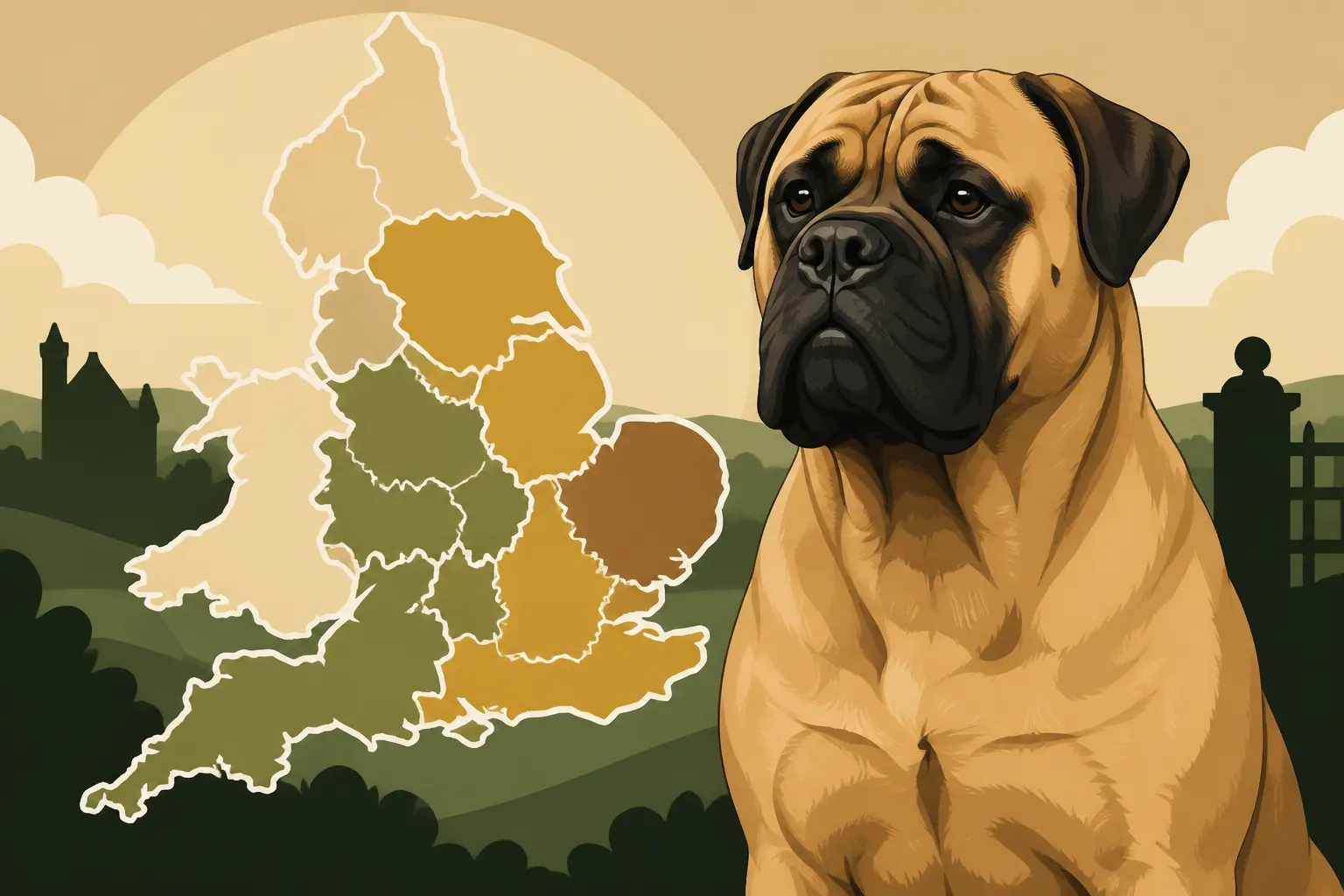
When we talk about the "first English counties" that bred Bullmastiffs, we're really talking about the regions where large landed estates were prevalent, and consequently, where gamekeeping was a serious and highly organized endeavor. These weren't typically centralized, formal breeding programs in the beginning, but rather practical solutions developed by working professionals in specific geographical areas. The core need drove the local innovation.
The Midlands: Heart of the Gamekeeping World
The heart of early Bullmastiff development truly lies in the Midlands of England. This region, encompassing counties like Nottinghamshire, Derbyshire, Staffordshire, and Leicestershire, was characterized by vast landed estates, dense woodlands, and a significant amount of game. These were areas where hunting and game preservation were integral to the gentry's lifestyle and economy, making the presence of diligent gamekeepers and the constant threat of poaching a daily reality. The terrain was often a mix of open fields, ancient forests, and rolling hills – perfect for poachers to hide and for gamekeepers and their dogs to patrol.
In these counties, gamekeepers were not just employees; they were specialists, often deeply knowledgeable about dog breeding and training. They experimented with crosses, shared successful lines (though informally), and continually refined their dogs based on practical experience. These weren’t the show breeders of later years, concerned with conforming to a written standard, but rather pragmatists focused solely on efficacy. A dog either did the job, or it didn't. This led to a very natural selection process, where only the most effective dogs were bred, ensuring the practical working qualities were continuously reinforced. This is where the concept of the "gamekeeper's night dog" truly took root and began to solidify into a distinct type.
The sheer concentration of estates and the continuous, urgent need for effective anti-poaching measures made the Midlands a crucible for the Bullmastiff. It was here that generations of gamekeepers, facing the same challenges, collectively contributed to the breed's formative years. They selected for specific traits – silence, power, tenacity, and control – that proved most effective in their unique environment. This regional concentration of purpose-driven breeding meant that, over time, a consistent "type" of dog began to emerge from the scattered crossbreeds, laying the foundation for what would eventually become the official Bullmastiff breed.
Informal Networks and Estate-Specific Lines
In the early days, before official breed clubs or written standards, the breeding of gamekeeper's night dogs was a highly informal affair. It often occurred within individual estates or through loose networks of gamekeepers who knew and trusted each other's dogs. There wasn't a central registry or a universal studbook. Instead, a successful male dog from one estate might be brought to breed with a female on a neighboring property, based purely on their proven working ability. This meant that specific "strains" or "lines" might have developed a reputation on particular large estates, with their own unique characteristics that excelled in that specific environment.
The exchange of knowledge and successful breeding animals would have largely been word-of-mouth. A gamekeeper whose dog was particularly adept at tracking silently or holding a strong poacher without excessive force would be sought after. This practical, results-driven approach meant that dogs that were unreliable, overly aggressive, or lacked the necessary drive for the work were quickly weeded out of the breeding pool. It was survival of the fittest in a very real, working sense, ensuring that only the most capable dogs passed on their genes.
This organic development, driven by the immediate demands of the job, is a testament to the dedication of these early individuals. They didn't set out to create a new breed for public recognition; they set out to solve a very pressing problem. The fact that the Bullmastiff emerged from this crucible as such a stable, capable, and distinctive breed speaks volumes about the intelligence and foresight of those pioneering gamekeepers. Their practical methods, though informal, were incredibly effective in shaping the breed's fundamental traits, even before formal breed clubs existed. You can still see that blend of power and practicality in a modern Bullmastiff, even if their "work" these days is usually just guarding the sofa!
The Evolution from Crossbreed to Recognized Breed
While the Bullmastiff began as a functional crossbreed, its utility and distinctive traits eventually caught the attention of early dog enthusiasts. The transition from an informal "gamekeeper's night dog" to a formally recognized breed was a critical step, moving it from the shadows of the English estates into the wider world of dog breeding and exhibition. This evolution involved dedicated individuals who saw the potential in these powerful dogs beyond their original working purpose.
Standardizing the "Gamekeeper's Night Dog"
As the effectiveness of these Mastiff-Bulldog crosses became more widely known, a growing interest emerged in standardizing their appearance and temperament. No longer was it purely about function; there was a desire to define what a good "Bullmastiff" looked like, ensuring consistency across different lines and breeders. This involved establishing a written standard that outlined ideal physical characteristics, such as size, proportion, head type, and coat color. Early advocates understood that to gain legitimacy and widespread acceptance, the breed needed a clear, consistent identity.
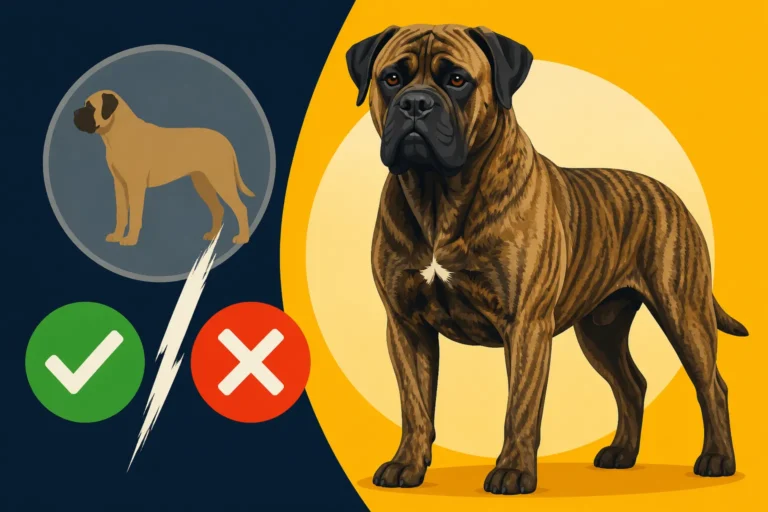
This standardization process was gradual but essential. It meant moving away from a purely utilitarian approach where any effective cross was acceptable, towards a more refined vision of the breed. Specific traits, like the deep, dark brindle coat, which offered camouflage during night patrols, became highly prized not just for function but also for aesthetics. Why Early Bullmastiffs Were Bred Dark Brindle Similarly, the broad skull, deep muzzle, and strong, athletic build were codified. This formalization helped distinguish these dogs from other Mastiff or Bulldog crosses and set them on the path to becoming a unique and recognized entity.
The efforts to standardize were not without debate, as different breeders and gamekeepers had their own ideas about the "perfect" dog. However, the collective goal was to preserve the working qualities while also ensuring a consistent and recognizable physical type. This period was crucial for the Bullmastiff, as it cemented the characteristics that define the breed even today. Without this push for standardization, the gamekeeper's night dog might have remained a varied crossbreed, never achieving the status of a distinct and celebrated dog breed. When researching any breed's history, sources found on platforms like Chewy or reputable breed club websites can be incredibly insightful for understanding these early developments.
Official Recognition and Early Pioneers
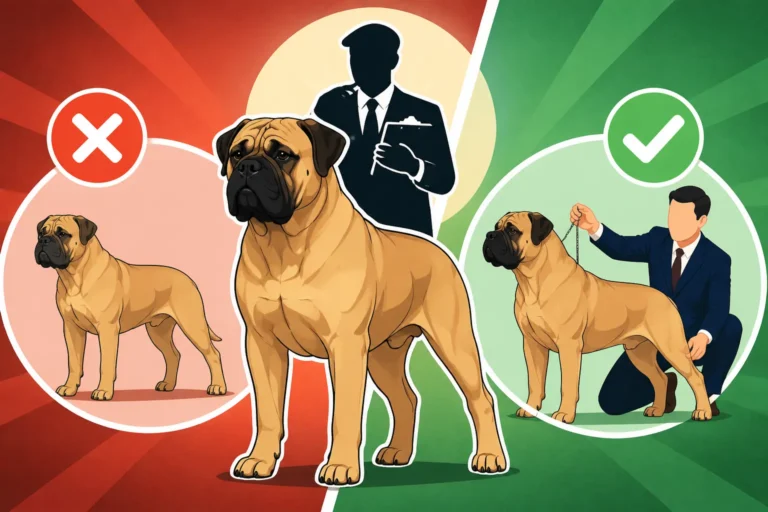
A pivotal moment in the Bullmastiff's history came with its official recognition by The Kennel Club (UK) in 1924. This was a huge step, elevating the breed from a working cross to a pedigree dog, allowing for formal registration, showing, and the establishment of official breed clubs. This recognition didn't just validate the breed's existence; it provided a framework for its future, ensuring that breeding practices could be tracked and improved. It also brought the breed to the attention of a wider public, far beyond the confines of the game estates. When the Kennel Club Recognized the Bullmastiff
Leading the charge in this formalization were dedicated individuals who championed the breed. Figures like S.E. Moseley, often credited as "the father of the Bullmastiff," played an instrumental role. He was not only a gamekeeper but also an astute breeder who saw the potential in these dogs and worked tirelessly to refine and stabilize the type. His kennel, Farcroft, was pivotal in establishing some of the earliest and most influential lines. These early pioneers understood the unique blend of power and gentleness that made the Bullmastiff so special, and they worked to ensure those qualities were maintained and enhanced as the breed moved into the public eye.
The establishment of breed clubs soon followed, further solidifying the Bullmastiff's place in the canine world. These clubs became guardians of the breed standard, promoting responsible breeding practices and educating prospective owners about the breed's unique needs and history. This transition from a purely functional dog to a recognized and cherished breed is a testament to the enduring qualities of the Bullmastiff – its formidable presence, its unwavering loyalty, and its surprisingly gentle nature. It ensured that the legacy of the gamekeepers, who first envisioned this powerful guardian, would continue for generations to come.
Life on the Estate: The Early Bullmastiff's Daily Role
Understanding the counties where the Bullmastiff originated isn't just a historical footnote; it’s essential for grasping the breed's temperament and physical characteristics. These dogs were bred for a specific, demanding job in a particular environment, and that purpose shaped every aspect of their being. Life for an early Bullmastiff wasn't about plush beds and endless treats (though I'm sure they got plenty of love); it was about constant vigilance and quiet, powerful work.
Vigilance and Patrols
For the early Bullmastiff, nights on the estate were not for sleeping. Their primary role was to accompany the gamekeepers on their nightly rounds, patrolling the vast boundaries and dense woodlands. This wasn't a casual stroll; it was a serious reconnaissance mission. The dogs needed to be acutely aware of their surroundings, using their superior senses of smell and hearing to detect any signs of human intrusion. Unlike many guard dogs, whose primary defense is a loud bark, the Bullmastiff was valued for its ability to work in silence. This allowed the gamekeeper and dog to approach a poacher undetected, giving them the element of surprise.
Imagine a gamekeeper and his Bullmastiff moving silently through a moonlit forest. The dog, low to the ground, nose to the wind, would be the first to pick up a scent or a faint sound. Its body language would communicate the presence of an intruder long before a human could perceive it. This silent communication, the trust between handler and dog, was paramount. The Bullmastiff's quiet diligence meant that they were not just a deterrent, but an active participant in preventing crime. What a Bullmastiff Was Bred to Do to a Poacher
This constant nocturnal vigilance instilled in the breed a deep sense of awareness and a protective instinct that remains strong today. While modern Bullmastiffs may not be patrolling for poachers, they still possess that inherent watchful nature. They're often quiet observers, taking in their surroundings, and quick to notice anything out of the ordinary. This intense focus on their environment is a direct legacy of their working past, making them excellent, if subtle, guardians of their homes and families today.
The "Hold and Not Harm" Philosophy
The most defining aspect of the early Bullmastiff's work, and consequently its character, was the principle of "hold and not harm." When a poacher was located, the Bullmastiff's role was not to attack with a bite to maim or kill, but to physically apprehend and pin the individual until the gamekeeper could intervene. This involved using their considerable weight and strength to knock a man down and hold him there, often by leaning on him or holding onto clothing. The sheer physical presence of a 100+ pound dog doing this would be overwhelming and effective.
There were practical and legal reasons behind this method. From a practical standpoint, a dead or severely injured poacher couldn't be interrogated to discover accomplices or methods. From a legal perspective, excessive force by a gamekeeper or their dog could lead to serious legal troubles for the estate owner, who was ultimately responsible. Therefore, the Bullmastiff had to be powerful enough to subdue, but disciplined enough to avoid causing grievous injury. This fine line required an incredible amount of training, control, and an inherently stable temperament.
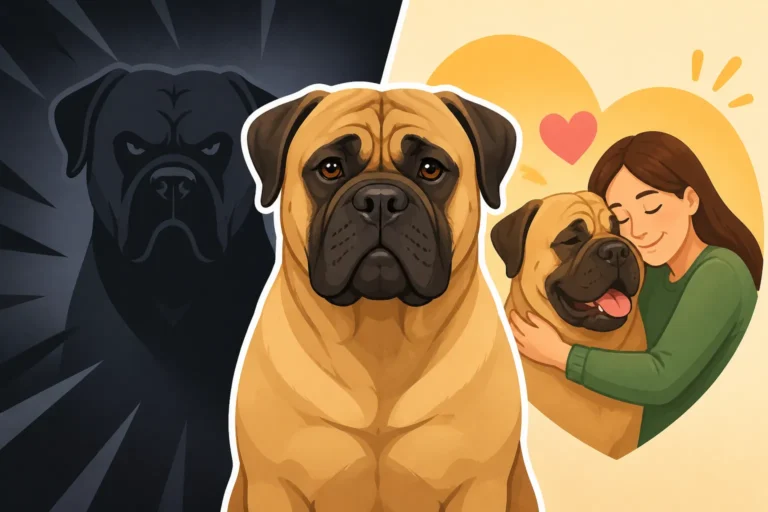
This unique job shaped the Bullmastiff into the "Gentle Giant" many owners know and love. They are incredibly powerful, yes, but typically possess an innate gentleness and a strong desire to please their handler. They have a deep sense of responsibility and can be incredibly discerning about threats. It’s this combination of formidable strength and surprising restraint that makes the Bullmastiff such a unique and beloved breed. They are protectors by nature, but their protection is typically measured, deliberate, and rooted in the historical imperative to hold, not to harm. They retain that deep, unwavering loyalty to their people and their territory, making them excellent companions for those who understand and respect their heritage.
| Characteristic | English Mastiff Contribution | Old English Bulldog Contribution | Resulting Bullmastiff Trait |
|---|---|---|---|
| Size & Weight | Sheer bulk, imposing presence | Compact strength, muscularity | Large, powerful, substantial |
| Speed & Agility | Slower, steady | Quicker bursts, tenacity | Athletic enough for pursuit |
| Guarding Instinct | Natural protectiveness, loyalty | Courage, unwavering determination | Loyal, watchful, discerning guard |
| Head & Jaw | Large, broad skull | Powerful muzzle, strong bite | Broad head, strong jaw for holding |
| Temperament | Calm, steady, gentle giant | Tenacious, brave, resolute | Confident, protective, controlled |
| Working Method | Body weight for holding | Grip and perseverance | "Hold and not harm" strategy |
Disclaimer
This article is for general informational purposes only and does not constitute professional advice. Laws, prices and regulations vary by location and change over time. Consult a qualified professional for guidance on your specific situation.