What a Gamekeeper Needed a Night Dog For
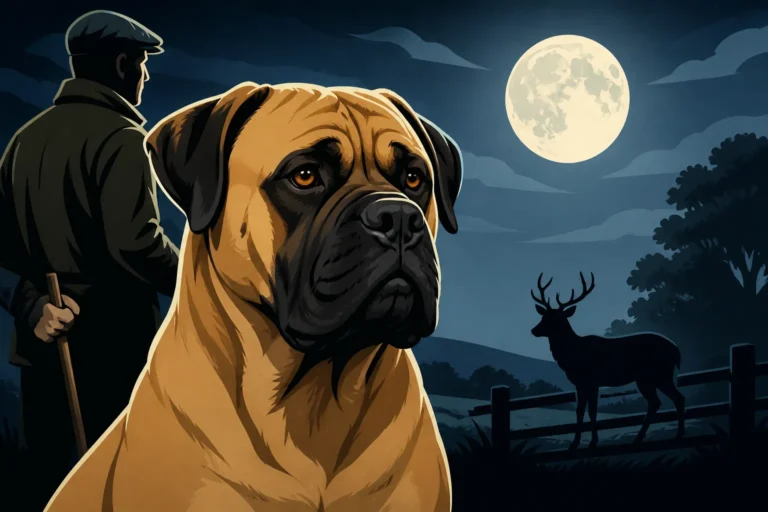
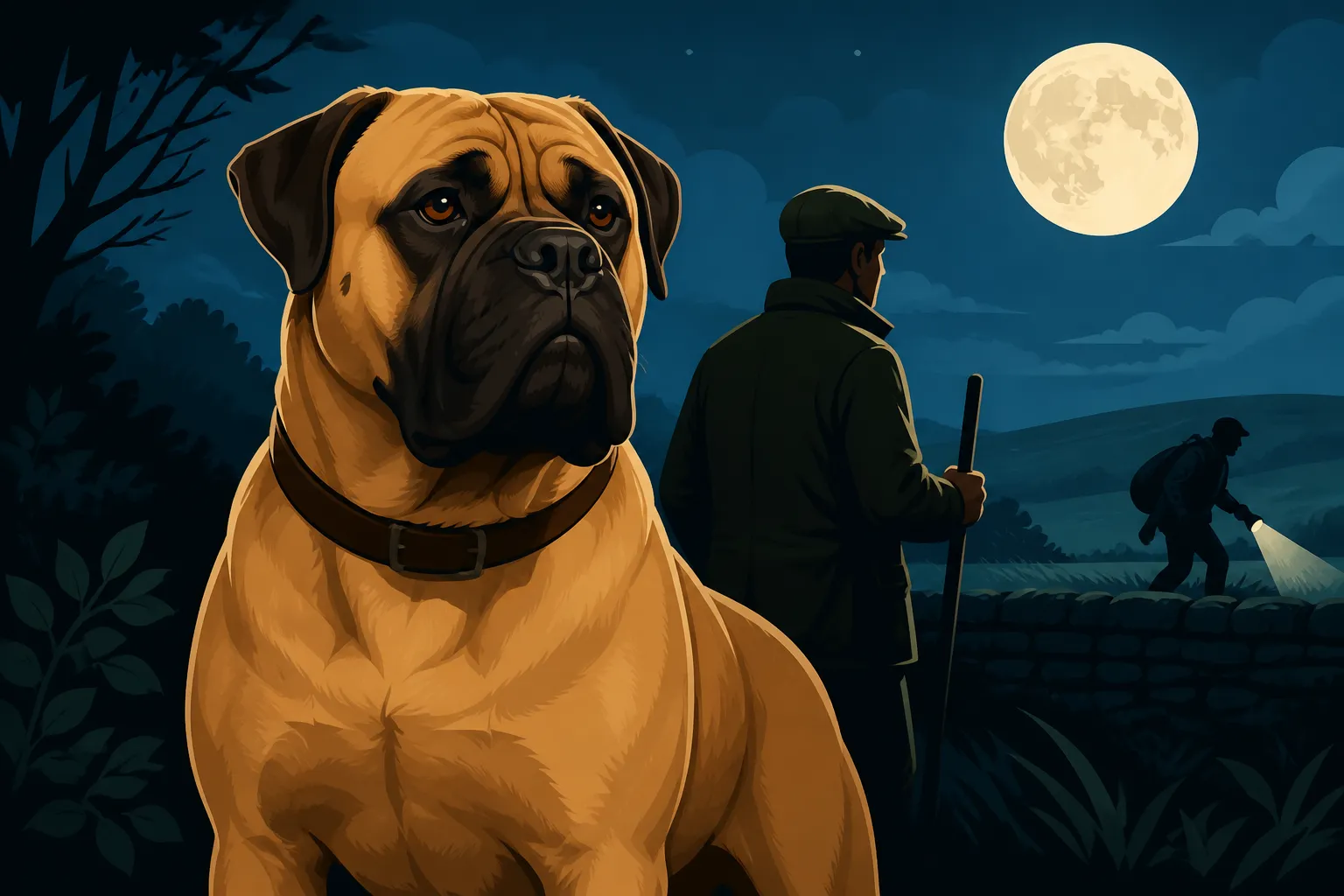
Imagine the crisp, biting air of a Victorian-era English night, with shadows stretching long and the silence broken only by the rustle of leaves or the distant cry of a nocturnal animal. For the gamekeeper of a sprawling estate, these nights were not peaceful. They were a constant vigil against poachers, whose illicit activities threatened the landowner's livelihood and the very order of the countryside. This was a lonely, dangerous job, and the gamekeeper desperately needed a partner – a silent, powerful guardian capable of confronting hardened individuals in the dead of night. This guide delves into the challenging world of the gamekeeper and explains precisely why they needed a very particular kind of "night dog," ultimately leading to the creation of the magnificent Bullmastiff.
The Era of Poaching: A Gamekeeper's Nightmare
Life on a large English estate in the 18th and 19th centuries was a delicate balance of land, resources, and often, rigid social structures. For the landowner, the game—deer, pheasants, hares, partridges—was not just for sport; it was a significant asset, a food source, and a symbol of status. Poaching, therefore, wasn't merely a minor infraction; it was a serious crime, undermining property rights and the economic stability of the estate.
The Value of Game and Land
The game on an estate represented tangible wealth. Deer could provide meat and hides, while game birds were a staple for the landowner's table and often sold for profit in nearby markets. Beyond the immediate economic loss, unchecked poaching could deplete game populations, ruining future hunting seasons and diminishing the estate's overall value and prestige. Landowners invested heavily in their game preserves, employing gamekeepers to protect these resources fiercely. These gamekeepers were essentially the law enforcement of the wild, tasked with preventing theft and maintaining order across vast, often remote, territories. The success of an estate, and indeed the reputation of its owner, often hinged on the gamekeeper's ability to keep the poaching problem at bay.
Poaching was also a crime born of desperation for many. While landowners saw it as theft, rural laborers, often struggling to feed their families, viewed the abundance of game as a tantalizing, if illegal, solution to their hunger. This created a tense, often violent, dynamic between the poachers and the gamekeepers. The poachers were often skilled woodsmen, familiar with the terrain and adept at evading capture, sometimes working in organized groups. This made the gamekeeper's job even more perilous, as they were frequently outnumbered and outmaneuvered in the dark.
The Dangers of the Night
A gamekeeper's patrol was a solitary and dangerous affair. Imagine walking miles through dense woods, across open fields, and along riverbanks under the cover of darkness, listening for any sign of intruders. Poachers were not just hungry men; they were often armed with crude weapons, snares, and nets, and they were desperate not to be caught. The consequences of capture were severe, often involving jail time, transportation to penal colonies, or even execution for repeat offenses. This made poachers willing to fight, sometimes to the death, to avoid apprehension.
For the gamekeeper, encountering a poacher meant a potential violent confrontation. They needed a partner who could detect a human presence long before it became a direct threat, one that could assist in apprehending a strong, possibly armed, individual without necessarily causing lethal harm. This was a critical distinction: the goal was to catch and hold the poacher for justice, not to maim or kill them, which would lead to far greater legal complications and public outcry. The gamekeeper's life was on the line every night, and the dog they sought had to be an extension of their will, a silent enforcer in the shadowy realm of the estate. The dog also needed to be resilient, able to withstand the elements and the rigors of long patrols, and possess an unwavering loyalty to its handler.
Why Existing Breeds Fell Short
Before the Bullmastiff, gamekeepers tried various existing breeds to aid in their nightly patrols, but each had significant drawbacks that made them less than ideal for the specific demands of catching poachers. They needed a precise combination of traits that no single breed seemed to possess.
The Mighty But Slow Mastiff
The English Mastiff was an obvious choice for its sheer size, imposing presence, and protective instincts. These dogs were, and still are, magnificent creatures, capable of deterring intruders by their very appearance. They were fiercely loyal to their families and property, making them natural guardians. However, the Mastiff, while powerful, was generally slow-moving and lacked the agility required for pursuit across uneven terrain. A poacher, quick on their feet and familiar with shortcuts, could easily outrun a purebred Mastiff once spotted.
Furthermore, a Mastiff's deep, resonant bark, while excellent for alerting to danger from a distance, was counterproductive for a gamekeeper needing to work in stealth. The element of surprise was crucial. If a Mastiff barked the moment it sensed someone, the poacher would be alerted and could either flee or prepare for confrontation, negating the gamekeeper's advantage. While their holding power was undeniable once they engaged, the process of reaching and engaging a fleeing poacher silently and swiftly was not their forte. Why a Mastiff Alone Was Too Slow for the Job explains this challenge in more detail.
The Agile But Fierce Bulldog
On the other end of the spectrum was the Bulldog. The Bulldogs of the Victorian era were not quite the stocky, gentle companions we often see today. They were fiercer, more athletic dogs, renowned for their tenacity, courage, and powerful jaws. They were compact and agile, capable of swift, powerful bursts of speed over short distances. This agility and determination made them formidable opponents in a close-quarters confrontation.
However, the Bulldog's ferocity and smaller size presented their own problems. While tenacious, a Bulldog might be prone to inflicting serious injury, which, as mentioned, was generally to be avoided. A gamekeeper needed a dog that could hold a poacher without mauling them, preventing escape while waiting for the gamekeeper to arrive. A Bulldog's natural inclination might have been to attack, rather than merely detain. Also, while powerful for their size, a lone Bulldog might struggle to physically control a large, desperate man who was determined to escape. They lacked the sheer bulk to effectively pin down a full-grown individual for an extended period. Why a Bulldog Alone Was Too Small for the Job further explores these limitations.
Hounds and the Noise Problem
Other breeds, like various types of hounds, were also considered. Hounds possessed an incredible sense of smell and the stamina for long pursuits, making them excellent trackers. They could follow a trail for miles, even in the dark, and their baying would certainly alert the gamekeeper to the presence of a poacher.
But herein lay the major issue: the noise. Hounds are bred to vocalize loudly when on a scent or when they've treed or cornered prey. While useful for certain types of hunting, this loud baying was a huge disadvantage for a gamekeeper needing stealth. The sound would carry for miles, immediately giving away the gamekeeper's position and allowing poachers ample time to hide, disperse, or prepare an ambush. The element of surprise, which was a gamekeeper's most valuable asset, would be completely lost. The objective was to catch poachers unawares, not to announce one's presence from a distance. The gamekeeper needed a dog that could track, find, and hold, all with minimal noise, especially during the critical initial phases of detection and approach.
The Blueprint for the Ideal Night Dog
Faced with the shortcomings of existing breeds, gamekeepers began to envision a dog purpose-built for their unique and dangerous duties. They didn't just want a dog; they needed a living tool, a specialized instrument for law enforcement in the wild. This vision led to the deliberate breeding programs that would eventually produce the Bullmastiff.
Silent, Swift, and Strong
The first requirement for the ideal night dog was stealth. A loud dog was a liability, so the new breed needed to be inherently quiet. This meant little to no barking during patrol or apprehension. The dog had to move silently through the undergrowth, its presence undetected until it was too late for the poacher to escape. This silent approach was paramount for preserving the element of surprise, giving the gamekeeper the crucial upper hand. Why a Night Working Dog Was Bred Not to Bark perfectly encapsulates this need.
Secondly, the dog needed to be swift enough to catch a fleeing man. While not necessarily a racing dog, it had to cover ground quickly, possess strong bursts of speed, and have the stamina to pursue a poacher over a reasonable distance, through diverse terrain. A Mastiff's lumbering pace wouldn't do, but neither would a short-winded Bulldog. The ideal dog needed an athletic build that combined power with reasonable speed.
Finally, immense strength was non-negotiable. Once the dog caught the poacher, it needed the physical power to bring them down and hold them securely. This wasn't about biting and tearing; it was about sheer physical force and bulk. The dog had to be heavy enough to anchor a struggling man, strong enough to resist escape attempts, and tenacious enough to maintain its hold until the gamekeeper arrived. This required a robust musculature and a powerful frame.
The "Hold, Don't Harm" Ethos
Perhaps the most critical and unique aspect of the gamekeeper's requirement was the "hold, don't harm" principle. A dog that indiscriminately attacked and severely injured or killed a poacher would create more problems than it solved. Such an incident could lead to legal repercussions for the gamekeeper and the estate, public condemnation, and potentially even retaliation from other poachers. The intent was apprehension, not execution.
Therefore, the ideal night dog needed a temperament that allowed it to engage a human aggressively enough to stop them, but with a controlled, non-mutilating method of restraint. This meant developing an instinct to "pin" or "hold" a person, often by bringing them to the ground and standing over them, or by grabbing clothing and preventing movement, rather than biting flesh. A Bullmastiff Was Bred to Hold a Man, Not Bite Him details this essential trait. This level of control and discernment was a sophisticated demand, requiring a dog with both intelligence and a stable, yet assertive, personality.
Temperament and Trainability
Beyond physical attributes and a specialized holding technique, the gamekeeper's night dog needed a particular temperament. It had to be courageous and fearless when confronting a potentially armed and desperate individual, but also highly biddable and loyal to its handler. A dog that couldn't be called off, or one that acted independently, was almost as dangerous as an overly aggressive one. It needed to be discerning, able to differentiate between an innocent wanderer and a genuine threat.
Trainability was thus paramount. These dogs worked in high-stress, unpredictable environments, often relying on subtle commands from their gamekeepers. They had to be quick learners, responsive to instruction, and possess an inherent desire to please their handler, despite their formidable power. This meant a dog with a good head on its shoulders, one that could think and react appropriately under pressure, and maintain focus throughout long, quiet patrols. The gamekeeper wasn't just looking for a strong body; they needed an intelligent, controllable mind to go with it.
How the Bullmastiff Fulfilled the Role
The deliberate crossing of the English Mastiff and the Bulldog wasn't just a random experiment; it was a calculated endeavor to combine the best traits of both breeds, precisely matching the blueprint for the ideal night dog. This strategic breeding created a new type of canine that revolutionized gamekeeping.
The Perfect Blend
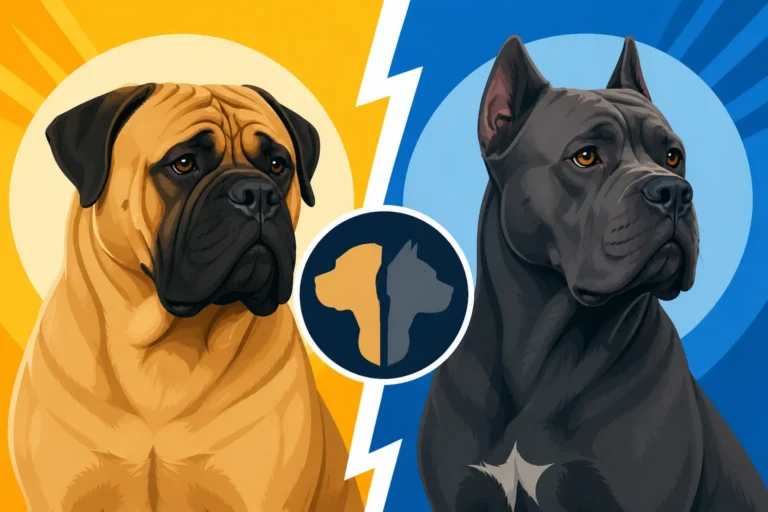
The commonly cited ratio for the Bullmastiff's creation is 60% Mastiff and 40% Bulldog. This wasn't just arbitrary; it was the result of trial and error among gamekeepers seeking the optimal balance. The Mastiff contributed the necessary size, substantial bone, protective instincts, and a generally calm, imposing demeanor. This provided the bulk and presence needed to intimidate and hold a man. The Bullmastiff Is Sixty Percent Mastiff and Forty Percent Bulldog dives into this genetic heritage.
From the Bulldog, the emerging Bullmastiff inherited its courage, tenacity, athleticism, and a lower center of gravity for powerful, quick movements. The Bulldog also passed on its famed bite strength, which, when coupled with the Mastiff's bulk, could be channeled into a firm, non-mutilating grip. This combination resulted in a dog that was large enough to be a formidable deterrent, yet agile enough to pursue and apprehend. It retained the protective instinct of the Mastiff but gained the focused drive and determination of the Bulldog, making it the perfect "catcher's dog."
Stealth and Camouflage
One of the less obvious but equally crucial traits bred into the early Bullmastiffs was their color and quiet nature. Many early Bullmastiffs were dark brindle, a pattern that, under the dim light of night or against the backdrop of trees and shadows, provided excellent camouflage. A dark brindle dog could effectively disappear into the landscape, allowing it to approach a poacher unseen until the last possible moment. This enhanced the element of surprise, which was a gamekeeper's most potent weapon. Why Dark Brindle Hid a Bullmastiff at Night explains this tactical advantage.
Complementing their camouflage was their inherent silence. Unlike baying hounds, the Bullmastiff was bred to be a silent operator. They would patrol quietly, their presence undetected, listening and watching for intruders. When a poacher was located, the Bullmastiff would move without barking, ensuring that the poacher was caught unawares. This silent pursuit and apprehension were vital to the effectiveness of the gamekeeper's mission. The ability of The Silent Guard: Why a Bullmastiff Barks So Little directly addressed the critical need for stealth.
The Apprehension Technique
The signature method of apprehension employed by the Bullmastiff was its ability to bring a poacher to the ground and hold them without causing serious injury. This was not a dog that would tear or bite viciously. Instead, its technique involved a powerful, swift charge, knocking the individual off their feet, or grabbing hold of their clothing (such as a sleeve or pant leg) and pinning them down with its considerable weight. The dog would then stand over the poacher, maintaining its hold, preventing escape, and waiting for the gamekeeper to arrive and take over.
This specialized holding technique, as discussed in What a Gamekeeper Used a Bullmastiff on a Poacher, was precisely what was needed. It was effective in neutralizing the threat of a fleeing or struggling poacher, allowing the gamekeeper to safely approach and take control. The dog served as a living handcuff, an immovable anchor until human authority could be asserted. This method was effective, humane by the standards of the time, and strategically superior to dogs that would simply attack with uncontrolled aggression.
Life as a Gamekeeper's Canine Partner
The Bullmastiff wasn't just a tool; it was a living, breathing partner in a perilous occupation. The relationship between a gamekeeper and their night dog was one of intense trust, mutual reliance, and unspoken understanding, forged in the crucible of long, dangerous nights.
Training and Loyalty
Training a Bullmastiff for its gamekeeping duties was a serious undertaking, far more intensive than basic obedience. It began from puppyhood, instilling obedience, discipline, and the specific "hold" command. The puppies were taught to ignore game animals, focusing solely on human intruders. They learned to work silently, to track, to differentiate between friend and foe, and to respond instantly to the gamekeeper's commands, often given subtly through hand signals or low whispers. This demanding training was crucial for a dog that weighed more than its handler, as highlighted in Training a Bullmastiff That Weighs More Than You Do.
The result was an unparalleled bond built on the understanding that each relied on the other for survival. The Bullmastiff's loyalty to its gamekeeper was absolute. It would fearlessly confront danger, knowing its handler was right there. This deep bond wasn't just functional; it became an emotional anchor for the gamekeeper during solitary, stressful patrols. Today, while we don't train our Bullmastiffs to catch poachers, that innate loyalty and desire to work with their human remains a hallmark of the breed, a trait often sought by owners looking for a devoted companion. Modern owners can find excellent training resources and tools, from sturdy leashes to puzzle toys, on platforms like Chewy, to channel this intelligence and bond.
The Gamekeeper's Best Tool
In an era before advanced surveillance or communication technology, the Bullmastiff was the gamekeeper's most effective and versatile tool. It was an early warning system, a deterrent, a tracker, and an apprehending officer all rolled into one powerful package. Its physical presence alone could discourage some poachers, and its silent, swift action ensured that those who risked it were caught.
The Bullmastiff's effectiveness drastically reduced poaching incidents on estates where they were employed. Gamekeepers could patrol with greater confidence, knowing they had a formidable ally. The dog allowed them to cover larger areas more efficiently and to enforce the law more effectively and safely than they ever could alone. They were literally the difference between a thriving game preserve and one continually plundered. The investment in such a dog was well worth it for landowners and gamekeepers alike, safeguarding valuable resources.
Beyond the Night Watch
While their primary role was guarding against poachers, the Bullmastiff was more than just a night watchman. These dogs lived with their gamekeepers, often becoming integral members of the household, albeit with a clear understanding of their job. After a night of patrolling, they would rest, often curled up close to their human family. This duality of fierce protector and devoted companion is still characteristic of the breed today. They needed a stable environment and proper care to perform their duties optimally, much like any working dog. Even in the 19th century, gamekeepers would have sought out the best available nutrition for these large, powerful animals, recognizing that their health was tied directly to their effectiveness. Today, finding appropriate large breed food and supplements, perhaps joint support to maintain their robust physique, is simple through trusted retailers like Chewy. The breed's ability to switch from intense duty to calm companionship made them truly remarkable. They were not just machines; they were intelligent, loyal animals who understood their place and purpose within the gamekeeper's world.
| Trait / Need | Mastiff (Limitations) | Bulldog (Limitations) | Bullmastiff (Solution) |
|---|---|---|---|
| Stealth | Too prone to bark, slow | Can be noisy, may alert | Silent hunter, bred not to bark |
| Speed/Agility | Too slow for pursuit | Short bursts, but limited range | Swift bursts, good stamina for pursuit |
| Strength/Bulk | Powerful, but cumbersome | Tenacious, but lacked sheer bulk | Imposing strength, heavy to pin and hold |
| Apprehension | Could deter, but not agile enough | Aggressive bite, potential injury | Holds without mauling ("hold, don't harm") |
| Temperament | Loyal, but could be stubborn | Fierce, but potentially over-aggressive | Courageous, biddable, discerning, loyal |
| Camouflage | Variable colors | Variable colors | Often dark brindle for night concealment |
Disclaimer
This article is for general informational purposes only and does not constitute professional advice. Laws, prices and regulations vary by location and change over time. Consult a qualified professional for guidance on your specific situation.