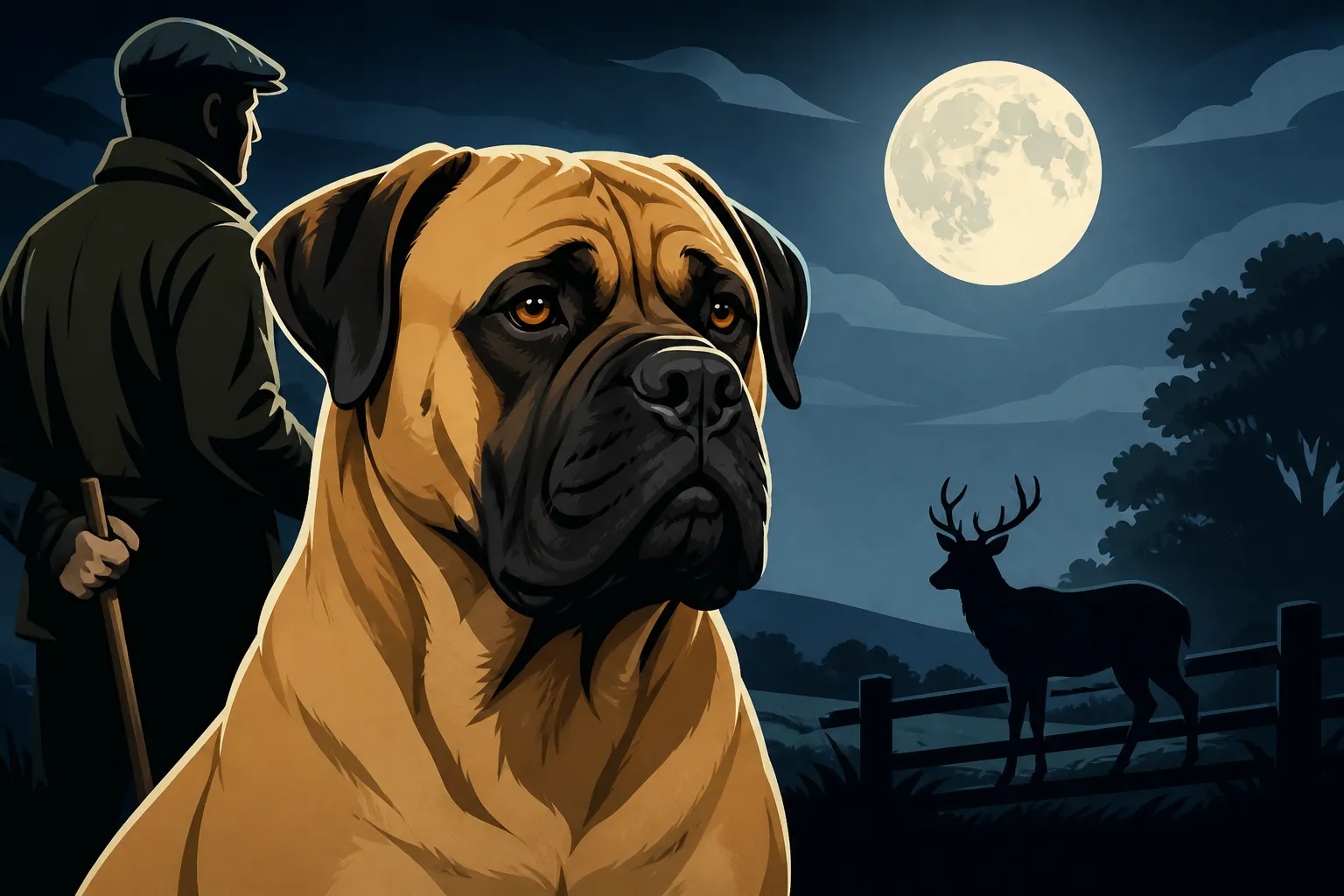
Why Gamekeepers Needed a Dog That Worked at Night
It’s easy to look at a majestic Bullmastiff today, lounging on a sofa or calmly overseeing a household, and forget their rugged origins. But these magnificent dogs weren't always cherished family pets; they were once the silent, formidable partners of gamekeepers, essential for protecting vast estates under the shroud of night. This guide dives deep into the dangerous world these dogs inhabited, revealing exactly why gamekeepers desperately needed a canine companion uniquely equipped for the shadows.
The Perilous Landscape of Poaching and Gamekeeping
Imagine a time before electric fences and sophisticated surveillance, when the wealth of an estate was often measured by the abundance of game on its lands. For centuries, these animals—deer, pheasants, rabbits—weren't just wildlife; they were a critical economic resource, providing food, sport, and income. This made them prime targets for poachers, individuals who, driven by desperation or greed, sought to steal from these often-unprotected resources.
The Economic Impact of Poaching on Estates
For the landed gentry of England, poaching wasn't just a minor annoyance; it was a severe drain on their livelihood. A single poached deer represented a significant loss of meat and potential profit, while repeated raids on game birds could decimate breeding populations, impacting future harvests and sporting events. These weren't isolated incidents of a hungry individual snatching a rabbit; organized poaching gangs often operated, well-versed in evading detection and sometimes armed. The financial repercussions for estate owners were substantial, prompting a desperate need for effective protection. Imagine managing a business where your inventory was constantly being stolen, and you couldn't secure your premises with modern locks. That was the challenge these landowners faced, and the pressure on their gamekeepers was immense.
The Gamekeeper's Role and the Need for Vigilance
Enter the gamekeeper, a figure both respected and feared, whose life was intrinsically tied to the land and its creatures. Their job was far more than just managing game populations; they were the first, and often only, line of defense against poachers. It was a demanding, solitary, and often dangerous profession, requiring unwavering vigilance, especially during the hours of darkness when poachers preferred to operate. A gamekeeper's patrols were long, cold, and fraught with potential confrontations. They needed a partner who could cover ground silently, detect intruders before they struck, and, if necessary, confront a potentially desperate and dangerous individual. The legal framework of the time granted gamekeepers significant authority, including the power to apprehend poachers, but executing this power alone against multiple adversaries in the dead of night was a perilous undertaking. They weren't just looking for trespassers; they were actively guarding against theft, and sometimes, violence.
Why Night Work Demanded a Specialized Canine Partner
The specific challenges of night patrols meant that a standard farm dog or a purely aggressive breed simply wouldn't cut it. Gamekeepers needed a dog that was a master of stealth, a silent shadow, yet possessed the physical capability to deter or apprehend without resorting to lethal force.
Stealth Over Sound: The Advantage of a Silent Approach
One of the most crucial requirements for a gamekeeper's dog was silence. A barking dog, while alerting the owner to an intruder, would also immediately alert the poacher, giving them ample time to escape, hide, or prepare for confrontation. The goal was always surprise, to catch the poacher unaware before they could flee or become aggressive. This is why the Bullmastiff was so perfectly suited. They were bred to work quietly, using their keen senses to locate an intruder and then approach without a sound. Their natural inclination was to observe, to stalk, and to confront directly when commanded, rather than announcing their presence with a flurry of barks. This silent approach was a game-changer, allowing gamekeepers to gain the upper hand. If you've ever spent time with a Bullmastiff, you'll notice their quiet demeanor; they aren't typically nuisance barkers, a trait that directly traces back to their original job. It's a key reason for The Silent Guard: Why a Bullmastiff Barks So Little. This innate quietness meant fewer missed opportunities and a higher success rate in their dangerous nightly duties.
Power and Presence in the Dark
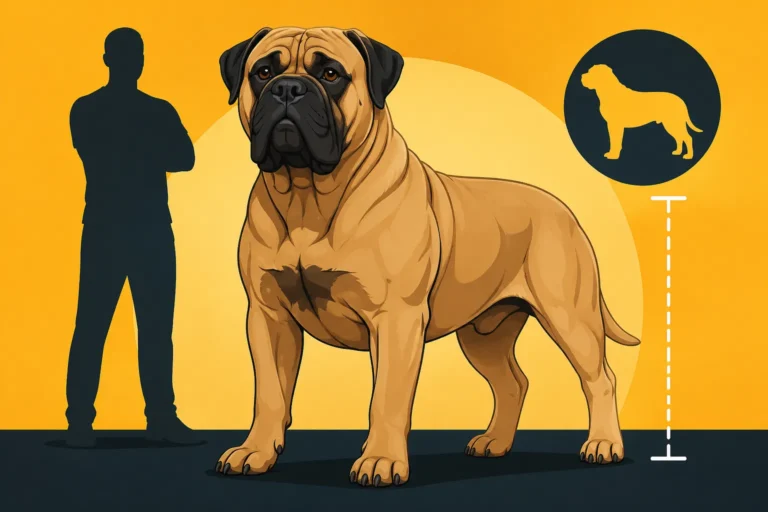
Beyond silence, the dog needed to be physically imposing. Poachers were not always deterred by a small, yappy dog; they were often strong, determined men who might be carrying weapons. A Bullmastiff's sheer size and powerful build served as an immediate deterrent. Weighing well over a hundred pounds, these dogs commanded respect and instilled fear. Their purpose was not to maul or injure the poacher but to pin them down, to hold them until the gamekeeper arrived. This "holding" instinct is central to the breed's history. They were bred to use their weight and strength to incapacitate rather than attack, a critical distinction that saved lives on both sides. This is why A Bullmastiff Was Bred to Hold a Man, Not Bite Him. The idea was to subdue, not destroy, and the Bullmastiff excelled at this controlled application of force. Imagine encountering such a powerful dog in the pitch black of night; the psychological impact alone would be immense. For supplies that support a strong, healthy Bullmastiff, even today, many owners turn to retailers like Chewy for durable harnesses and leashes.
The Unique Qualities That Made the Bullmastiff Ideal for Night Patrols
The combination of the Mastiff's bulk and the Bulldog's tenacity resulted in a dog perfectly engineered for the gamekeeper's specific, often harrowing, needs. Every aspect of their physical and temperamental makeup was finely tuned for their role as guardians of the night.
Keen Senses in Low Light Conditions
While dogs, in general, have superior senses to humans, the Bullmastiff's specific combination of sight, smell, and hearing was paramount for its night work. Their eyes, adapted for low-light conditions, allowed them to navigate dense woodland and open fields with ease, spotting movement that would be invisible to a human eye. More importantly, their acute sense of smell could pick up the faint scent of a human intruder from a considerable distance, even against the backdrop of natural animal scents. Their hearing, too, was a finely tuned instrument, capable of discerning the rustle of leaves that wasn't caused by a deer or the distant snap of a twig indicating human presence. This allowed them to detect poachers long before any human could, giving the gamekeeper a critical advantage and time to strategize their approach. The ability to process these subtle cues was vital for safety and success, allowing the dog to act as an early warning system and a silent tracker.
Temperament for a Difficult Task
A truly effective gamekeeper's dog needed more than just physical prowess; it required a very specific temperament. They had to be fearless, courageous enough to confront a potentially armed man, but also incredibly stable, discerning, and controllable. An overly aggressive dog would be a liability, prone to indiscriminate attacks, while a timid one would be useless. The Bullmastiff was bred for a unique balance: immense protective instinct coupled with a calm, discerning nature. They were taught to assess a situation, to differentiate between a casual wanderer and a genuine threat. This deliberate, thoughtful approach is what earned them the nickname "The Gamekeeper's Night Dog." They wouldn't rush in blindly; instead, they would wait for the gamekeeper's command, or make a calculated move. This incredible mental fortitude is part of what makes The Bullmastiff That Pauses to Decide Whether You Are Worth It. They needed to be completely loyal and dedicated to their handler, understanding implicitly when to act and when to remain still.
Camouflage in the Night: Coat Color and Visibility
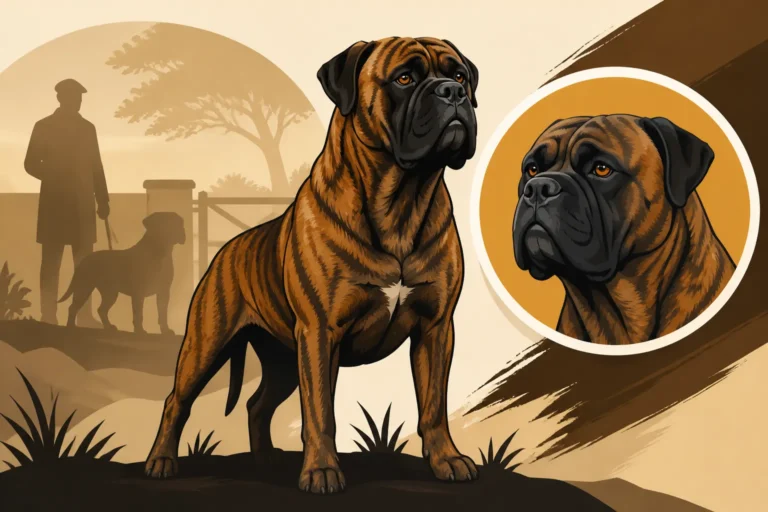
It might seem like a small detail, but even the Bullmastiff's original coat color played a strategic role in its nocturnal duties. Early Bullmastiffs were often dark brindle, a pattern of dark stripes on a lighter background that, paradoxically, provided excellent camouflage in the shadows and dappled moonlight of the English countryside. A solid fawn dog would stand out under certain conditions, but the broken pattern of the brindle coat helped them blend seamlessly into the dense undergrowth and against the trunks of trees. This natural camouflage made them incredibly difficult for a poacher to spot, even if they were actively looking. Being unseen meant the element of surprise was maintained, which was crucial for their effectiveness and the safety of both the dog and the gamekeeper. This strategic choice in breeding is a fascinating aspect of their history, explaining Why Early Bullmastiffs Were Bred Dark Brindle.
Beyond the Night Watch: The Bullmastiff's Lasting Legacy
While the heyday of the gamekeeper's night dog may be a romanticized chapter in history, the traits honed during that era continue to define the Bullmastiff we know and love today. Their transition from estate guardian to beloved family companion wasn't accidental; it was a natural evolution of their inherent qualities.
Transition to Family Companion
As poaching became less prevalent and the needs of large estates changed, the Bullmastiff's original job began to wane. However, the very characteristics that made them exceptional night guardians—their quiet nature, their discerning temperament, their unwavering loyalty, and their protective instincts—made them highly desirable as family protectors. A dog that could silently guard a vast property in the dark was perfectly capable of quietly overseeing a home and family. Their imposing presence alone was often enough to deter unwanted visitors, while their gentle nature with their own family members made them a contradiction many learned to adore. They proved that a strong guardian could also be a loving companion. This shift from working dog to household pet perfectly illustrates how The Household a Bullmastiff Was Built For was not just about physical space, but about emotional security and protection. Owners today still appreciate their calm presence and natural instinct to keep their loved ones safe. For everything from comfortable beds to sturdy leashes, modern Bullmastiff owners often find what they need at online stores like Chewy.
Modern Relevance of Historical Traits
Today, while few Bullmastiffs are actively "working" as gamekeeper's dogs, their historical traits remain deeply embedded. Their quiet vigilance means they are often excellent watchdogs without being nuisance barkers, a huge bonus for neighbors. Their impressive size and formidable presence continue to serve as a natural deterrent, making them an excellent choice for those seeking a guardian that doesn't necessarily need to be overtly aggressive. However, their size and strength also mean they require consistent, firm, and patient training from a young age. A Bullmastiff that outweighs you needs to be taught proper leash manners and obedience, a challenge that many owners underestimate, highlighting the importance of Training a Bullmastiff That Weighs More Than You Do. Understanding their heritage helps owners appreciate their deliberate nature, their tendency to "think" before acting, and their profound loyalty to their chosen people. It gives us insight into why they act the way they do, even when their daily "job" is simply to be a cherished member of the family.
Here's a quick comparison of the unique challenges and canine solutions for a gamekeeper's night watch:
| Challenge Faced by Gamekeeper | Human Limitations | Bullmastiff's Advantage |
|---|---|---|
| Detecting Intruders | Limited night vision, poor scent detection, easily distracted. | Superior night vision, acute sense of smell and hearing, focused attention. |
| Silent Approach | No inherent ability to move silently, prone to making noise. | Naturally quiet movement, inherent stealth, bred not to bark. |
| Confronting Threats | Vulnerable alone, risks personal injury, limited physical deterrence. | Imposing size and strength, "hold" instinct, psychological deterrent. |
| Staying Hidden | Visible silhouette, cannot blend easily in darkness. | Dark brindle coat for natural camouflage in shadows and brush. |
| Endurance & Vigilance | Fatigue sets in, attention wanes over long hours. | High stamina for patrolling, unwavering focus and loyalty to task. |
| Risk of Escape | Poachers can flee quickly in the dark. | Can track and cover ground rapidly to intercept and hold. |
In essence, the Bullmastiff was the perfect answer to What a Gamekeeper Needed a Night Dog For. They provided protection, deterrence, and apprehension capabilities that no human, or less specialized dog, could match in the demanding environment of the Victorian and Edwardian era English countryside.
Disclaimer
This article is for general informational purposes only and does not constitute professional advice. Laws, prices and regulations vary by location and change over time. Consult a qualified professional for guidance on your specific situation.