Caring for a Bullmastiff Past Six
Watching your majestic Bullmastiff slow down can be one of the toughest parts of sharing your life with these incredible giants. They don't seem to age in the typical dog way, instead, it feels like one day they're a playful powerhouse, and the next, they're stiff, a little slower to rise, and their once vibrant coat might have a touch more gray. This guide is all about helping you navigate those precious senior years, providing practical advice, empathetic understanding, and actionable steps to ensure your Bullmastiff enjoys their golden years with comfort, dignity, and joy.
Understanding the Bullmastiff Senior Years
It’s a bittersweet reality that our beloved Bullmastiffs, like all large and giant breeds, tend to have shorter lifespans than their smaller counterparts. This means that while some breeds are still in their prime at six or seven, our Bullmastiffs are already entering a new phase of life. Understanding what to expect during these senior years is crucial for providing the best care.
When Does a Bullmastiff Become a Senior?
For a Bullmastiff, "senior" doesn't necessarily mean frail or doddering, but it does mark a significant shift in their needs and capabilities. Generally, a Bullmastiff is considered senior around the age of six or seven years old. This might seem young to some, especially if you're used to smaller breeds living well into their teens. However, the sheer size and rapid growth rate of a Bullmastiff put unique stresses on their body throughout their life, leading to an accelerated aging process. While the average lifespan for a Bullmastiff is around eight and a half years, some may show signs of aging earlier, while others remain quite spry past this mark. It’s a sad fact, but our big, beautiful dogs compress a lifetime of love and living into fewer years. You can learn more about The Age a Bullmastiff Is Considered Senior for more specific insights.
It's also important to remember that this isn't a hard and fast rule set in stone for every single dog. Some Bullmastiffs, thanks to excellent genetics, meticulous care, and a bit of luck, might not start showing pronounced senior signs until closer to eight or nine. On the other hand, a Bullmastiff with a history of orthopedic issues or certain chronic illnesses might begin exhibiting senior behaviors and needs closer to five or six. The key is to know the general guideline, but more importantly, to observe your individual dog. Their body language, energy levels, and daily routines are the best indicators of where they are on their aging journey.
What often happens is a gradual transition. You might not wake up one day to a completely "senior" dog. Instead, you'll notice subtle changes accumulating over months. Perhaps they take a little longer to settle into a comfortable position, or their morning stretch isn't quite as enthusiastic. These small shifts are your Bullmastiff's way of telling you that their body is changing, and it's time for you, their devoted caretaker, to adjust your approach to their care.
The Subtle Signs of Aging You Might Miss
Bullmastiffs are notoriously stoic, a trait that stems from their guarding heritage. They were bred to be tough and not outwardly show weakness, and this can extend to how they cope with discomfort or the natural decline of age. Because of this, the early signs of aging can be very subtle and easily overlooked if you're not paying close attention. It might be a slight hesitation before jumping into the car, a preference for lying in softer spots, or simply a reduction in their usual playful antics. They might still greet you with a wagging tail, but the entire body wiggle might be less pronounced, or they might tire more quickly during a short walk.
Another common, yet often missed, sign is a change in their sleep patterns. Your senior Bullmastiff might sleep more deeply during the day but seem restless at night, pacing or having trouble finding a comfortable spot. Their eyes might start to cloud slightly, a condition known as lenticular sclerosis, which is a normal part of aging and doesn't usually impair vision significantly, but can sometimes be confused with cataracts. Their coat might thin a little or become coarser, and you might notice more gray hairs around their muzzle and eyes, which is usually the first visible sign of their "wisdom." Sometimes, they might just seem a little "off" – a bit quieter, less engaged, or simply not themselves. These small changes, when viewed together, tell a story of an aging dog.
It’s not just physical changes you might observe. Cognitive decline can also manifest in subtle ways. Your Bullmastiff might start to forget house training rules they've known their entire life, or they might seem disoriented in familiar surroundings. They might stare blankly at a wall, or respond more slowly to their name. These moments are often fleeting at first, but they can become more frequent as time goes on. It's a heartbreaking realization when your clever, loyal companion seems to lose a piece of their sharp mind, and it often highlights just how much has changed in your Bullmastiff after six. Recognizing these subtle shifts early allows you to address them with your veterinarian and adapt your care to support them.
Nutritional Adjustments for the Aging Bullmastiff
Just like with people, an aging Bullmastiff's dietary needs change significantly. What worked for their younger, more active years might now contribute to weight gain or fail to provide the targeted support their senior body requires.
Tailoring Diet to Slower Metabolisms
As your Bullmastiff ages, their metabolism naturally slows down. They're often less active, spending more time napping and less time running or roughhousing. If you continue to feed them the same amount of their regular adult dog food, they're highly likely to start gaining weight. This isn't just about aesthetics; excess weight puts immense strain on their already aging joints, can exacerbate existing health conditions, and significantly reduces their overall quality of life and potentially their lifespan. It's crucial to transition them to a diet specifically formulated for senior dogs or for weight management, which typically contains fewer calories but still provides ample protein and essential nutrients.
A senior dog food generally features a reduced fat content, a moderate increase in easily digestible protein to help maintain muscle mass without overworking the kidneys, and often includes added fiber to aid digestion and promote satiety. When considering how many cups a day an adult Bullmastiff eats, you'll likely find that a senior Bullmastiff needs less, or a lower-calorie formula to maintain their ideal weight. My old boy, Buster, started packing on pounds around seven, despite no change in his food portions. Switching him to a high-quality senior formula and slightly reducing his intake, combined with consistent, gentle walks, helped him shed those extra pounds and move much more comfortably. It's about feeding for the dog they are now, not the puppy they once were.
This dietary adjustment isn't just about calorie restriction; it's about nutrient density. Look for foods that prioritize high-quality protein sources, as maintaining muscle mass is critical for supporting their joints and overall mobility. Many senior formulas also include ingredients like L-carnitine, which aids in fat metabolism. Remember that transitioning to a new food should always be gradual, over 7-10 days, to avoid upsetting their digestive system. Start by mixing a small amount of the new food with their old food, gradually increasing the proportion of the new food each day until they are fully transitioned. This helps their system adapt and prevents any unnecessary tummy troubles.
Supplements for Joint Health and Overall Vitality
While a balanced diet is foundational, many senior Bullmastiffs benefit immensely from targeted supplements, especially for joint health. Their large, heavy frames mean their joints have been working overtime for years, and the cartilage naturally starts to wear down, leading to conditions like arthritis. Supplements containing glucosamine and chondroitin are widely recognized for their role in supporting cartilage health and reducing inflammation. Omega-3 fatty acids, particularly EPA and DHA found in fish oil, are powerful natural anti-inflammatories that can help soothe aching joints and also benefit skin, coat, and cognitive function.
Beyond joint support, other supplements might be beneficial depending on your Bullmastiff’s specific needs. Antioxidants like Vitamin E and C can help combat cellular damage from aging, and some veterinarians recommend probiotics to support gut health, which can sometimes become more sensitive in older dogs. Medium-chain triglycerides (MCTs) from sources like coconut oil are also being explored for their potential to support brain health and cognitive function in aging dogs. However, and this is a big however, always discuss any supplements with your veterinarian before introducing them. What works for one dog might not be appropriate for another, and it’s essential to ensure there are no contraindications with any existing medications or health conditions. You can also get an idea of What Joint Supplements Cost for a Bullmastiff.
It’s not just about popping pills or adding oils; it’s about a comprehensive approach. For our Bullmastiff, Daisy, who started showing signs of hip discomfort around age seven, a combination of a senior diet, a high-quality joint supplement with glucosamine and MSM, and monthly injections from the vet made a noticeable difference. Within a few weeks, she was able to navigate the stairs with less grunting and seemed genuinely more comfortable during her afternoon naps. Remember, supplements are just that—supplements—and should complement a wholesome diet and regular veterinary care, not replace them. The goal is to provide their body with all the building blocks it needs to function as optimally as possible in its later years.
Managing Mobility and Joint Health
One of the most heartbreaking aspects of watching your Bullmastiff age is seeing their once effortless movements become stiff and painful. Joint health is paramount for these heavy giants, and managing their mobility is key to their comfort and quality of life.
Recognizing and Alleviating Arthritis Pain
Arthritis, or osteoarthritis, is an almost inevitable part of aging for many large breed dogs, and Bullmastiffs are particularly susceptible due to their sheer size and predisposition to conditions like hip and elbow dysplasia. Watching your majestic Bullmastiff struggle to get up after a nap, or hesitate before climbing a single step, is truly heartbreaking. Signs of arthritis can include stiffness, especially after resting, limping, reluctance to play or jump, a decreased range of motion, and even changes in temperament due to chronic pain. They might be less enthusiastic about walks or show signs of discomfort when touched in certain areas. Sometimes, they might lick excessively at a painful joint.
Fortunately, there are many ways to manage arthritis pain and improve your Bullmastiff's comfort. Non-Steroidal Anti-Inflammatory Drugs (NSAIDs), prescribed by your veterinarian, are often the first line of defense, effectively reducing pain and inflammation. Newer medications, like Librela, a monthly injectable antibody treatment, offer another powerful option for pain relief. Beyond pharmaceuticals, joint injections, such as Adequan (polysulfated glycosaminoglycan), can help slow cartilage degradation and stimulate repair. Physical therapy, including underwater treadmill sessions, therapeutic exercises, and massage, can also significantly improve strength, flexibility, and overall mobility. Cold laser therapy and acupuncture are gaining popularity as complementary treatments.
When you notice your Bullmastiff's hips hurt or they struggle to rise, don't delay in speaking to your vet. Early intervention is critical to slow the progression of arthritis and keep your dog comfortable for as long as possible. Remember, a Bullmastiff often hides pain, so by the time you're seeing obvious signs, they might have been hurting for a while. We learned this the hard way with our gentle giant, Thor, who developed severe arthritis in his elbows. Once we got his pain under control with a combination of medication and physical therapy, his whole demeanor changed; he was happier, more engaged, and enjoyed his walks again. Regular check-ups are vital for identifying these issues before they become debilitating, ensuring you can truly take Caring for a Bullmastiff Past Six seriously.
Providing Physical Support and Comfort
Beyond medical treatments, making modifications to your home environment can dramatically improve your senior Bullmastiff's quality of life. An orthopedic dog bed is no longer a luxury but a necessity. These beds are designed with supportive foam that cradles their heavy bodies, relieving pressure points and providing crucial cushioning for aching joints. A regular fluffy bed just won't cut it for a hundred and thirty-pound Bullmastiff. We invested in a good quality orthopedic bed early on, and it made a world of difference for Daisy's hips, preventing the stiffness she used to experience after sleeping on the floor.
Ramps or dog stairs can become invaluable, especially for getting into and out of cars, or onto furniture if you allow it. Trying to lift a large, arthritic Bullmastiff can be dangerous for both you and your dog. Non-slip rugs or runners on hardwood or tile floors can prevent painful slips and falls, which can easily exacerbate joint problems. Many older Bullmastiffs struggle with traction, particularly on slick surfaces. Additionally, mobility harnesses or slings can provide crucial assistance for owners helping their dogs up from lying down, navigating a few stairs, or simply providing extra stability during walks. These tools distribute weight evenly and prevent undue strain on delicate joints.
Consider also the placement of their food and water bowls. For some arthritic dogs, bending down to eat or drink can be uncomfortable. Raised bowls can alleviate neck and back strain, making mealtime a much more pleasant experience. Small adjustments, like these, might seem minor individually, but together they create an environment that supports your Bullmastiff's declining mobility, allowing them to move with greater ease and less pain. It’s all about anticipating their needs and making their world as comfortable and accessible as possible.
Addressing Common Senior Health Issues
As Bullmastiffs enter their golden years, they become more susceptible to a range of health conditions. Proactive monitoring and timely veterinary intervention are critical for managing these challenges and preserving their quality of life.
Increased Cancer Risk in Older Bullmastiffs
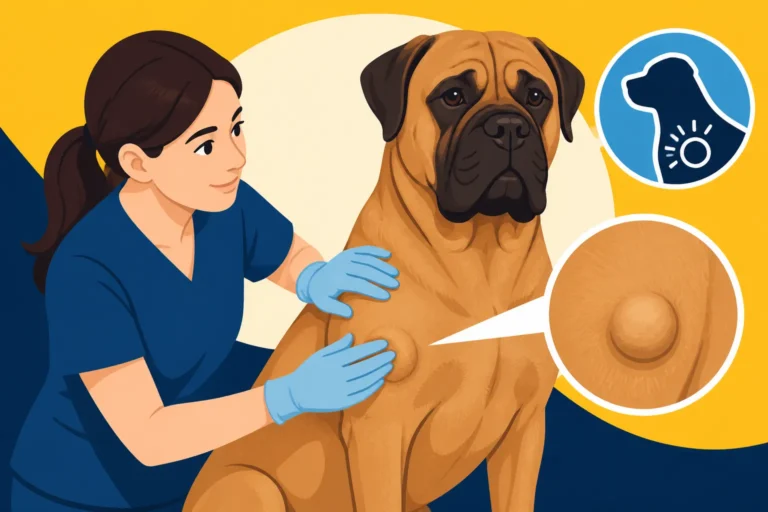
It’s a heartbreaking reality that cancer is a leading cause of death in Bullmastiffs, and the risk significantly increases as they age. Conditions like lymphoma, osteosarcoma, and hemangiosarcoma are tragically common. We've written extensively on topics like Lymphoma Kills More Bullmastiffs Than Anything Else because it's such a pervasive and devastating disease in the breed. Mast cell tumors are another frequent concern, often presenting as lumps on or under the skin, which is why understanding Mast Cell Tumors and the Lumps on a Bullmastiff is so important.
The best defense against cancer is diligent observation and regular veterinary check-ups. Familiarize yourself with your Bullmastiff’s normal body, and conduct weekly "lump checks," feeling over their entire body for any new growths, bumps, or swollen lymph nodes. Pay attention to changes in appetite, unexplained weight loss, lethargy, or any persistent cough or lameness, as these can all be subtle indicators of internal cancers. If you find anything suspicious, get it checked by your vet immediately. Early detection often leads to more effective treatment options and potentially extends their quality of life.
Many senior Bullmastiffs will face a cancer diagnosis at some point, and it’s a terrifying prospect. Discussing options with a veterinary oncologist can provide clarity and hope, even if the prognosis is guarded. Treatments range from surgery to chemotherapy and radiation, depending on the type and stage of cancer. While it can be an expensive journey, this is where having pet insurance like Healthy Paws can be an absolute lifesaver, helping to cover significant portions of diagnostic tests, treatments, and specialist consultations, allowing you to focus on your dog's care rather than the overwhelming financial burden. They often pay out 90% of covered bills after your deductible, which can really ease the stress during such a difficult time.
Monitoring Heart Health and Other Organ Function
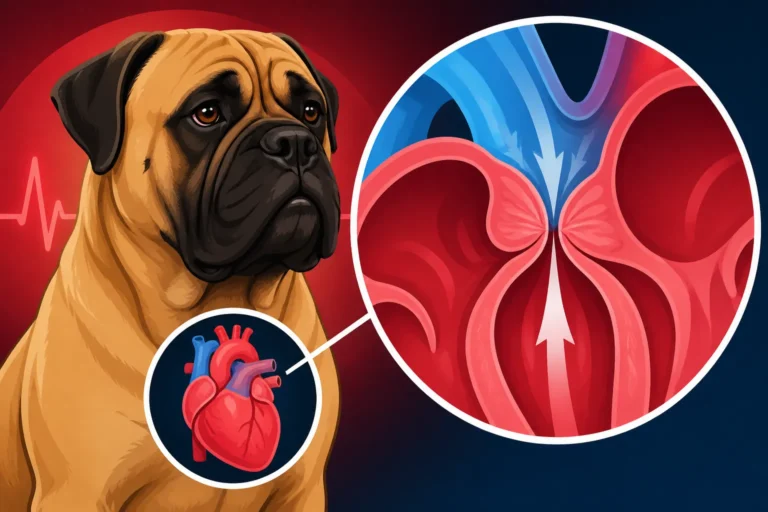
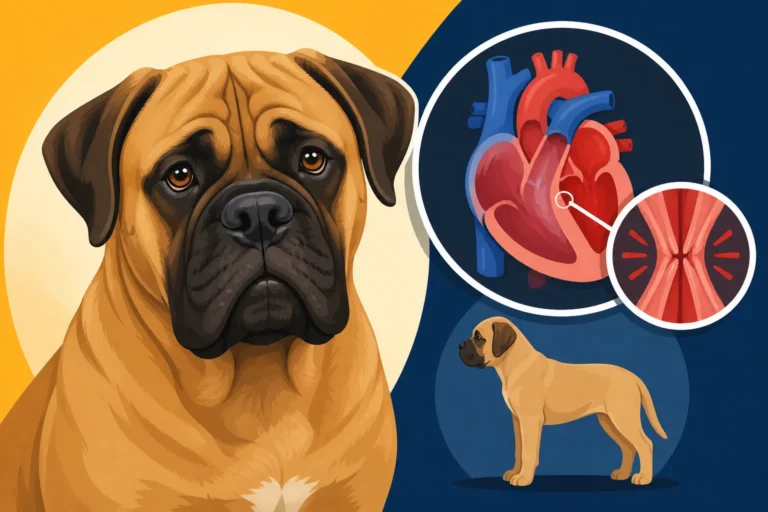
Beyond cancer, older Bullmastiffs are also at risk for various other age-related conditions, particularly those affecting the heart, kidneys, and thyroid. Dilated cardiomyopathy (DCM) and subaortic stenosis can worsen with age or become more symptomatic, leading to congestive heart failure. Signs to watch for include persistent coughing, difficulty breathing, decreased exercise tolerance, weakness, and fainting spells. We learned the hard way with our gentle giant, Thor, that even slight changes in his breathing could signal heart issues, requiring immediate veterinary attention. Regular cardiac exams, including echocardiograms, are vital for early diagnosis and management of heart disease.
Kidney disease is another common silent threat in older dogs. The kidneys gradually lose their ability to filter waste products from the blood, leading to a buildup of toxins. Symptoms often don't appear until the disease is quite advanced and can include increased thirst and urination, decreased appetite, weight loss, and lethargy. Similarly, hypothyroidism, or an underactive thyroid, can develop or become more pronounced with age, presenting with symptoms like unexplained weight gain, lethargy, a dull coat, and recurring skin issues. Keeping an eye out for Signs a Bullmastiff's Thyroid Has Failed is a smart practice.
Regular blood work and urinalysis, typically performed as part of biannual senior check-ups, are invaluable tools for detecting these conditions early. These tests allow your veterinarian to assess organ function and catch abnormalities before clinical signs become apparent, enabling proactive treatment and management. For example, specific medications and dietary changes can significantly slow the progression of kidney disease, while thyroid medication is very effective for hypothyroidism. Proactive monitoring and prompt action can make a profound difference in the longevity and quality of life for your aging Bullmastiff.
Maintaining Comfort and Quality of Life
As your Bullmastiff steps into their senior years, their comfort becomes paramount. Little things that were once easy for them might now pose challenges, and adapting their care routine can make a huge difference in their daily happiness.
Grooming Adjustments for the Less Agile Dog
Grooming a Bullmastiff has always been a hands-on affair, but as they age, what used to be a quick bath with a hose can become a real ordeal for both of you. Their stiff joints might make standing for prolonged periods uncomfortable, and they might be less tolerant of being handled in sensitive areas. Regular brushing remains important for maintaining a healthy coat and skin, but it also becomes a fantastic opportunity to check for new lumps, bumps, or skin irritations that can crop up in older dogs. A soft rubber mitt or a gentle bristle brush can make the experience more pleasant.
The iconic wrinkles and folds on a Bullmastiff’s face, which were adorable in youth, can become areas of concern in old age. Moisture and debris can accumulate in these folds, leading to skin fold infections, which are painful and itchy. Daily cleaning with a mild, veterinarian-approved wipe or a damp cloth, followed by thorough drying, is crucial. If you notice any redness, discharge, or odor, consult your vet immediately. Additionally, don’t forget their nails. An aging Bullmastiff might not wear down their nails as effectively with less activity, so more frequent nail trims or dremeling are necessary to prevent overgrown nails from causing discomfort or affecting their gait. Long nails can force their toes up, putting strain on their joints, something you really want to avoid in an older dog.
Ear cleaning is another aspect that might need more attention. Older dogs can be more prone to ear infections, especially those with floppy ears like the Bullmastiff, which can trap moisture and debris. Gently cleaning their ears with a vet-recommended solution on a regular basis can help prevent these painful infections. If you notice head shaking, scratching, or a foul odor from their ears, it's time for a vet visit. The goal with senior grooming is less about aesthetics and more about hygiene, comfort, and providing another opportunity for you to connect with your Bullmastiff and check for any health changes.
Environmental Considerations and Temperature Control
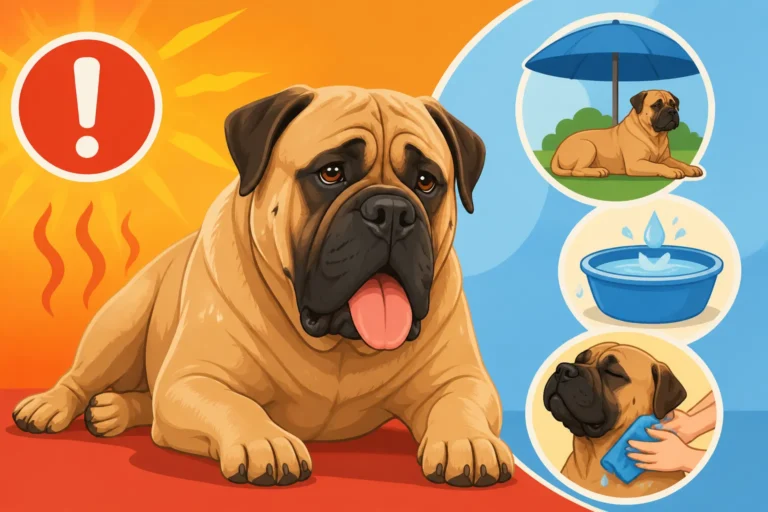
Bullmastiffs are notoriously susceptible to overheating, even in their younger years, due to their brachycephalic (short-nosed) tendencies and dense bodies. As they age, their ability to regulate body temperature can diminish even further. This makes them incredibly vulnerable to heatstroke. Understanding Why Eighty Degrees Is Dangerous for a Bullmastiff is crucial throughout their life, but especially as seniors. During warmer months, access to air conditioning is not a luxury, but a necessity. If you don't have central AC, consider window units in their primary living spaces, or even a cooling mat for them to lie on. Always ensure they have plenty of fresh, cool water readily available.
On the flip side, older Bullmastiffs can also become more sensitive to cold. Arthritis pain can be exacerbated by chilly, damp weather, and their thinner coats might not provide the insulation they once did. During winter, ensure they have a warm, draft-free place to sleep, and consider a comfortable, insulated dog coat for outdoor excursions. Keep walks shorter and during the warmest part of the day if it’s particularly cold. The key is balance: avoiding extremes and providing a stable, comfortable indoor environment year-round.
Beyond temperature, consider other aspects of their living space. Is their favorite napping spot easy to access? Are stairs or slippery floors a barrier? As discussed earlier, orthopedic beds are vital, but think about their placement. A bed near a busy hallway might be too disruptive if they need more undisturbed sleep. A quiet corner where they can retreat and feel secure is ideal. Sometimes, an aging Bullmastiff might start to lose their hearing or eyesight, making familiar surroundings even more important. Avoid rearranging furniture drastically, and use consistent verbal cues or hand signals if their senses are diminishing. Creating a predictable and comfortable environment is a huge part of caring for an aging Bullmastiff.
Veterinary Care: The Cornerstone of Senior Well-being
When your Bullmastiff hits their senior years, regular veterinary care transforms from routine check-ups to vital health maintenance. This proactive approach is the single most important factor in extending their healthy, comfortable lifespan.
The Importance of Biannual Senior Check-ups
For a young, healthy Bullmastiff, an annual wellness exam is generally sufficient. However, once your Bullmastiff is considered senior, around six or seven years of age, most veterinarians recommend biannual (every six months) check-ups. This increased frequency isn't about over-medicalizing; it's a critical strategy for catching age-related issues early. Dogs, especially stoic breeds like Bullmastiffs, are masters at hiding pain and illness until it's quite advanced. A disease process that might take months to show outward signs in a human can progress rapidly in a dog's shorter lifespan. A six-month interval in a dog's life is equivalent to several years in a human's, making these frequent visits essential for proper monitoring. This ties directly into How Often a Bullmastiff Needs a Wellness Exam.
During these biannual senior wellness exams, your veterinarian will conduct a thorough physical examination, paying close attention to their weight, muscle condition, dental health, joint mobility, and any new lumps or bumps. They will also perform routine blood work, including a complete blood count (CBC) and a chemistry panel, to assess organ function (kidneys, liver, thyroid) and look for signs of infection or inflammation. A urinalysis is also a standard part of these check-ups, as it can detect early signs of kidney disease, urinary tract infections, or diabetes. These tests provide a baseline and allow for comparison over time, enabling your vet to spot trends or subtle changes that indicate an emerging health concern long before your Bullmastiff shows obvious symptoms.
This proactive approach is invaluable. For instance, early detection of kidney disease through blood work allows for dietary changes and medications that can significantly slow its progression. Similarly, catching a thyroid imbalance early can prevent a host of secondary issues. This is where insurance like Healthy Paws can really shine, helping with the costs of those frequent checks and diagnostics. Many owners report that having robust pet insurance coverage gave them peace of mind, allowing them to pursue every recommended diagnostic and treatment without the crushing financial stress. It's an investment in your Bullmastiff's longevity and comfort.
Specialized Diagnostics and Treatment Options
When your Bullmastiff enters their senior years, your vet might recommend specialized diagnostics beyond routine bloodwork, especially if clinical signs suggest an issue. For example, if your vet hears a heart murmur during an exam, an echocardiogram performed by a veterinary cardiologist would be recommended to assess the heart's structure and function. If an enlarged lymph node is detected, further investigation with a needle aspirate or biopsy would be crucial to rule out or diagnose lymphoma. X-rays can help assess the severity of arthritis, identify hidden masses, or check for issues like osteosarcoma, a common bone cancer in large breeds.
Ultrasound imaging is another powerful non-invasive tool that can provide detailed views of internal organs, helping to diagnose conditions like organ enlargement, tumors, or fluid accumulation. For cognitive decline, your vet might recommend specific tests to rule out other medical causes for behavioral changes. Don't hesitate to ask your vet about referrals to specialists; sometimes a veterinary oncologist, orthopedist, or internal medicine specialist can offer new perspectives and advanced treatment options that can make a significant difference in your Bullmastiff's quality of life. These specialists often have access to state-of-the-art equipment and the latest research in their respective fields.
While these advanced diagnostics and specialist treatments can be expensive, they offer the best chance for accurate diagnosis and effective management of complex senior health issues. Investing in this level of care can mean the difference between a few months of decline and several more years of comfortable companionship. Again, this is where a comprehensive pet insurance plan, such as those offered by Healthy Paws, can provide invaluable financial support. They understand that aging pets require more frequent and sometimes more costly interventions, and their coverage can help alleviate the burden of unexpected veterinary bills, ensuring you can always make decisions based on what’s best for your beloved Bullmastiff.
Mental and Emotional Support for Your Senior Bullmastiff
As your Bullmastiff ages, it's not just their body that changes; their mind and emotional landscape can shift too. Providing them with mental stimulation and emotional security is just as important as their physical care.
Keeping Their Minds Active and Engaged
Even if your senior Bullmastiff isn’t able to go on long hikes or chase balls like they used to, their minds still crave engagement. Boredom and lack of mental stimulation can lead to cognitive decline and behavioral issues, such as anxiety or excessive barking. Gentle puzzle toys, which dispense treats when manipulated, are excellent for keeping their minds sharp and providing a low-impact activity. Scent work, where they use their powerful noses to find hidden treats or toys, is another fantastic way to engage them without putting strain on their joints. Even though Max wasn't as spry, he still loved his daily 'sniffari' in the backyard, where I'd hide small treats for him to discover.
Maintaining a routine can provide comfort and security for an aging Bullmastiff, especially if they are experiencing some cognitive decline. However, within that routine, try to introduce small, novel experiences. Maybe a new walking route in a quiet park, or a short car ride to a different neighborhood. Gentle training sessions, focusing on commands they already know, or teaching them simple new tricks like "touch" or "bow" can boost their confidence and strengthen your bond. Keep these sessions short, positive, and reward-based, ending before they get tired or frustrated. The goal is to stimulate, not exhaust.
Interaction with familiar people and other calm, respectful dogs can also contribute to their mental well-being. A visit from a beloved grandchild or a quiet play session with a well-behaved dog friend can bring immense joy. Just be sure to supervise these interactions closely and ensure your senior Bullmastiff isn't overwhelmed or put in a situation where they feel uncomfortable or threatened. Their patience might be shorter, and their ability to tolerate boisterous play might be gone. Providing choices, like allowing them to choose where they want to nap or which toy they want to play with, can also empower them and keep their minds engaged.
The Emotional Impact of Aging on Your Bullmastiff and You
Seeing your once powerful, energetic Bullmastiff slow down and perhaps become a little more vulnerable can be incredibly difficult emotionally, both for them and for you. Older Bullmastiffs can experience increased anxiety, especially if their senses are diminishing, or if they're disoriented due to cognitive dysfunction. They might become more clingy, follow you from room to room, or show signs of distress when left alone, even for short periods. Providing extra reassurance, a consistent routine, and a safe, comfortable space can help alleviate some of this anxiety. Your calm presence and loving touch are more important than ever.
It's okay to feel sad and frustrated; seeing your beloved companion slow down is tough. Many owners experience anticipatory grief as they watch their dogs age, mourning the loss of their youthful vibrancy even while their dog is still with them. This is a normal and valid response. Don't feel guilty about these emotions. Lean on your support network, whether it's family, friends, or online communities of Bullmastiff owners who understand what you're going through. Your Bullmastiff also senses your emotions, so while it’s important to acknowledge your feelings, try to project a sense of calm and positivity around them.
The bond you share with your Bullmastiff deepens in these later years. They may not be able to perform amazing feats, but their capacity for love and companionship remains boundless. Take the time to simply be with them: gentle petting, quiet cuddles on the couch, or just sitting beside them. These moments of connection are invaluable for both of you. Cherish every gray hair, every slow wag of the tail, and every contented sigh. These are the precious final chapters of a truly remarkable life shared together, and your unwavering love and emotional support are the greatest gifts you can give them.
Preparing for End-of-Life Decisions
This is perhaps the hardest part of caring for a Bullmastiff past six, or any senior dog. The conversations about quality of life and end-of-life care are agonizing, but facing them with thoughtfulness and compassion is the ultimate act of love for your loyal companion.
Recognizing Declining Quality of Life
One of the most profound challenges of caring for an aging Bullmastiff is recognizing when their quality of life has significantly declined. As responsible pet owners, we want to hold onto our beloved companions for as long as possible, but there comes a point where our desire for their presence must be balanced with their comfort and dignity. There's no single perfect indicator, but rather a combination of factors. The "good days vs. bad days" metric is often a helpful gauge. If the bad days consistently outnumber the good, and their joy in once-loved activities is gone, it’s a sign to pay close attention.
Key areas to evaluate include chronic pain that can no longer be effectively managed with medication, a persistent loss of appetite or refusal to eat favorite foods, severe mobility issues that prevent them from standing or moving comfortably even with assistance, and a lack of interest in interaction with family or their environment. Cognitive dysfunction can also reach a point where your Bullmastiff is consistently disoriented, distressed, or losing control of bodily functions, severely impacting their dignity. It’s crucial to be honest with yourself and to consult with your veterinarian, who can provide an objective perspective on their physical condition and prognosis. They can help you assess pain levels and overall well-being from a medical standpoint.
This is a deeply personal decision, and there will be no easy answer. You might feel immense guilt, sadness, and even anger. These feelings are normal. Remember the unconditional love your Bullmastiff has given you, and recognize that sometimes the greatest act of love is to relieve their suffering. It's about ensuring their remaining time is truly quality time, free from chronic discomfort or distress. Open and honest conversations with your family are also important, allowing everyone to process their feelings and contribute to this profound decision.
Planning for a Peaceful Farewell
Having a conversation with your vet about end-of-life care, even when your Bullmastiff is still doing well, is a loving act of preparedness. Understanding the options available can reduce stress and allow for a more peaceful experience when the time comes. Your veterinarian can discuss palliative care options that focus on pain management and comfort, helping to maintain quality of life for as long as possible. They can also explain the euthanasia process in detail, alleviating fears about what to expect. Knowing these details in advance allows you to focus solely on your Bullmastiff during their final moments.
Many veterinary clinics now offer at-home euthanasia services, which can be a deeply compassionate option for large dogs like Bullmastiffs who might be anxious at the vet or struggle with mobility. Allowing them to pass peacefully in the comfort and familiarity of their own home, surrounded by their loved ones, can make a significant difference. Discuss these possibilities with your vet, and make arrangements in advance if this is something you’d prefer. Considering arrangements for your Bullmastiff's remains, whether cremation or burial, can also be done ahead of time, ensuring these practical decisions don't overshadow your grief in the immediate aftermath.
Grieving the loss of a Bullmastiff is profound. They are family members, and their absence leaves a huge void. Allow yourself to grieve, and don't feel pressured to "get over it." Support groups for pet loss, online communities, or even a trusted friend can provide comfort during this difficult time. Cherish the memories, the quiet moments, and the boundless love they brought into your life. The years you spent with your Bullmastiff, though sometimes too few, were a gift, and providing them with a dignified and peaceful end is the final, loving gesture in your journey together.
Senior Bullmastiff Care Comparison
To help illustrate the shifting needs, here's a quick comparison of care for an adult Bullmastiff versus a senior Bullmastiff.
| Care Aspect | Adult Bullmastiff (2-5 years) | Senior Bullmastiff (6+ years) |
|---|---|---|
| Exercise Needs | Moderate to high; daily walks, playtime, some running | Gentle, shorter walks; mental stimulation; avoid high-impact |
| Diet | High-quality adult large breed formula, fed to maintain ideal weight | Senior or weight-management formula, lower calories, higher protein, joint-supportive ingredients |
| Veterinary Visits | Annual wellness exams, vaccinations | Biannual wellness exams (every 6 months), comprehensive bloodwork/urinalysis, regular pain assessments |
| Joint Care | Proactive prevention with proper diet; supplements as needed | Essential: prescription pain relief (NSAIDs, Librela), joint supplements, physical therapy, orthopedic bedding, ramps/non-slip surfaces |
| Monitoring | General health, weight, behavior | Daily lump checks, dental health, vision/hearing changes, cognitive function, organ health (heart, kidneys, thyroid) |
| Environment | Durable bedding, safe spaces | Orthopedic beds, ramps, non-slip flooring, consistent temperature control (AC in summer, warmth in winter), quiet retreat area |
| Grooming | Regular brushing, occasional baths, nail trims | More frequent nail trims, gentle brushing, diligent face fold cleaning, ear checks, careful bathing to minimize discomfort |
| Mental Engagement | Training, dog sports, puzzle toys | Low-impact puzzle toys, scent work, short positive reinforcement sessions, familiar routines, gentle interaction |
Disclaimer
The information provided in this article is for general informational purposes only and is not a substitute for professional veterinary advice, diagnosis, or treatment. Always seek the advice of your veterinarian or other qualified animal health provider with any questions you may have regarding a medical condition or the health and well-being of your Bullmastiff. Never disregard professional veterinary advice or delay in seeking it because of something you have read here.