What Happened to a Poacher a Bullmastiff Caught
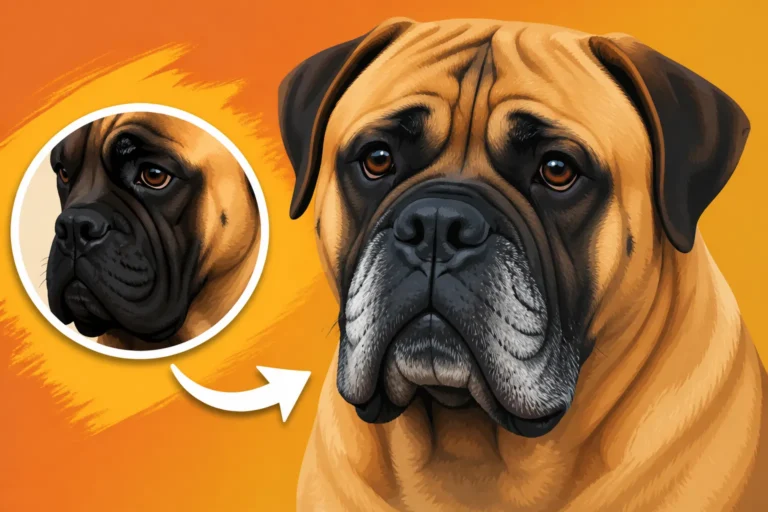
It's a common misconception that all historical guard dogs were bred to viciously attack and injure intruders. For the magnificent Bullmastiff, their original purpose was far more nuanced and, frankly, quite ingenious. This guide will delve into the fascinating history of what exactly transpired when a Bullmastiff caught a poacher in the dim light of a Victorian estate, shedding light on their unique method of apprehension and the consequences for those unfortunate enough to cross their path.
The Historical Role of the Gamekeeper's Night Dog
Imagine a time when the sprawling estates of England were not just symbols of wealth, but also sources of sustenance and livelihood. Poaching wasn't merely a nuisance; it was a serious threat to the landowners and their gamekeepers. This created an urgent need for a canine partner that could deter and apprehend without necessarily causing fatal harm.
Why Poaching Was a Grave Concern
In Victorian England, game, like deer, pheasants, and rabbits, wasn't just for sport. It was a valuable commodity, an important food source, and a status symbol. Gamekeepers, often living on the estate, had the immense responsibility of protecting this resource. When poachers encroached, they weren't just stealing an animal; they were essentially stealing from the estate owner's livelihood and defying the law. These weren't always desperate, starving individuals; sometimes they were organized gangs, armed and dangerous, making the job of a single gamekeeper incredibly perilous. The stakes were high, and a reliable deterrent was essential. What Poaching Meant on a Victorian Estate can give you more insight into this harsh reality.
The Need for a Silent, Effective Deterrent
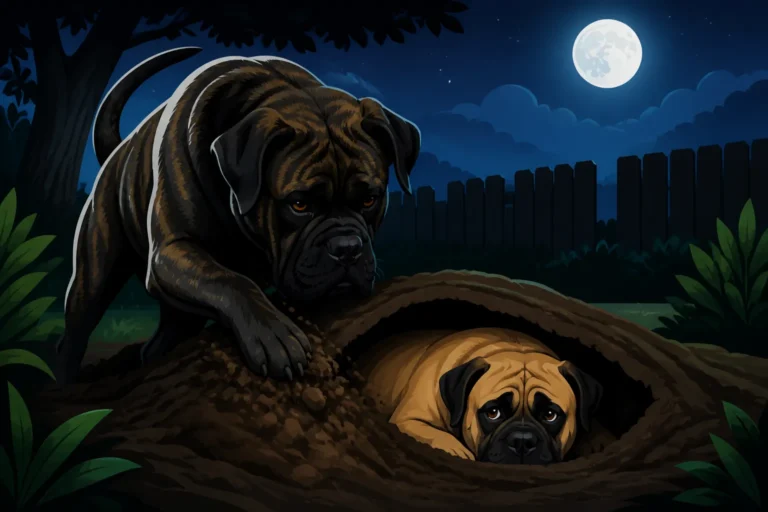
Traditional guard dogs of the era, like the larger Mastiffs, were powerful, but often too slow for the swift, stealthy poachers. Bulldogs, while tenacious, lacked the sheer size and reach to effectively control an adult human without causing severe injury. What gamekeepers needed was a dog that could operate silently under the cloak of night, track a human, and then physically prevent that person from escaping until the gamekeeper arrived, all without resorting to a mauling attack. A dog that barked incessantly would alert the poacher too soon, defeating the element of surprise crucial for apprehension.
The "Gamekeeper's Night Dog" Emerges
This specific need led to the deliberate breeding of what would become the Bullmastiff. It wasn't an accident; it was a carefully planned genetic cocktail, blending the power and size of the Mastiff with the courage and tenacity of the Old English Bulldog. The goal was to create a dog that was large enough to intimidate and physically control, yet agile enough to pursue and silent enough to surprise. They were, in essence, living, breathing security systems, designed for a very specific, high-stakes job. The gamekeepers essentially crafted the perfect canine partner for their dangerous night patrols. This history is crucial to understanding The Bullmastiff Was Built to Catch Poachers in the Dark.
The Bullmastiff's Method of Apprehension
When a Bullmastiff located a poacher, the encounter was less about a savage attack and more about an unwavering, physical restraint. Their method was a testament to their intelligent breeding and rigorous training.
The Art of the "Hold": Not a Bite to Kill
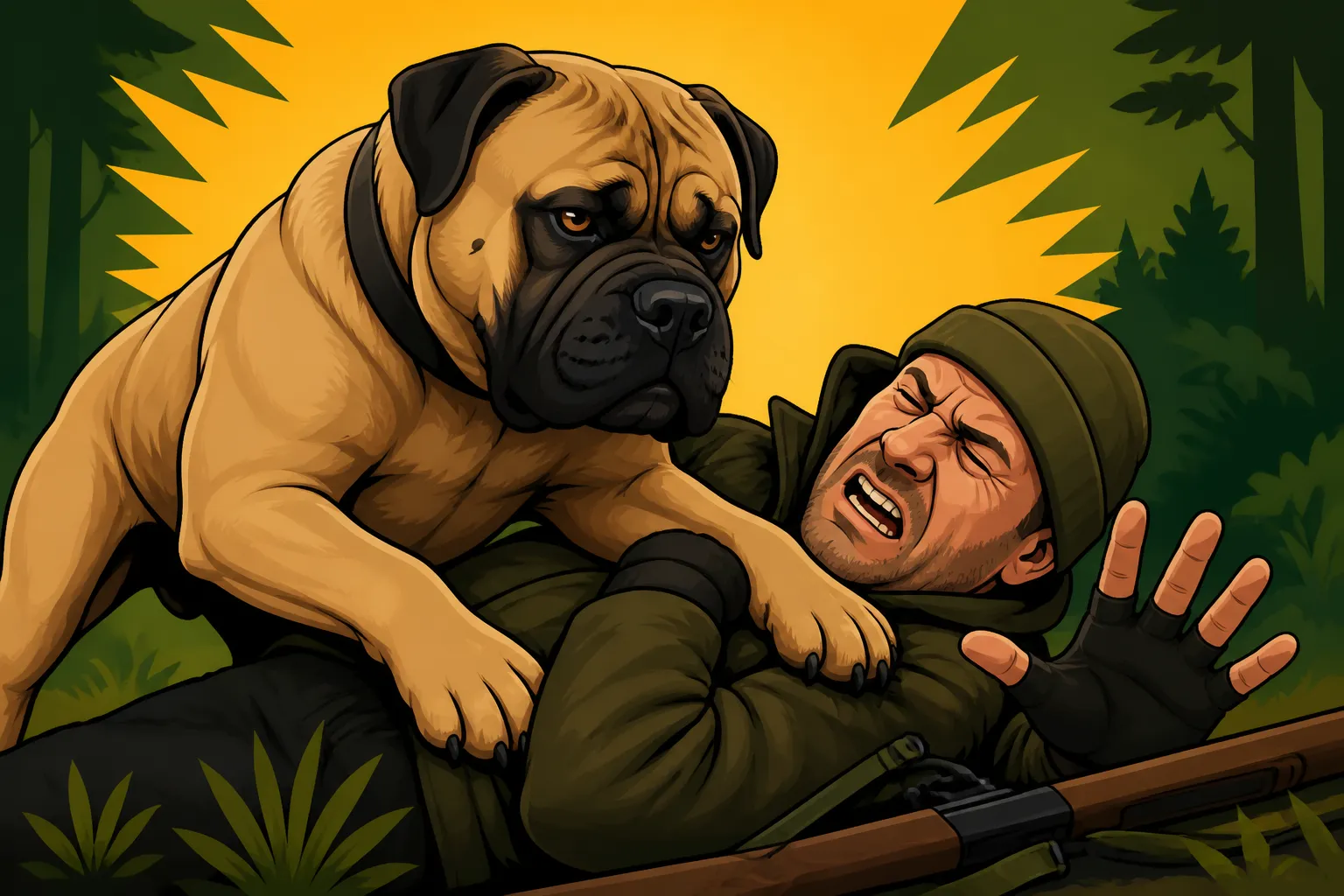
This is perhaps the most unique aspect of the Bullmastiff's historical role. Unlike many other protection breeds, the Bullmastiff was not primarily bred to bite and tear. Instead, they were trained and inherently inclined to execute what is known as a "hold." This involved using their massive strength and powerful jaws to pin a poacher down, often by seizing a limb, a sleeve, or even gripping clothing. The bite was meant to be firm, painful, and unyielding, but not to break skin or cause severe, life-threatening wounds. It was an immobilizing grip, designed to subdue and prevent escape.
Think of it like a very strong, very heavy-duty handcuff, but alive. The goal was simple: stop the poacher in their tracks and keep them there. A truly mauling dog might injure the poacher to the point of being unable to stand trial or even kill them, which was not the gamekeeper's objective. The gamekeeper wanted to catch them, press charges, and make an example of them. This is why Why a Bullmastiff Holds Instead of Biting is so important to their breed history.
Body Blocking and Pinning: Controlling the Situation
Beyond the direct "hold," Bullmastiffs employed their considerable bulk and presence to control the situation. A Bullmastiff typically weighs well over a hundred pounds, and often closer to 130 or even more for males. Imagine that kind of weight and muscle coming at you silently in the dark. Once they engaged, they would use their body to block escape routes, lean into the poacher, or even physically push them to the ground and stand over them, pinning them with their sheer mass.
This wasn't about aggression in the modern sense; it was about overwhelming physical control. The dog became an immovable force, a living wall. The sheer intimidation factor alone would have been immense. A Bullmastiff would stand its ground, radiating quiet power, ensuring the poacher knew escape was futile. You can see how this differs from other breeds in How a Gamekeeper Used a Bullmastiff on a Poacher.
The Gamekeeper's Arrival: What Happened Next
The Bullmastiff's job was to hold the poacher until the gamekeeper arrived. Once the gamekeeper reached the scene, the dog would release its hold upon command. The gamekeeper would then take charge, typically apprehending the poacher and escorting them off the estate. This teamwork was essential. The Bullmastiff provided the initial, crucial capture, buying the gamekeeper time to arrive safely and take over.
The dog's presence ensured compliance. Faced with such a powerful, controlled animal, most poachers would likely offer little resistance once the gamekeeper was present. This entire process speaks volumes about the level of training and trust between these working dogs and their handlers. It was a well-oiled machine, honed over generations of necessity.
The Outcome for the Caught Poacher
Being caught by a Bullmastiff was a terrifying experience, but the physical consequences were, by design, not meant to be fatal. The legal ramifications, however, were often quite severe.
Legal Consequences in Victorian England
For a poacher, being caught meant facing the full force of the law. Depending on the severity of the offense, the value of the game, and whether they were armed, the penalties could range from heavy fines and imprisonment to hard labor or even transportation to penal colonies like Australia. It was not a minor infraction; it was a direct assault on property and law.
The Bullmastiff's method of "holding" ensured that the poacher was typically alive and well enough to stand trial, providing the necessary evidence for prosecution. This was a key part of the deterrent. The gamekeeper wasn't seeking retribution through the dog's jaws, but through the legal system. A successful capture meant a successful prosecution, which served as a warning to other potential poachers.
The Goal: Deterrence, Not Severe Injury
The entire system revolved around deterrence. The reputation of the "gamekeeper's night dog" spread through rural communities. Knowing that a silent, powerful, unyielding dog roamed the estates, capable of finding and holding them without warning, was often enough to make potential poachers think twice. The aim wasn't to maim or kill every intruder, but to create such a profound fear of capture that poaching became too risky a venture.
This ethos, of control and deterrence rather than outright aggression, is deeply embedded in the breed's temperament. Even today, the Bullmastiff is known for its protective but generally stable nature. Why a Bullmastiff Was Not Bred to Maul delves deeper into this philosophy.
The Enduring Legacy of the Bullmastiff's Instinct
While the days of patrolling vast English estates for poachers are long gone, the core instincts bred into the Bullmastiff centuries ago are still very much present in our modern companions. Understanding this history helps us appreciate their unique temperament today.
Modern Bullmastiffs and Their Protective Nature
Today's Bullmastiffs are beloved family members, cherished for their calm demeanor and loyalty. However, that underlying protective instinct, the drive to guard their family and territory, remains strong. They are naturally watchful, often keen observers of their surroundings. You'll notice they have a quiet way of assessing new situations and people. They don't often bark without reason, embodying that "silent guard" quality their ancestors perfected.
This protective nature manifests as a deep devotion to their family. They are often aloof with strangers, taking their time to accept new people into their inner circle. This isn't aggression; it's a careful, deliberate assessment. They are constantly aware of their people and their environment, ready to step in if they perceive a threat. How Protective a Bullmastiff Is explores this in more detail.
Understanding the "Holding" Behavior Today
You might not see your Bullmastiff "holding" a poacher, but you might observe echoes of this ancestral behavior in their everyday interactions. For instance, many Bullmastiffs have a habit of "leaning" on their owners or gently body-blocking them in doorways. This isn't just seeking affection; it can be a subtle form of control or a territorial assertion, a mild expression of that ancient instinct to place their body between their charge and the outside world.
They might also "herd" you away from a perceived threat, or stand squarely in front of you if they feel you're too close to a stranger. This isn't malicious; it's just them doing what they were bred to do: protect. Understanding this historical context helps owners interpret their Bullmastiff's behavior and appreciate their deep-seated guardian instincts. Training and early socialization are key to channeling these powerful instincts into positive, manageable behaviors in a modern household. You can find excellent resources for large breed training on sites like Chewy, helping you understand how to manage such a powerful dog from puppyhood. Whether the Holding Instinct Survives in a Bullmastiff offers even more perspective on this fascinating trait.
Modern-Day Bullmastiff "Guarding" Scenarios
While actual poaching encounters are a thing of the past, the Bullmastiff's inherent guarding traits still come to the fore in various modern household situations. These are often subtle, but unmistakably rooted in their heritage.
When a delivery person approaches your door, your Bullmastiff might not erupt in a frenzy of barks like some breeds. Instead, they might move silently to stand between you and the door, their large body acting as a physical barrier. They'll watch, intensely, taking in every detail of the stranger's movements and intentions. This isn't aggressive, but a clear signal that they are on guard. Their massive presence alone is usually enough to deter any casual trespasser.
Similarly, if a child is playing a bit too boisterously with another child, a Bullmastiff might gently nudge between them, or even lie down slightly apart but with a watchful eye, creating a buffer. It's their way of keeping the peace and ensuring everyone in their "pack" is safe. They often act as silent sentinels, especially when children are involved, demonstrating a deep sense of responsibility. Finding robust, large-breed toys from retailers like Chewy can help channel their powerful jaws and protective energy positively, giving them an appropriate outlet for their instincts.
| Aspect | Historical Poacher Encounter | Modern Bullmastiff Behavior |
|---|---|---|
| Primary Goal | Apprehend and hold poacher for gamekeeper. | Protect family/territory; assess perceived threats. |
| Method | Silent approach, body block, non-damaging "hold." | Watchful presence, lean, body block, low-frequency bark. |
| Bite Intention | Firm grip to immobilize, not to maim or kill. | Extremely rare, last resort, typically warning/deterrent. |
| Response to Stranger | Immediate apprehension. | Aloofness, careful assessment, slow to trust. |
| Outcome for "Target" | Legal prosecution, severe consequences. | Deterrence, a sense of security for the owner. |
This table helps illustrate the remarkable consistency of the Bullmastiff's core nature across centuries, adapting from specific working needs to the role of a beloved family guardian. Their deep-seated commitment to protection, though no longer against poachers, remains a defining characteristic that owners cherish and respect.
Disclaimer
This article is for general informational purposes only and does not constitute professional advice. Laws, prices and regulations vary by location and change over time. Consult a qualified professional for guidance on your specific situation.