Why a Bulldog Alone Was Too Small for the Job
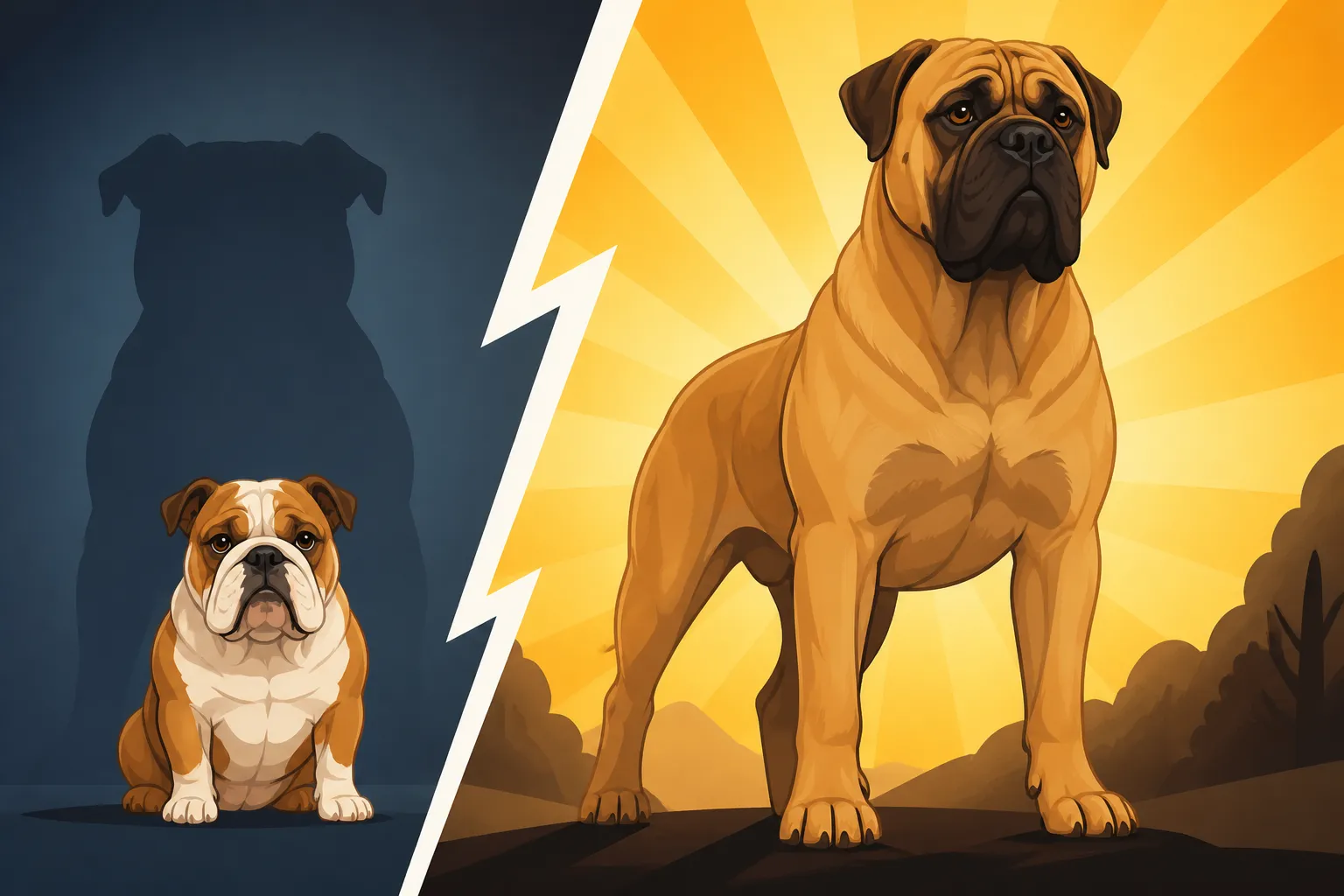
When we look at the powerful, devoted Bullmastiff today, it’s easy to forget the very practical, often brutal, origins that shaped this magnificent breed. For the gamekeepers of 19th-century England, poaching wasn't just a nuisance; it was a serious threat to their livelihood and the estates they protected. They needed a dog that could face down a desperate man in the dead of night, not just bark at him, and that dog had to be exceptionally capable. The challenge was that no single breed quite fit the bill entirely on its own, especially the Bulldog, which, despite its incredible tenacity, was simply too small for the job as a sole solution.
The Grave Challenge of Night Poachers
Imagine walking the vast, often shadowy stretches of a sprawling English estate. Your job is to protect the game – the deer, pheasants, and rabbits – from poachers who were often armed, desperate, and knew the land as well as you did, if not better. These weren't petty thieves; they were often men fighting to feed their families, making them incredibly dangerous. A gamekeeper's life depended on a dog that could assist him in this perilous work, acting as both a deterrent and a physical interceptor when necessary.
The Gamekeeper's Need for a Specialized Dog
The requirements for such a dog were stringent and often contradictory. First and foremost, the dog needed to be large and powerful enough to tackle a grown man, potentially armed, and hold him without inflicting mortal injury. This wasn't about mauling; it was about immobilization. The idea was to prevent escape and allow the gamekeeper to apprehend the poacher. This required immense physical strength and a particular kind of temperament—brave, but not inherently aggressive to the point of outright attack. They wanted a living restraint, not a weapon. Furthermore, the dog had to be relatively quiet; a barking dog would alert poachers to the gamekeeper’s presence from a distance, rendering the element of surprise useless. They needed a silent sentinel, a shadow that could suddenly appear. This is why What a Gamekeeper Needed a Night Dog For was so specific.
Why Existing Breeds Fell Short
Before the Bullmastiff was refined, gamekeepers often used whatever dogs they had, or tried crossbreeding in an unscientific way. The large, powerful Mastiff was certainly imposing, but often too slow and sometimes too gentle or easily deterred for the relentless pursuit and holding required. Bulldogs, on the other hand, possessed incredible courage and a powerful grip, but their smaller stature meant they couldn't physically dominate a larger, struggling man. They lacked the sheer mass and reach to effectively 'hold' someone down for an extended period, especially if the poacher was trying to get away or fight back vigorously. It became clear that a new breed, or at least a carefully designed cross, was absolutely essential to meet these demanding, high-stakes requirements. The stakes were very high for the gamekeeper, and so were they for the dogs involved.
The Bulldog's Remarkable Strengths and Inherent Limitations
The Bulldog, with its formidable jaws and unyielding spirit, certainly had qualities that were highly desirable for the gamekeeper's task. However, its overall physical characteristics made it unsuitable as the sole solution for intercepting and holding a grown man. It was a crucial component of the Bullmastiff recipe, but never the whole meal.
Unwavering Tenacity and Powerful Jaws
The Old English Bulldog, the ancestor of today's more compact and placid show Bulldog, was renowned for its immense courage and tenacity. Bred for bull-baiting, these dogs possessed an incredible grip and a refusal to let go once they had hold. This fearlessness and "stick-to-it" attitude were precisely what a gamekeeper needed in a dog that had to confront a dangerous poacher. A Bulldog would not back down; it would latch on and hold on for dear life, often without making a sound. This silent, unyielding grip was invaluable, a characteristic that was absolutely vital in the design of the Bullmastiff. It was the genetic gift that ensured the Bullmastiff would execute its task with resolve. For modern owners, this legacy still translates into a dog with incredible mental fortitude, even if they're just holding onto a favorite chew toy purchased from Chewy.
The Problem of Size and Reach
Despite their impressive courage and bite, Bulldogs were simply too small to effectively control a large, struggling human on their own. An average Bulldog, even the more athletic Old English type, would typically weigh significantly less than a human adult. While they could certainly bite and hold, they lacked the sheer bulk and reach to physically pin down or obstruct a fleeing poacher without putting themselves in extreme danger or risking serious injury to the poacher by resorting to a bite that was too aggressive. The job wasn't just to bite; it was to hold and contain. A Bulldog trying to restrain a man could easily be kicked, thrown, or overpowered due to its relatively low center of gravity and limited overall mass compared to its opponent. This fundamental size disparity meant that while the Bulldog provided the "bulldog spirit" and grip, it couldn't provide the necessary physical presence. Why the Bulldog Half Was Added to the Bullmastiff was for its specific traits, not its stature.
The Mastiff's Contributions and the Inevitable Blend
If the Bulldog brought courage and a tenacious grip, the Mastiff brought the much-needed size, power, and intimidating presence. The genius of the gamekeepers lay in understanding that these two breeds, with their complementary strengths, could be combined to create a truly formidable and perfectly suited "gamekeeper's night dog." This realization was the genesis of the Bullmastiff.
The Mastiff's Imposing Size and Calm Demeanor
The English Mastiff was, and remains, a giant among dogs. Its sheer size, weight, and imposing presence alone could deter many potential threats. For a gamekeeper, a Mastiff offered the physical bulk to confront and physically control a man. Its weight and power meant it could knock a poacher off balance or simply lean into them, making escape difficult. Furthermore, many Mastiffs possess a naturally calm and watchful demeanor, often preferring to deter with presence rather than aggression. This calm confidence was another desirable trait; a dog that panics or becomes overly agitated would be less effective in a high-stress situation. However, pure Mastiffs often lacked the agility and sustained drive for pursuit and the quick, silent apprehension needed in the field. As discussed in Why a Mastiff Alone Was Too Slow for the Job, their impressive size came with a trade-off in speed.
Forging the "Gamekeeper's Night Dog"
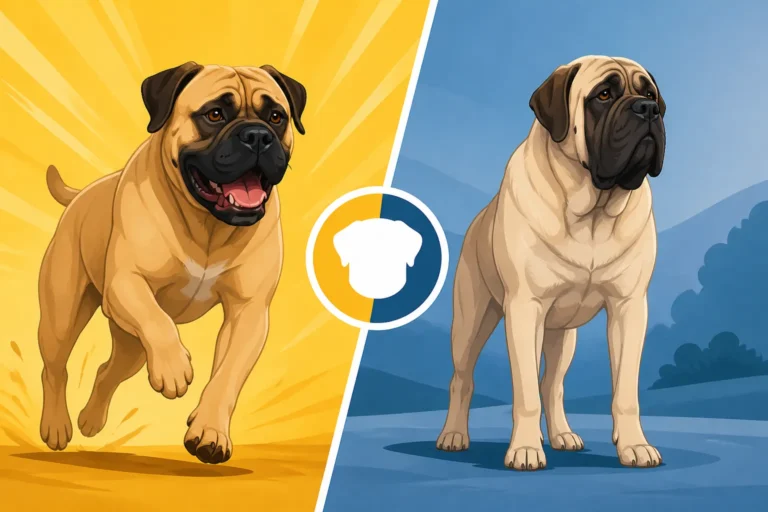
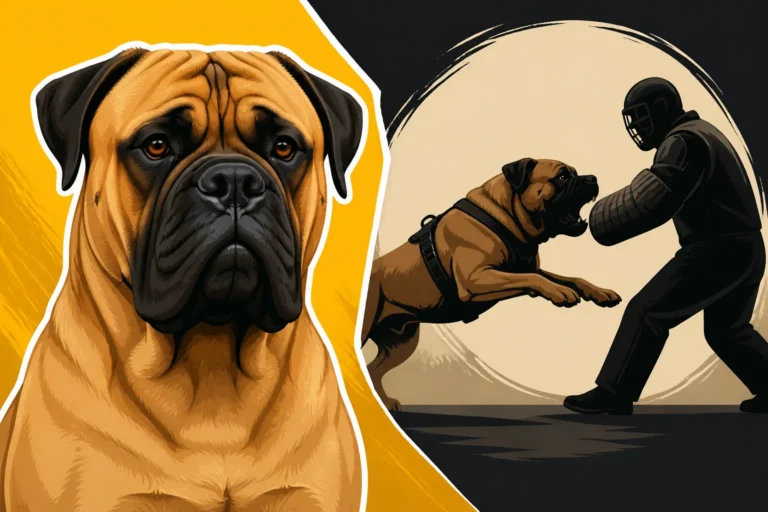
The solution was clear: combine the best of both worlds. The gamekeepers began to systematically cross the agile, tenacious Bulldog with the massive, powerful Mastiff. The ideal ratio was eventually refined to roughly 60% Mastiff for size and guarding instinct, and 40% Bulldog for courage, tenacity, and that famous "holding" ability. This precise blend resulted in a dog that was large and strong enough to handle a man, but also agile and determined enough to track and hold them without causing severe injury. The goal was to create a dog that could sprint, tackle, and then hold a poacher at bay, often by the arm or leg, until the gamekeeper arrived. This focus on holding, not biting to injure, is a hallmark of the breed and is explored further in Why a Bullmastiff Was Bred Not to Maul.
This combination gave them a dog that was literally built for the job, one that was intimidating yet controlled. Even today, responsible Bullmastiff breeders understand the importance of maintaining a balance in their lines, aiming for dogs that embody these original traits in a family-friendly package.
The Bullmastiff: A Masterful Blend of Form and Function
The outcome of this deliberate breeding program was the Bullmastiff, a dog purpose-built to fill a critical gap in rural estate protection. It was the quintessential "gamekeeper's night dog," embodying the perfect balance of strength, agility, courage, and control.
The Ideal Poacher Interceptor
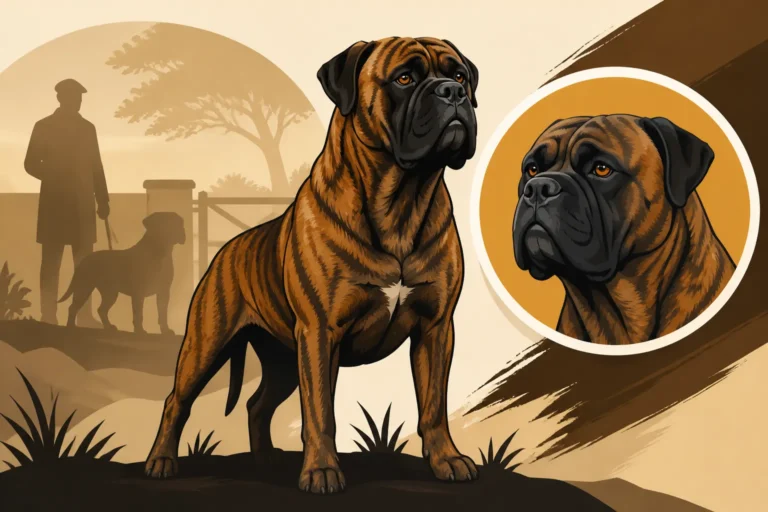
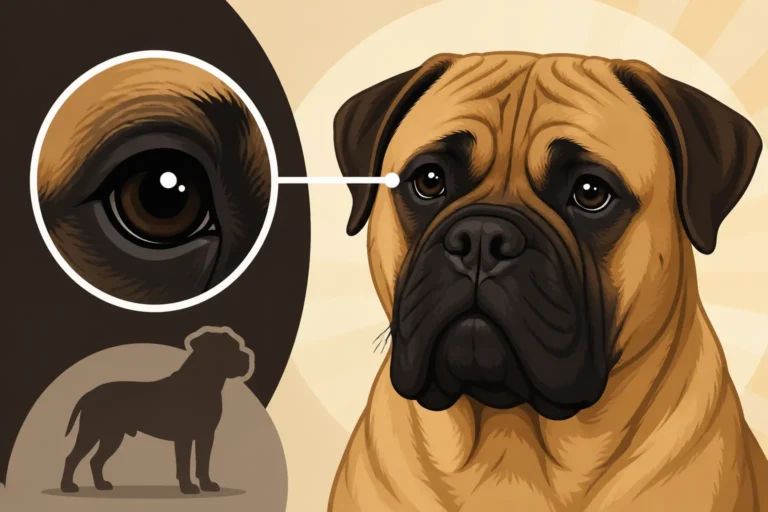
The Bullmastiff quickly established itself as the premier choice for gamekeepers. It was big enough – typically weighing between 100 to 130 pounds, sometimes more – to physically overpower a man, but not so heavy as to be ponderous. Its deep chest and powerful legs allowed for surprising bursts of speed, enabling it to catch a fleeing poacher. Once contact was made, the Bullmastiff would use its weight to knock the person down or hold them against a tree, utilizing the tenacious grip inherited from its Bulldog ancestors to hold them by an arm or sleeve without mauling. The preference for a dark brindle coat also helped it blend into the night, making it an almost invisible threat until it was too late. This specific skillset is why How a Gamekeeper Used a Bullmastiff on a Poacher is such a fascinating historical read.
| Trait / Breed | Old English Bulldog | English Mastiff | Bullmastiff |
|---|---|---|---|
| Size/Weight | Medium (50-70 lbs) | Very Large (150-250 lbs) | Large (100-130 lbs) |
| Speed/Agility | Moderate, short bursts | Slow, lumbering | Moderate, agile for size |
| Tenacity/Grip | Extremely high, strong | Moderate, less focused | High, strong, controlled |
| Silent Work | Generally good | Variable, can be noisy | Excellent, bred for silence |
| Physical Deterrent | Low to Moderate | High, intimidating | High, balanced |
| Holding Capacity | Limited by size | Good, but slow | Excellent, physical and grip |
| Overall Suitability for Poacher Work | Insufficient alone | Insufficient alone | Optimal |
A Legacy of Courage and Loyalty
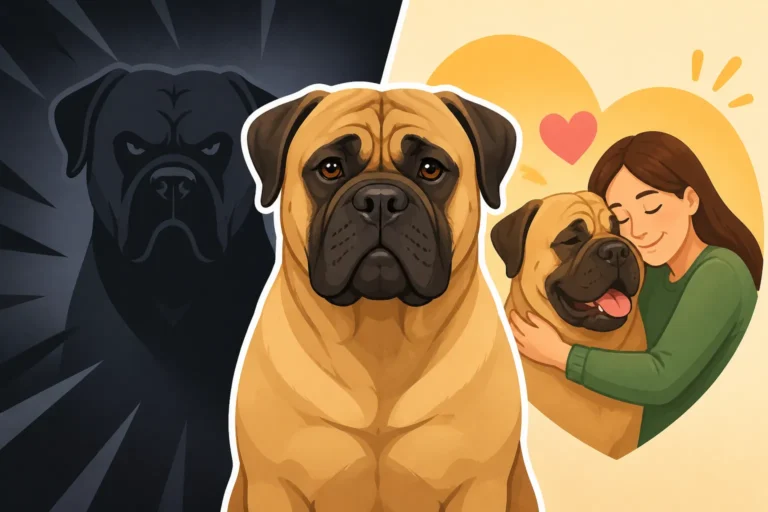
The traits that made the Bullmastiff an effective gamekeeper's companion are still evident in the breed today, albeit adapted for modern life. They are inherently protective, instinctively understanding the concept of "their people" and "their territory." This doesn't mean they are aggressive; quite the opposite. A well-socialized Bullmastiff is typically calm, confident, and utterly devoted to its family, but possesses an underlying watchful nature. They remain relatively quiet, often preferring to observe rather than bark, echoing their ancestors' need for stealth. Today, this translates into a family guardian who is deeply loyal and surprisingly gentle, especially with children. It's truly a testament to their breeding that they combine such strength with such a stable temperament. Many owners turn to reputable online retailers like Chewy for sturdy, large-breed appropriate toys and enrichment tools that match their Bullmastiff's power and intelligence. Providing ample physical and mental exercise, including durable chew toys from Chewy, can help keep these intelligent dogs engaged and happy.
The careful selection and crossing of the Mastiff and the Bulldog created a dog that was more than the sum of its parts. It filled a critical role in a dangerous time, and the legacy of that purpose-bred creation lives on in every Bullmastiff, making them the silent, watchful guardians we cherish today. They are truly The Bullmastiff Is Sixty Percent Mastiff and Forty Percent Bulldog, a perfect blend designed to tackle a specific, formidable job.
Disclaimer
This article is for general informational purposes only and does not constitute professional advice. Laws, prices and regulations vary by location and change over time. Consult a qualified professional for guidance on your specific situation.