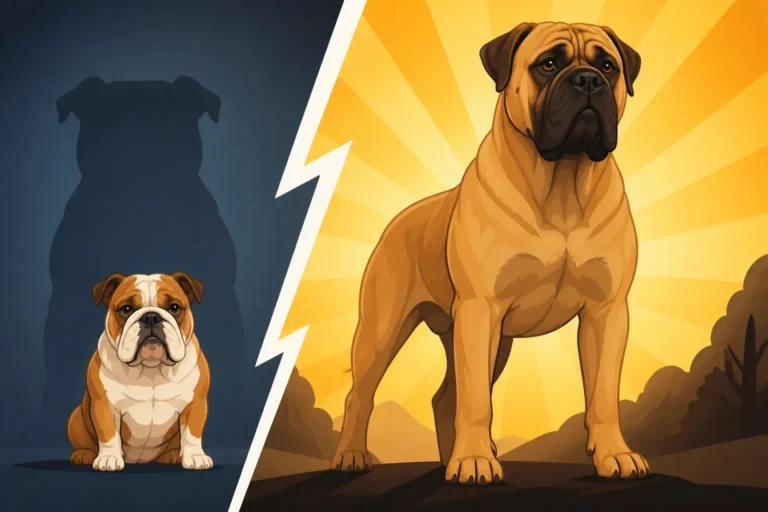
Where the Bullmastiff’s Sixty Forty Formula Came From
If you've ever admired a Bullmastiff, you've probably noticed their incredible blend of power and agility – a unique combination in such a large dog. It's easy to wonder how such a magnificent animal came to be, especially with their distinctive Mastiff-like bulk and Bulldog-like tenacity. The secret lies in a specific historical breeding formula, often referred to as the "sixty-forty," and understanding its origins sheds light on every facet of this remarkable guardian breed.
The Genesis of the Gamekeeper's Night Dog
To truly grasp the Bullmastiff's "sixty-forty" composition, we need to transport ourselves back to 19th-century England, a time when sprawling estates and game preserves were common. These estates were often rife with poachers, individuals who illegally hunted game, and their activities posed a significant threat to the landowners' livelihoods and resources. Gamekeepers, the stewards of these lands, faced a daunting challenge: how to effectively deter and apprehend these poachers, who often operated under the cloak of darkness.
Initially, gamekeepers used a variety of dogs. Some might have employed the powerful English Mastiff, known for its intimidating size and unwavering loyalty. However, the Mastiff, while certainly a deterrent, was often too slow to catch a determined and athletic poacher in open terrain. Imagine a vast woodland or moorland at night; a Mastiff might lack the necessary burst of speed to cut off an escape route or follow a scent quickly. On the other hand, smaller, faster dogs like various types of Bulldogs (which, importantly, were different in build and temperament from the modern English Bulldog) could certainly keep pace but lacked the sheer physical presence and holding power to subdue a grown man without causing excessive harm. The ideal dog needed to be a perfect balance: powerful enough to hold, but also agile enough to pursue. It needed to be a "silent hunter," not barking excessively, which would alert poachers to its presence. This practical need was the crucible in which the Bullmastiff was forged. The gamekeepers weren't looking for a fancy show dog; they needed a working partner, a four-legged colleague who could handle the toughest assignments in the dark of night. This pressing demand for a specific set of traits directly informed the choices made in their breeding programs.
Blending the Best: Mastiff and Bulldog Contributions
The solution to the gamekeepers' dilemma was to combine the best attributes of two existing, formidable breeds. This is where the legendary "sixty percent Mastiff, forty percent Bulldog" formula comes into play. It wasn't a hard and fast scientific calculation in the modern sense, but rather a practical, empirical method developed through trial and error by experienced gamekeepers. The goal was to retain the massive size and protective instinct of the Mastiff while injecting the speed, fearlessness, and grip of the Bulldog.
The Mastiff's Enduring Legacy: Size and Stature
The English Mastiff contributed the overwhelming majority of the Bullmastiff's impressive size and weight. Picture a purebred Mastiff – immense, dignified, and capable of tremendous power. This lineage provided the Bullmastiff with its broad skull, deep chest, and substantial bone structure. The Mastiff's calm, watchful temperament, coupled with its inherent protective nature, was crucial. A gamekeeper didn't want a dog that would indiscriminately attack; they wanted one that would hold a poacher without mauling them, maintaining control until the gamekeeper arrived. The sheer presence of A Hundred and Thirty Pounds of Bullmastiff, Measured was often enough to deter. This large-and-in-charge aspect, passed down from the Mastiff, meant that even a glimpse of the dog in the moonlight could make a poacher reconsider. Without the Mastiff's contribution, the Bullmastiff would simply not possess the imposing physique that made it so effective in its original role. It also gave the breed its sense of calm self-assurance, an important trait for a dog expected to react to threats rather than seek them out. Many owners today still appreciate this noble disposition, finding it surprisingly gentle for such a powerful animal.
The Bulldog's Vital Infusion: Agility and Tenacity
While the Mastiff brought the "mass," the Bulldog infusion brought the "muscle" and the "moxie." It's important to remember that the Bulldog of the 19th century was very different from the stocky, short-legged Bulldog we recognize today. This ancestral Bulldog was a more athletic, agile, and often taller dog, bred for bull-baiting and known for its incredible strength, low center of gravity, and determined grip. This breed was instrumental in providing the Bullmastiff with its quicker reflexes, greater agility, and especially its powerful "holding" instinct. The historical Bullmastiff needed to be able to catch a running man and then hold him down without biting or inflicting serious injury – a skill that relied heavily on the Bulldog's tenacious grip and unflinching bravery. Why the Bulldog Half Was Added to the Bullmastiff becomes clear when you consider the need for quick bursts of speed and a vice-like hold. The Bulldog's genetic blueprint also likely contributed to the Bullmastiff's characteristic short muzzle and broad jaw, features that aid in breathing under exertion and provide a powerful bite for holding. Without this dynamic input, the Bullmastiff would have remained a slower, more ponderous dog, ill-suited for the quick pursuit and apprehension needed for nighttime patrols. It's this combination that created the distinctive head type, where the broadness of the Mastiff meets the more pronounced musculature of the Bulldog.
From Crossbreed to Recognized Breed: How the Formula Solidified
The "sixty-forty" formula wasn't just a casual suggestion; it became the guiding principle for those serious about refining this crossbreed into a true breed. For decades, these dogs were simply known as "Gamekeeper's Night Dogs." They were valued for their function, not their pedigree. However, as the 20th century dawned and the need for gamekeepers diminished, enthusiasts began to see the potential for this magnificent working dog to become a recognized breed. The formalization of the "sixty-forty" proportion was key to establishing a consistent type and temperament.
Standardizing the Ideal Proportions
Breeders at the time, many of whom were still gamekeepers or those with a deep understanding of the breed's working origins, began to selectively breed dogs that embodied this ideal ratio. They weren't just guessing; they were looking for dogs that exhibited the perfect blend of strength, speed, and temperament. Dogs that were too heavily Mastiff-like might be too slow, while those too heavily Bulldog-like might lack the intimidating stature or protective demeanor. The goal was a dog that was "Fifty-fifty is fighting dog, sixty-forty is guard dog," emphasizing the balance between power and control. They sought to produce offspring that consistently displayed the desired physical traits – broad head, muscular body, powerful jaws – along with the essential psychological attributes like courage, loyalty, and a natural guarding instinct without aggression. This meticulous selection process over generations, focusing on the preservation of the working characteristics, led to the development of a distinct and recognizable breed. This commitment ensured that Which Breeds Went Into the Bullmastiff continued to produce the desired outcome. The establishment of breed clubs and formal standards further cemented these proportions, leading to official recognition.
The Kennel Club's Stamp of Approval
The British Kennel Club officially recognized the Bullmastiff as a distinct breed in 1924, a significant milestone that moved these dogs from being a functional crossbreed to a pedigreed animal. This recognition meant that the "sixty-forty" formula, once an informal guideline, became enshrined in the breed standard. The standard described the ideal physical characteristics and temperament, all derived from the functional requirements of the gamekeeper's dog. It detailed everything from height and weight to muzzle length and coat color, ensuring that future generations would adhere to the successful blueprint. The importance of the black mask, often dark brindle coat, and sturdy build were all tied back to their original purpose: being effective and inconspicuous at night. The work of early breeders like S.E. Moseley was instrumental in this formalization, as they carefully documented pedigrees and championed the breed. This standardization was crucial because it meant that even as the breed transitioned from the gamekeeper's companion to a family guardian, its core identity and capabilities, directly stemming from that original breeding philosophy, would be preserved. This commitment also meant that organizations today still look for specific traits, and sometimes, even products from online retailers like Chewy are purchased to help maintain a Bullmastiff's unique physical needs, from large-sized crates to specialized joint supplements.
The Lasting Legacy of the Sixty-Forty Formula
Even today, the "sixty-forty" formula underpins the very essence of the Bullmastiff. It explains their powerful build, their surprising agility for their size, and their inherent protective yet gentle nature. This historical breeding choice is why they excel as family companions and guardians, embodying a unique balance that few other breeds can claim.
A Powerful Yet Nimble Guardian
The Bullmastiff's physical capabilities are a direct result of that deliberate blend. They possess the formidable presence of a Mastiff, making them natural deterrents, but they also have the ability to move with surprising speed and purpose when necessary. This isn't a dog designed for long-distance running or complex agility courses, but rather for short bursts of powerful, controlled action. This characteristic is often seen in their gait; while they can lumber, they can also spring into action if they perceive a threat. Their muscular bodies and well-boned limbs support their weight, allowing them to remain balanced and powerful. This duality is what makes them such effective guardians – they can be lounging peacefully one moment, and then swiftly move to intervene if their family is in danger. You can learn more about their historical role in The Bullmastiff Was Built to Catch Poachers in the Dark. Modern Bullmastiffs retain this unique physical prowess, requiring owners to understand their exercise needs, which are often less than perceived, but still demanding in terms of controlled strength and mental engagement.
Temperament: The Calm, Confident Protector
Beyond the physical, the "sixty-forty" formula profoundly shaped the Bullmastiff's temperament. The Mastiff contribution provides the calm, loyal, and generally easygoing nature that makes them wonderful family dogs. They are often described as "gentle giants" indoors, content to be near their people. However, the Bulldog influence instilled a deep-seated courage, tenacity, and an inherent guarding instinct. They are alert and observant, taking note of everything happening around their territory. They are not prone to excessive barking like some other guard breeds, a trait directly inherited from their "silent hunter" origins. The Silent Guard: Why a Bullmastiff Barks So Little directly relates to this history.
This means that while they are devoted and affectionate with their families, they can be reserved and watchful around strangers. They are highly attuned to their environment and their family's safety. This confident and discerning nature means they are often discerning in their friendships, taking time to assess new people. This is part of The Bullmastiff That Pauses to Decide Whether You Are Worth It. Their confidence means that they don't feel the need to prove themselves constantly; they are simply secure in their role as protectors. Understanding this nuanced temperament is crucial for owners, as it informs everything from early socialization to training approaches, ensuring their Bullmastiff develops into a well-adjusted and reliable companion. Many owners find that training resources available on platforms like Chewy, offering positive reinforcement tools and sturdy enrichment toys, are vital for channeling this intelligent and deliberate breed's energy.
A Blueprint for Today's Breed Standard
The echoes of the sixty-forty formula are still clear in the official breed standards observed by kennel clubs worldwide. These standards describe a dog of substance, powerful yet active, with a broad, deep skull, a noticeable stop, and a medium-length, broad muzzle, all reflecting the balanced contribution of its ancestral breeds. The emphasis on strength, soundness, and a confident, reliable temperament remains paramount. This means that when you see a Bullmastiff today, whether it's a show dog or a beloved family pet, you're looking at a living testament to that original, carefully considered breeding program. The formula wasn't just about combining two dogs; it was about creating a canine guardian perfectly suited to a demanding, life-or-death job, a legacy that continues to define the breed's character and appearance in the modern world.
Here's a quick overview of how the two foundational breeds contributed to the Bullmastiff's ideal traits:
| Trait | Mastiff Contribution | Bulldog Contribution | Bullmastiff Outcome |
|---|---|---|---|
| Size/Weight | Large, imposing stature | Medium, muscular build | Large, heavy, but proportionate |
| Speed/Agility | Slower, deliberate movement | Quicker reflexes, athleticism | Surprising speed for size, powerful bursts |
| Temperament | Calm, dignified, protective | Fearless, tenacious, determined | Confident, loyal, discerning, and courageous |
| Holding Power | Strong jaws, heavy frame | Powerful grip, low center | Tenacious hold without excessive aggression |
| Appearance | Broad head, deep chest | Shorter muzzle, muscular jaw | Balanced head, strong bone, powerful physique |
| Guarding Style | Deterrence by presence | Active pursuit, apprehension | Silent, watchful, capable of decisive action |
Disclaimer
This article is for general informational purposes only and does not constitute professional advice. Laws, prices and regulations vary by location and change over time. Consult a qualified professional for guidance on your specific situation.