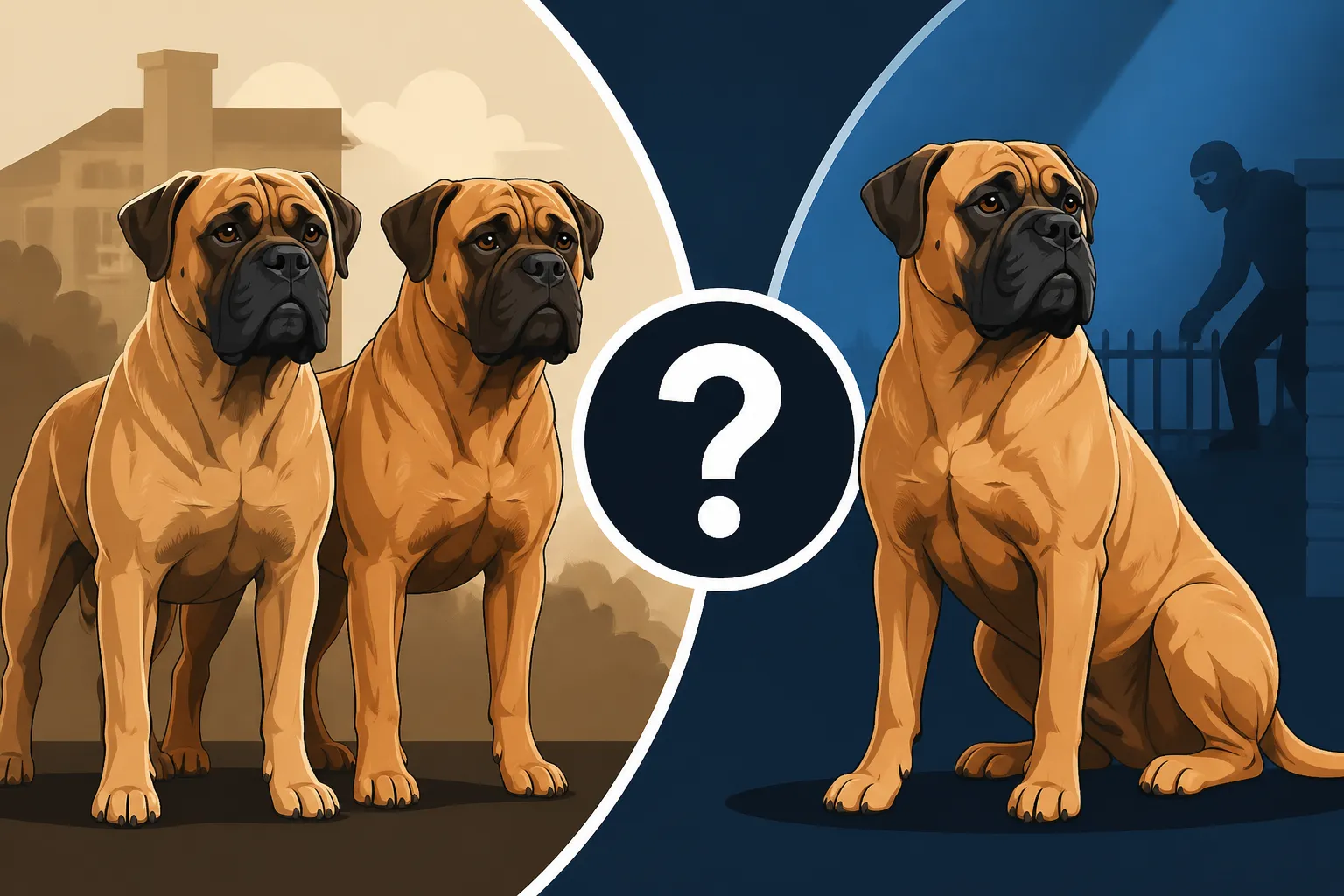
Whether Bullmastiffs Worked in Pairs
When you picture a Bullmastiff at work, guarding a sprawling estate against poachers in the dead of night, you often imagine a solitary, imposing figure, moving silently through the shadows. It’s easy to wonder if such a formidable task was ever truly a one-dog job, or if these powerful protectors actually worked in concert. This guide will delve into the historical context of the Bullmastiff's origins and shed light on whether these magnificent animals were typically deployed in pairs or as lone sentinels.
The Solo Sentinel: Bullmastiffs as Individual Guardians
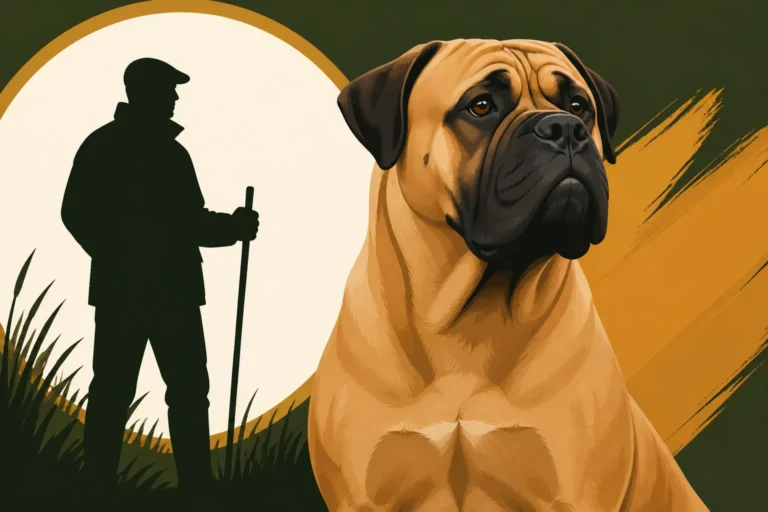
In their original role, Bullmastiffs were primarily bred and utilized as "gamekeeper's night dogs" in 19th-century England. Their main purpose was to track, tackle, and hold poachers, often in the vast, dark expanse of an estate. This was a job that demanded incredible intelligence, courage, and self-reliance, traits that naturally lent themselves to solo work. A single Bullmastiff was a silent, powerful deterrent, and more importantly, a highly effective apprehension tool.
Gamekeepers valued the Bullmastiff's ability to operate independently, often out of direct sight of their handler. The dog needed to make quick, critical decisions based on scent, sound, and instinct. Imagine a lone Bullmastiff picking up a fresh scent, silently detaching from its handler, and then, using its natural stealth, intercepting an unsuspecting intruder. This independent action was a cornerstone of their original design and a key reason why they were so successful.
Furthermore, these dogs were not just about brawn; they were also prized for their discerning nature. They were expected to distinguish between an innocent trespasser and a genuine threat, and to hold a person without mauling them – a crucial distinction for the era. A single dog, with proper training and a strong bond with its gamekeeper, could perform these nuanced tasks more effectively than a chaotic pack, which might have led to excessive force or confusion in a high-stakes situation. This sophisticated level of judgment speaks volumes about their individual capabilities.
Why a Single Bullmastiff Was Usually Sufficient for Poaching
The tactics employed by gamekeepers and the unique attributes of the Bullmastiff made a solo deployment highly effective, even for the most stubborn poacher. The Bullmastiff’s strength, combined with its silent approach, often meant the poacher was already subdued before they even knew what was happening. This element of surprise, coupled with overwhelming physical presence, was usually more than enough.
Consider the physical build of the Bullmastiff. A Hundred and Thirty Pounds of Bullmastiff, Measured isn't just a number; it's a living, breathing force. When a dog of this size, bred with the power of a Mastiff and the tenacity of a Bulldog, engaged with an individual, that person was effectively immobilized. The "holding" instinct, where the dog would pin a person down without inflicting serious injury, was key. It wasn't about a brutal attack; it was about control. A Bullmastiff Was Bred to Hold a Man, Not Bite Him is an important piece of their history, highlighting their restraint rather than aggression.
Additionally, the gamekeeper's primary goal was apprehension, not a full-blown canine assault. Having multiple dogs could complicate this objective. Imagine two powerful dogs tackling one person; the risk of unintended injury to the poacher, or even to the dogs themselves in a confined struggle, would increase. A single, well-trained Bullmastiff offered a more controlled and predictable outcome. Their stealth was also paramount: The Silent Guard: Why a Bullmastiff Barks So Little meant they could approach unnoticed, making them incredibly effective as lone hunters.
Situations Where Multiple Dogs Might Have Been Employed
While the single Bullmastiff was the standard, there might have been rare or specialized circumstances where more than one dog was present. This wasn't necessarily a "working in pairs" scenario in the way we might think of a police K9 unit, but rather a strategic deployment based on the scale of the threat or the size of the estate.
For exceptionally large estates with multiple entry points or vast, dense woodlands, a gamekeeper might have overseen a team of Bullmastiffs, deploying them in different sectors. In such cases, each dog would still likely operate as an independent unit within its designated area, rather than working side-by-side with another dog on a single target. It was more about covering ground efficiently with multiple resources rather than doubling up on a single task. How a Gamekeeper Used a Bullmastiff on a Poacher outlines the singular focus of the dog in action.
Another consideration might have been the presence of particularly notorious or dangerous groups of poachers. If a gamekeeper knew a large group was operating, they might bring a second dog as a backup or a reserve. However, even in these situations, direct engagement with two Bullmastiffs simultaneously on one or two targets was probably uncommon. The individual dog's capability was so high that simply having another dog nearby to cover a different flank, or to be released if the first dog was overwhelmed, would have been the more logical strategy. This was less about collaboration and more about resource management.
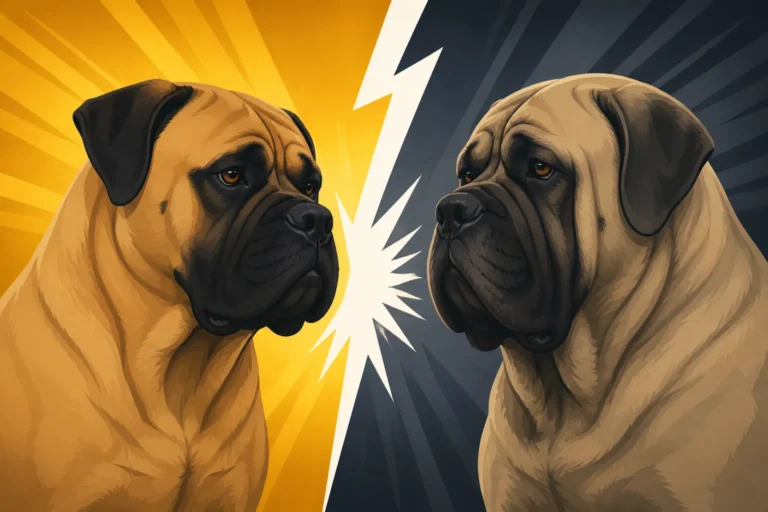
Even if gamekeepers had several Bullmastiffs, they generally preferred to deploy them one at a time because of their inherent territorial nature. Bullmastiffs are strong-willed and can sometimes exhibit same-sex aggression, especially if not raised and socialized carefully. Introducing two powerful dogs into a high-stress, confrontational scenario could risk them turning on each other if not meticulously managed, which would be counterproductive and dangerous for the gamekeeper. This is a characteristic that owners of modern Bullmastiffs often still observe in their own multi-dog households.
Modern Bullmastiffs: Living in Multi-Dog Households and the Echoes of Their Past
Today, Bullmastiffs are cherished family companions, and while their "job" is no longer catching poachers, their heritage still shapes how they interact with the world and, specifically, with other dogs in a home. Many Bullmastiff owners successfully integrate these dogs into multi-pet households, but it requires understanding their unique historical predispositions.
Modern Bullmastiffs, despite their gentle nature indoors, can still carry that inherent independence and, at times, a preference for being the sole "enforcer" or top dog in the household hierarchy. This is particularly true for same-sex pairings. While not all Bullmastiffs will exhibit aggression, it's a known breed trait that warrants careful consideration, especially with two males or two dominant females. This often means that while they might live with other dogs, they don't necessarily "work in pairs" in a cooperative sense, even in play. Understanding How a Bullmastiff Treats Other Dogs is crucial for any multi-dog home.
For families considering a second Bullmastiff, or adding another breed to their Bullmastiff's life, careful introduction, supervision, and ongoing training are absolutely vital. Providing separate feeding areas, toys, and resting spots can minimize potential conflict. Many owners find success by choosing a companion of the opposite sex or one with a significantly different temperament and energy level. Quality enrichment toys, like those found at Chewy, can also provide individual mental stimulation, reducing the likelihood of boredom-related squabbles.
| Aspect of Work | Historically (Gamekeeper's Dog) | Modern (Companion Dog) |
|---|---|---|
| Primary Deployment | Almost always solitary | Can live with other dogs, often prefers opposite sex |
| Cooperation Level | Minimal with other dogs; highly independent | Varies; individual play more common than cooperative tasks |
| Decision Making | Independent, critical decisions | Independent, sometimes stubborn |
| Purpose of "Partnership" | Covering wider territory or backup (rare) | Companionship, shared household (with management) |
| Risk of Conflict | Higher if forced to work closely with another dog | Present, especially same-sex; requires management |
| Training Focus | Obedience, silent apprehension, holding | Socialization, basic manners, impulse control |
Even in a bustling home, a Bullmastiff's protective instincts often manifest as quiet vigilance. They might position themselves between you and a stranger, or subtly lean against you when a new person enters. This is an echo of their past, a deep-seated instinct to guard their chosen family, which they often prefer to do personally and without "delegating" or partnering up with another canine. How Territorial a Bullmastiff Is in a modern setting often comes down to protecting their people and their space. When choosing supplies for your Bullmastiff, whether it’s a sturdy leash for Training a Bullmastiff That Weighs More Than You Do or high-quality food, shopping at retailers like Chewy ensures you have access to a wide variety of products to meet their specific needs.
Ultimately, while the image of a pair of Bullmastiffs working in perfect tandem might be a compelling one, history suggests that these magnificent dogs were, and largely remain, solitary sentinels at heart. Their immense capabilities and independent nature made them ideally suited for a job where one powerful, intelligent dog was often all that was needed to get the job done.
Disclaimer
This article is for general informational purposes only and does not constitute professional advice. Laws, prices and regulations vary by location and change over time. Consult a qualified professional for guidance on your specific situation.