What Staging a Bullmastiff’s Lymphoma Involves
Receiving a lymphoma diagnosis for your beloved Bullmastiff can feel like a punch to the gut, leaving you overwhelmed and scrambling for answers. It's a terrifying moment, wondering what this means for their future and how much time you have left together. This comprehensive guide is here to walk you through the often confusing, but absolutely essential, process of lymphoma staging in Bullmastiffs, helping you understand what happens next and why each step is so important for your dog's care.
Understanding Lymphoma Staging in Bullmastiffs
When your Bullmastiff receives a lymphoma diagnosis, it's not just about knowing that they have cancer; it's about understanding where the cancer is, how aggressive it might be, and how far it has spread throughout their body. This detailed assessment is what we call "staging." It's a critical step, often more extensive than pet parents initially realize, but it provides the roadmap for effective treatment and helps manage expectations.
Why Staging is Crucial for Your Bullmastiff
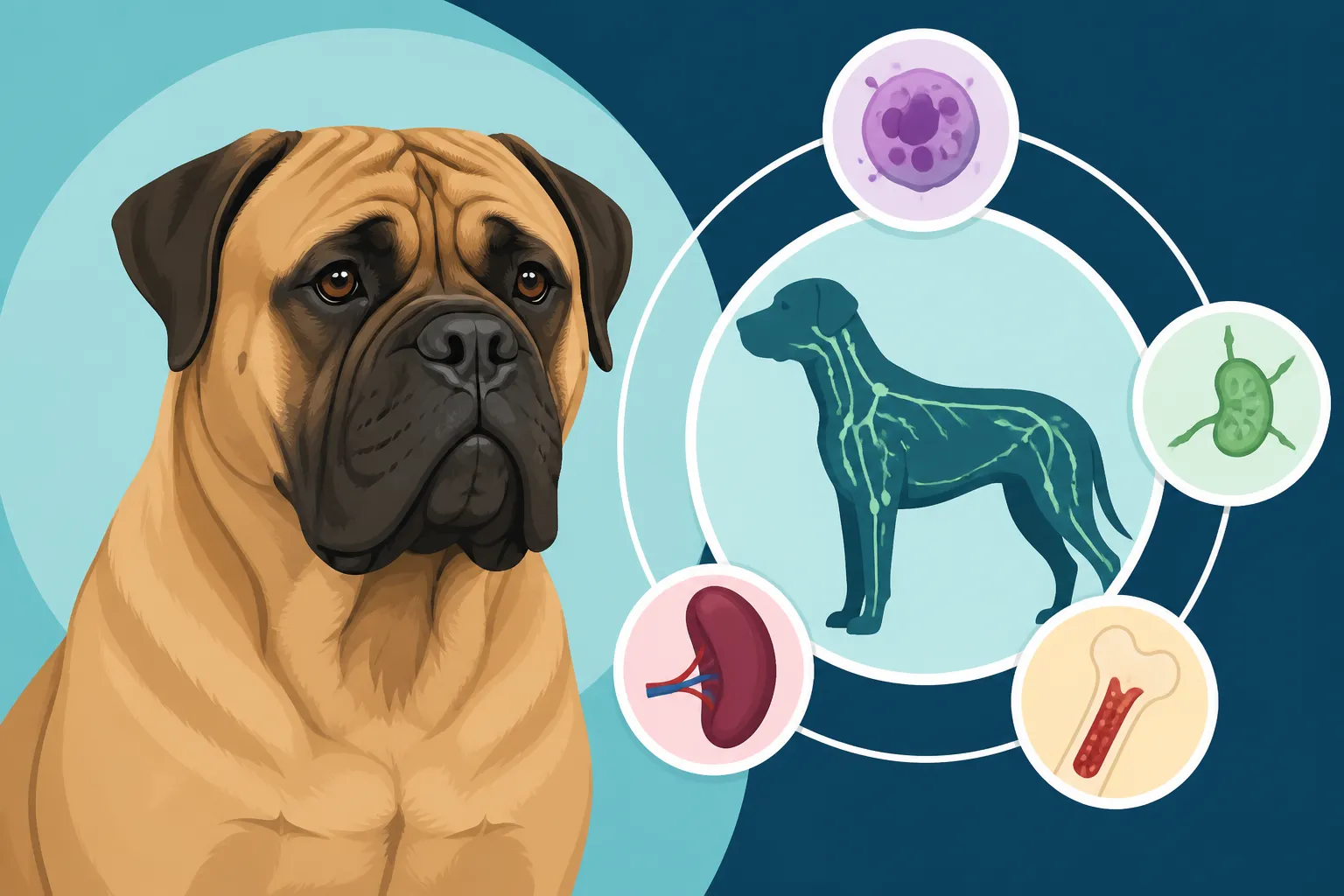
Imagine trying to navigate a dense forest without a map. That's essentially what treating lymphoma without proper staging would be like. Staging gives your veterinary team, and crucially, you, the most complete picture possible of your Bullmastiff's disease. Without it, predicting how your dog will respond to treatment or even what treatment options are best becomes a guessing game. It's about knowing if the lymphoma is localized to a single lymph node, or if it has infiltrated vital organs like the liver or bone marrow.
For a breed like the Bullmastiff, which unfortunately has a heightened risk of lymphoma, understanding the extent of the disease is even more paramount. This knowledge directly impacts the prognosis, helping your veterinarian give you a more accurate sense of the timeline you might be looking at. It also dictates the intensity and type of therapy recommended. For instance, a very localized form might have a different approach than widespread systemic disease. Knowing the stage upfront helps prevent unnecessary or ineffective treatments, saving your Bullmastiff from discomfort and you from emotional and financial strain. It truly empowers you to make informed decisions about your cherished family member's health. You can learn more about how lymphoma is diagnosed in a Bullmastiff to understand the initial steps leading to staging.
The Different Stages of Lymphoma
Veterinary medicine uses a universal staging system for canine lymphoma, which categorizes the disease into five main stages, often with substages. Understanding these stages is key to comprehending the scope of your Bullmastiff's lymphoma.
- Stage I: This is the most localized stage. It means only a single lymph node or a single organ (excluding bone marrow) is affected. For example, you might find an enlarged lymph node under your Bullmastiff's jaw, and all other tests come back clear. This is relatively rare to catch at such an early stage, especially given how stoic Bullmastiffs can be about hiding discomfort.
- Stage II: At this stage, regional lymph nodes are involved. This typically means multiple lymph nodes in a single area of the body are affected, such as several nodes on one side of the diaphragm. For example, if your Bullmastiff has swollen lymph nodes in their neck and armpit on the same side, that would fall under Stage II.
- Stage III: This stage indicates generalized lymph node involvement. This means multiple peripheral lymph nodes are affected throughout the body, on both sides of the diaphragm. You might feel swollen nodes in your Bullmastiff's neck, armpits, and behind their knees. This is often the stage where pet parents first notice something is seriously wrong and seek veterinary attention, as the signs a Bullmastiff has lymphoma become more apparent.
- Stage IV: Here, the lymphoma has spread to the liver and/or spleen, with or without generalized lymph node involvement. This indicates a more systemic spread. The liver and spleen are crucial organs, and their involvement can significantly impact your Bullmastiff's overall health and treatment response.
- Stage V: This is the most advanced stage, meaning the lymphoma has spread to the bone marrow, central nervous system (CNS), or other extranodal sites like the kidneys, eyes, or skin, with or without involvement of lymph nodes, liver, or spleen. Bone marrow involvement is particularly serious as it affects the body's ability to produce blood cells.
Beyond these stages, there are also "substages" denoted by "a" or "b":
- Substage 'a': The dog is not showing systemic clinical signs (they feel generally well).
- Substage 'b': The dog is showing systemic clinical signs (e.g., lethargy, weight loss, fever, loss of appetite).
The presence of 'b' substage often indicates a more aggressive disease and can negatively impact prognosis. Whether a Bullmastiff with lymphoma feels ill at first is a key indicator of this substage.
The Comprehensive Process of Staging
Staging lymphoma in a Bullmastiff is a multi-faceted process, often involving a battery of tests to meticulously check for cancer cells throughout the body. It’s not just one quick visit; it’s a systematic approach to get every piece of the puzzle. This thoroughness is vital, as ignoring even one potential site of spread could compromise the entire treatment plan.
Initial Diagnostic Tests and Bloodwork
Before diving into advanced imaging, a series of foundational tests are performed to get a baseline understanding of your Bullmastiff’s overall health and to look for initial clues of lymphoma’s presence and impact.
- Complete Blood Count (CBC): This test gives a snapshot of your Bullmastiff’s red blood cells, white blood cells, and platelets. In lymphoma cases, abnormalities might include anemia (low red blood cells), changes in lymphocyte counts (lymphocytes are a type of white blood cell that can be cancerous in lymphoma), or a decrease in platelets, especially if the bone marrow is involved. This helps the vet understand the severity of the disease and how it’s affecting the body’s essential functions.
- Biochemistry Profile: This measures various chemicals in the blood, providing insights into organ function, particularly the liver and kidneys. Elevated liver enzymes could indicate lymphoma infiltration into the liver, while kidney values can show if the kidneys are being affected or if there are other concurrent health issues. Calcium levels are also closely monitored, as some lymphomas, particularly T-cell lymphoma (which type of lymphoma a Bullmastiff gets often influences this), can cause abnormally high calcium (hypercalcemia), which can lead to serious complications.
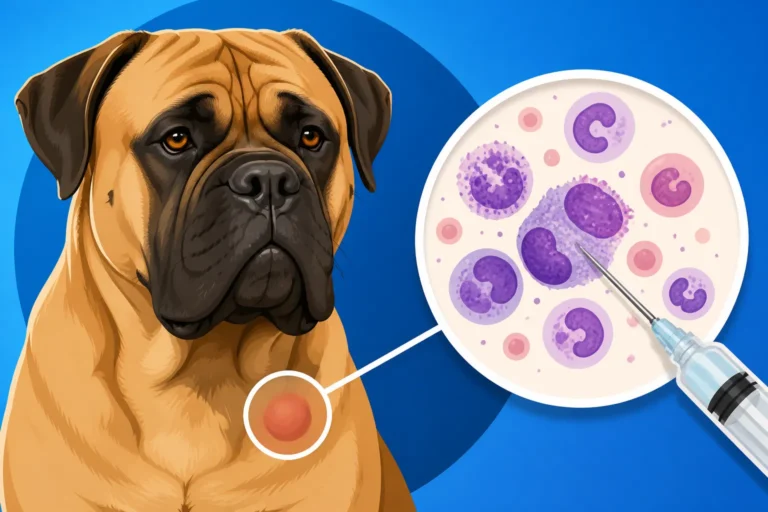
- Urinalysis: A routine urinalysis checks kidney function and looks for signs of infection or other urinary tract issues. While not directly diagnosing lymphoma, it’s crucial for evaluating overall systemic health and ensuring your Bullmastiff’s kidneys can handle potential chemotherapy drugs. All these initial tests are foundational in helping the oncologist understand the complete picture of your dog’s health, not just the cancer itself. It's crucial to understand what a needle aspirate shows in a Bullmastiff as an early diagnostic step that often precedes these extensive staging tests.
Imaging for Internal Organ Involvement
Once initial bloodwork is done, imaging techniques become indispensable for visualizing internal organs and lymph nodes that cannot be physically felt. These tests help determine if the lymphoma has spread beyond the palpable lymph nodes.
- Thoracic (Chest) X-rays: These radiographs are performed to check the lymph nodes within the chest cavity (mediastinal lymph nodes) and to assess the lungs for any signs of disease. Lymphoma can sometimes affect the lungs directly or cause enlarged lymph nodes around the airways, which would be visible on an X-ray. For a deep-chested breed like the Bullmastiff, chest X-rays are a non-negotiable part of staging to ensure no hidden thoracic involvement. Understanding what chest X rays cost on a Bullmastiff can help prepare you for this expense.
- Abdominal Ultrasound: An abdominal ultrasound is a highly detailed imaging tool that allows the veterinarian to examine the internal organs such as the liver, spleen, kidneys, and especially the abdominal lymph nodes. Lymphoma frequently spreads to these areas. The ultrasound can reveal enlarged, abnormal-looking lymph nodes that might not be palpable externally. It can also show changes in the texture or size of the liver and spleen, indicating infiltration by lymphoma cells. This is a critical step, as involvement of these organs shifts the diagnosis to a higher stage and significantly influences treatment planning. When an echocardiogram is needed on a Bullmastiff, it's a separate, more specialized cardiac evaluation, usually not part of standard lymphoma staging unless heart involvement is suspected. However, understanding what an ultrasound costs on a Bullmastiff will give you an idea of potential expenses for this abdominal imaging.
- Echocardiogram (Cardiac Ultrasound): While not a standard part of every lymphoma staging protocol, an echocardiogram might be recommended if there's any suspicion of cardiac involvement or if certain chemotherapy drugs that can affect the heart are being considered. Some Bullmastiffs may have pre-existing heart conditions, like subaortic stenosis, and an echocardiogram would provide a comprehensive assessment of their heart health before starting intensive treatment. This ensures your Bullmastiff is as ready as possible for the journey ahead.
Bone Marrow and Spinal Fluid Analysis
These specialized tests are often performed to determine the full extent of systemic spread, especially if there's suspicion of advanced disease or if the initial bloodwork indicates abnormalities that point to deeper involvement.
- Bone Marrow Aspiration and Biopsy: The bone marrow is where all blood cells are produced, and it's a common site for lymphoma to spread in advanced stages (Stage V). A bone marrow aspiration involves collecting a small sample of liquid bone marrow, typically from the hip bone (iliac crest), while a biopsy takes a small core of bone marrow tissue. These samples are then examined under a microscope by a pathologist to look for the presence of lymphoma cells. If lymphoma cells are found in the bone marrow, it immediately classifies your Bullmastiff's disease as Stage V, which has significant implications for prognosis and treatment. This test is crucial because bone marrow involvement can severely compromise your Bullmastiff's ability to produce healthy blood cells, which are essential for fighting infection and responding to chemotherapy.
- Spinal Fluid Analysis (Cerebrospinal Fluid – CSF Tap): This procedure involves collecting a small sample of cerebrospinal fluid, which surrounds the brain and spinal cord. While less common, lymphoma can sometimes infiltrate the central nervous system (CNS), particularly in certain types of lymphoma or in later stages. A CSF tap is performed under general anesthesia, and the fluid is then analyzed for the presence of lymphoma cells. CNS involvement also classifies the disease as Stage V and requires specific treatment considerations, as many chemotherapy drugs cannot effectively cross the blood-brain barrier. Therefore, direct treatment to the CNS might be necessary. These tests, while invasive, provide critical information for mapping out the most effective strategy for your Bullmastiff’s specific case. They are essential to truly understand where a Bullmastiff's swollen nodes are felt first and how widely the disease may have already spread.
Interpreting Staging Results and Planning Treatment
Once all the staging tests are complete, your veterinary oncologist will meticulously review the results. This is where all the individual puzzle pieces come together to form a clear picture of your Bullmastiff's lymphoma. It's a moment of truth, and your oncologist will guide you through understanding what it all means for your beloved companion.
How Stage Influences Prognosis and Treatment Options
The stage of your Bullmastiff's lymphoma is the single most important factor in determining the prognosis and tailoring a treatment plan. It’s not just a number; it’s a guidepost.
- Early Stages (I & II): If caught very early and localized, the prognosis might be more favorable, with a chance for longer remission periods. Treatment might involve more localized therapies in some rare cases, though systemic chemotherapy is typically still recommended to address any microscopic spread. While rare in Bullmastiffs, early detection allows for aggressive intervention that can yield better outcomes.
- Mid-Stage (III): This is where most Bullmastiffs are diagnosed. With generalized lymph node involvement, systemic chemotherapy is almost always the cornerstone of treatment. While a cure is often not achievable, the goal is to induce remission and provide your Bullmastiff with a good quality of life for as long as possible. The prognosis here is moderate, often depending heavily on the specific type of lymphoma (B-cell vs. T-cell) and the dog's overall health.
- Advanced Stages (IV & V): When the liver, spleen, bone marrow, or other extranodal sites are involved, the prognosis becomes more guarded. Treatment will still focus on systemic chemotherapy, but the intensity and specific drugs might be adjusted. For bone marrow involvement, additional supportive care like blood transfusions might be necessary. The goal remains quality of life, but the expected remission duration may be shorter. It’s important to understand that chemotherapy is the bill most Bullmastiff owners face, and treatment protocols for advanced stages can be quite intensive. You'll want to review how a Bullmastiff's lymphoma is treated to understand the specifics of various protocols. For a clear understanding of the financial commitment, it's also worth researching what chemotherapy costs for a Bullmastiff.
The substage (a or b) also plays a critical role. A Bullmastiff in substage 'a' (feeling well) generally has a better prognosis than one in substage 'b' (showing clinical signs), regardless of the numerical stage. This comprehensive understanding allows your oncology team to outline realistic expectations for how long a Bullmastiff lives after a lymphoma diagnosis and to discuss whether remission can be achieved and maintained.
The Role of Your Veterinary Oncologist
Navigating a cancer diagnosis for your Bullmastiff is incredibly challenging, and that's precisely why a veterinary oncologist is an invaluable member of your team. They are specialists trained specifically in diagnosing and treating animal cancers, bringing a level of expertise that goes far beyond general veterinary practice.
Your oncologist will be the one to interpret all the complex staging results, explain them to you in understandable terms, and discuss all available treatment options. They will help you weigh the pros and cons of aggressive chemotherapy versus more palliative care, always keeping your Bullmastiff's comfort and quality of life at the forefront. They understand the nuances of different lymphoma types, the specific drug protocols, and how to manage potential side effects. For a Bullmastiff, considering their size and potential concurrent health issues, this specialized knowledge is critical.
They will guide you through every step, from scheduling chemotherapy sessions (and explaining how many chemotherapy visits a Bullmastiff needs) to monitoring your Bullmastiff's response and making adjustments as needed. This partnership with a trusted oncologist is paramount to giving your Bullmastiff the best possible outcome. Don't hesitate to ask for an oncology referral; what a Bullmastiff's oncology referral costs is an investment in expert guidance during a difficult time.
Financial Considerations and Support During Staging
The emotional toll of a lymphoma diagnosis is immense, and unfortunately, the financial burden can be equally daunting. Staging is a thorough process, and each test comes with its own cost. It’s a realistic concern for every Bullmastiff owner, and it’s important to be prepared and explore all available options.
The Cost of Diagnostic Procedures
The cost of lymphoma staging can vary significantly depending on your geographic location, the specific veterinary clinic or oncology center, and the extent of the tests required for your Bullmastiff. However, it's safe to say it's a considerable investment.
Here's a breakdown of typical cost ranges for the diagnostic procedures involved in staging:
| Procedure | Estimated Cost Range (USD) |
|---|---|
| Initial Vet Consult & Physical Exam | $80 – $250 |
| Complete Blood Count (CBC) | $50 – $150 |
| Biochemistry Profile | $100 – $300 |
| Urinalysis | $30 – $70 |
| Thoracic (Chest) X-rays (2-3 views) | $150 – $400 |
| Abdominal Ultrasound | $300 – $700 |
| Lymph Node Biopsy / Histopathology | $300 – $800+ |
| Bone Marrow Aspiration/Biopsy | $500 – $1,500+ |
| Spinal Fluid Analysis (CSF Tap) | $400 – $1,000+ |
| Oncology Consultation Fee | $150 – $400 |
(These are general estimates and can fluctuate widely. Many of these costs, particularly for imaging and specialized procedures, will be higher at a specialty oncology center compared to a general practice.)
As you can see, the cumulative cost for a full staging workup can easily run into thousands of dollars. This doesn't even include the ongoing cost of treatment itself. This reality hits hard for many families, which is why it's crucial to explore all financial support options.
Navigating Insurance and Financial Aid
The expense of a cancer diagnosis can be overwhelming, but there are resources available to help. Don't let the fear of costs deter you from pursuing the best care for your Bullmastiff.
- Pet Insurance: If you enrolled your Bullmastiff in pet insurance early, before any signs of illness appeared, now is the time to utilize it. Providers like Healthy Paws are known for their comprehensive coverage, which often includes diagnostic tests, chemotherapy, and other treatments for conditions like lymphoma. It's incredibly important to review your policy details carefully to understand your deductible, reimbursement rate, and annual limits. Unfortunately, if your Bullmastiff was diagnosed before you had insurance, or if you signed up too late, the lymphoma would likely be considered a pre-existing condition and may not be covered. This is why many owners advocate insuring a Bullmastiff from eight weeks old. Remember to find out whether insurance covers a Bullmastiff's chemotherapy as that will be a significant ongoing expense.
- Emergency Funds: Ideally, every Bullmastiff owner would have an emergency fund specifically for veterinary care. For giant breeds prone to costly health issues like lymphoma, a substantial fund can be a lifesaver.
- Payment Plans and Credit Options: Many veterinary clinics and oncology centers understand the financial strain and may offer in-house payment plans. Additionally, specialized veterinary credit cards, such as CareCredit, provide financing options with deferred interest periods.
- Veterinary Financial Aid Organizations: Several non-profit organizations offer financial assistance to pet owners facing significant veterinary bills. Programs like The Pet Fund, RedRover, and Frankie's Friends provide grants to help cover treatment costs. Eligibility requirements vary, so it's worth researching and applying to any that might fit your situation.
- Breed-Specific Rescues and Foundations: Some Bullmastiff breed rescues or foundations may have limited funds set aside for emergency medical care for Bullmastiffs, even those not adopted through their organization. It’s always worth reaching out to see if they have any resources or can point you toward additional aid.
Facing lymphoma with your Bullmastiff is a difficult journey, and while the costs are a serious consideration, knowing your options and leveraging available support can make all the difference in providing your beloved dog with the care they deserve.
Disclaimer
The information provided in this guide is intended for informational purposes only and does not constitute veterinary medical advice. Always consult with a qualified veterinary professional, ideally a board-certified veterinary oncologist, for diagnosis and treatment of your Bullmastiff's specific medical conditions.