What a Bullmastiff’s Lymphoma Relapse Looks Like
It’s a truly gut-wrenching experience when your magnificent Bullmastiff is diagnosed with lymphoma. You navigate the initial shock, the intense treatment protocols, and the immense hope of remission. But then, a new, insidious fear often creeps in: the possibility of a lymphoma relapse. This isn't just a medical term; it's a re-opening of a wound, a renewed battle against a formidable foe. This guide is dedicated to helping you understand what a Bullmastiff's lymphoma relapse looks like, providing clear signs to watch for, and discussing the difficult paths that lie ahead.
Understanding Lymphoma Recurrence in Bullmastiffs
Lymphoma is a cancer of the lymphocytes, a type of white blood cell, and it unfortunately strikes Bullmastiffs at a much higher rate than many other breeds. While initial chemotherapy can often achieve remission, lymphoma is a cunning disease, and relapse is a very real, and often devastating, possibility for many dogs. It's not a reflection of your care or your Bullmastiff's fighting spirit; it's simply the nature of this aggressive cancer.
The Dynamics of Initial Remission
When your Bullmastiff completes their first course of chemotherapy and the veterinarian declares them to be in remission, it’s a moment of immense relief and celebration. Remission means that the visible signs of cancer have disappeared, and your dog's lymph nodes have returned to normal size, often with no detectable cancer cells in blood work or imaging. For many Bullmastiffs, this period can last for several months, or even a year or more, depending on the specific type of lymphoma and the initial treatment protocol. During this time, your dog often feels much better, regains their energy, and essentially acts like their old self. You might even begin to believe the worst is behind you.
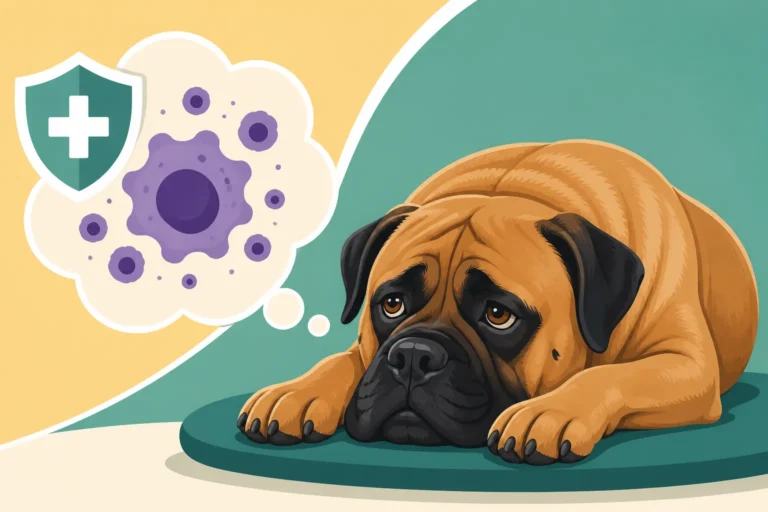
However, it's crucial to understand that remission is not always a cure. Microscopic cancer cells can remain hidden in the body, undetected by current diagnostic tools. These cells can lie dormant for a period, only to re-emerge later with renewed vigor. This is why vigilance is so important, even when your Bullmastiff seems perfectly healthy. Knowing how long remission lasts in a Bullmastiff is a common concern, and unfortunately, it varies widely.
The Nature of Lymphoma Recurrence
A lymphoma recurrence, or relapse, signifies that the hidden cancer cells have started to multiply and the disease is active again. This can happen suddenly, or it can be a gradual process where symptoms slowly creep back. Sometimes, the lymphoma reappears in the same locations it was initially found, such as the peripheral lymph nodes under the jaw, in the armpits, or behind the knees. Other times, it might manifest in new areas, affecting internal organs like the spleen, liver, or even the bone marrow, making it harder to spot early on.
The nature of the relapse can also be more aggressive than the initial presentation. The cancer cells may have developed resistance to the previous chemotherapy drugs, making subsequent treatments more challenging. This increased resistance is a significant hurdle that often needs a different approach to treatment, as the cancer has essentially learned to evade the first line of defense. Understanding this makes it clear why a new diagnostic plan is almost always needed if relapse is suspected.
Recognizing the Signs of Relapse
Identifying a lymphoma relapse early in your Bullmastiff is paramount, even though it can be incredibly difficult emotionally. Many of the signs can be subtle at first, easily mistaken for general aging or other minor ailments. However, knowing what to look for and maintaining a consistent checking routine can make a significant difference in how quickly you can respond. Remember that you know your Bullmastiff best, and any deviation from their normal behavior should warrant a closer look.
Common Physical Indicators
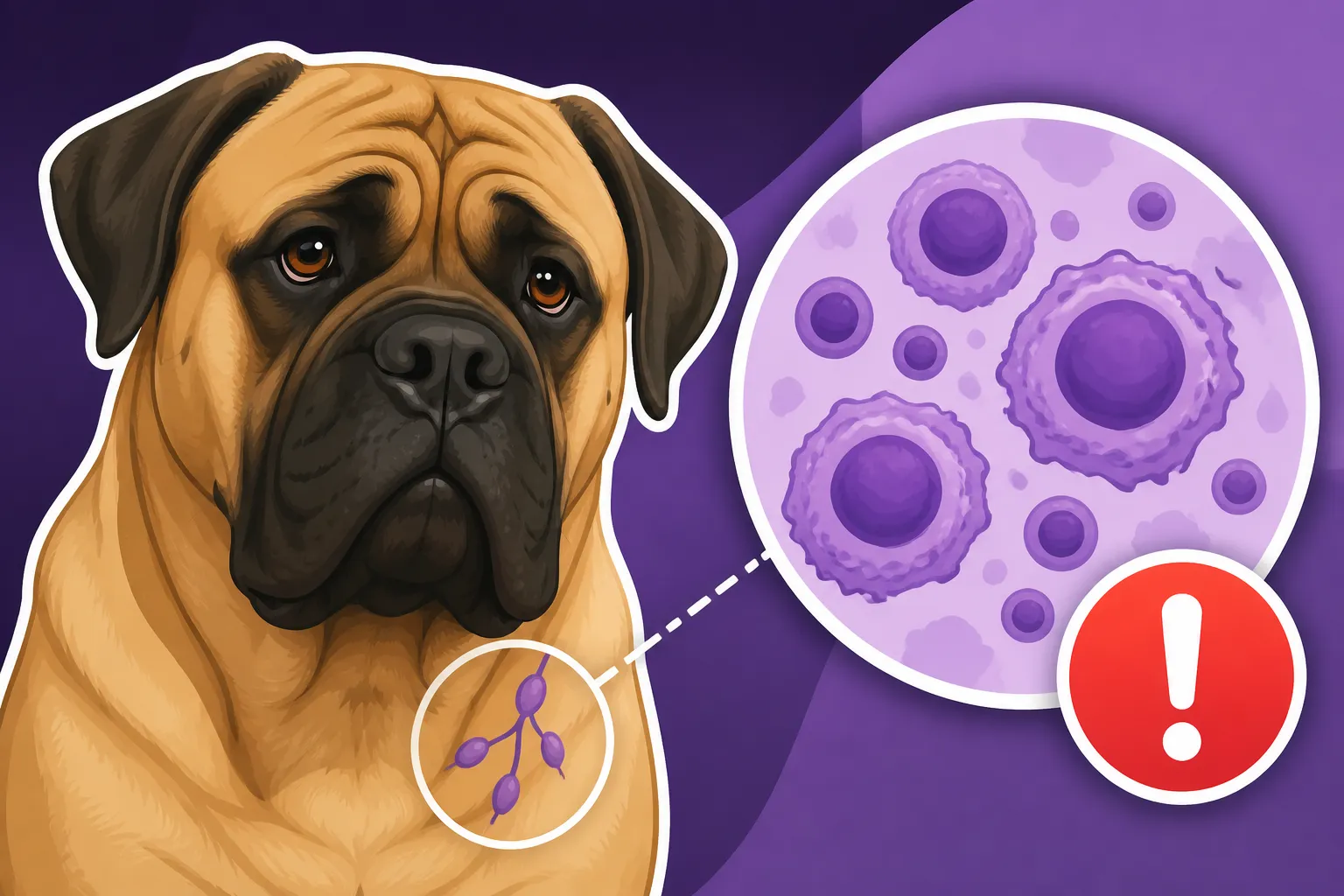
The most common and often easiest-to-spot sign of lymphoma relapse is the reappearance of swollen lymph nodes. These are typically the same nodes that were affected during the initial diagnosis. You can usually feel these under your Bullmastiff's jaw (submandibular), in front of their shoulders (prescapular), in their armpits (axillary), in their groin (inguinal), and behind their knees (popliteal). When the nodes swell, they often feel like firm, rubbery lumps that are typically non-painful to the touch. Regularly checking your Bullmastiff for lumps is a vital part of routine care, especially after a lymphoma diagnosis.
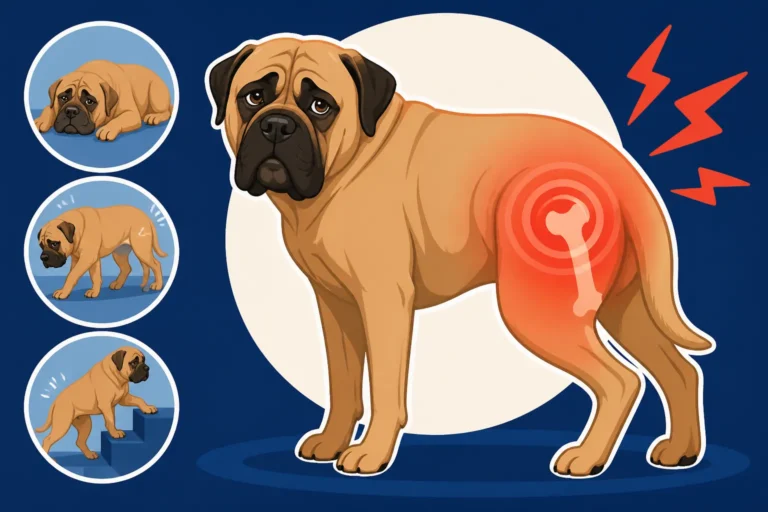
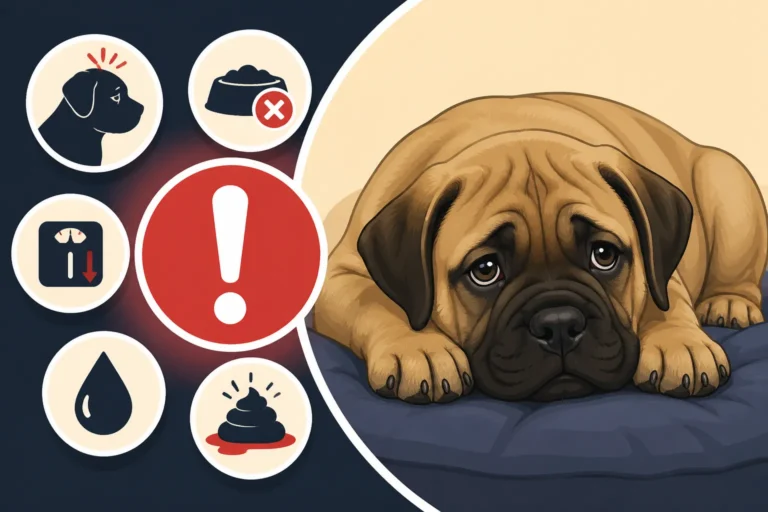
Beyond the visible lymph nodes, other physical signs can point to a relapse. Your Bullmastiff might experience unexplained weight loss, despite maintaining a good appetite. They might develop a poor coat quality, appearing dull or flaky. Some dogs may show increased thirst and urination, particularly if the lymphoma has started to affect internal organs. In more advanced cases, you might notice difficulty breathing due to enlarged lymph nodes in the chest, or abdominal distention if the spleen or liver is affected.
| Symptom Category | Initial Lymphoma Presentation | Lymphoma Relapse Presentation |
|---|---|---|
| Lymph Nodes | Often visibly enlarged, firm, non-painful. | Reappearance of enlarged nodes, potentially more widespread or rapid growth. |
| Energy Level | May be normal or slightly decreased. | Often more noticeably lethargic, reduced stamina, less interest in walks. |
| Appetite/Weight | Variable, may be normal or reduced; weight loss can occur. | More frequent appetite fluctuations, significant or rapid weight loss despite eating. |
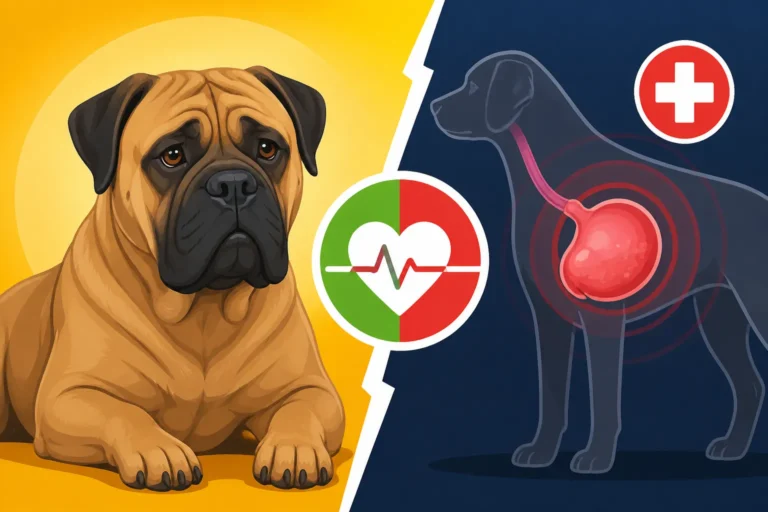
| Gastrointestinal | Less common in early stages, may see vomiting/diarrhea if GI lymphoma. | Increased likelihood of vomiting, diarrhea, or decreased appetite. |
| Other | Occasional fever, general malaise. | More pronounced general malaise, persistent fever, difficulty breathing, abdominal swelling, new sites of tumor growth. |
Behavioral Changes to Watch For
Beyond physical symptoms, behavioral changes can be a strong indicator that something is amiss. A Bullmastiff in relapse might show a noticeable decrease in energy. They might be less enthusiastic about their daily walks, less interested in playing with toys, or simply spend more time sleeping or resting. They might seem more withdrawn, less eager for interaction, or show a general disinterest in activities they once loved.
A change in appetite is also a significant red flag. While some Bullmastiffs might continue to eat normally, others may become picky, refuse meals, or show a marked decrease in their overall food intake. This can contribute to the aforementioned weight loss. Observe how your Bullmastiff responds to treats, how quickly they finish their meals, and if they start leaving food behind. Any consistent change in these patterns should be noted and discussed with your vet.
Subtle Versus Obvious Symptoms
Sometimes, the signs of relapse are not as obvious as a golf ball-sized lump under the jaw. They can be incredibly subtle, making it easy for owners to second-guess themselves. A slight drop in energy, an occasional cough, a few missed meals, or just a general "off" feeling that you can't quite pinpoint – these are all reasons to contact your veterinarian. Because Bullmastiffs are known for their stoic nature and ability to mask pain, they might hide how they're truly feeling until the disease is quite advanced. This makes your intuitive understanding of your dog even more critical.
It's tempting to dismiss subtle changes as just "getting older" or "a bad day," especially with a breed like the Bullmastiff where The Median Bullmastiff Lives Eight and a Half Years. However, given their predisposition to lymphoma, it's always safer to investigate. Even if it turns out to be nothing serious, the peace of mind is invaluable. Don't hesitate to record any observations, no matter how small, in a journal. This can help you identify patterns and provide valuable information to your veterinary oncologist.
What Happens After a Bullmastiff's Lymphoma Relapse?
Receiving the news that your Bullmastiff's lymphoma has relapsed is devastating, often feeling like a punch to the gut. It's a moment when many owners feel overwhelmed and unsure of what steps to take next. The good news is that a relapse doesn't necessarily mean the end of the road. There are still options available, though the path ahead will likely be more challenging and focused on quality of life.
Discussing Treatment Options Post-Relapse
When a Bullmastiff's lymphoma relapses, the first step is typically to re-evaluate the extent of the disease through a process called staging. This might involve blood tests, chest X-rays, abdominal ultrasound, and potentially a biopsy of an enlarged lymph node to confirm the diagnosis and determine the current stage. This information helps your veterinary oncologist tailor a new treatment plan, as the previous one may no longer be effective. Understanding what staging a Bullmastiff's lymphoma involves is crucial for this next phase.
Treatment options for relapse often involve a different chemotherapy protocol than the initial one. This might include using different drugs, a combination of drugs, or even more intensive schedules. For instance, drugs like lomustine or MOPP (Mustargen, Oncovin, Procarbazine, Prednisone) might be introduced if they weren't part of the initial protocol. Sometimes, radiation therapy can be considered for localized tumors, or even a bone marrow transplant in rare, specialized cases. The goal of these "rescue" protocols is to achieve a second remission, though these remissions are often shorter in duration compared to the first. Your vet will discuss the potential effectiveness, side effects, and cost of these options.
Managing Expectations and Quality of Life
It's vital to have an open and honest conversation with your veterinary oncologist about the prognosis after a relapse. While a second remission is possible, it is typically harder to achieve and may not last as long as the first. This doesn't mean you shouldn't pursue treatment, but it does mean setting realistic expectations for the outcome. The focus often shifts from aggressive pursuit of a cure to maximizing your Bullmastiff's quality of life for as long as possible.
This might involve careful monitoring of side effects from new chemotherapy drugs, ensuring pain management is a priority, and adjusting daily routines to accommodate your dog's changing energy levels. It’s about making sure every day is a good day, filled with comfort, love, and joy. Keeping track of how a Bullmastiff tolerates chemotherapy is essential, as the impact can be cumulative. Remember that their comfort and happiness are paramount, and sometimes, less aggressive interventions are the kindest choice.
The Role of Palliative Care
For some Bullmastiffs experiencing lymphoma relapse, particularly if they are older, have multiple comorbidities, or the cancer is extremely aggressive, intensive chemotherapy might not be the best choice. In these situations, palliative care becomes the primary focus. Palliative care is not about curing the cancer but about alleviating suffering and ensuring the highest possible quality of life.
This might involve managing pain with appropriate medications, addressing nausea and appetite issues with anti-emetics and appetite stimulants, and using corticosteroids like prednisone to reduce inflammation and provide temporary relief from tumor growth. While Whether Prednisone Alone Helps a Bullmastiff it can offer comfort for a time, it's not a long-term solution. Palliative care also encompasses emotional support for both the Bullmastiff and their family, helping you navigate this challenging time with compassion and dignity. It's about cherishing every moment and making decisions that prioritize your beloved companion's well-being above all else. Financial considerations, like What Palliative Care Costs for a Bullmastiff, should also be openly discussed with your vet to ensure you're prepared.
Coping with Relapse and Future Considerations
Discovering your Bullmastiff's lymphoma has relapsed brings a fresh wave of grief and anxiety. It’s a moment that tests your resilience and capacity for making incredibly tough decisions. As a Bullmastiff owner, you’ve already invested so much physically, emotionally, and financially into their care. Navigating a relapse requires continued strength, self-compassion, and a clear understanding of your options, both medical and personal.
The Emotional Impact on Owners
The emotional toll of a Bullmastiff's lymphoma relapse cannot be overstated. It feels like going back to square one, often with less hope and more weariness. Owners frequently experience a range of emotions, including sadness, anger, guilt, and profound exhaustion. You might question if you did enough, if you made the right choices, or if you're putting your dog through too much. These feelings are normal and valid. It’s a heavy burden to carry, especially when you consider Why Lymphoma Is Why Bullmastiffs Die Young.
It's crucial during this time to lean on your support system, whether that's family, friends, your veterinary team, or online communities of Bullmastiff owners who understand what you're going through. Share your feelings, seek advice, and allow yourself to grieve. Remember, your Bullmastiff relies on your strength and calm demeanor. Taking care of your own mental and emotional health is not selfish; it allows you to be a better caregiver for them.
Making Difficult Decisions
With a relapse, you'll likely face some of the hardest decisions a pet owner can make. These decisions often revolve around continued treatment versus focusing purely on comfort, and ultimately, knowing When Treatment Stops Being Right for a Bullmastiff. Your veterinary oncologist will present the medical options, including prognosis, potential side effects, and associated costs. For example, What a Bullmastiff's Lymphoma Chemotherapy Protocol Costs can be substantial, and these bills can arrive at a time when you might already be financially stretched.
This is where your pet insurance might provide a safety net. Companies like Healthy Paws often cover subsequent treatments for recurring conditions if your policy was active before the initial diagnosis. It's a stark reminder of Why a Bullmastiff Should Be Insured From Eight Weeks. Beyond finances, you must consider your Bullmastiff's overall quality of life. Are they still enjoying their food, going for short walks, interacting with you, and generally having more good days than bad? These are deeply personal questions that only you, with input from your vet, can answer. There's no right or wrong answer, only what is best for your unique dog and family.
Financial Planning for Continued Care
The reality of a Bullmastiff's lymphoma relapse is that it often comes with significant financial implications. Even if you managed the initial diagnosis and treatment, ongoing care can quickly accumulate. This is not just about chemotherapy; it includes diagnostic tests, supportive medications, pain management, and potentially specialized diets or mobility aids as your Bullmastiff's health declines. Many owners find themselves asking Whether a Bullmastiff's Chemotherapy Is Worth the Money, not just in terms of emotional cost, but also the practical financial outlay.
Having a robust emergency fund or comprehensive pet insurance can alleviate some of this stress. If you don't have insurance, consider discussing payment plans with your vet, seeking assistance from veterinary aid organizations, or exploring options like veterinary credit cards. Being prepared for the potential costs allows you to focus more on your Bullmastiff's well-being and less on the financial strain. Organizations like the American Bullmastiff Association often have resources or funds to help members, so it's worth checking their website or connecting with other owners in the community for advice.
Disclaimer
This article is intended for informational purposes only and does not constitute medical advice. Always consult with a qualified veterinarian or veterinary oncologist for diagnosis, treatment, and medical advice specific to your Bullmastiff's condition. While we strive to provide accurate and up-to-date information, the field of veterinary medicine is constantly evolving.