Which Other Cancers a Bullmastiff Gets
It's a heartbreaking reality for many Bullmastiff owners: these magnificent dogs, while brimming with love and loyalty, are sadly prone to a range of serious health issues, with cancer often topping the list. While lymphoma gets a lot of attention in the breed – and for good reason – it's crucial to understand that our gentle giants can also face other aggressive forms of cancer. This guide aims to shed light on some of these other devastating diagnoses, what signs to look for, and how to approach care, so you can be better prepared to advocate for your beloved companion.
Osteosarcoma in Bullmastiffs: The Bone Cancer Threat
The sheer size and robust build of a Bullmastiff are part of what we adore about them, but sadly, these very traits can predispose them to certain diseases, particularly bone cancer. Osteosarcoma is a cruel and aggressive disease, and it's one that many large and giant breed dog owners dread.
Understanding Osteosarcoma: What It Is and Why It's a Concern
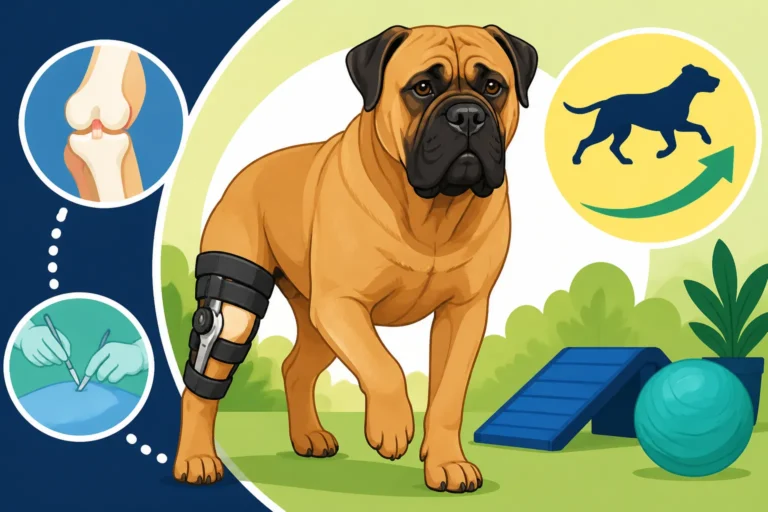
Osteosarcoma is a malignant tumor of the bone. Unlike some cancers that spread slowly, osteosarcoma is known for its aggressive local growth and its tendency to metastasize quickly, often to the lungs. For a Bullmastiff, this type of cancer typically affects the limbs, especially around the shoulder, wrist, knee, or ankle joints. It can also appear in other bones, such as the jaw or ribs, but the limbs are by far the most common site.
The frustrating part about osteosarcoma, particularly in large breeds, is that there seems to be a connection between rapid growth, heavy bone structure, and the incidence of this cancer. While the exact genetic links are still being researched, it’s a terrifying thought that the very characteristics we admire in our Bullmastiffs might, in some way, contribute to their vulnerability. Imagine your powerful, agile dog suddenly limping, and then realizing that the cause might be far more sinister than a simple sprain. The helplessness can be overwhelming.
Recognizing the Signs and Seeking Diagnosis
The most common initial sign of osteosarcoma is persistent lameness or limping, often in one of the front legs. It might start subtly, a little stiffness after a nap, or a slight favor of a leg after a vigorous play session. But then, it worsens. You might notice swelling, heat, or tenderness around the affected bone, and your dog might be reluctant to put weight on the limb or even yelp in pain if you touch it. Sometimes, the pain can be so intense that it leads to a pathological fracture, where the weakened bone simply breaks under normal stress.
Spotting these signs can fill an owner with immediate dread, especially if you're already aware of the breed's cancer predisposition. When you see your strong Bullmastiff struggling, it’s natural to jump to the worst conclusions. Your veterinarian will likely start with X-rays of the affected area. While X-rays can reveal characteristic bone lesions, a definitive diagnosis usually requires a bone biopsy. The wait for these results can be agonizing, a period of hopeful denial mixed with profound fear for your cherished companion. It's a journey no pet owner wants to embark on, and the emotional toll is immense.
Treatment Options and Prognosis for Bone Cancer
Once diagnosed, the treatment for osteosarcoma is challenging and often involves a multi-modal approach. For tumors in the limbs, amputation of the affected leg is often recommended to remove the primary tumor and alleviate pain. While the thought of amputation is daunting, many Bullmastiffs adapt surprisingly well, especially given their stoic nature. They are often less concerned with the loss of a limb than we are, as long as their pain is managed.
Beyond surgery, chemotherapy is typically advised to combat the microscopic spread of cancer cells, helping to delay metastasis and improve survival times. Chemotherapy for dogs is generally less aggressive than for humans, focusing more on quality of life, but it still comes with potential side effects and, of course, significant cost. Some owners also explore palliative care, focusing purely on pain management and comfort, especially if the cancer has already spread or if surgery isn't an option. Making these difficult choices, weighing the potential benefits against the risks and financial burden, is one of the toughest parts of Bullmastiff ownership. This is where having pet insurance like Healthy Paws can truly make a difference, easing the financial strain of extensive treatments and allowing you to focus on your dog's well-being without crippling debt worries.
Hemangiosarcoma: The Silent Killer of Internal Organs
Another terrifying cancer that unfortunately affects Bullmastiffs, as well as many other large breeds, is hemangiosarcoma. This one is particularly insidious because it often gives no warning signs until it's too late.
What is Hemangiosarcoma and Why It's So Dangerous
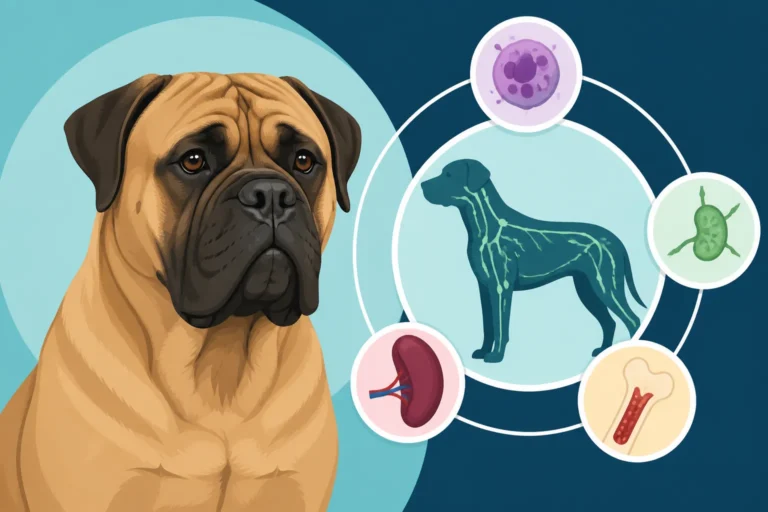
Hemangiosarcoma is a rapidly spreading cancer of the lining of blood vessels. It can occur anywhere in the body where blood vessels are present, but it most commonly affects the spleen, heart, and sometimes the liver. Because these tumors are made of blood vessel cells, they are incredibly fragile and prone to rupturing, leading to internal bleeding.
The danger lies in its silent nature. A tumor can grow quite large on an internal organ like the spleen without showing any external symptoms. Your Bullmastiff might seem perfectly normal one day, running and playing, and then suddenly collapse due to massive internal hemorrhage. This sudden, catastrophic onset is what makes hemangiosarcoma such a silent killer and so devastating for owners. You feel blindsided, helpless, and robbed of any chance to prepare. It's a grim reminder that even when your Bullmastiff looks the picture of health, hidden dangers can be lurking.
Recognizing Subtle Symptoms and Emergency Situations
While often silent, there can be subtle signs if you're observant. Your Bullmastiff might exhibit unexplained lethargy, seeming more tired than usual. Their gums might appear paler than normal, indicating anemia from slow, chronic bleeding. You might notice a distended or swollen abdomen, particularly if the bleeding is occurring from a splenic tumor. Other signs can include general weakness, a reluctance to eat, or even difficulty breathing if a tumor is affecting the heart.
However, the most common presentation is a sudden, acute crisis: your Bullmastiff collapses, becomes extremely weak, or struggles to breathe. This is a life-threatening emergency, requiring immediate veterinary attention. Time is of the essence, and rushing to an emergency vet is crucial. The shock of such an event can be deeply traumatic. One moment you're cuddling your best friend, the next you're in a desperate race against time, trying to understand what happened. This is why being aware of conditions like Bloat in a Bullmastiff, which also presents as a sudden emergency, is so important, though hemangiosarcoma is a completely different mechanism.
Diagnosis and Difficult Treatment Choices
Diagnosing hemangiosarcoma often happens in an emergency setting. Your vet will likely perform an abdominal ultrasound or chest X-rays to look for internal masses or fluid accumulation (blood). Blood tests might show severe anemia. If a splenic mass is found and your dog is stable enough, emergency surgery to remove the spleen (splenectomy) is usually performed. However, even with successful removal of the primary tumor, the prognosis remains guarded.
Unfortunately, hemangiosarcoma is highly metastatic, meaning it has a strong tendency to spread to other organs before the primary tumor is even detected. This is why, even after surgery, chemotherapy is often recommended to try and delay the inevitable recurrence or spread. Even with aggressive treatment, the median survival time is typically short, often only a few months. Owners often face the agonizing decision of how much intervention is right, knowing the disease's aggressive nature. It's an emotionally and financially draining battle, and again, having a comprehensive pet insurance plan from providers like Healthy Paws can help cover the high costs associated with emergency surgery, diagnostics, and ongoing chemotherapy, providing some peace of mind during an incredibly stressful time.
Mast Cell Tumors: Skin Lumps and Internal Troubles
While not as immediately catastrophic as hemangiosarcoma or as visibly painful as osteosarcoma, mast cell tumors are another frequent and worrying cancer for Bullmastiffs. These tumors can be tricky, as they come in many forms and can sometimes mimic other, more benign growths.
The Range of Mast Cell Tumors in Bullmastiffs
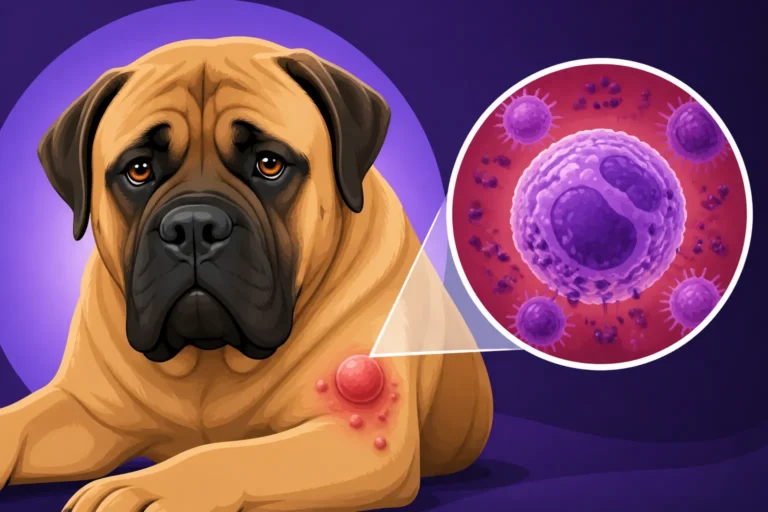
Mast cell tumors arise from mast cells, which are part of the immune system and involved in allergic reactions and inflammation. In Bullmastiffs, these tumors are most commonly found on or under the skin, appearing as a lump or bump. However, they can also occur internally, affecting organs like the spleen, lymph nodes, or bone marrow, which makes them much harder to detect.
The concern with mast cell tumors isn't just their presence, but their "grade." These tumors are graded based on how aggressive they appear under a microscope (Grade I, II, or III), with Grade I being the least aggressive and Grade III being the most malignant and prone to spreading. The frustrating thing for owners is that a Grade I tumor might look exactly the same as a Grade III tumor on the surface. Every new lump or bump on your Bullmastiff will send a ripple of anxiety through you, and rightly so, given the breed's propensity for these growths. For more information on identifying these, consider reading about Mast Cell Tumors and the Lumps on a Bullmastiff.
Identifying Suspicious Lumps and Early Intervention
Given how common and varied mast cell tumors can be, knowing How to Check a Bullmastiff for Lumps is absolutely vital. Regularly running your hands over your Bullmastiff's body, feeling for any new bumps, changes in existing ones, or areas of thickened skin, is one of the most proactive things you can do. Pay close attention to the head, neck, limbs, and trunk. Any new lump, regardless of its size or how innocent it appears, should be brought to your veterinarian's attention.
The good news is that diagnosing a mast cell tumor is relatively straightforward and non-invasive. A fine needle aspirate (FNA), where your vet uses a small needle to collect cells from the lump, can often provide an initial diagnosis. If mast cells are present, surgical removal is usually recommended, often with wide margins to ensure all cancerous cells are removed. Getting a quick diagnosis can bring immense relief if it's benign, or allow for prompt action if it's cancerous, which can significantly improve the outcome for your dog.
Treatment Approaches and Monitoring
The primary treatment for mast cell tumors, especially those on the skin, is surgical removal. The goal is to remove the tumor completely, along with a wide margin of healthy tissue around it to ensure no cancerous cells are left behind. For higher-grade tumors, or those that have already spread, additional treatments like chemotherapy or radiation therapy may be recommended.
After treatment, regular monitoring is crucial. Your Bullmastiff should be checked frequently for any new lumps or signs of recurrence. This vigilant approach is part of the ongoing commitment to their health. While it can feel like a constant battle against the odds, proactive care and immediate action upon discovering any suspicious lumps are key to managing mast cell tumors effectively in your Bullmastiff.
General Cancer Risk and Proactive Management
The reality is that Bullmastiffs face an elevated risk for various cancers beyond just lymphoma, osteosarcoma, and hemangiosarcoma. Understanding this broad predisposition, and adopting a proactive approach to their health, is paramount to giving them the best chance at a long, happy life.
Understanding Breed Predisposition
It’s a tough pill to swallow, but our beloved Bullmastiffs, like many purebred dogs, have genetic predispositions that unfortunately make them more susceptible to certain diseases, including various forms of cancer. While scientific research is continually advancing, pinpointing the exact genetic markers for every cancer in Bullmastiffs remains a complex challenge. What we do know is that a combination of genetics, environmental factors, and simply their large size contributes to this increased risk.
This predisposition can feel incredibly unfair. You do everything right – you feed them well, provide love and exercise, ensure they get regular vet care – yet the shadow of cancer still looms larger than it does for many other breeds. It's a source of frustration and anxiety for every dedicated Bullmastiff owner, knowing that despite all your efforts, you're always on guard. For a deeper dive into the health challenges specific to the breed, understanding Why Bullmastiffs Carry So Much Lymphoma Risk can provide valuable context to their general cancer susceptibility.
The Importance of Regular Vet Checks and Early Detection
Given the Bullmastiff's inherent cancer risk, regular veterinary check-ups become even more critical. These aren't just routine appointments; they are your frontline defense. Annual wellness exams are a must, and as your Bullmastiff ages, your vet might even recommend semi-annual visits. During these visits, be sure to discuss any changes, no matter how minor they seem. Has your dog been less active? Is there a subtle change in appetite? Have you noticed any new lumps or bumps, even tiny ones?
Your veterinarian is your most valuable partner in early detection. They can perform thorough physical exams, feeling for enlarged lymph nodes (a sign of Signs a Bullmastiff Has Lymphoma), abdominal masses, or suspicious skin lesions. Bloodwork and urinalysis can also sometimes catch early indicators of internal issues. For general health insights, you might be interested in What Most Bullmastiffs Die Of to understand common health trends in the breed. Catching cancer early, before it has a chance to spread extensively, often offers the best prognosis and the widest range of treatment options. This proactive vigilance is a key part of Caring for an Aging Bullmastiff, as senior dogs are naturally more prone to developing cancers.
Supporting Your Bullmastiff Through Cancer Treatment
If your Bullmastiff is diagnosed with cancer, whether it's osteosarcoma, hemangiosarcoma, or any other type, the journey ahead can be incredibly challenging, both emotionally and practically. Your primary focus will shift to maintaining their quality of life, managing pain, and exploring treatment options with your veterinary oncology team. This often involves careful nutritional support, ensuring they're eating well and getting the right nutrients, and providing comfort through soft bedding and appropriate pain medication.
The emotional toll on owners during this time cannot be overstated. It’s a period of intense worry, difficult decisions, and often, immense financial stress. This is precisely why pet insurance, like a comprehensive plan from Healthy Paws, can be an absolute lifesaver. Knowing that a significant portion of your vet bills for diagnostics, surgery, chemotherapy, or radiation might be covered allows you to make decisions based on what’s best for your Bullmastiff, rather than solely on your bank account. The average lifespan of a Bullmastiff is already shorter than many other breeds; The Median Bullmastiff Lives Eight and a Half Years, and cancer can unfortunately shorten it further. Being prepared, both emotionally and financially, can help you navigate these tough times with more confidence and provide your beloved Bullmastiff with the best possible care for as long as possible. Understanding What Chemotherapy Costs for a Bullmastiff can give you a realistic picture of potential financial commitments.
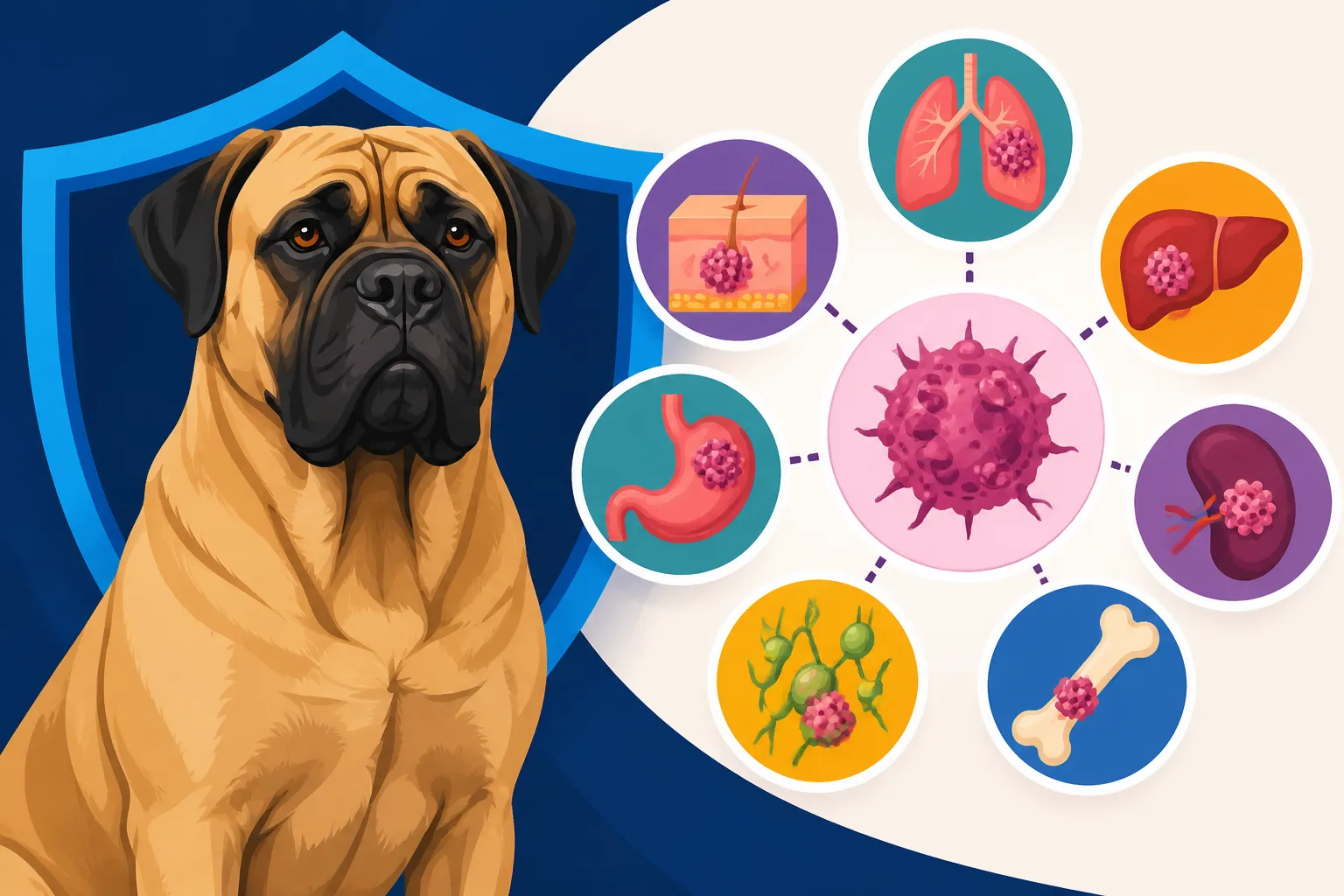
Here's a quick overview of some common Bullmastiff cancers:
| Cancer Type | Common Locations | Key Signs to Watch For | Typical Aggressiveness |
|---|---|---|---|
| Lymphoma | Lymph nodes, spleen, liver | Enlarged lymph nodes (neck, armpits), lethargy, weight loss | High |
| Osteosarcoma | Long bones (limbs) | Persistent lameness, swelling, pain in affected limb | Very High |
| Hemangiosarcoma | Spleen, heart, liver | Sudden collapse, pale gums, lethargy, distended abdomen | Very High |
| Mast Cell Tumor | Skin (lumps), internal | New skin lumps, changing lumps, sometimes redness/swelling | Variable (Grade I-III) |
| Soft Tissue Sarcoma | Skin, subcutaneous tissue | Firm, fixed lump under skin, often grows slowly | Moderate to High |
Remember, keeping your Bullmastiff lean is also crucial for overall health and can impact their longevity. You can learn more about this in Keeping a Bullmastiff Lean Is the Best Thing You Can Do.
Disclaimer
This article is intended for informational purposes only and does not constitute veterinary advice. Always consult with a qualified veterinarian for any health concerns or before making any decisions about your pet's medical care.