Why a Bullmastiff With Severe Stenosis Collapses
It's incredibly frightening to witness your majestic Bullmastiff, a dog known for its stoic presence, suddenly collapse. For owners whose beloved companions suffer from severe subaortic stenosis (SAS), this terrifying event is a very real and heartbreaking possibility. Understanding why a Bullmastiff with severe stenosis collapses is crucial for managing their condition, recognizing warning signs, and providing the best possible care to these special dogs.
Understanding Subaortic Stenosis in Bullmastiffs
Subaortic stenosis is a congenital heart condition, meaning it's present from birth, and it's unfortunately common in certain large breeds, including our Bullmastiffs. It's a condition that fundamentally alters the way a Bullmastiff's heart functions, creating challenges that can lead to severe complications.
The Heart's Plumbing Problem: A Narrowed Outflow Tract
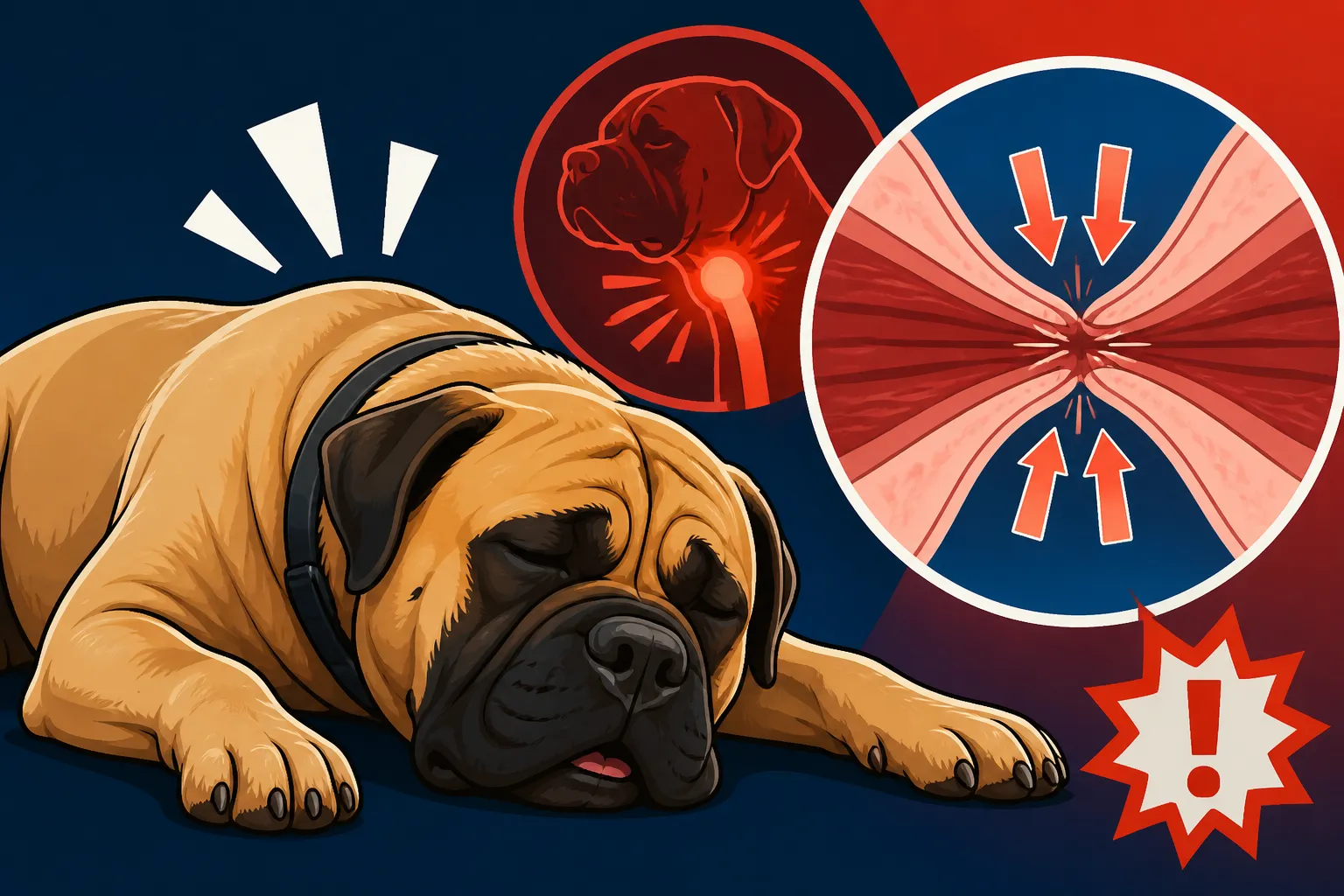
Imagine your Bullmastiff's heart as a powerful pump, designed to circulate blood efficiently throughout their large body. Now, picture the main artery leaving the left side of that pump – the aorta – which is responsible for carrying oxygen-rich blood to the entire body. In a Bullmastiff with subaortic stenosis, there's a narrowing, or "stenosis," just below the aortic valve, right at the exit of the left ventricle. This narrowing is usually caused by a ring of fibrous tissue that obstructs the blood flow.
Think of it like a kink in a garden hose. If you have a strong water pump, but a kink in the hose, the water struggles to get through, and the pump has to work much harder. That's essentially what happens to your Bullmastiff's heart. The left ventricle, the heart's strongest chamber, has to generate abnormally high pressure to force blood through this constricted area. It's a constant, uphill battle for their heart, starting long before you might even see symptoms. This condition is often present even before they reach their first birthday, meaning Subaortic Stenosis Is There Before a Bullmastiff's First Birthday.
How Severe SAS Changes the Heart
When the heart has to work overtime, it starts to change. The muscle walls of the left ventricle thicken, a process known as concentric hypertrophy. This thickening is initially the body's attempt to compensate for the increased workload, making the muscle stronger to push blood through the obstruction. However, this compensatory mechanism isn't sustainable or beneficial long-term.
As the muscle wall thickens, the chamber actually becomes less flexible and can hold less blood. The heart muscle itself may not receive adequate blood flow because the coronary arteries, which supply the heart muscle, are also under increased strain. This means the powerful heart muscle of your Bullmastiff, which is trying so hard, actually becomes less efficient and more vulnerable to damage over time. The increased pressure and turbulence created by the narrowed outflow tract can also damage the aortic valve itself, further complicating matters. It's a cascade of events that ultimately compromises the entire cardiovascular system, which is part of What Subaortic Stenosis Does to a Bullmastiff.
The Mechanics of Collapse in Severe SAS
The physical collapse of a Bullmastiff with severe subaortic stenosis is not just a sign of weakness; it's a critical event rooted in the heart's inability to meet the body's demands, especially under stress. It's a moment when the heart simply can't keep up.
Not Enough Blood to the Brain: Syncope
The most common reason a Bullmastiff with severe SAS collapses is a phenomenon called syncope, or fainting. This happens when there isn't enough oxygen-rich blood reaching the brain. In dogs with severe SAS, the narrowing beneath the aortic valve drastically reduces the amount of blood that can be pumped out to the body, particularly when demands increase.
Imagine your Bullmastiff gets excited to see you after a long day, or they engage in a burst of play in the yard. Their body's tissues, especially the brain and muscles, suddenly need more oxygen and nutrients. A healthy heart can easily increase its output to meet this demand. But a heart struggling against severe stenosis cannot. The left ventricle, despite its thickened walls, simply cannot push enough blood past the obstruction quickly enough. When the brain is deprived of oxygen for even a short period, the dog will lose consciousness and collapse. This can happen swiftly and without much warning, leaving you feeling helpless.
Arrhythmias and Cardiac Events
Beyond the simple lack of blood flow, severe subaortic stenosis can also lead to dangerous electrical instability in the heart. The constant strain on the heart muscle can irritate the electrical pathways that regulate heartbeats, leading to abnormal heart rhythms, or arrhythmias. These arrhythmias can be extremely serious, causing the heart to beat too fast, too slow, or erratically.
When the heart isn't beating in a coordinated, effective manner, its ability to pump blood is further compromised, even more so than by the stenosis alone. A severe arrhythmia can cause a sudden, drastic drop in blood pressure and cardiac output, leading to immediate collapse. In the most tragic cases, these arrhythmias can be fatal, resulting in sudden cardiac death. This is one of the most devastating outcomes associated with severe SAS, and it's why monitoring and management are so critical.
The Triggers: When the Heart is Pushed Too Far
Understanding the triggers that can lead to collapse is paramount for owners of Bullmastiffs with severe SAS. These triggers are anything that increases the heart's workload beyond its compromised capacity.
- Excitement: A highly anticipated walk, a visitor at the door, or even intense greetings can cause a surge of adrenaline. This adrenaline makes the heart beat faster and harder, attempting to pump more blood. For a heart already struggling with a severe obstruction, this increased demand can be the tipping point, leading to insufficient blood flow to the brain and collapse.
- Exercise: This is perhaps the most obvious trigger. While some moderate exercise might be tolerated by dogs with milder forms of SAS, any strenuous activity like running, prolonged fetching, or even energetic wrestling with another dog can quickly overwhelm a severely stenotic heart. The body's demand for oxygen increases dramatically, and the heart simply cannot deliver. This is precisely why considering Whether a Bullmastiff With Stenosis Should Be Exercised needs careful thought and veterinary guidance, with strict limitations typically advised.
- Heat and Humidity: Bullmastiffs are already prone to overheating due to their brachycephalic (short-nosed) structure. When you add severe SAS to the equation, heat becomes an even greater danger. High temperatures increase the body's metabolic demands and can further stress the cardiovascular system, making it even harder for the heart to cope and increasing the risk of collapse.
- Stress: Any situation that causes significant stress or anxiety in your Bullmastiff can also elevate heart rate and blood pressure, potentially pushing an already compromised heart past its limit.
These triggers highlight why a calm, controlled environment is so important for these dogs, and why careful management of their daily routine is essential to prevent these terrifying episodes.
Recognizing the Signs and What to Do
The moments leading up to a collapse, or during one, are terrifying. Being able to recognize subtle warning signs and knowing how to react quickly can make a significant difference for your Bullmastiff.
Subtle Warning Signs Before a Collapse
While collapse can seem sudden, there are often subtle cues that your Bullmastiff's heart is struggling. These aren't always specific to SAS, but if your dog has been diagnosed, any of these should raise a red flag:
- Increased Lethargy or Weakness: Your usually active Bullmastiff might be less interested in play, seem tired more often, or struggle to get up. They might seem generally weaker.
- Coughing or Shortness of Breath: Though less common with pure SAS (more with congestive heart failure), some Bullmastiffs might develop a cough, especially after exertion, or pant excessively even at rest.
- Reluctance to Exercise: They might lag behind on walks, refuse to go up stairs, or simply opt out of activities they once enjoyed. This isn't just stubbornness; it could be their body telling them they can't handle it.
- Fainting Episodes (Mild Syncope): Sometimes, prior to a full collapse, your Bullmastiff might have very brief, almost imperceptible moments of weakness or staggering that quickly resolve. These are mini-collapses and are a huge warning.
- Pale Gums: Check your Bullmastiff's gums. If they appear paler than their usual healthy pink, it indicates poor circulation and insufficient oxygenation.
These signs underscore the importance of regular veterinary check-ups for any Bullmastiff diagnosed with a heart murmur or SAS, starting from when The Age Subaortic Stenosis Is Found in a Bullmastiff.
What a Collapse Looks Like and Immediate First Aid
When a Bullmastiff with severe SAS collapses, it's a dramatic and distressing event.
- Sudden Onset: The collapse is typically very sudden. Your dog might be walking, playing, or just standing, and then suddenly fall to the ground.
- Loss of Consciousness: They will likely lose consciousness, meaning their eyes might be open but unresponsive, and they won't react to your voice or touch. Their muscles may go limp, or they might stiffen briefly.
- Pale or Bluish Gums: During a collapse, their gums will often be extremely pale or even take on a bluish tint, indicating severe oxygen deprivation.
- Temporary Recovery: Most syncope episodes are brief, lasting from a few seconds to a minute or two. Your Bullmastiff might then slowly regain consciousness, appearing disoriented or weak for a short time afterwards.
Immediate First Aid Steps:
- Stay Calm: This is easier said than done, but panicking won't help your dog. Take a deep breath.
- Ensure Safety: Move your Bullmastiff to a safe, quiet, and cool spot. If they collapsed outside in the sun, get them into the shade immediately.
- Check Breathing and Pulse: Gently check for breathing and a heartbeat. If there is no breathing or heartbeat, you will need to perform CPR, but this is a rare outcome for a simple syncopal episode.
- Cool Them Down: If your Bullmastiff is hot, gently wet their paws, ears, and groin with cool (not ice-cold) water. Use a fan if available.
- Seek Veterinary Attention IMMEDIATELY: Even if your Bullmastiff recovers quickly, a collapse is a medical emergency. You need to get them to the nearest emergency veterinary clinic right away. Call ahead if possible to let them know you're coming and what's happened.
Remember, a syncopal episode in a Bullmastiff with severe SAS is a clear indication that their heart is failing to adequately perfuse their body, and it warrants urgent veterinary intervention to assess and adjust their management plan.
Managing Life with Severe SAS
Living with a Bullmastiff diagnosed with severe subaortic stenosis requires dedication, careful management, and a close partnership with your veterinarian. The goal is to minimize symptoms, prevent collapses, and maintain the best possible quality of life for your cherished companion.
Medications and Ongoing Monitoring
Medication is a cornerstone of managing severe SAS. Your veterinarian or a veterinary cardiologist will typically prescribe medications aimed at reducing the heart's workload and improving its efficiency.
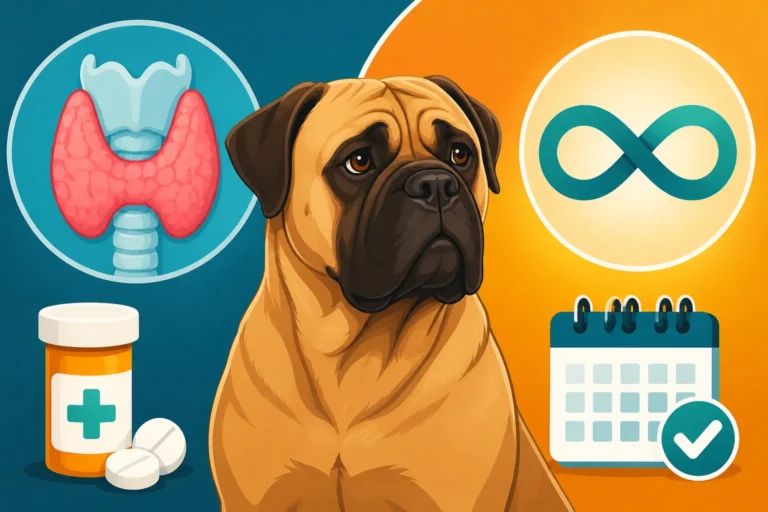
- Beta-blockers: The most common class of drugs used for SAS are beta-blockers, such as atenolol. These medications work by slowing the heart rate and decreasing the force of the heart's contractions. By doing this, they effectively reduce the amount of blood the heart has to push through the narrowed aorta with each beat, lowering the pressure gradient across the obstruction and giving the heart muscle more time to relax and fill. This can significantly reduce the risk of syncope and arrhythmias. You may find specific dosages and common options in resources like Which Medication a Bullmastiff With Stenosis Takes.
- Other Cardiac Medications: Depending on how severe the disease is and if other complications like arrhythmias are present, additional medications might be prescribed. These could include anti-arrhythmic drugs, diuretics if there's any sign of congestive heart failure, or even ACE inhibitors, though beta-blockers remain the primary treatment for SAS itself.
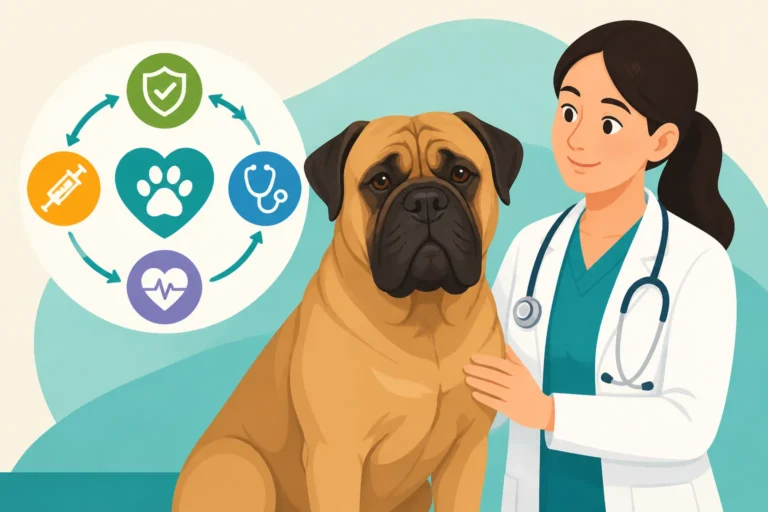
- Regular Veterinary Check-ups: Ongoing monitoring is non-negotiable. Your Bullmastiff will need frequent check-ups, often with a veterinary cardiologist. These visits will involve physical exams, listening for Signs a Bullmastiff Has a Heart Murmur, and potentially repeat echocardiograms to assess the progression of the disease and the effectiveness of the medication. Having pet insurance like Healthy Paws, which is known for its comprehensive coverage, can be incredibly helpful for managing these frequent specialist visits and the cost of lifelong medication. These specialized check-ups, especially an echocardiogram, are critical to understanding the specific severity of the stenosis and guiding treatment. The thought of extensive tests like an echocardiogram, which can be pricey (What an Echocardiogram Costs on a Bullmastiff), can be daunting, but having a robust pet insurance policy, such as one from Healthy Paws, can make these critical diagnostic steps more accessible.
Lifestyle Adjustments for a Healthier Heart
Medication alone isn't enough; significant lifestyle adjustments are essential to support your Bullmastiff's compromised heart.
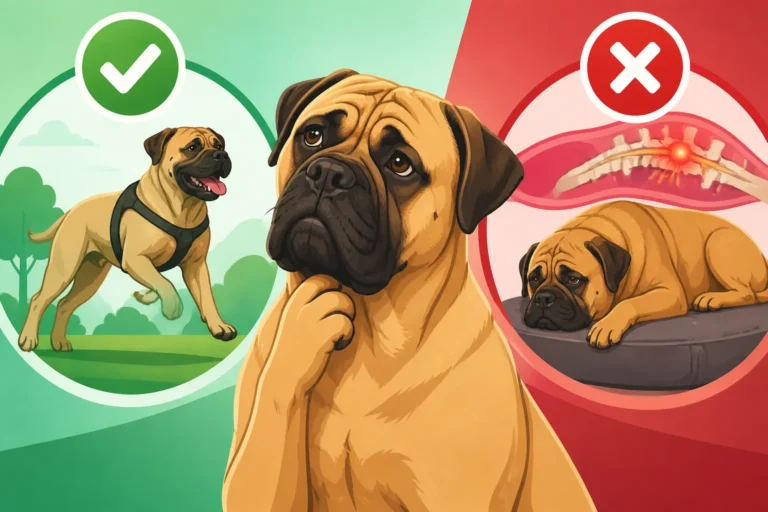
- Strict Exercise Limitation: This is perhaps the most critical adjustment. All strenuous exercise must be eliminated. This means no running, no intense playing, and no long, brisk walks. Instead, focus on short, calm leash walks, multiple times a day if desired, but always keeping excitement and exertion to a minimum. Avoid situations that will cause them to get overly excited or pant heavily.
- Avoid Overheating: Bullmastiffs are already susceptible to heatstroke. For a dog with severe SAS, overheating can be deadly. Keep your Bullmastiff indoors in air conditioning during warm weather. Limit outdoor time to early mornings or late evenings when temperatures are cooler. Always ensure they have access to fresh water.
- Stress Reduction: Minimize any sources of stress or overexcitement. This might mean managing introductions to new people or dogs carefully, avoiding loud or chaotic environments, and maintaining a consistent, predictable daily routine. A calm home environment is paramount.
- Weight Management: Keeping your Bullmastiff at a lean, healthy weight is incredibly important. Excess weight puts additional strain on the heart, making its already difficult job even harder. Work with your vet to establish an ideal body condition score and a feeding plan to achieve it.
- Consider a Harness: While you should avoid pulling, a comfortable, well-fitting harness can be safer than a collar for walks, as it avoids any pressure on the neck that could interfere with blood flow to the head during exertion.
By implementing these lifestyle changes, you are actively helping your Bullmastiff's heart to conserve its energy and function within its limitations.
The Prognosis and Quality of Life
The prognosis for Bullmastiffs with severe subaortic stenosis can be guarded. While medications and careful management can extend their lives and improve their quality of life, it's important to be realistic. The severity of the stenosis and the presence of arrhythmias significantly impact the long-term outlook. Some Bullmastiffs with severe SAS may live only a few years, while others, with diligent care, might live longer, though often not reaching the average lifespan for the breed, which is typically The Median Bullmastiff Lives Eight and a Half Years.
The focus of care becomes centered on maintaining comfort and a good quality of life for as long as possible. This means being vigilant for any worsening symptoms, adhering strictly to medication schedules, and being prepared for potential emergencies. Investing in pet insurance, like a plan from Healthy Paws, early in your Bullmastiff's life can be a game-changer when facing a condition with such significant and ongoing medical needs, helping to cover unexpected emergencies and routine specialist care, which can quickly add up to a substantial portion of What a Bullmastiff Costs Over Its Lifetime.
It's a challenging journey, but the unwavering love and gentle spirit of a Bullmastiff make every effort worthwhile. Your dedication to their care can provide them with comfortable, cherished years, even with the shadow of this serious heart condition.
| Aspect of SAS Management | Key Actions | Rationale |
|---|---|---|
| Medication | Administer prescribed beta-blockers (e.g., atenolol) consistently. Follow vet's instructions for other cardiac meds. | Reduces heart rate and contraction force, decreases pressure across stenosis, lowers risk of collapse and arrhythmias. |
| Exercise | Strict limitation of strenuous activity; short, calm leash walks only. Avoid intense play, running. | Prevents overwhelming the compromised heart, reduces oxygen demand, minimizes risk of syncope. |
| Environment | Keep cool (AC in summer), avoid extreme heat/humidity, minimize stress/excitement. | Prevents overheating, which stresses the cardiovascular system; reduces adrenaline surges that trigger cardiac events. |
| Diet & Weight | Maintain a lean body condition through controlled feeding. | Reduces overall workload on the heart; prevents obesity-related health complications. |
| Monitoring | Regular veterinary check-ups, including cardiology visits and echocardiograms. | Tracks disease progression, assesses medication effectiveness, identifies new complications (e.g., arrhythmias). |
| Emergency Preparedness | Know first aid for collapse, have emergency vet contact, consider pet insurance. | Enables rapid response during a crisis, provides financial support for critical care. |
Disclaimer
The information provided in this guide is for informational purposes only and does not constitute veterinary medical advice. Always consult with a qualified veterinarian or veterinary cardiologist for any health concerns or before making any decisions about your Bullmastiff's medical care.