Whether a Bullmastiff Snores
Living with a Bullmastiff often means sharing your home with a symphony of unique sounds, and among them, snoring can easily take center stage. For many Bullmastiff owners, the deep, rumbling snores can range from charming background noise to a nightly disturbance, leaving you wondering if it's just a normal breed quirk or something more serious. This guide will delve deep into why Bullmastiffs are particularly prone to snoring, what factors can influence its intensity, and when those nightly noises might indicate it's time for a chat with your vet.
Understanding Why Bullmastiffs Snore So Loudly
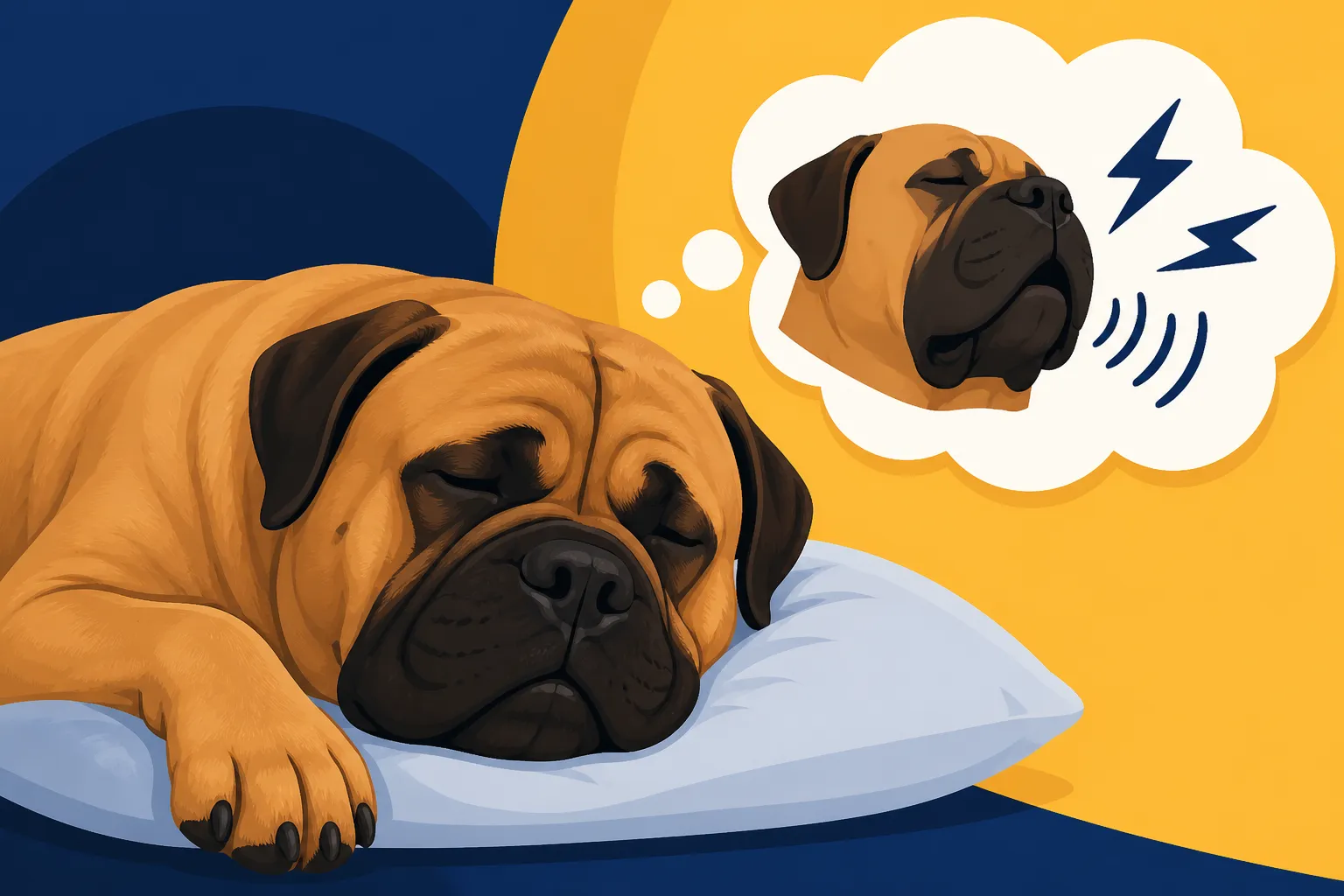
It’s easy to joke about a Bullmastiff's impressive snoring capabilities, but there are some very real, anatomical reasons why these gentle giants are often such prodigious snorers. It’s not just a cute habit; it’s rooted in their unique physical makeup.
Brachycephalic Anatomy and Airway Obstruction
One of the primary culprits behind a Bullmastiff's snoring is their brachycephalic (short-nosed) head structure. While not as extreme as some other brachycephalic breeds, Bullmastiffs do possess a relatively short muzzle and a broad head. This distinct facial structure means that the soft tissues within their airways are often more crowded than in dogs with longer muzzles. Imagine trying to fit the same amount of tissue into a smaller space – it creates a narrower passage for air to flow through. When your Bullmastiff inhales and exhales during sleep, the air has to push through these constricted passages, causing the soft tissues to vibrate. This vibration is what we hear as snoring. It’s a bit like a bottleneck in a pipe; the harder the air tries to get through, the more turbulent it becomes, and the more noise it makes. This is a fundamental reason why many people ask, Whether a Bullmastiff Has Breathing Problems in general.
Soft Palate, Enlarged Tonsils, and Other Contributors
Beyond the general brachycephalic structure, several specific anatomical features can exacerbate snoring in Bullmastiffs. Many Bullmastiffs have an elongated soft palate, which is the fleshy part at the back of the roof of their mouth. If this palate is too long, it can partially block the entrance to the trachea (windpipe) when the dog relaxes during sleep. As air passes over it, it vibrates, leading to those loud, often snorting sounds. Think of it like a flag flapping in the wind, only it's inside your dog's throat.
Furthermore, some Bullmastiffs might have enlarged tonsils or even laryngeal saccules that are everted (pulled inward). These conditions, while less common than an elongated soft palate, can further obstruct airflow. Over time, chronic inflammation from breathing difficulties can also lead to swelling in these areas, worsening the issue. This is why a vet examining a snoring Bullmastiff often looks beyond just the nose, carefully checking the entire upper airway for any abnormalities that might be contributing to the nightly cacophony. It's a complex interplay of inherited traits and soft tissue dynamics that makes Bullmastiff snoring such a prominent part of their personality.
Factors That Worsen Bullmastiff Snoring
While some snoring is almost a given for a Bullmastiff, there are several environmental and lifestyle factors that can turn a mild rumble into a full-blown roar, making those nights a little less peaceful for everyone in the house.
Weight, Allergies, and Sleeping Position
One of the most significant factors influencing a Bullmastiff’s snoring is their weight. Just like in humans, extra weight around the neck and throat area can add pressure to the airways, narrowing them further and increasing the likelihood and intensity of snoring. Keeping a Bullmastiff lean is not just good for their joints and overall health; it can also significantly improve their breathing and reduce snoring. Many owners don't realize that even a few extra pounds can make a noticeable difference. This ties directly into the importance of Keeping a Bullmastiff Lean Is the Best Thing You Can Do for their long-term well-being.
Allergies can also play a major role. If your Bullmastiff is reacting to pollen, dust mites, or even certain foods, they might experience inflammation in their nasal passages and throat, leading to increased congestion and, you guessed it, louder snoring. Just think about how congested you feel with a cold; your dog experiences similar discomfort.
Finally, sleeping position matters. A Bullmastiff sleeping on their back, with their head tilted, might have their tongue or soft palate fall back further, creating more obstruction. You might notice that your dog snores less when curled up on their side compared to sprawled out like a giant, furry rug. Observing their preferred sleeping positions and how it correlates with snoring can sometimes offer simple, immediate relief.
Environmental Triggers and Humidity
The environment your Bullmastiff sleeps in can also impact their snoring. Dry air, especially in homes with heating or air conditioning running constantly, can dry out mucous membranes in their nasal passages and throat. This dryness can lead to irritation and swelling, which in turn restricts airflow and amps up the snoring volume. Using a humidifier in the room where your Bullmastiff sleeps can sometimes help to moisten the air and soothe their airways, potentially leading to quieter nights.
Additionally, household irritants like dust, strong cleaning product fumes, or cigarette smoke can also irritate a Bullmastiff's respiratory system. These irritants can cause inflammation and congestion, mimicking allergy symptoms and worsening snoring. Ensuring a clean, well-ventilated sleeping area, free from harsh chemicals or allergens, can go a long way in promoting clearer breathing and reducing snoring. It's about creating a comfortable, healthy environment that minimizes any added stress on their already compromised airways.
When Snoring Signals a Bigger Problem
While some level of snoring is often normal for a Bullmastiff, it's crucial for owners to differentiate between typical breed-specific snores and those that might indicate a more serious underlying health issue. Ignoring warning signs could delay necessary medical intervention, impacting your Bullmastiff's quality of life and potentially their lifespan.
Distinguishing Normal Snoring from Concerning Symptoms
Normal Bullmastiff snoring usually has a consistent, rhythmic pattern, even if it's loud. It happens mostly when they are in a deep sleep, and they don't seem distressed by it. They wake up refreshed, breathe normally when awake, and show no signs of struggling. However, there are red flags that should prompt a veterinary visit.
Here’s a helpful table to compare:
| Characteristic | Normal Bullmastiff Snoring | Concerning Snoring (Seek Vet Attention) |
|---|---|---|
| Sound | Deep, rumbling, rhythmic; consistent pattern | Gasping, choking, struggling breaths, loud snorts, pauses in breathing |
| Occurrence | Primarily during deep sleep; consistent frequency | Frequent, even during light sleep or awake; changes in pattern or intensity |
| Associated Behavior | Calm, relaxed sleep; wakes refreshed | Restless sleep, frequent waking, panting excessively when awake, exercise intolerance, lethargy, blue-tinged gums |
| Breathing while awake | Quiet, easy breathing | Noisy breathing (stridor), snorting, reverse sneezing, coughing |
| Energy Level | Normal for the breed, playful | Reduced energy, disinterest in play, collapses during exercise |
| Weight | Managed, healthy weight | Overweight or sudden weight gain |
If you notice your Bullmastiff struggling to breathe while awake, panting heavily even after minimal exertion, or if their gums appear bluish, these are emergency situations requiring immediate veterinary attention. These could be signs of serious respiratory distress. It's often difficult to notice if A Bullmastiff Has Breathing Problems at first.
Sleep Apnea and Other Respiratory Issues
Persistent, problematic snoring in a Bullmastiff can sometimes be a symptom of more serious conditions, the most common being sleep apnea. Sleep apnea occurs when a dog repeatedly stops breathing for short periods during sleep. This is incredibly disruptive to their sleep cycle, leading to chronic fatigue, even if they appear to be sleeping a lot. Dogs with sleep apnea often gasp for air, wake up suddenly, and can be lethargic and irritable during the day. Over time, untreated sleep apnea can put a strain on their cardiovascular system, potentially leading to heart problems.
Other underlying respiratory issues that can contribute to severe snoring and breathing difficulties include laryngeal paralysis, where the voice box doesn't open properly, or tracheal collapse, where the windpipe temporarily flattens. While these are less common in Bullmastiffs than in some other breeds, they can occur. Additionally, severe allergies, infections, or even masses in the throat can obstruct airways.
It's critical to remember that your Bullmastiff's noisy breathing can be a sign of discomfort or even pain. A veterinarian, sometimes in consultation with a specialist, can perform a thorough examination, including possibly a sedated airway exam or X-rays, to diagnose the exact cause of the breathing issues. They might recommend lifestyle changes, medication, or in some cases, surgical interventions to improve airflow. Early diagnosis and treatment can make a world of difference in your Bullmastiff's comfort and long-term health, and this is where having pet insurance like Healthy Paws can be a tremendous help in managing unexpected diagnostic and treatment costs. The cost of such procedures can be quite high, so it's always worth considering how you'd manage these expenses, especially as your Bullmastiff gets older.
Managing and Minimizing Your Bullmastiff's Snoring
While completely eliminating a Bullmastiff's snoring might not be realistic given their unique anatomy, there are many proactive steps you can take to manage and minimize its intensity, improving both your sleep and your dog's respiratory comfort.
Lifestyle Adjustments and Home Comforts
Making a few key lifestyle adjustments can significantly impact your Bullmastiff's snoring. First and foremost, maintaining a healthy weight is paramount. As discussed, even a few extra pounds can compound breathing issues. Work with your vet to establish an appropriate diet and exercise plan to ensure your Bullmastiff stays lean and fit. This focus on a healthy weight is also crucial for preventing other issues like Hip Dysplasia in a Bullmastiff.
Consider the temperature and humidity in your home. Bullmastiffs are sensitive to heat, and overheating can worsen breathing difficulties. Ensure they have a cool, well-ventilated place to sleep, especially during warmer months. Using a humidifier, particularly in dry climates or during heating season, can help keep their airways moist and less irritated.
Think about your Bullmastiff's sleeping position. While you can't force them into a specific pose, providing a supportive, orthopedic bed can encourage them to sleep on their side, which often allows for better airflow than sleeping flat on their back. Many Bullmastiffs also enjoy sleeping with their head slightly elevated on a pillow, which can mimic the benefits of a human sleeping on their side. You might also notice a decrease in noise if you ensure The Temperature at Which a Bullmastiff Struggles is avoided indoors.
Minimize allergens and irritants in their sleeping environment. Regular vacuuming, dusting, and washing of their bedding can reduce dust mites and dander. Avoid smoking near your dog and using strong air fresheners or cleaning products that could irritate their sensitive respiratory system. Regularly cleaning your Bullmastiff's face folds and ensuring they are dry can also prevent irritation that might indirectly affect their breathing comfort.
Veterinary Interventions and When to Seek Help
If despite your best efforts at home, your Bullmastiff's snoring is accompanied by concerning symptoms—such as gasping, choking, restless sleep, blue gums, or excessive daytime lethargy—it’s time to seek veterinary help. Don't delay. Your veterinarian is your best resource for diagnosing any underlying issues.
During your vet visit, be prepared to describe the snoring in detail: when it occurs, how loud it is, if there are pauses in breathing, and any other symptoms you've noticed. Your vet will perform a thorough physical examination, paying close attention to your Bullmastiff's respiratory system. They might suggest diagnostic tests such as X-rays of the chest and throat, blood work, or a referral to a veterinary internal medicine specialist or surgeon for a sedated upper airway examination. These more advanced diagnostics are essential for identifying issues like an elongated soft palate, everted laryngeal saccules, or other structural abnormalities.
Depending on the diagnosis, treatment options can vary. For mild cases, anti-inflammatory medications or allergy management might be prescribed. In more severe cases, especially those involving significant anatomical obstructions, surgical correction might be recommended. Procedures such as shortening the elongated soft palate (staphylectomy) or removing everted laryngeal saccules can dramatically improve airflow and reduce snoring, leading to a much better quality of life for your Bullmastiff. These surgeries can be life-changing, but they also come with significant costs, which is another reason why comprehensive pet insurance like Healthy Paws can provide crucial financial support. Discuss all options, risks, and potential benefits with your vet to make the most informed decision for your beloved Bullmastiff.
Disclaimer
Please remember that this article provides general information and is not a substitute for professional veterinary advice. If you have concerns about your Bullmastiff's snoring or overall health, always consult with a qualified veterinarian. They can provide an accurate diagnosis and recommend the best course of action for your specific situation.