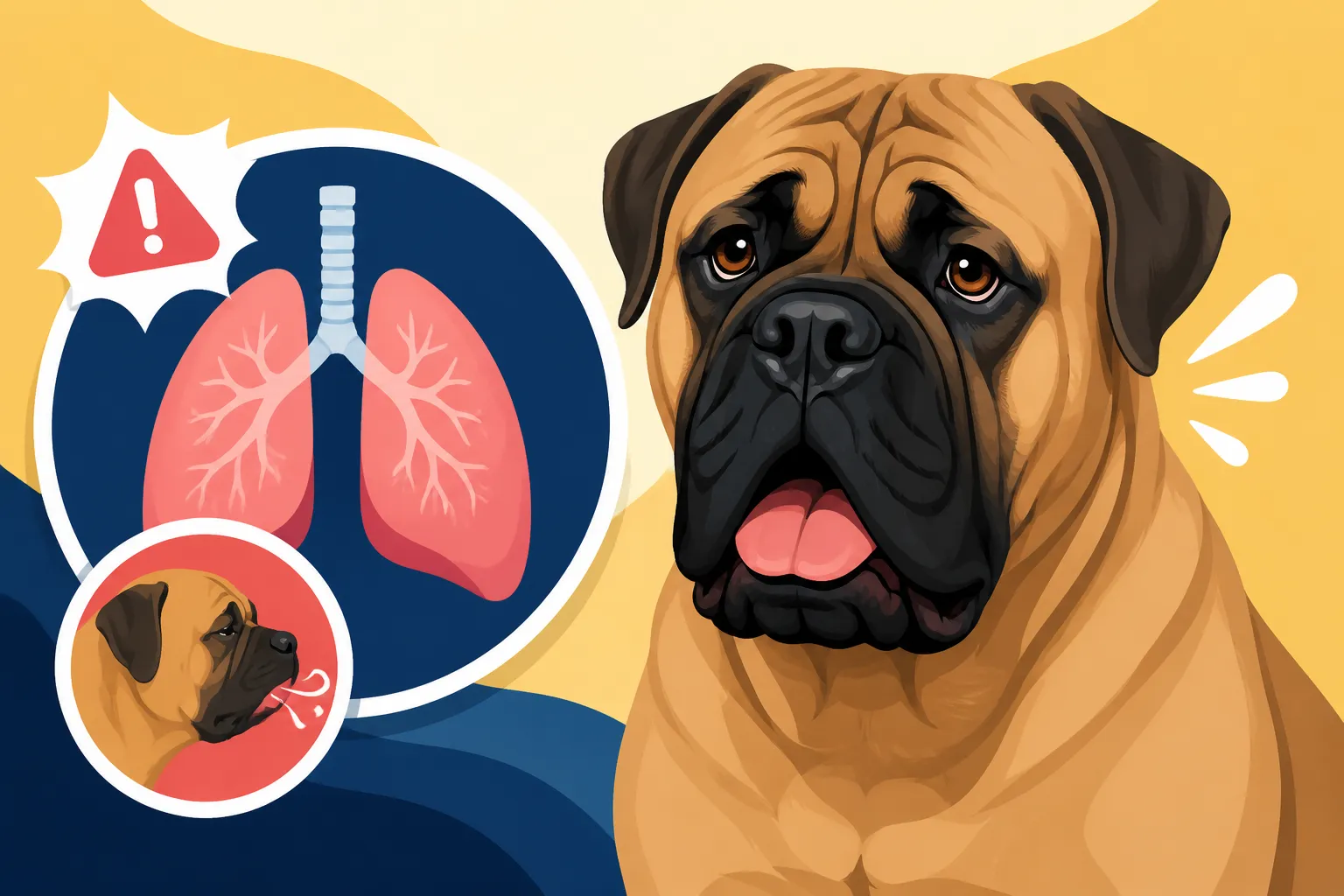
Whether a Bullmastiff Has Breathing Problems
It’s a natural worry for any Bullmastiff owner, or aspiring owner, to wonder if their beloved, big-headed companion is destined for a lifetime of breathing struggles. With their distinctive short muzzles and often loud breathing, it’s easy to assume the worst, but understanding the nuances of their respiratory system and recognizing specific health considerations can help you provide the best care. This guide will meticulously unpack the reality of Bullmastiff breathing, examining common concerns, potential issues, and practical strategies to keep your gentle giant comfortable and healthy.
Understanding the Bullmastiff's Unique Respiratory System
Bullmastiffs, like many other breeds with their characteristic broad heads and shorter snouts, fall into a category known as brachycephalic dogs. While not as extreme as, say, a Pug or a Bulldog, their facial structure does present certain anatomical considerations that can affect their breathing. It's not a universal guarantee of problems, but it certainly means paying closer attention than you might with a longer-nosed breed.
The Brachycephalic Factor: Anatomy and What It Means
The term "brachycephalic" literally means "short-headed," and it refers to dogs with relatively short, broad skulls. In Bullmastiffs, this translates to a compressed upper respiratory tract. Imagine trying to fit a normal-sized set of airways into a shorter space – that's essentially what's happening. The primary issues stem from a combination of several anatomical features:
- Stenotic Nares: These are narrowed nostrils, which physically restrict the amount of air that can enter the respiratory system. Think of trying to breathe deeply through a pinched nose; it's less efficient.
- Elongated Soft Palate: The soft palate is the fleshy part at the back of the roof of the mouth. In brachycephalic dogs, this can be too long, extending into the throat and partially blocking the opening to the trachea (windpipe). When your Bullmastiff inhales, this elongated tissue can get sucked into the airway, creating a snoring sound and obstructing airflow.
- Hypoplastic Trachea: This refers to a windpipe that is narrower than normal for the dog's size. While not as common in Bullmastiffs as in some other brachycephalic breeds, it can sometimes be a contributing factor, further limiting airflow.
- Everted Laryngeal Saccules: These are small pockets of tissue located just inside the larynx (voice box). Due to the increased effort required to breathe against resistance, these tissues can be pulled inward and "evert," further blocking the airway.
These structural differences mean that a Bullmastiff often has to work harder to get enough air with each breath. This increased effort can lead to inflammation and swelling over time, potentially worsening the condition and creating a cycle of increasingly difficult breathing. It’s a bit like trying to run a marathon with a hand over your mouth and nose – incredibly taxing on the system.
Why the Bullmastiff Snores and Makes Noises
If you own a Bullmastiff, you're likely intimately familiar with the symphony of snorts, grunts, and snores that emanates from them, especially during a deep sleep. While charmingly endearing to many, these sounds are a direct consequence of their brachycephalic anatomy. The air turbulence caused by their narrowed nostrils and the vibration of their elongated soft palate are the culprits. A Bullmastiff's characteristic deep, rumbling snore isn't just a quirky personality trait; it's a sound created by air struggling to pass through a partially obstructed airway.
It's important to distinguish between "normal" Bullmastiff snoring and sounds that indicate genuine distress. Almost all Bullmastiffs will snore, and many will emit snorting noises during excitement or while investigating new smells. These noises become a concern when they are consistently loud, labored, or accompanied by other signs like coughing, gagging, or difficulty breathing even when at rest. Understanding Whether a Bullmastiff Snores is key to recognizing when these sounds cross the line from typical to problematic. It’s about listening for changes in their baseline breathing patterns.
The presence of these sounds often intensifies when a Bullmastiff is deeply relaxed or sleeping, as muscle tone decreases and the soft palate may relax further into the airway. Similarly, excitement can cause rapid breathing, which exacerbates the air turbulence and can lead to more pronounced snorting or even reverse sneezing. While some level of noisy breathing is expected, any sudden increase in volume, frequency, or the appearance of new, distressed sounds warrants a closer look.
Heat and Exercise: Major Contributors to Breathing Difficulty
For Bullmastiffs, warm weather and strenuous exercise aren't just uncomfortable; they can quickly become dangerous due. This breed is highly susceptible to overheating, and their brachycephalic traits play a significant role in this vulnerability. Dogs primarily cool themselves by panting, which allows for evaporative cooling from their respiratory tract. However, a Bullmastiff's compact facial structure makes this process far less efficient.
When a Bullmastiff pants, the air struggles to flow freely over the moist surfaces of their tongue and throat due to the anatomical obstructions. This means they cannot effectively dissipate heat from their bodies, causing their internal temperature to rise rapidly. This is precisely Why a Bullmastiff's Short Muzzle Cannot Cool It as efficiently as a dog with a longer snout. Even on a moderately warm day, what might be a comfortable temperature for a Labrador could be dangerously hot for a Bullmastiff.
Physical exertion further compounds this issue. Exercise naturally increases a dog's body temperature. If a Bullmastiff is active in warm conditions, their already compromised cooling system quickly becomes overwhelmed. This can lead to a dangerous spiral where increased body temperature causes swelling in the airways, making breathing even harder, which in turn makes it even more difficult to cool down. It’s a vicious cycle that can quickly escalate to heatstroke, a life-threatening emergency. Knowing Why Eighty Degrees Is Dangerous for a Bullmastiff isn't just a suggestion, it's a critical safety guideline for all Bullmastiff owners.
Common Breathing-Related Issues in Bullmastiffs
While not all Bullmastiffs will experience severe breathing problems, they are predisposed to certain conditions due to their unique physiology. Being aware of these conditions and their symptoms is the first step in providing proactive care and intervention. These aren't just minor inconveniences; they can significantly impact a Bullmastiff's quality of life and even shorten it if left unaddressed.
Brachycephalic Obstructive Airway Syndrome (BOAS)
Brachycephalic Obstructive Airway Syndrome, or BOAS, is the overarching term for a collection of primary and secondary anatomical abnormalities that obstruct the upper airway in brachycephalic dogs. While Bullmastiffs may not exhibit the most severe forms seen in breeds like the English Bulldog, they are still susceptible. The primary components of BOAS include stenotic nares, an elongated soft palate, and sometimes a hypoplastic trachea. Over time, the constant struggle to breathe against these primary obstructions can lead to secondary changes.
These secondary changes often include everted laryngeal saccules, where tissue in the larynx flips outward, further blocking the airway. Chronic inflammation and swelling of the larynx and pharynx can also occur, narrowing the passages even more. In severe, long-standing cases, the larynx itself can collapse. This progressive nature means that what might start as mild noisy breathing can worsen significantly over a Bullmastiff's lifetime if not managed. The daily effort of forcing air past these obstructions stresses the entire respiratory system.
Symptoms of BOAS can range from mild, intermittent snoring and snorting to severe, life-threatening respiratory distress. Early signs might include noisy breathing during exercise or excitement, a preference for sleeping in unusual positions (like on their back with their head extended) to open the airway, or a reduced tolerance for physical activity. As the condition progresses, you might observe gagging, coughing, blue-tinged gums, or even collapse. Regular veterinary check-ups are crucial for early detection and management of BOAS in Bullmastiffs.
Recognizing Signs of Respiratory Distress
Identifying respiratory distress in a Bullmastiff is absolutely vital, as it can escalate rapidly into an emergency. Don't dismiss these signs as just "a Bullmastiff being a Bullmastiff." Normal Bullmastiff breathing at rest should be relatively quiet, perhaps with a soft snore if deeply asleep, but not labored. Any departure from this quiet, easy breathing warrants attention.
Key indicators of respiratory distress include:
- Excessive, Loud Panting: Panting that is more forceful, rapid, or louder than usual, even in mild temperatures or at rest. This indicates your dog is working harder to breathe.
- Struggling to Breathe: You might notice exaggerated chest and abdominal movements, as if they are straining with each breath. Their sides might heave noticeably.
- Gagging or Choking: Sometimes the elongated soft palate can irritate the throat, leading to gagging, coughing, or even vomiting, especially after drinking water or during excitement.
- Blue-Tinged Gums or Tongue (Cyanosis): This is a critical emergency sign. It indicates a severe lack of oxygen. Your Bullmastiff needs immediate veterinary attention if you see this.
- Collapse or Loss of Consciousness: Another severe emergency sign, indicating they are not getting enough oxygen to their brain and body.
- Frothing at the Mouth: In extreme cases, severe respiratory distress can cause froth or foam to appear around the mouth.
- Change in Vocalization: A raspy voice, hoarseness, or an inability to bark normally can indicate laryngeal involvement.
- Unusual Sleeping Positions: A dog with breathing difficulty might sleep with its head elevated or stretched out to try and open the airway more.
If you observe any of these signs, particularly the blue gums or collapse, consider it an immediate veterinary emergency. Early intervention can make a life-saving difference. It's helpful to know Signs a Bullmastiff Has Heatstroke as these symptoms often overlap with severe respiratory distress induced by high temperatures. Prompt action is key.
The Risk of Overheating and Respiratory Collapse
The combination of a Bullmastiff's brachycephalic anatomy and their generally heavy build makes them extremely vulnerable to overheating, which can quickly lead to respiratory collapse. This isn't just being "too hot"; it's a dangerous medical emergency. When a Bullmastiff gets too warm, the tissues in their already compromised airway swell. This swelling further restricts airflow, making it even harder for them to cool down by panting. It creates a self-perpetuating cycle: heat causes swelling, which causes more heat retention, which causes more swelling.
This can rapidly spiral into heatstroke. Initial signs might include excessive panting, drooling, restlessness, and bright red gums. As it progresses, you'll see more severe symptoms like stumbling, vomiting, diarrhea, mental dullness, and eventually, collapse, seizures, or loss of consciousness. The inability to cool down effectively through panting leads to a critical internal temperature rise, damaging organs throughout the body.
Preventing overheating is paramount. This means never leaving a Bullmastiff in a car, even on a mild day, and avoiding walks or strenuous activity during the hottest parts of the day. Providing plenty of fresh water and shaded, cool resting spots is essential. If you suspect your Bullmastiff is overheating, immediate action is required to cool them down gently and seek veterinary help. You can read more about What to Do When a Bullmastiff Overheats for specific first aid steps. Insurance providers like Healthy Paws can be a lifesaver in these unexpected, urgent situations, helping cover the high costs associated with emergency veterinary care for heatstroke or respiratory collapse.
Managing and Preventing Breathing Problems
While the anatomical structure of a Bullmastiff can't be changed without surgery, there are many proactive steps owners can take to manage and minimize the impact of potential breathing problems. A holistic approach focusing on lifestyle, environment, and attentive veterinary care is key to ensuring your Bullmastiff lives a comfortable and healthy life.
Environmental Management and Lifestyle Adjustments
One of the most impactful things you can do for your Bullmastiff's respiratory health is to control their environment and manage their lifestyle. Since heat and overexertion are primary triggers for breathing difficulties, these areas demand diligent attention.
First and foremost, maintain a cool indoor environment. This means air conditioning during warm months is not a luxury, but a necessity for many Bullmastiffs, especially in hotter climates. Ensure they always have access to shaded areas outdoors, and never, under any circumstances, leave them unattended in a car. Even a quick stop for groceries can turn deadly as car interiors heat up incredibly fast, trapping your dog in a sweltering environment.
Exercise management is another critical component. Bullmastiffs are not endurance athletes. They need moderate, regular exercise, but it should be carefully timed. Avoid walks or play sessions during the heat of the day. Early mornings and late evenings are often the safest times. Monitor your Bullmastiff closely for any signs of labored breathing or fatigue, and always err on the side of caution. Short, frequent walks are generally better than one long, strenuous outing. For more guidance on this, consider resources on Whether a Bullmastiff Should Be Walked in Summer. Keep them hydrated, and carry water for them on walks.
Lastly, maintaining a healthy weight is absolutely crucial. An overweight Bullmastiff has extra fat deposits around their neck and chest, which further constrict their already compromised airways and add strain to their heart and lungs. Keeping a Bullmastiff Lean Is the Best Thing You Can Do for their overall health, including their respiratory system. Work with your vet to establish an ideal weight and feeding plan to prevent obesity. Every extra pound your Bullmastiff carries makes breathing harder.
Veterinary Care and Diagnostic Options
Regular veterinary care is paramount for managing a Bullmastiff's respiratory health. Your veterinarian can assess your dog's specific anatomy and advise on personalized management strategies. During routine check-ups, your vet will listen to your Bullmastiff's breathing, examine their nostrils and soft palate, and evaluate their overall condition.
If your vet suspects BOAS, or if your Bullmastiff is showing concerning symptoms, they may recommend diagnostic tests. These could include:
- Physical Examination: A thorough assessment of the external nares, palpation of the throat, and auscultation (listening with a stethoscope) of the lungs and heart.
- Sedated Oral Examination: This allows the vet to get a clearer view of the soft palate and larynx to assess its length and whether the laryngeal saccules are everted. This requires sedation, as a conscious dog won't cooperate for a proper examination of these sensitive areas.
- Radiographs (X-rays): Chest X-rays can help evaluate the trachea for hypoplasia (narrowing) and assess the lungs for any secondary issues that might arise from chronic breathing problems.
- Endoscopy: In some cases, a small camera (endoscope) might be used to visualize the airways directly, providing a detailed view of the soft palate, larynx, and trachea.
These diagnostic steps help confirm a diagnosis of BOAS and determine the severity of the condition, guiding treatment decisions. Early detection often leads to more effective, less invasive interventions. Having pet insurance, like a plan from Healthy Paws, can significantly ease the financial burden of these diagnostic procedures, which can be quite costly.
Surgical Interventions and Their Effectiveness
For Bullmastiffs diagnosed with significant BOAS, surgical intervention can often dramatically improve their quality of life. The goal of these surgeries is to relieve the physical obstructions in the airway, making it easier for the dog to breathe.
The most common surgical procedures include:
- Nare Widening (Stenotic Nares Resection): This procedure involves surgically removing a small wedge of tissue from the nostrils to permanently widen them, allowing more air to pass through. This is often a relatively straightforward procedure with a high success rate for improving airflow.
- Elongated Soft Palate Resection (Staphylectomy): This surgery shortens the soft palate to prevent it from obstructing the airway. The excess tissue is carefully trimmed and sutured. This procedure can significantly reduce snoring, gagging, and improve breathing efficiency.
- Everted Laryngeal Saccule Resection: If these tissues have everted, they are surgically removed to clear the opening to the larynx.
These surgeries are typically performed by experienced veterinary surgeons, sometimes with referral to a specialist. The effectiveness of surgery depends on the severity of the BOAS and how early it's performed. In younger dogs with milder signs, the prognosis is often excellent. For older dogs with chronic inflammation and secondary laryngeal collapse, the outcome can be more guarded, as some damage may be irreversible.
Post-operative care involves careful monitoring to prevent swelling and ensure a smooth recovery. While surgery can greatly improve breathing, it doesn't fundamentally change the Bullmastiff's brachycephalic anatomy, so owners must continue to manage environmental factors and weight. However, the reduction in breathing effort can make a huge difference in their comfort and ability to enjoy life without constant struggle.
Anesthesia and Sedation Considerations
One area where a Bullmastiff's breathing presents a unique challenge is during any procedure requiring anesthesia or sedation. Their particular anatomy means they require special precautions to ensure their safety. This is a crucial point for any Bullmastiff owner to discuss with their veterinarian before any surgical or diagnostic procedure.
Whether a Bullmastiff Tolerates Anesthesia
The short answer is yes, a Bullmastiff can tolerate anesthesia, but it comes with increased risks compared to many other breeds. The concerns are primarily related to their brachycephalic airway. During anesthesia, muscle tone relaxes significantly. In a Bullmastiff, this relaxation can cause their already elongated soft palate to completely obstruct their airway, or their tongue to fall back and block breathing. Additionally, the recovery phase can be fraught with difficulty. As they wake up, they may experience swelling in their airway due to irritation from intubation, or they may struggle to clear secretions, leading to respiratory distress.
Because of these risks, veterinarians take extra precautions when anesthetizing Bullmastiffs. This often includes:
- Pre-anesthetic Bloodwork: To ensure organ function is optimal.
- Careful Pre-oxygenation: Providing oxygen before induction to maximize oxygen levels in the blood.
- Rapid Intubation: Placing a breathing tube into the trachea as quickly as possible once they are sedated to maintain a patent airway.
- Monitoring: Continuous and vigilant monitoring of oxygen saturation, heart rate, blood pressure, and CO2 levels throughout the procedure.
- Careful Recovery: Leaving the breathing tube in place for as long as safely possible during recovery, and closely monitoring them for any signs of breathing difficulty, swelling, or overheating as they wake up.
- Anti-inflammatory Medications: Administering drugs to minimize swelling in the airway during and after the procedure.
It is absolutely crucial to have an open discussion with your veterinarian about their experience with brachycephalic breeds and the specific protocols they follow. Don't hesitate to ask questions. Understanding Whether a Bullmastiff Tolerates Anesthesia is about acknowledging the specific risks and ensuring your vet is prepared to mitigate them.
Special Precautions for Brachycephalic Breeds
Beyond the general considerations for anesthesia, several specific precautions are typically taken for brachycephalic breeds like Bullmastiffs to maximize their safety during any sedative procedure.
Firstly, sedation protocols are often tailored. The choice of anesthetic agents and their dosages may be adjusted to minimize respiratory depression and facilitate a smoother recovery. Some vets prefer to use shorter-acting drugs or combinations that allow for more precise control over the level of sedation.
Secondly, continuous monitoring of body temperature is critical. Bullmastiffs can easily overheat under anesthesia, and active cooling measures (like circulating water blankets) might be used during longer procedures. Conversely, they can also get too cold, so maintaining a stable body temperature is a delicate balance.
Thirdly, pain management is carefully considered. Adequate pain control is essential to prevent discomfort and agitation during recovery, as struggling can exacerbate respiratory issues. However, care must be taken that pain medications don't cause excessive sedation, which could suppress breathing.
Finally, post-operative observation is extended and meticulous. Bullmastiffs are often kept in a calm, cool environment with close veterinary supervision for several hours, or even overnight, after anesthesia. This allows the veterinary team to immediately address any swelling, noisy breathing, or difficulty waking up. Some clinics will even keep brachycephalic dogs intubated for a longer period during recovery to ensure their airway remains open as they slowly come around. This level of attentiveness is paramount to a safe outcome.
Bullmastiff Breathing Considerations Summary
To help visualize the key factors influencing a Bullmastiff's respiratory health and the corresponding management strategies, here's a concise overview:
| Factor/Condition | Description | Owner Action | Veterinary Intervention |
|---|---|---|---|
| Brachycephalic Anatomy | Short muzzle, narrowed nostrils, elongated soft palate. | Understand inherent risks. | Diagnosis of BOAS. |
| Snoring/Noisy Breathing | Air turbulence and soft palate vibration cause sounds. | Monitor for changes (louder, more labored, new sounds). | Check for BOAS, secondary issues. |
| Heat Sensitivity | Inefficient panting and cooling due to airway structure. | Avoid heat, provide cool environment, hydrate. | Emergency treatment for heatstroke. |
| Exercise Intolerance | Exertion increases body temp, exacerbates breathing issues. | Moderate, timed exercise; avoid overexertion. | Assess fitness for activity, BOAS severity. |
| Overweight/Obesity | Extra fat constricts airways, adds strain. | Keep lean, healthy weight. | Dietary advice, weight management plan. |
| Respiratory Distress | Labored breathing, gagging, blue gums, collapse. | Seek immediate emergency veterinary care. | Oxygen therapy, sedation, airway management. |
| BOAS Surgical Options | Widening nostrils, shortening soft palate, removing laryngeal saccules. | Discuss with vet if indicated; follow post-op care. | Surgical correction of airway obstructions. |
| Anesthesia Risk | Airway obstruction, swelling during and after procedure. | Discuss vet's brachycephalic protocol; ask questions. | Pre-oxygenation, rapid intubation, vigilant monitoring, controlled recovery. |
Disclaimer
The information provided in this guide is for general informational purposes only and does not constitute professional medical advice. Always consult with a qualified veterinarian for any health concerns or before making any decisions related to your Bullmastiff's care, diet, or treatment. Every dog is an individual, and what works for one may not work for another.