Kidney Disease in a Bullmastiff
One of the most heart-wrenching concerns for any Bullmastiff owner is seeing their beloved giant start to slow down or show subtle signs of discomfort. Kidney disease, in particular, can be incredibly sneaky, often progressing silently before obvious symptoms appear, leaving you feeling helpless and worried. This guide is dedicated to shedding light on kidney disease in Bullmastiffs, helping you understand its nuances, recognize early warning signs, navigate diagnosis, and provide the best possible care for your loyal companion.
Understanding Kidney Function in Bullmastiffs
Our gentle giants, with their massive hearts and even bigger personalities, rely on every part of their physiology to keep them healthy and active. The kidneys are absolutely paramount to their overall well-being, yet they are often overlooked until a problem becomes apparent.
The Vital Role of Healthy Kidneys
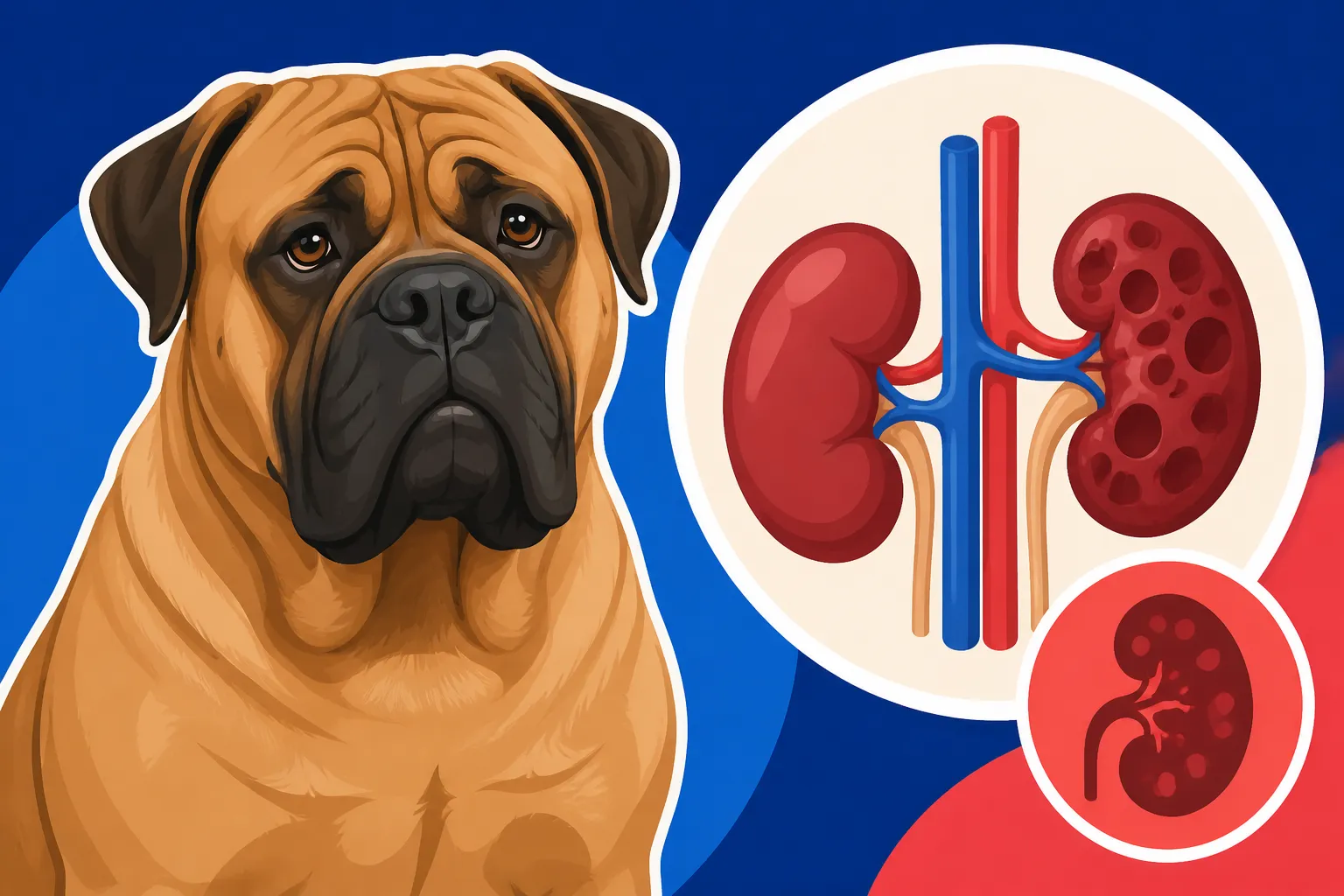
Think of your Bullmastiff's kidneys as their personal, highly efficient filtration system. These two bean-shaped organs, tucked away in their abdomen, are constantly working to keep everything in balance. Their primary job is to filter waste products, toxins, and excess minerals from the blood, expelling them from the body through urine. Without this crucial process, these harmful substances would build up, poisoning the body slowly but surely.
Beyond filtration, kidneys also play a significant role in maintaining blood pressure, producing hormones vital for red blood cell production, and ensuring proper electrolyte balance—like sodium, potassium, and calcium. For a breed as large and powerful as a Bullmastiff, maintaining this internal equilibrium is critical. Any disruption can have cascading effects on their energy levels, muscle function, and even their cognitive state. When kidney function declines, it's not just about waste; it's about the entire internal symphony going out of tune.
How Kidney Disease Develops in Bullmastiffs
Kidney disease can manifest in two main forms: acute and chronic. Acute kidney injury (AKI) typically comes on suddenly, often due to a specific event like consuming a toxin (antifreeze, certain medications, or even some plants), a severe infection, or a sudden drop in blood pressure. If caught and treated quickly, some Bullmastiffs can recover from AKI, though it might leave lasting damage.
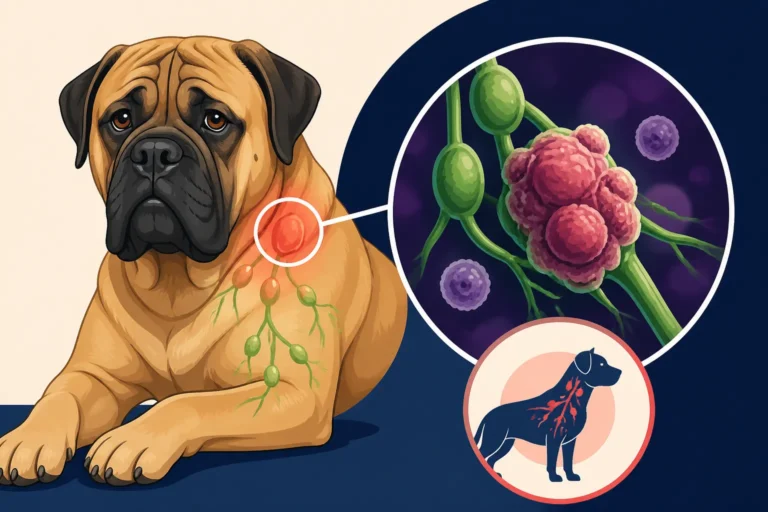
More commonly, especially as our Bullmastiffs age, we see chronic kidney disease (CKD). This is a progressive, irreversible condition where kidney function gradually deteriorates over months or even years. For Bullmastiffs, like many large breeds, age is a significant factor. While there isn't a specific genetic predisposition to kidney disease in Bullmastiffs as there might be for other conditions like lymphoma or subaortic stenosis, their larger size and potential for other health issues can sometimes indirectly impact kidney health. For example, uncontrolled conditions like high blood pressure or even other endocrine disorders such as Hypothyroidism in a Bullmastiff can put extra strain on the kidneys over time. Dental disease, if severe enough, can also lead to bacterial infections spreading to the kidneys, highlighting how interconnected their health truly is. Sadly, once kidney cells are damaged, they don't regenerate, making early detection and management all the more crucial.
Recognizing the Subtle Signs of Kidney Disease in a Bullmastiff
One of the toughest parts about kidney disease is how subtly it can begin. Our Bullmastiffs are inherently stoic; they often mask discomfort until it becomes impossible to ignore. This means you, as their owner, need to be hyper-vigilant for even the slightest changes in their behavior or routine.
Early Indicators You Might Miss
The earliest signs of chronic kidney disease are often so mild they're easily dismissed or attributed to "just getting older." The absolute hallmark early symptom is increased thirst and, consequently, increased urination. You might find yourself refilling their water bowl more often, or notice they're asking to go outside more frequently. Perhaps the puddles in the yard are larger, or you're finding accidents indoors if they previously had perfect house-training. This happens because the damaged kidneys can no longer concentrate urine effectively, leading the dog to drink more to compensate for the fluid loss.
Alongside this, subtle changes in appetite can occur. Your Bullmastiff might suddenly become a bit pickier about their food, or perhaps they don't finish their meals with the same gusto they once did. They might also seem a touch more lethargic than usual, perhaps less enthusiastic about their morning walk or an afternoon play session. You might think, "Oh, they're just having an off day," but if these "off days" start to become more frequent, it's a red flag. Gradual weight loss, often so slow you only notice it when you truly pay attention, can also be an early indicator. Remember, your Bullmastiff isn't going to tell you they don't feel great, so observation is your superpower.
More Advanced Symptoms and When to Act Urgently
As kidney disease progresses, the accumulation of waste products in the bloodstream becomes more significant, leading to more overt and concerning symptoms. This is when the disease truly starts to take a toll, and your Bullmastiff will likely feel quite unwell. You might observe persistent vomiting or diarrhea, which contributes to further dehydration and electrolyte imbalances. A distinct, unpleasant odor on their breath, often described as ammonia-like or metallic, known as uremic breath, is a clear sign that toxins are building up.
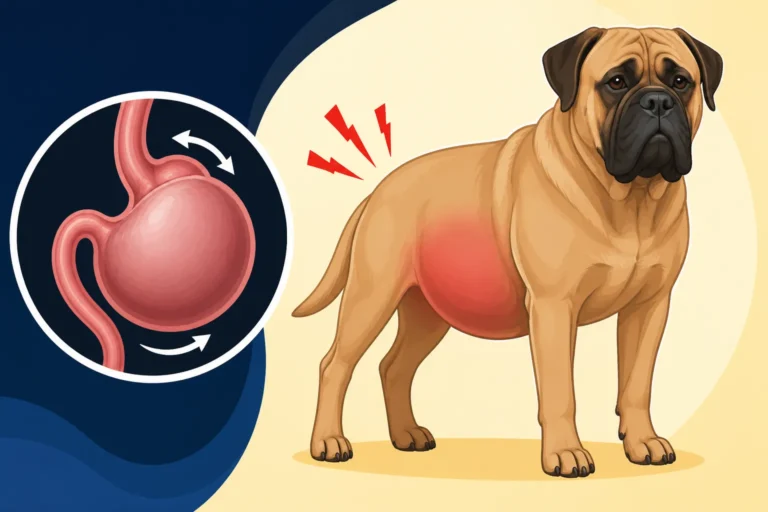
Beyond digestive issues, you might see a decline in their overall physical condition. Their coat might lose its luster and become dull or unkempt, a sign of their body struggling internally. Muscle weakness can become apparent, making it harder for them to stand, walk, or even get comfortable. Oral ulcers might develop on their gums or tongue, and their gums might appear pale due to anemia, a common complication of advanced kidney disease. In severe cases, your Bullmastiff might collapse, exhibit extreme lethargy, or seem disoriented. These are urgent medical emergencies, and you need to get them to an emergency veterinary clinic immediately. It's important not to confuse these signs with other acute emergencies like Bloat in a Bullmastiff, but regardless, any sudden severe decline warrants immediate veterinary attention.
Diagnosing and Managing Kidney Disease in Your Bullmastiff
The good news is that veterinary medicine has advanced significantly, offering numerous tools and strategies to diagnose and manage kidney disease. The key, as with so many conditions in our Bullmastiffs, is early detection.
The Diagnostic Process
When you bring your Bullmastiff to the vet with concerns about kidney disease, they'll start with a thorough physical examination. This includes palpating their abdomen to feel the size and shape of their kidneys, checking for any pain, and assessing their overall hydration. This initial exam is crucial for directing further tests.
The backbone of kidney disease diagnosis involves a combination of blood tests and urinalysis.
Here's a quick rundown of what your vet will be looking for:
| Test Type | Specific Markers | What It Indicates |
|---|---|---|
| Blood Work | BUN (Blood Urea Nitrogen) | Measures urea, a waste product. High levels indicate impaired kidney function. |
| Creatinine | Another waste product from muscle metabolism. High levels suggest kidney issues. | |
| SDMA (Symmetric Dimethylarginine) | A newer, more sensitive marker that can detect kidney disease much earlier, sometimes even before BUN/Creatinine. | |
| Phosphorus | Kidneys regulate phosphorus. High levels are common in kidney disease and can be harmful. | |
| Electrolytes | Sodium, potassium, chloride levels can be disrupted by kidney dysfunction. | |
| Urinalysis | Specific Gravity | Measures urine concentration. Low specific gravity indicates kidneys aren't concentrating urine well. |
| Protein | Presence of protein in urine (proteinuria) can signal kidney damage. | |
| Urine Culture | Checks for bacterial infections, which can either cause or complicate kidney disease. |
Beyond blood and urine, imaging can provide valuable insights. An abdominal ultrasound allows the vet to visualize the kidneys directly, assessing their size, shape, and internal architecture. They can look for abnormalities like cysts, stones, or tumors. If you're concerned about the financial aspect, it's good to know What an Ultrasound Costs on a Bullmastiff ahead of time. Regular wellness exams, as outlined in guides like How Often a Bullmastiff Needs a Wellness Exam, are absolutely essential for catching these issues when they're still manageable.
Treatment and Management Strategies
While chronic kidney disease is irreversible, it's absolutely manageable, and with the right approach, you can significantly improve your Bullmastiff's quality and duration of life. The cornerstone of management is almost always a prescription kidney diet. These specialized diets are typically lower in protein (but with high-quality protein), low in phosphorus, and controlled in sodium. The goal is to reduce the workload on the kidneys and minimize the accumulation of toxic waste products. Your vet will recommend the best diet for your specific Bullmastiff.
Beyond diet, various medications may be prescribed. Phosphorus binders, given with meals, help reduce the absorption of phosphorus from the gut. ACE inhibitors, like enalapril or benazepril, can help manage blood pressure and reduce protein loss through the kidneys. Anti-nausea medications and appetite stimulants are often used to address digestive upset and encourage eating. For Bullmastiffs with dehydration, especially if they're not drinking enough, subcutaneous fluids administered at home can be a game-changer. Your vet will teach you how to give these under the skin, and while it might seem daunting at first, it becomes routine quickly.
Throughout treatment, regular monitoring of blood work and urinalysis is crucial to track progression and adjust medications as needed. This ongoing care, while incredibly beneficial, does come with associated costs, which can be a significant worry for many owners. This is where pet insurance, like Healthy Paws, can really make a difference. Having a comprehensive policy can help cover the substantial expenses of diagnostic tests, prescription diets, and long-term medications, allowing you to prioritize your Bullmastiff's health without constantly stressing about the financial burden. They allow you to focus on the care, not the bill, which is a huge relief when dealing with a chronic condition.
Living with a Bullmastiff with Kidney Disease
Living with a Bullmastiff diagnosed with kidney disease means embracing a new normal. Your routine will shift to accommodate their needs, but the rewards of seeing them comfortable and enjoying life are immeasurable. Providing a comfortable, warm environment with easy access to water is vital. Encourage drinking by offering multiple water bowls, filtered water, or even a pet fountain. If they're on wet food, that also contributes to their hydration.
Close monitoring at home is incredibly important. Keep a journal of their appetite, water intake, urination frequency, and energy levels. Report any significant changes to your vet immediately. This journey can take an emotional toll on owners, too. It's okay to feel overwhelmed or sad. Connecting with support groups or your veterinary team for advice and empathy can be very helpful. As the disease progresses, focusing on maintaining comfort and quality of life becomes paramount. It's a conversation you'll have with your vet about when treatment may no longer be beneficial, and when to consider What Palliative Care Costs for a Bullmastiff. The goal is always to cherish the time you have and ensure they remain as happy and pain-free as possible.
Preventing Kidney Issues and Promoting Longevity
While some kidney issues are unavoidable, there's a lot you can do as a dedicated Bullmastiff owner to support their kidney health and promote a long, happy life. Prevention and proactive care are truly the best medicine.
Proactive Care and Regular Health Checks
The absolute best defense against kidney disease, and many other health issues, is consistent, proactive veterinary care. This means sticking to annual wellness exams for adult Bullmastiffs, and even twice-yearly check-ups once your Bullmastiff reaches senior status, typically around six years old. Your vet can catch subtle changes in blood work or physical exam findings long before they become outwardly apparent. Don't underestimate the power of these routine visits; they are foundational to your Bullmastiff's long-term health, and critical for early detection of problems. If you're wondering about the schedule, our guide on Caring for a Bullmastiff Past Six goes into more detail about senior care.
Maintaining a healthy weight is another massive factor in preventing undue stress on all organ systems, including the kidneys. A lean Bullmastiff is generally a healthier Bullmastiff. We have an entire guide dedicated to this: Keeping a Bullmastiff Lean Is the Best Thing You Can Do. Obesity contributes to inflammation and can exacerbate existing health conditions, indirectly impacting kidney function. Always ensure your Bullmastiff has constant access to fresh, clean water. Keeping their environment free from toxins like certain cleaning products, human medications, and toxic plants is also non-negotiable. Don't forget the importance of good dental hygiene, as severe dental disease can lead to bacteria entering the bloodstream and potentially damaging the kidneys. Regular teeth cleaning, as discussed in How Often a Bullmastiff's Teeth Need Cleaning, is more than just about fresh breath.
The Role of Diet and Hydration
A high-quality diet, appropriate for a large breed, is essential from puppyhood. For Bullmastiff puppies, it's crucial to feed a large-breed specific formula that supports slow, steady growth to prevent orthopedic issues. Our article Feeding a Bullmastiff Puppy So It Grows Slowly delves into this important aspect of puppy nutrition. As adults, a balanced, complete diet is key. While it's a common misconception that high-protein diets cause kidney disease, this is not true for healthy kidneys. High protein only becomes a concern once kidney function is already compromised, at which point a prescription diet is needed. For healthy Bullmastiffs, adequate protein is vital for muscle maintenance.
Beyond solid food, hydration is paramount. Offering wet food, or even simply adding a bit of warm water to their kibble, can significantly boost their daily fluid intake. Many Bullmastiffs enjoy water fountains, which can encourage them to drink more. Remember, good hydration helps the kidneys function efficiently and flush out waste products effectively. The unfortunate truth is that Bullmastiffs have a relatively short average lifespan; The Median Bullmastiff Lives Eight and a Half Years. While we can't change genetics, providing optimal care, especially through diet and regular vet checks, gives them the best possible chance to live those years to the fullest and hopefully exceed the average. Preparing for potential health challenges, and understanding that Why a Bullmastiff's Bills Come Early is a reality, can also help you be ready for whatever comes your way.
Disclaimer
The information provided in this article is for educational and informational purposes only and does not constitute veterinary medical advice. Always consult with a qualified veterinarian for any health concerns or before making any decisions related to your Bullmastiff's medical care.