What a Bullmastiff’s Oncology Referral Costs
Finding out your beloved Bullmastiff might have cancer is a gut punch like no other. Beyond the immediate emotional turmoil and fear for your gentle giant, a wave of practical anxieties often follows, especially regarding the financial implications. One of the first major steps after an initial diagnosis is often a referral to a veterinary oncologist, and understanding what that initial consultation and subsequent workup might cost is absolutely essential for preparing yourself for the journey ahead. This guide aims to break down the expenses associated with an oncology referral for your Bullmastiff, offering clarity during a truly challenging time.
Understanding the Need for an Oncology Referral
When your regular veterinarian suspects cancer in your Bullmastiff, their recommendation for an oncology referral isn't a sign of their inadequacy, but rather a testament to their commitment to providing the best possible care. It means they recognize the highly specialized nature of cancer diagnosis and treatment.
Why a General Vet Recommends a Specialist
Think of your general veterinarian as a wonderful family doctor for your Bullmastiff. They handle routine check-ups, vaccinations, minor illnesses, and injuries with incredible skill and dedication. However, oncology—the study and treatment of cancer—is an incredibly complex and rapidly evolving field. A board-certified veterinary oncologist has undergone years of additional, intensive training specifically in cancer biology, diagnostics, and advanced treatment modalities like chemotherapy, radiation, and surgical oncology. They've seen hundreds, if not thousands, of cancer cases in dogs, including the types that disproportionately affect Bullmastiffs, such as lymphoma and mast cell tumors. They bring a level of expertise, specialized equipment, and access to the latest research that simply isn't feasible for a general practice to maintain. It's about ensuring your Bullmastiff benefits from the most current and targeted approaches available, giving them the best chance for a good outcome.
For Bullmastiffs specifically, breeds known for their loving but sometimes stoic nature, early cancer detection can be tricky, and the types of cancer they get can be aggressive. For instance, Lymphoma Kills More Bullmastiffs Than Anything Else, and a specialist is best equipped to navigate the nuances of this and other cancers common to the breed. The decision to refer is often made because the general vet understands the intricacies involved in differentiating between various cancer types, especially when considering the Why a Bullmastiff's Lymphoma Risk Is Five Times a Mixed Breed's.
The Initial Diagnostic Process Before Referral
Before you even step foot in an oncology clinic, your general veterinarian will likely have performed some initial diagnostic tests. This pre-referral work is crucial because it helps confirm the suspicion of cancer and provides the oncologist with a baseline understanding of your Bullmastiff's health. Typically, this might include a thorough physical exam, comprehensive blood work (a complete blood count and chemistry panel), and perhaps urinalysis. If a lump or mass was detected, your vet might have already performed a fine needle aspirate (FNA) or even a small biopsy to get a preliminary look at the cells.
For internal concerns, X-rays of the chest or abdomen might have been taken to check for visible tumors or signs of spread. These initial tests, while not always definitive for a specific cancer type, are invaluable. They help your general vet determine the urgency of a referral and give the oncologist a head start. It's a stressful period, waiting for these initial results, and then absorbing the news that specialized care is needed. You're likely feeling overwhelmed, and that's completely normal. The more information gathered beforehand, the more efficient the oncology consultation can be, though the oncologist may still recommend further diagnostics upon their own evaluation. This foundational work helps guide the decision to seek out a specialist who understands conditions like Mast Cell Tumors and the Lumps on a Bullmastiff, which can often present as seemingly benign lumps.
Deconstructing the Cost of an Oncology Referral Visit
When your Bullmastiff receives an oncology referral, it's natural to wonder about the financial implications. The "cost of an oncology referral" isn't a single, fixed number; it's usually a combination of the initial consultation fee and any immediate diagnostics the specialist deems necessary.
The Consultation Fee Itself
The first step in any oncology referral is the initial consultation with the veterinary oncologist. This isn't just a quick chat in an exam room. It’s an extensive appointment where the specialist thoroughly reviews your Bullmastiff's entire medical history, including all records, lab results, and imaging studies provided by your referring veterinarian. They will perform their own comprehensive physical examination, meticulously checking lymph nodes, palpating the abdomen, and assessing overall body condition and demeanor. This is often followed by a detailed discussion with you about your Bullmastiff's symptoms, lifestyle, and your concerns.
During this consultation, the oncologist will explain their initial impressions, discuss the specific types of cancer they suspect, and outline a proposed diagnostic plan to confirm the diagnosis and determine the stage of the disease. This is where you’ll start to get a sense of the road ahead, both medically and financially. The consultation fee itself covers the oncologist's time, expertise, and the thorough evaluation they provide. This fee can vary significantly based on factors like the clinic's location (major metropolitan areas often have higher costs), whether it's a university teaching hospital or a private specialty practice, and the individual oncologist's reputation and demand. It's a foundational expense that sets the stage for all subsequent care.
Potential Additional Diagnostics During the First Visit
Even with a comprehensive workup from your general vet, an oncologist will often recommend additional diagnostics during or immediately following the initial consultation. This isn't because your previous vet did a poor job; it’s because oncologists often need very specific information to accurately diagnose, stage, and tailor a treatment plan for cancer. These additional tests are critical for understanding the exact nature of the cancer, how aggressive it might be, and whether it has spread.
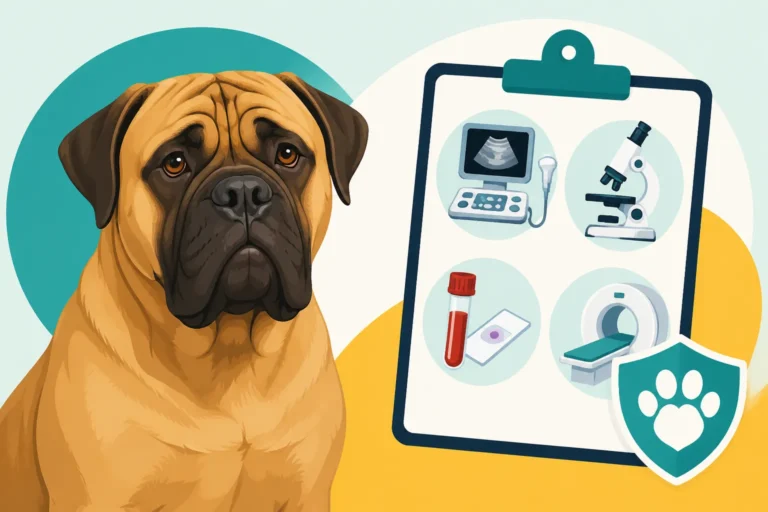
For example, if your Bullmastiff has swollen lymph nodes, the oncologist might perform a fine needle aspirate (FNA) or even a punch biopsy right then and there to get fresh tissue samples for analysis. You might find yourself facing the cost of What a Needle Aspirate Costs on a Bullmastiff or What a Lymph Node Biopsy Costs on a Bullmastiff on that very first day. If a mass was found internally, they might recommend an ultrasound of the abdomen or chest, or even more advanced imaging like a CT scan or MRI, to get a clearer picture of the tumor's size, location, and relationship to other organs. These imaging studies are crucial for What Staging a Bullmastiff's Lymphoma Costs and can include expenses like What an Ultrasound Costs on a Bullmastiff or What Chest X Rays Cost on a Bullmastiff. These procedures, while adding to the initial referral cost, are vital for providing the oncologist with the precise details needed to make informed decisions about your Bullmastiff's treatment.
Factors Influencing the Overall Cost
The overall cost of an oncology referral and the subsequent diagnostic process for your Bullmastiff can be a moving target, influenced by several key variables. Understanding these factors can help you better anticipate and prepare for the financial commitment.
Geographic Location and Clinic Type
Where you live plays a significant role in the cost of specialized veterinary care. Veterinary specialty clinics, including oncology centers, in major metropolitan areas or regions with a higher cost of living typically have higher fees than those in more rural or less expensive areas. This is due to overhead costs like rent, staff salaries, and equipment maintenance, which are naturally higher in urban centers. Similarly, the type of clinic impacts pricing. University veterinary teaching hospitals often offer cutting-edge research, advanced equipment, and specialists who are leaders in their field. While they provide exceptional care, their fees can sometimes be higher than those of private specialty practices. Private specialty practices, on the other hand, can also vary widely, from smaller, independently owned clinics to larger corporate-owned hospitals. Each will have its own pricing structure, often reflecting the level of technology, staffing, and services they offer. It’s always a good idea to inquire about estimated costs when scheduling an appointment, though they may not be able to give you a definitive figure without seeing your Bullmastiff first.
The Complexity of the Cancer
The specific type of cancer and its suspected stage significantly influence the diagnostic costs following a referral. A relatively straightforward diagnosis, like a common skin mast cell tumor, might require fewer advanced tests compared to a complex internal cancer, such as a suspected hemangiosarcoma or an unusual form of lymphoma. Cancers that require extensive imaging (like a full body CT scan to look for metastasis), multiple biopsies from different sites, or specialized laboratory tests (like flow cytometry for lymphoma phenotyping) will naturally incur higher costs.
The more invasive or technologically advanced the diagnostic procedure, the more it will likely cost. For instance, obtaining a definitive diagnosis for some internal tumors might require an endoscopic biopsy or even exploratory surgery, which carries a much higher price tag than a simple skin biopsy. The oncologist will guide you through the necessary steps, explaining why each test is important for developing the most effective treatment plan, but it's crucial to understand that the initial diagnostic phase can be quite intensive, both emotionally and financially, depending on what they find or suspect.
Insurance and Financial Planning
Navigating the costs of an oncology referral and subsequent cancer treatment can be daunting, but financial planning and pet insurance can make a significant difference. Pet insurance, if acquired before any signs of illness appeared, can be an absolute lifesaver. Policies vary, but many will cover a substantial portion of diagnostic tests, specialist consultations, chemotherapy sessions, and other treatments related to cancer. Companies like Healthy Paws often have comprehensive plans that can help cushion the financial blow. It's critical to review your policy details carefully to understand your deductible, reimbursement percentage, and annual limits, especially concerning pre-existing conditions. Unfortunately, if your Bullmastiff already has a cancer diagnosis, it will likely be considered a pre-existing condition, and new insurance policies won't cover it.
If pet insurance isn't an option or doesn't cover enough, don't despair. Many veterinary oncology centers understand the financial strain and offer various options. These might include payment plans, third-party financing options (like CareCredit), or discussions about more cost-effective palliative care alternatives. Being upfront with your oncologist and their financial team about your budget can help them tailor a diagnostic and treatment strategy that works best for both your Bullmastiff and your family. Having an emergency fund specifically for unexpected vet bills, as discussed in What a Bullmastiff's Emergency Fund Should Hold, can also provide a crucial safety net. The reality is that What Bullmastiff Owners Spend in the Last Six Months can be substantial, so planning is key.
Here's a general overview of potential costs and what they involve during an oncology referral:
| Service/Procedure | Purpose | Typical Inclusion | Cost Impact |
|---|---|---|---|
| Initial Oncology Consultation | Specialist review of history, physical exam, treatment plan discussion | Oncologist's time, detailed exam, case review | Baseline cost, always incurred |
| Fine Needle Aspirate (FNA) | Quick cell sample from lump/node for microscopic evaluation | Sample collection, cytology interpretation | Moderate addition |
| Biopsy (Punch/Incisional) | Larger tissue sample for definitive histopathology | Local anesthetic, tissue collection, pathology lab fee | Significant addition |
| Abdominal Ultrasound | Detailed imaging of internal organs for masses/spread | Specialist sonographer, radiologist interpretation | Significant addition |
| Thoracic Radiographs (X-rays) | Imaging of lungs to check for metastasis | X-ray images, radiologist interpretation | Moderate addition |
| Blood Work (Advanced Panels) | More specific blood tests for cancer markers, organ function | Lab fees for specialized tests | Moderate addition |
| Bone Marrow Aspirate | Sample from bone marrow to check for blood cancers/spread | Sedation, sample collection, cytology/histology | High addition |
Note: The "Cost Impact" refers to its contribution to the overall bill, with actual figures varying widely by clinic and region. Always consult with your veterinary clinic for specific estimates.
What to Expect After the Referral
Once you've navigated the initial oncology referral and the necessary diagnostic tests, the next phase is typically focused on discussing treatment options and planning for long-term care. This is where the initial investments in diagnosis truly pay off, as the oncologist now has a clear picture of your Bullmastiff's condition.
The Treatment Plan Discussion
Following a definitive diagnosis and staging of your Bullmastiff's cancer, the oncologist will sit down with you to discuss the available treatment options. This is a comprehensive conversation that considers several factors: the type and stage of cancer, your Bullmastiff's overall health and age, their potential quality of life during and after treatment, and, of course, your financial capabilities and personal preferences. Options might include chemotherapy, radiation therapy, surgical removal of tumors, or a combination of these. For some cancers, such as certain lymphomas, chemotherapy might be the primary approach, as detailed in How a Bullmastiff's Lymphoma Is Treated.
The oncologist will explain the pros and cons of each treatment, including potential side effects, the expected duration of treatment, and the prognosis (the likely outcome) with and without treatment. They'll also provide estimates for the costs associated with the various treatment protocols. This is a critical discussion, as it directly impacts your Bullmastiff’s future and involves significant decisions. You'll need to weigh the chances of remission, the potential for extending their life, and the impact on their daily comfort against the intensity and cost of the recommended therapies. Be prepared to ask many questions, and don't hesitate to take notes or bring a trusted friend or family member for support. The cost of these treatments, such as What Chemotherapy Costs for a Bullmastiff, will be a major ongoing consideration.
Follow-up and Long-Term Management
Cancer care for a Bullmastiff is rarely a one-and-done situation. Even after active treatment phases, follow-up appointments are crucial for monitoring your Bullmastiff's progress, managing any lingering side effects, and detecting potential relapses early. These follow-up visits will involve physical exams, blood tests, and sometimes repeat imaging, all of which incur their own costs, though usually less intensive than the initial diagnostic phase. The frequency of these visits will depend on the type of cancer, the treatment protocol, and your Bullmastiff's response.
Long-term management might also involve palliative care, which focuses on maintaining your Bullmastiff's comfort and quality of life if a cure isn't possible or desired. This could include pain management medication, anti-inflammatory drugs, or specialized diets. Sometimes, prescription diets are necessary, and services like Chewy or Ollie can be helpful resources for home delivery of these specialized foods. The goal is to ensure your Bullmastiff remains as comfortable and happy as possible for as long as possible. The oncologist will guide you on what to watch for at home, empowering you to be an active participant in your Bullmastiff's ongoing care. This continuous oversight is a testament to the comprehensive nature of specialized veterinary oncology.
Disclaimer
This article is for general informational purposes only and does not constitute professional advice. Laws, prices and regulations vary by location and change over time. Consult a qualified professional for guidance on your specific situation.