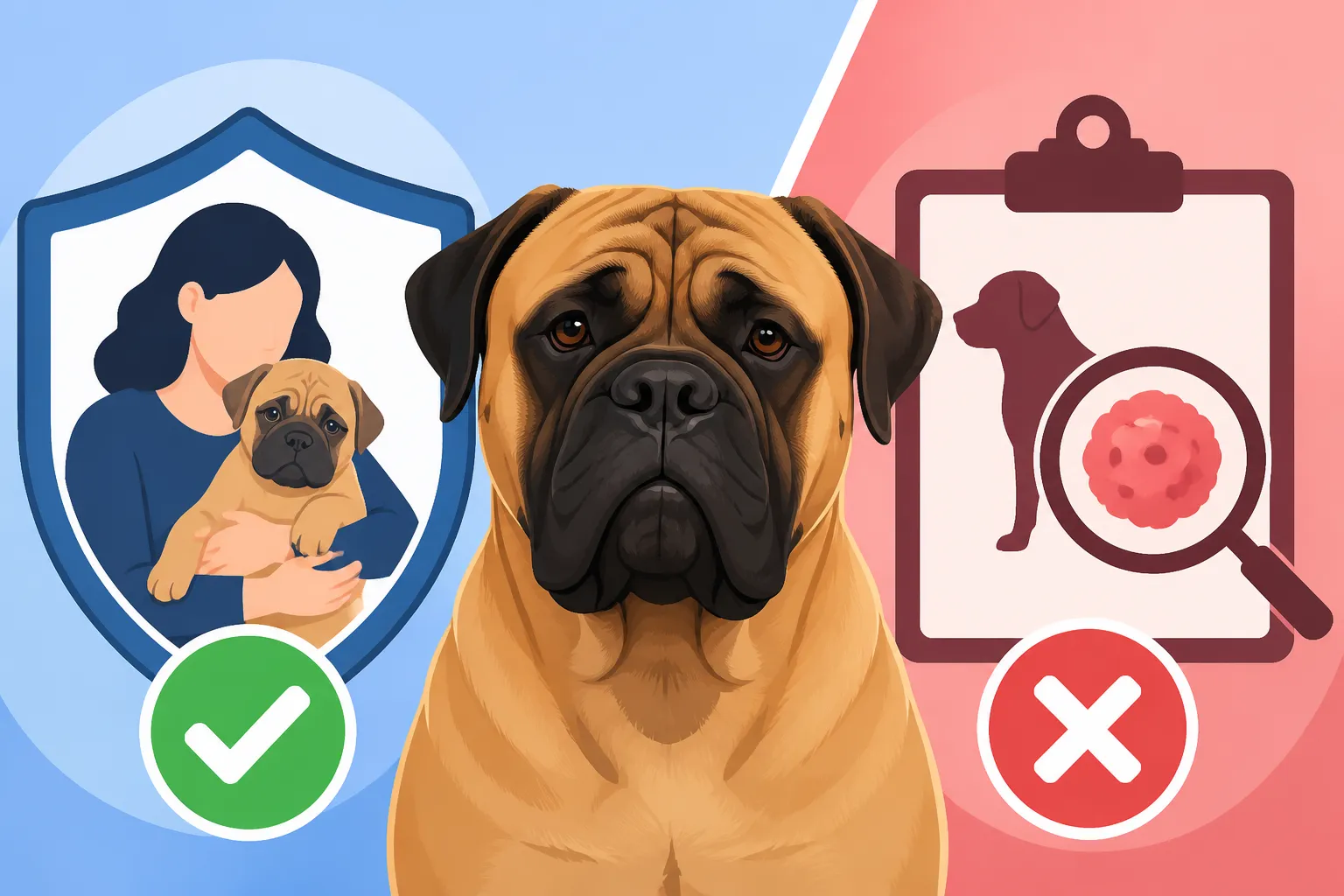
Whether a Bullmastiff Breeder Publishes Cancer History
It’s a deeply frustrating experience when you're trying to make the most informed decision about bringing a Bullmastiff into your home, especially when it comes to understanding their potential health challenges. You spend hours researching, poring over pedigrees, and asking endless questions, only to hit a wall when it comes to a very specific, yet incredibly important, piece of information: whether a breeder openly publishes the cancer history within their lines. This guide aims to pull back the curtain on this often-opaque topic, helping you understand why this information can be hard to find and how you can proactively seek it out to protect your future furry family member.
The Silence Around Cancer in Breeding Programs
As someone who's spent years immersed in the world of large breeds, I can tell you that the topic of cancer is a heavy one for any dog owner, and especially for breeders. Bullmastiffs, bless their big, gentle hearts, face a higher risk of certain cancers, like lymphoma, compared to many other breeds. Lymphoma Kills More Bullmastiffs Than Anything Else is a stark reminder of this reality. Given this, it seems logical that breeders would be shouting about their efforts to combat it, right? But the reality is far more complex, and often, silence isn't malice but a reflection of systemic challenges and deeply personal struggles.
Why Cancer History Is Often Omitted
One of the biggest reasons you won't often find a neat spreadsheet of cancer diagnoses published by a breeder is the sheer complexity of canine cancer genetics. Unlike some single-gene diseases where a simple test can give a clear "clear" or "affected" result, many cancers, including lymphoma, are polygenic, meaning multiple genes play a role, often interacting with environmental factors. It's not as simple as crossing two carriers and knowing what you'll get. Breeders are often dealing with a heartbreaking reality where dogs they love deeply succumb to a disease they can't easily test for or breed away from with a simple genetic fix.
Beyond the genetic labyrinth, there's a significant emotional and privacy component. No breeder wants to see their beloved dogs or puppies they've brought into the world suffer. Admitting cancer in a line can feel like admitting failure, or worse, inviting judgment from a community that often prides itself on health. There's also the privacy of puppy buyers. A breeder might know a dog they sold developed cancer at six years old, but sharing that publicly involves sharing private health information about someone else's pet, which can feel like a breach of trust to the owner. This creates a delicate balance between transparency and respect for privacy, often leading breeders to keep such sensitive details within more private conversations.
The Impact of Secrecy on Prospective Owners
For you, the prospective Bullmastiff owner, this lack of public information can be incredibly frustrating and even anxiety-inducing. You're trying to be responsible, to do your due diligence, and you feel like you're hitting a brick wall. It makes it harder to assess risk, to compare breeding programs effectively, and ultimately, to trust the information you do receive. You want to know if you're bringing home a puppy from lines with a history of early-onset cancer, but without accessible data, you're left guessing. This can lead to a sense of helplessness, wondering if you're making a blind leap of faith with such a significant investment in both time and emotion. You're trying to gauge whether your future Bullmastiff has an elevated risk, especially when you know Why a Bullmastiff's Lymphoma Risk Is Five Times a Mixed Breed's.
The absence of readily available cancer statistics means you have to rely heavily on direct communication and your own detective work, which isn't always easy or straightforward. It forces you to become an advocate for information, which is a role many first-time owners aren't prepared for.
What a Responsible Bullmastiff Breeder Should Share
Despite the challenges, truly responsible Bullmastiff breeders understand that transparency about health, including cancer, is paramount. They might not publish a detailed spreadsheet on their website for all the world to see, but they absolutely should be willing to discuss it openly and honestly with serious prospective buyers. It’s part of ensuring the longevity and health of the breed, not just their own kennel.
Public Databases and Health Registries
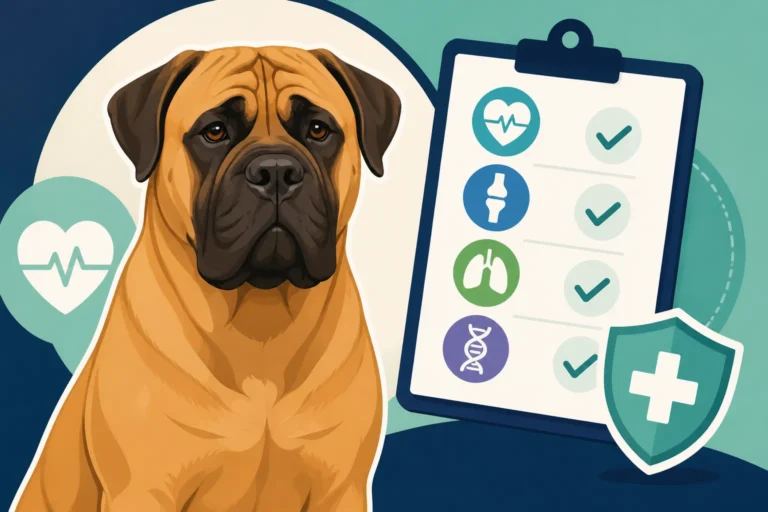
While there isn't a central "Bullmastiff Cancer Registry" that breeders actively publish to, some health information can be found in public databases, though rarely specifically about cancer. For instance, the Orthopedic Foundation for Animals (OFA) is a widely used database for hip, elbow, heart, and eye certifications. Many reputable breeders will list their dogs' OFA results publicly. While OFA doesn't track cancer directly, seeing multiple generations of OFA-certified healthy parents, grandparents, and even great-grandparents can give you an idea of a breeder's commitment to health testing. Some breed clubs might also compile health surveys or longevity data, which, while not naming individual dogs or specific cancer types, can give an aggregate picture of health concerns within the breed. These resources are an excellent starting point to understand What a Bullmastiff Breeder Should Have Screened.
Direct Conversations with Breeders
This is where the rubber meets the road. A truly responsible breeder will engage in candid conversations about the health of their lines. They won't just tell you about the champions; they'll talk about the challenges, too. When you ask about cancer, they might not rattle off a list of deceased dogs, but they should be able to tell you:
- Average Lifespan in their lines: What is the typical age their dogs live to? This is a crucial indicator, as Bullmastiffs often have shorter lifespans than many expect. The Median Bullmastiff Lives Eight and a Half Years highlights this concern.
- Common health issues: Beyond cancer, what other issues have they encountered?
- Specific cancer types: Have they seen a particular type of cancer, like lymphoma or osteosarcoma, appear repeatedly?
- Age of onset: At what age did these cancers typically present? Early onset is generally more concerning than late-life diagnoses.
- What they've done about it: What steps have they taken to mitigate these risks in future breedings? This could include outcrossing, avoiding certain pairings, or focusing on lines with known longevity.
A good breeder will take the time to answer your questions thoughtfully, recognizing that your concern comes from a place of love for a future pet. They might share anecdotes or even provide pedigrees where you can track longevity, which is a subtle but powerful way of providing insight into the health of their dogs.
How to Proactively Seek Cancer Information
It’s clear you can’t just wait for a breeder to hand you a neatly packaged file on cancer history. You need to be proactive and strategic in your approach. This isn't about being confrontational; it's about being diligent and asking the right questions in a respectful manner. Remember, you're vetting them as much as they're vetting you.
Reviewing Pedigrees and Longevity
One of the most valuable tools you have is the pedigree. While it won't explicitly list cancer, it can offer crucial clues about longevity. Look for dogs in the pedigree that lived to a ripe old age for a Bullmastiff (9+ years is excellent, 8 is good). If you see a lot of dogs dying at 5 or 6, that should raise a red flag. Pay attention to how many dogs appear multiple times in the pedigree. Intense line-breeding, while sometimes done for type, can concentrate genetic predispositions if not carefully managed. You can often glean this information from online pedigree databases or by asking the breeder for full pedigrees.
Beyond simply looking at ages, ask the breeder if they track longevity within their own lines. Many dedicated breeders keep detailed records not just of titles and health clearances, but also the age and cause of death of their dogs and their offspring. This kind of comprehensive record-keeping is a sign of a truly committed breeder. You might even find it useful to ask Whether Bullmastiff Breeders Track Cancer in Pedigrees directly.
Asking About the Breeder's Own Experience
Don't be afraid to ask direct, but politely framed, questions about their personal experience. Instead of "Do your dogs get cancer?", try:
- "What is the typical lifespan of the dogs in your breeding program?"
- "Have you personally experienced any particular health challenges, including cancer, in the dogs you've bred or owned?"
- "If cancer has appeared, what type was it, and at what age did it manifest?"
- "What steps do you take to breed for longevity and overall health, given the breed's predispositions?"
A breeder who genuinely cares will appreciate your thoroughness and be willing to share their experiences, both good and bad. They might even tell you about a dog they owned that developed an issue and how they decided to retire that line or only breed to specific healthy dogs. They might also share how they advise puppy buyers to handle future health issues, perhaps even recommending pet insurance providers like Healthy Paws to help cover unexpected costs like those associated with cancer treatment. Don't forget that Which Questions to Ask a Bullmastiff Breeder can help you formulate other critical inquiries.
Navigating the Information You Receive
Once you start receiving information from breeders, it's important to know how to interpret it. Not all answers are created equal, and sometimes what isn't said is as important as what is. Understanding the nuances will help you make a more informed decision.
Interpreting "No Known Cancer" Statements
When a breeder tells you there's "no known cancer" in their lines, it can mean a few things. In the best-case scenario, it means they have diligently tracked their dogs, their offspring, and co-owned dogs, and genuinely haven't encountered a significant pattern of cancer. This is excellent news, but it's important to follow up:
- How long have they been breeding? A newer breeder might simply not have had enough generations or time for health issues to surface.
- How many dogs have they bred? A small number of dogs means less data.
- What is their relationship with past puppy buyers? Do they stay in touch and receive health updates throughout the dogs' lives? If a breeder loses contact after a year or two, they can't accurately say what health issues have or haven't appeared.
In a less ideal scenario, "no known cancer" could mean they simply don't track it, don't ask, or past puppy owners haven't informed them. It's not necessarily deceptive, but it indicates a less rigorous approach to understanding the health of their breeding program. This is why digging deeper with specific questions is so vital. It’s important to understand that Whether a Genetic Test for Bullmastiff Lymphoma Exists is often asked, but the answer isn't always straightforward.
The Role of Health Guarantees
Health guarantees are a common part of a reputable breeder's contract, offering some protection against genetic health defects. However, their coverage for cancer can vary widely. Some guarantees might offer a partial refund or a replacement puppy if a dog develops a severe, life-threatening genetic condition (like severe hip dysplasia or certain congenital heart defects) within the first year or two. Cancer, being a complex disease that often manifests later in life, is less frequently covered explicitly.
Here's what to consider regarding health guarantees and cancer:
- Read the fine print: Carefully examine the guarantee for specific language about cancer. Is it mentioned at all? What are the conditions?
- Age limitations: Most guarantees have age limits. If cancer appears after that window, the guarantee may not apply.
- Type of cancer: Some guarantees might specify certain types of cancer, while others are more general.
- What it covers: Does it cover veterinary costs, or only offer a replacement puppy? Given that What a Bullmastiff's Oncology Referral Costs can be substantial, vet cost coverage would be much more practical for an existing pet.
It’s crucial to understand that a health guarantee is not a promise of a perfectly healthy dog for its entire life, especially with a breed prone to certain conditions. It's a statement of the breeder's confidence in their lines and their willingness to stand behind their puppies. While a strong health guarantee is a plus, it shouldn't replace your thorough investigation into the health history of the lines. Remember to ask the breeder directly Whether a Bullmastiff Health Guarantee Covers Cancer and what exactly it entails.
Ultimately, your goal is to find a breeder who prioritizes health, longevity, and temperament, and who is open to transparent conversations, even about the difficult topics like cancer. This kind of breeder isn't just selling puppies; they're acting as custodians of the breed's future. When you buy from such a breeder, you're not just getting a puppy; you're gaining a lifelong mentor and a partner in your Bullmastiff's well-being. Thinking ahead, companies like Chewy and Ollie offer convenient ways to ensure your Bullmastiff receives high-quality food and supplies, contributing to their overall health and longevity from day one.
| Source of Information | Type of Data Provided | Transparency Regarding Cancer History | Ease of Access for Buyers |
|---|---|---|---|
| Breeder's Website/Social | Show titles, health clearances (OFA for hips/elbows/heart) | Often limited or generalized | High |
| Public Health Databases (OFA) | Individual dog health clearances (hips, elbows, heart) | Indirect (longevity can be inferred) | Medium |
| Direct Breeder Conversations | Lifespan, specific health challenges, actions taken | Can be very high (if breeder is open) | Medium (requires effort) |
| Pedigree Research | Longevity of ancestors, prevalence of line-breeding | Indirect (clues about overall health) | Medium |
| Breed Club Health Surveys | Aggregate health trends within the breed | Generalized, not individual dog data | Medium |
Disclaimer
This article is for general informational purposes only and does not constitute professional advice. Laws, prices and regulations vary by location and change over time. Consult a qualified professional for guidance on your specific situation.