How Far Buyers Travel for a Bullmastiff
When you're searching for a Bullmastiff, that powerful, loyal guardian, it's not uncommon to feel like you're searching for a needle in a haystack. Finding a truly reputable breeder, one who prioritizes health and temperament above all else, can be a challenge, often leading prospective owners to wonder just how far they might need to travel to bring their ideal companion home. This guide will explore the realities of finding a Bullmastiff, from the dedication involved in a long-distance search to the practicalities of bringing your new family member across state lines.
Understanding the Bullmastiff Buyer's Journey
The journey to finding a Bullmastiff often begins with a dream: a vision of a steadfast, protective, yet gentle giant joining your family. But quickly, that dream encounters the reality of breed scarcity and the importance of responsible breeding. Unlike some more common breeds, quality Bullmastiffs from health-focused lines aren't always available right down the street. This means many hopeful owners find themselves extending their search radius far beyond their immediate vicinity, driven by a commitment to finding the right dog.
It's a common misconception that the closest puppy is always the best puppy, or even a good one. For a breed with specific health concerns and a strong guarding instinct that requires careful breeding for stable temperaments, a casual approach can lead to heartache. Owners quickly learn that prioritizing proximity over pedigree and health testing is a gamble they're unwilling to take. This understanding often shifts the entire perspective of the search, transforming it from a local quest into a national endeavor.
The Quest for Quality: Why Distance Becomes Secondary
When you're looking for a Bullmastiff, you're not just looking for "a dog." You're looking for a specific type of dog, one known for its imposing presence, yet gentle nature, and, unfortunately, for certain prevalent health issues. This combination means that the pool of truly responsible breeders who are actively working to mitigate these risks and preserve the breed's excellent temperament is smaller than you might think. A responsible breeder isn't just someone who breeds two Bullmastiffs; they are someone who understands the genetic complexities, the health screening protocols, and the importance of early socialization.
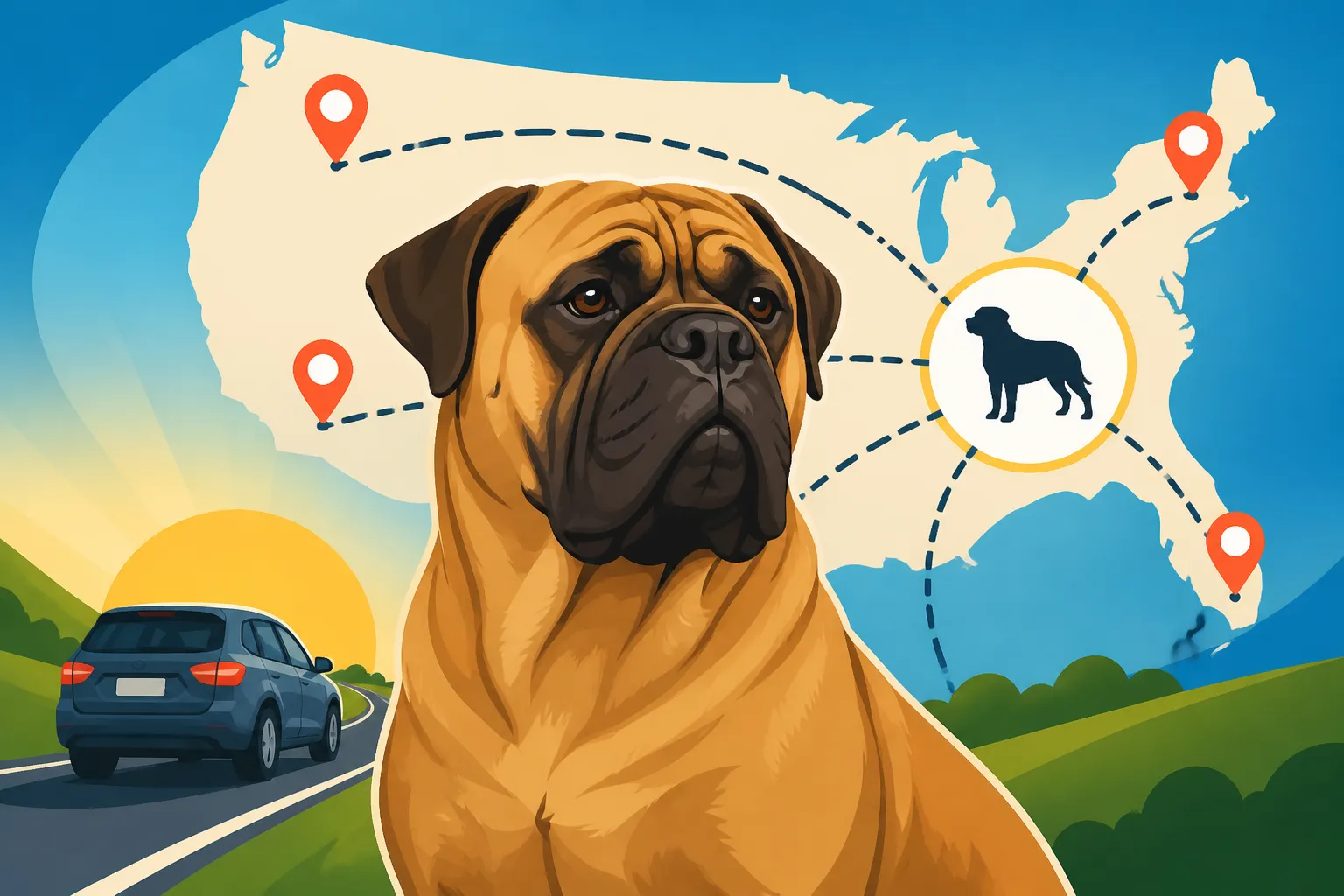
Many prospective owners begin their search locally, hoping to find a reputable breeder within a few hours' drive. However, as they delve deeper into research, they often realize that the best matches for their family and lifestyle might be in a different state, or even across the country. This isn't just about finding any Bullmastiff; it's about finding one that comes from parents who have had all recommended health clearances, possesses a stable temperament, and has been raised in an environment conducive to proper development. The peace of mind that comes from knowing your puppy has the best possible start, genetically and environmentally, often outweighs the inconvenience of travel. This is why you'll often hear stories of people driving or flying hundreds, if not thousands, of miles.
The motivation behind traveling far isn't about snobbery; it's about making an informed, responsible decision for a creature that will become a beloved family member for its How Long a Bullmastiff Lives on Average. The financial investment in a Bullmastiff is substantial, but the emotional investment is immeasurable. Knowing that you've done everything in your power to select a healthy puppy from a solid lineage becomes paramount. It reduces the risk of encountering costly health issues or severe behavioral challenges down the line, which can be devastating for both the dog and the family.
Researching Reputable Breeders Across States
Once the decision is made to cast a wider net, the research phase intensifies. Gone are the days of simply searching "Bullmastiff breeders near me." Now, prospective owners are diving into online forums, breed club websites, and personal recommendations to identify breeders known for their ethical practices, transparent health testing, and commitment to the breed standard. This often involves learning about specific health clearances, such as OFA certifications for hips and elbows, cardiac clearances by a board-certified veterinary cardiologist, and even thyroid testing. You'll want to review Which Health Tests a Bullmastiff Breeder Should Run to understand what to look for.
Connecting with these breeders often starts with extensive email exchanges, phone calls, and sometimes even video chats. It’s a two-way street; responsible breeders are vetting you as much as you are vetting them. They want to ensure their puppies are going to suitable, loving homes that understand the needs and challenges of the breed. This initial communication phase is critical for establishing trust and understanding the breeder's philosophy, their breeding practices, and the puppy's lineage. It’s also where you'll ask Which Questions to Ask a Bullmastiff Breeder.
Many breeders also require potential buyers to visit their kennel in person, not just to pick up a puppy, but to meet the parents and see the living conditions. This visit allows you to observe the temperament of the adult dogs, assess the cleanliness and care of the facility, and get a better sense of the breeder's dedication. This in-person meeting, while an added travel expense, provides invaluable insight and reassures you that you are making a sound decision, confirming that the breeder lives up to their reputation.
Factors Influencing Travel Distance for a Bullmastiff
The distance a buyer is willing to travel for a Bullmastiff isn't arbitrary; it's often dictated by a confluence of critical factors that weigh heavily on the mind of a responsible prospective owner. These factors boil down to the desire for a healthy, well-tempered dog and the limited availability of such animals within a smaller geographical area. It’s about more than just finding a pretty puppy; it’s about finding a lifetime companion from a responsible source.
The stark reality is that not all breeders are created equal, and for a breed with particular genetic predispositions and a short lifespan, making the right choice at the outset can save years of heartbreak and significant financial burden. This understanding fuels the willingness to travel, turning what might seem like an inconvenience into a necessary step in the ownership journey. The search for a healthy, well-adjusted Bullmastiff can quickly become a multi-state affair, driven by careful consideration rather than impulsive decisions.
Breeder Reputation and Health Screening Standards
At the top of the list for most serious Bullmastiff buyers is the breeder's reputation and their commitment to health screening. A breeder who has a long-standing positive reputation within the Bullmastiff community, who is transparent about their dogs' health records, and who actively participates in breed clubs, is a rare and valuable find. These are the breeders who regularly have their breeding stock screened for hip and elbow dysplasia, cardiac issues like Subaortic Stenosis Is There Before a Bullmastiff's First Birthday, and other genetic conditions common in the breed. They will also be upfront about the longevity of their lines and any cancer history, which is sadly prevalent in Bullmastiffs.
When you're evaluating a breeder, you'll want to see evidence of these health clearances for both parents, not just promises. This often means providing OFA (Orthopedic Foundation for Animals) or PennHIP certifications for hips and elbows, along with echocardiograms from a board-certified veterinary cardiologist. Some breeders also test for other conditions like hypothyroidism. This due diligence is crucial because genetic health issues can lead to significant veterinary expenses down the road, making the initial investment in a well-screened puppy a wise financial decision in the long run. Many future owners will tell you that paying a higher price for a puppy from health-tested parents is far cheaper than paying for a lifetime of health issues, especially when considering expenses like Chemotherapy Is the Bill Most Bullmastiff Owners Face.
The importance of these health standards cannot be overstated. Bullmastiffs are predisposed to several serious health conditions, and a responsible breeder is actively working to minimize these risks in their puppies. They're not just breeding for looks; they're breeding for health and longevity. Therefore, if the best breeder with the most rigorous health testing is three states away, that's often exactly where dedicated buyers will go. The potential for a healthier, happier life for their dog makes the travel worthwhile, and ensures they're not contributing to the perpetuation of preventable genetic diseases.
Availability of Desired Lines or Temperaments
Beyond health, specific desired traits in a Bullmastiff can also drive buyers to look further afield. Perhaps a prospective owner is looking for a dog from specific working lines known for their exceptional guarding instincts and courage, but also their trainability and calm demeanor indoors. Or perhaps they are drawn to a particular aesthetic – a certain head type, bone structure, or even a specific shade of fawn or brindle that is harder to find. These nuances, while seemingly small, can be incredibly important to someone who has deeply researched the breed and knows exactly what they are seeking.
Temperament is another major driver. Bullmastiffs, despite their size, are generally known for being devoted and gentle family companions, but individual lines can vary. Some breeders may focus on producing dogs with a slightly softer disposition, ideal for families with young children or those new to giant breeds. Others might prioritize a more confident, assertive temperament suitable for experienced owners or those looking for a working prospect. When a family knows they need a specific type of temperament to integrate successfully into their household, they will absolutely travel to find a breeder known for producing those specific traits.
Sometimes, it's simply a matter of timing and availability. Reputable Bullmastiff breeders often have long waiting lists for their puppies, sometimes extending over a year or more. If a family is ready for a puppy now and a specific breeder who meets all their criteria happens to have a litter available in a distant state, that immediate availability, combined with the breeder's quality, becomes a compelling reason to travel. The demand for well-bred Bullmastiffs often outstrips local supply, turning the search into a broader hunt for the perfect canine companion. You can imagine How Long the Waitlist for a Bullmastiff Runs might impact your decision.
Practicalities of Traveling to Acquire Your Bullmastiff
Deciding to travel a significant distance to pick up your Bullmastiff puppy is a big step, but it's just the beginning of the logistical considerations. Once you've committed to a breeder and a specific puppy, the real planning begins. This isn't a quick jaunt to the local pet shop; it's an intentional journey that requires careful preparation to ensure both your safety and the well-being of your new, furry family member. From coordinating with the breeder to planning the actual trip, every detail matters.
Bringing a new puppy home, especially one that has just left its littermates and mother, can be a stressful experience for the little guy. Your role is to make that transition as smooth and comfortable as possible, minimizing any potential anxieties or health risks associated with travel. This proactive approach ensures that your Bullmastiff starts its new life with you on the best possible paw, setting the stage for a strong, loving bond.
Planning Your Visit: Logistics and Timing
Once a pick-up date is set with your chosen breeder, it's time to map out your journey. This involves considering the mode of transport – often driving is preferred for puppies, especially long distances, as it allows for more control over comfort and potty breaks. If flying is necessary, you'll need to research airline regulations regarding pet travel, including crate requirements, age restrictions for puppies, and climate control policies. Some airlines may not allow brachycephalic (short-nosed) breeds like Bullmastiffs to fly in cargo due to breathing concerns, so this needs to be investigated thoroughly. Understanding What Shipping a Bullmastiff Puppy Costs might also influence your decision between flying and driving.
Accommodation along the way, if it's a multi-day trip, also needs to be pet-friendly. Many hotel chains now welcome pets, but it's crucial to confirm their policies and any associated fees beforehand. You'll want to pack essentials for yourself and prepare a "puppy go-bag" with items like a travel crate, soft bedding, puppy food (the same brand the breeder uses, perhaps ordered from Chewy for convenience), water, bowls, toys, cleaning supplies for accidents, and plenty of paper towels. Don't forget copies of your puppy's health records, vaccine schedule, and the breeder's contract.
Timing your visit is critical. Most reputable breeders will not let puppies go home before 8 weeks of age, and sometimes even later. This allows the puppy crucial time with its mother and siblings for proper social development. Coordinate closely with the breeder to ensure your travel plans align perfectly with the puppy's readiness. Be prepared for potential delays due to weather or unexpected circumstances, and build in flexibility to your schedule.
Bringing Your New Puppy Home: Travel Considerations
The actual journey home with your new Bullmastiff puppy requires patience and careful management. For car travel, ensure the puppy is secured in a well-ventilated crate that's safely strapped into the vehicle. This protects them in case of sudden stops and prevents them from becoming a distraction to the driver. Plan frequent stops for potty breaks, hydration, and short stretches. Always keep the puppy on a leash during these stops, especially in unfamiliar areas, to prevent them from running off. Carry plenty of water and offer it regularly, but don't overfeed just before or during travel to avoid motion sickness.
If flying, the puppy will likely need to travel in a carrier under the seat in front of you if small enough, or in the cargo hold as accompanied baggage. As mentioned, many airlines have restrictions for Bullmastiffs due to their brachycephalic nature, so driving is often the only safe option for longer distances or flying as cargo. Whichever method you choose, make sure the puppy has a familiar scent item, like a blanket from the breeder, to help reduce anxiety. Your breeder can advise on specific measures they recommend for travel, having likely done this many times before.
Upon arrival home, create a calm, welcoming environment. Have a designated "safe space" ready for the puppy, complete with a comfortable bed, food, water, and toys. Keep initial introductions to family members and other pets calm and controlled. The goal is to minimize stress and allow the puppy to gradually adjust to its new surroundings. Starting off with a familiar food, perhaps from Ollie, can also help ease the transition and avoid stomach upset. Consider signing up for pet insurance like Healthy Paws right away, as puppies are prone to unexpected visits, and you want to be covered from the start.
The Alternative: Local Options and Rescue Considerations
While the allure of traveling for a perfect Bullmastiff from a highly-regarded breeder is strong, it's also important to acknowledge that not every prospective owner has the resources, time, or inclination for such a journey. Sometimes, the right fit might indeed be closer to home, or come in the form of a rescued adult dog that desperately needs a second chance. Exploring these alternatives can open up viable and equally rewarding pathways to Bullmastiff ownership.
It's a balance of priorities, often weighing the benefits of a meticulously planned puppy acquisition against the immediate needs of a dog already waiting for a family. Both routes require dedication and research, but they cater to different circumstances and present distinct advantages and challenges. Understanding these options fully can help you make the best decision for your family and your future Bullmastiff.
Exploring Nearby Breeders: When Local Works Best
For some, convenience and the ability to visit a breeder multiple times before commitment are paramount. If you are fortunate enough to have a reputable Bullmastiff breeder within a reasonable driving distance, this can be an excellent option. A local breeder allows for easier in-person vetting, multiple visits to meet the puppies as they grow, and an opportunity to build a personal relationship with the breeder. This closer proximity means you can ask about their breeding program, observe the puppies' development, and see the environment they're raised in without the added stress and cost of extensive travel.
However, even with a local breeder, the same rigorous standards for health testing and ethical practices must apply. Just because a breeder is close by doesn't automatically make them responsible. You'll still need to verify all health clearances, ask for references, and ensure they follow ethical breeding practices, just as you would for a distant breeder. Don't let convenience override your due diligence. Remember to review What Health Results a Bullmastiff Breeder Should Show regardless of their location.
A local connection can also mean ongoing support. A good local breeder often becomes a lifelong resource for advice and guidance, easily accessible for questions or concerns as your Bullmastiff grows. This localized support network can be invaluable for first-time Bullmastiff owners who might appreciate the direct access to an experienced mentor. The reduced travel costs and time also free up resources that can be invested in the puppy's training, high-quality food (like options from Ollie), and early vet care.
The Heartfelt Choice: Adopting a Bullmastiff from Rescue
Another deeply rewarding path to Bullmastiff ownership is adoption from a breed-specific rescue. There are many wonderful Bullmastiffs, both young and adult, who find themselves in rescue situations through no fault of their own. These dogs are often surrendered due to changes in family circumstances, owners underestimating the breed's size or needs, or simply unforeseen life events. A rescue organization dedicated to Bullmastiffs will typically provide comprehensive care, including veterinary check-ups, necessary treatments, and often a thorough assessment of the dog's temperament and training needs.
Adopting from a rescue can be a beautiful way to provide a loving home to a dog in need, and it often means that the dog will come to you already spayed or neutered, up-to-date on vaccinations, and sometimes even house-trained. The adoption fees are typically lower than the purchase price of a puppy from a breeder, though you'll still have expenses like initial supplies, food from Chewy, and getting them settled. Consider What Adopting a Bullmastiff Costs to factor into your budget. Rescue organizations also perform extensive home checks and interviews to ensure a good match, meaning you're supported in finding a Bullmastiff that truly fits your lifestyle.
While you might not always get a puppy or a dog from a specific lineage, what you gain is the incredible satisfaction of giving a deserving Bullmastiff a second chance at happiness. Many rescue Bullmastiffs are well-adjusted and simply need a stable, loving environment. Furthermore, breed rescues often operate nationally, meaning you might still need to travel to meet and adopt a dog, but the focus shifts from finding a breeder to finding a dog that needs you, regardless of the distance. It’s a truly empathetic approach to welcoming a Bullmastiff into your home, and an option that deserves serious consideration for any prospective owner.
Disclaimer
This article is for general informational purposes only and does not constitute professional advice. Laws, prices and regulations vary by location and change over time. Consult a qualified professional for guidance on your specific situation.