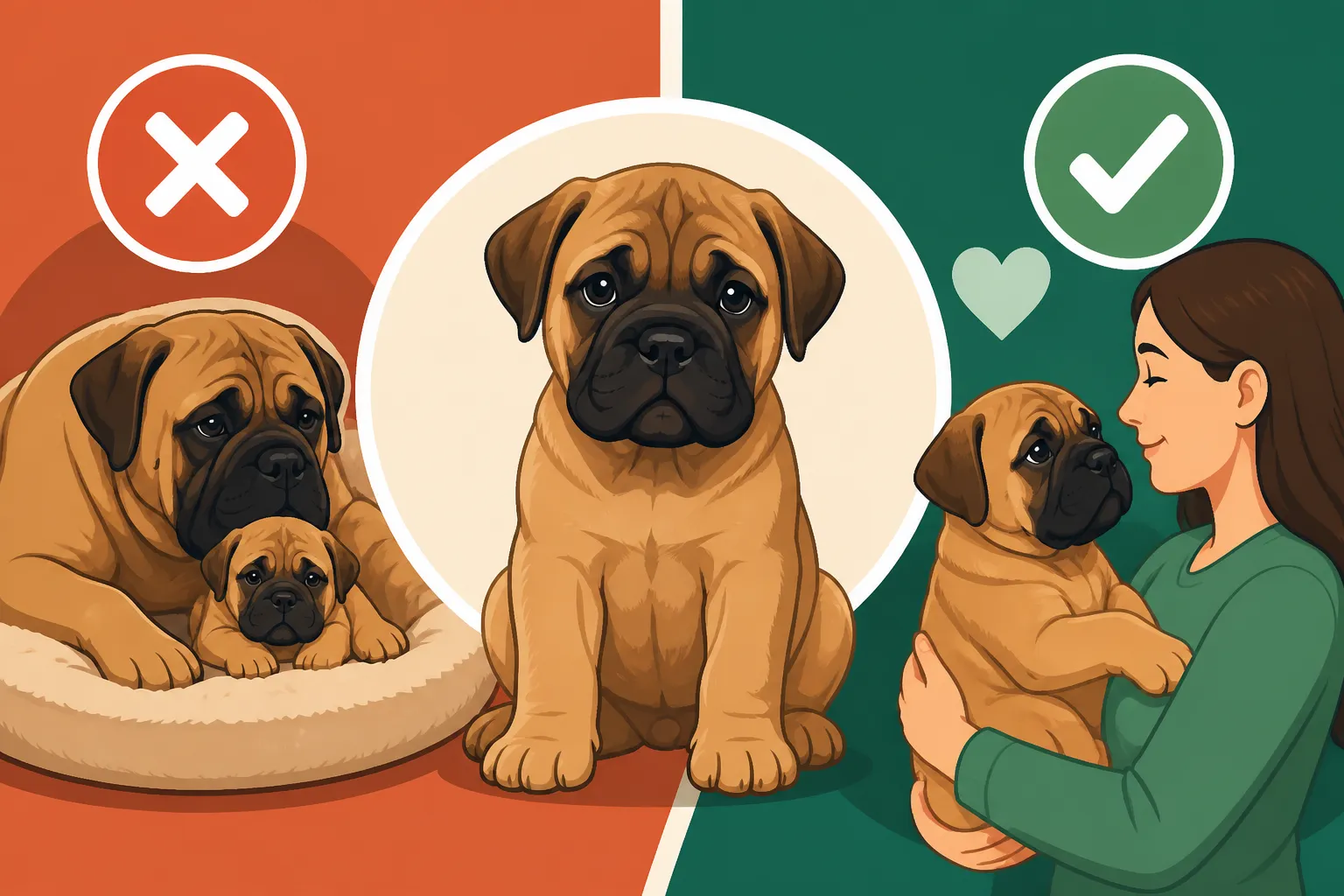
Whether a Bullmastiff Puppy Should Leave at Eight Weeks
Bringing home a Bullmastiff puppy is an incredibly exciting time, but one question often weighs heavily on prospective owners: "When is the right time for my puppy to leave its mother and littermates?" It's a common concern, especially with such a powerful breed that needs a solid foundation. This guide will dive deep into the developmental milestones of Bullmastiff puppies, shedding light on why the standard eight-week mark is so important for their health, behavior, and successful integration into your family.
The Critical Developmental Stages Before Eight Weeks
Before you even think about bringing your little Bullmastiff bundle home, it's crucial to understand what happens during those first two months of their life. These aren't just weeks of adorable puppy antics; they are absolutely foundational for everything your dog will become. Skipping these critical developmental stages, even by a week or two, can have significant long-term repercussions for your Bullmastiff's temperament and ability to cope with the world.
Early Neurological Stimulation and Neonatal Period
The first few weeks of a Bullmastiff puppy's life, often called the neonatal period, are incredibly sensitive and impactful. From birth until about two weeks of age, puppies are primarily focused on eating and sleeping. They can't see or hear yet, but they're incredibly responsive to touch and scent. Responsible breeders often engage in what's known as Early Neurological Stimulation (ENS). This involves brief, gentle exercises, like tactile stimulation (tickling paws), head held up, head held down, supine position, and thermal stimulation. These seemingly small actions, done for just a few seconds a day, are believed to stimulate the neurological system, potentially improving cardiovascular performance, strengthening the adrenal glands, increasing stress tolerance, and even giving them greater resistance to disease later in life. Imagine a tiny Bullmastiff, barely more than a furry jelly bean, already laying the groundwork for a robust future!
As they move into weeks three and four, their eyes and ears open, and the world suddenly comes into focus. This is when they start to explore their immediate surroundings, beginning to interact with their littermates in rudimentary ways. They learn about warmth, comfort, and the security of their mother's presence. Without this initial period of stable, consistent care, a puppy might struggle to form secure attachments or navigate new situations with confidence later on.
The Socialization Window: Learning from Littermates and Mother
The period from about three to eight weeks is often referred to as the "critical socialization window," and it's a huge deal for a Bullmastiff puppy. This is when they learn what it means to be a dog. Think of it as their first, most important classroom. Their mother isn't just a food source; she's their primary teacher in canine etiquette. She teaches them boundaries, gentle correction, and how to respect authority. If a puppy nips too hard, mom might give a warning growl or even a gentle cuff with her muzzle, teaching them "bite inhibition." This lesson is absolutely vital. A Bullmastiff puppy needs to learn how to control the pressure of its jaws, because when it grows into a massive adult, that control is non-negotiable for safety. Without their littermates, they miss out on crucial play-fighting and social cues. They learn how to give and receive signals, how to share, and how to recover from minor disagreements.
A puppy that leaves too early often misses out on these foundational lessons. They might not understand canine body language as well, leading to potential misunderstandings with other dogs. They might also be more prone to separation anxiety because they haven't had enough time to gradually develop independence within the safety of their litter. It's not just about puppy kindergarten later; it's about the innate, hardwired lessons only their own kind can teach them.
Bite Inhibition and Communication Skills
As mentioned, bite inhibition is a huge takeaway from time spent with littermates. When puppies play, they mouth each other. If one puppy bites too hard, the bitten puppy will yelp, stopping play. This immediate feedback teaches the offender that "ouch, that hurt!" and helps them learn to moderate their bite force. Without this vital peer-to-peer learning, a puppy might not develop a "soft mouth." This isn't just about aggression; it's about control. A Bullmastiff, a breed known for its protective instincts and substantial size, must understand how to control its mouth. You don't want a full-grown Bullmastiff, even in play, to accidentally injure someone because it never learned the meaning of "too hard."
Beyond bite inhibition, puppies learn crucial communication skills. They discover how to interpret barks, growls, whimpers, and various body postures from their mother and siblings. They learn about deference, dominance, and how to resolve conflicts without resorting to real aggression. These are subtleties that humans cannot fully replicate, no matter how dedicated we are. It's like trying to learn a foreign language without ever hearing it spoken by a native speaker. The nuances are simply missed. The foundation for A Bullmastiff Was Bred to Hold a Man, Not Bite Him starts right here, in the whelping box.
Why Eight Weeks Became the Standard for Puppy Placement
The eight-week mark isn't just a random number; it's a widely accepted standard, backed by decades of observation and research into canine development. Most reputable breeders and canine organizations advocate for this minimum age because it strikes the best balance between a puppy's continued development with its family and its readiness to adapt to a new home.
Legal Requirements and Ethical Breeding Practices
Many states and even some local municipalities have laws stipulating that puppies cannot be sold or adopted before eight weeks of age. These laws are in place precisely to protect the welfare of young animals, ensuring they receive the full benefit of their early developmental period. Ethical Bullmastiff breeders adhere strictly to these guidelines, not just because it's the law, but because they genuinely care about the health and temperament of the puppies they bring into the world. You'll find that breeders who cut corners on this often cut corners elsewhere, too. If a breeder is willing to let a puppy go at six or seven weeks, it's a major red flag that they might not be prioritizing the puppies' best interests or following Which Health Tests a Bullmastiff Breeder Should Run.
A responsible breeder understands that these initial weeks are vital for physical health, too. Puppies rely on their mother's milk for crucial antibodies that boost their immune system. Taking them away too soon can leave them vulnerable to illness. Beyond that, the logistical effort of raising a litter to eight weeks is significant, involving proper nutrition, constant cleaning, and careful monitoring. A breeder who rushes puppies out the door might be doing so to avoid these responsibilities, which doesn't bode well for the future health or socialization of the pup.
Vaccinations and Worming Protocols
The eight-week mark also aligns perfectly with standard veterinary protocols for puppy health. Typically, a Bullmastiff puppy will receive its first round of vaccinations around six to eight weeks of age. This initial vaccine helps protect them from common, often deadly, puppy diseases like parvovirus and distemper. Without this foundational immunity, a young puppy is incredibly susceptible. Imagine bringing home a seven-week-old Bullmastiff and exposing it to a new environment, new germs, and the stress of separation, all before its immune system has had this crucial boost. It's a recipe for potential disaster.
Additionally, responsible breeders maintain a strict worming schedule, with puppies often being dewormed multiple times before eight weeks. Parasites can seriously debilitate young puppies, leading to poor growth, anemia, and other health issues. By eight weeks, they've usually had several doses, giving them a much cleaner bill of health for their new family. When you bring your Bullmastiff home, you want to be focused on bonding and training, not nursing a sickly puppy through preventable illnesses. You'll continue with their The Vaccination Schedule a Bullmastiff Puppy Needs once they are home with you, building on the breeder's good start.
Emotional Readiness for a New Home
Beyond the physical and social lessons, there's the simple fact of emotional maturity. An eight-week-old Bullmastiff puppy is typically more emotionally robust and ready to handle the significant change that comes with leaving its first home. They've had time to develop a bit of independence from their mother, feeling secure enough to explore the world more confidently. They've also had enough social interaction to be generally less fearful of new people and situations, assuming they've been raised in a stimulating, positive environment.
Taking a puppy home earlier, say at six or seven weeks, means disrupting this delicate process. These younger puppies are often more fearful, prone to crying through the night, and may struggle with housetraining because their bladders and bowels are even less developed. They haven't had that extra week or two of consistent routine and nurturing that helps them build resilience. It's like asking a first-grader to jump straight into high school; they simply aren't ready for the emotional demands. This emotional readiness sets the stage for a smoother transition, allowing you to focus on positive reinforcement training rather than constantly managing anxiety.
The Risks of Taking a Bullmastiff Puppy Home Too Early
It might be tempting to bring your adorable Bullmastiff puppy home as soon as possible, but resist the urge! Taking a puppy away from its mother and littermates before the crucial eight-week mark carries substantial risks that can impact their health, behavior, and your long-term relationship. It's not just about a few extra cuddles; it's about foundational development.
Behavioral Challenges and Confidence Issues
Puppies removed too early often exhibit a range of behavioral problems that can be difficult to correct. Without the consistent feedback from their mother and littermates, they might struggle with impulse control. This often manifests as excessive nipping or biting that isn't inhibited, as they never learned how hard is too hard during play. Imagine a Bullmastiff, a breed capable of immense strength, not understanding proper bite pressure. That's a serious safety concern that could have been avoided by allowing the puppy to stay with its litter longer.
Furthermore, early separation can lead to heightened anxiety and a lack of confidence. These puppies miss out on crucial socialization experiences, which can make them fearful or reactive towards new people, other dogs, or unfamiliar environments. They might develop resource guarding tendencies because they didn't learn sharing etiquette. You could end up with a magnificent Bullmastiff that is constantly on edge, barking excessively at strangers, or struggling with separation anxiety when left alone. This creates stress for both the dog and the owner and often requires extensive, expensive professional training to mitigate. While Training a Bullmastiff That Weighs More Than You Do is always important, trying to correct these fundamental developmental gaps is a much harder battle.
Health Vulnerabilities and Immune System Development
Physically, a Bullmastiff puppy leaving before eight weeks is at a much higher risk of health issues. Their immune system is still developing, and they are still benefiting from the passive immunity passed through their mother's milk. Removing them too soon means they miss out on these vital antibodies, making them more susceptible to common puppy diseases, even if they've had an early vaccine. That first vaccine shot at 6-8 weeks needs time to build immunity, and a puppy stressed by a new environment and lacking maternal antibodies is less likely to respond effectively.
The stress of early separation itself can weaken a puppy's immune system, leaving them vulnerable to illnesses like kennel cough, giardia, or other gastrointestinal upsets. These conditions often require veterinary visits, medication, and significant worry for new owners. While reputable brands like Healthy Paws offer pet insurance that can help with unexpected vet bills, preventing these issues in the first place by ensuring proper development is always the best approach. Investing in a healthy start means fewer headaches and heartaches down the road.
The Long-Term Impact on Training and Temperament
The early weeks shape a Bullmastiff's entire outlook on life. A puppy that has learned proper social cues and gained confidence within its litter is far more receptive to training and adapts more easily to new routines. They've already learned to trust and respond to guidance from their mother, which translates to a better relationship with their new human family.
Conversely, a puppy with behavioral gaps from early separation might be much harder to train. They may be more distracted, less focused, or more prone to fear-based reactions. This can make everything from housetraining to basic obedience a monumental struggle. Imagine trying to teach a massive Bullmastiff to walk politely on a leash or come when called if they haven't learned basic respect or focus. These are big, powerful dogs, and a lack of early foundation can lead to a dog that is simply unmanageable for many families. The short-term desire for an earlier puppy can lead to years of frustration and a dog that never truly reaches its full potential as a well-adjusted companion. It's why phrases like The Median Bullmastiff Lives Eight and a Half Years sting more when those years are fraught with behavioral problems that could have been avoided.
What to Look For When a Bullmastiff Puppy Is Ready
Knowing why eight weeks is the general guideline is one thing, but understanding the nuances of a truly ready Bullmastiff puppy is another. Every individual puppy is different, and while the age is a critical benchmark, observing their behavior and choosing a breeder who prioritizes their development are equally important.
Observing Puppy Behavior and Independence
By eight weeks, a Bullmastiff puppy should exhibit a healthy blend of curiosity and confidence. They should be eager to explore new sights and sounds, but also willing to return to the comfort of a familiar person or space. Look for puppies that are playful and interactive with their littermates, engaging in wrestling, chasing, and gentle mouthing. They should respond well to their mother's corrections and understand basic social boundaries.
You want to see a puppy that is not overly fearful or timid, nor overly aggressive. They should be able to separate from their littermates for short periods without excessive distress. When a breeder allows you to visit, observe how the puppies interact with each other and with people. Do they approach you with wagging tails and curious nudges? Are they comfortable being held and gently handled? A puppy that is hiding, constantly cowering, or uncontrollably biting may not have had sufficient socialization or may have an underlying temperament issue. A puppy that is ready will show signs of resilience and a budding personality, ready to bond with its new family.
Breeder Practices and Transparency
A responsible Bullmastiff breeder will be your best ally in ensuring your puppy is ready. They won't rush the process, and they'll be transparent about their practices. They should happily discuss their socialization protocols, how they handle early neurological stimulation, and what they do to prepare puppies for their new homes. They should also be able to provide clear records of vet checks, vaccinations, and deworming.
A good breeder will also allow you to visit the puppies, often multiple times, to observe their environment and interactions. They'll show you the mother (and sometimes the father) of the litter, demonstrating that the puppies are raised in a clean, stimulating, and loving home. They'll also be asking you a lot of questions, ensuring that you're a good fit for one of their puppies and that you understand the commitment involved in raising a Bullmastiff. Be wary of any breeder who pushes for an early pickup, refuses visits, or seems unwilling to discuss their practices in detail. They might be more concerned with moving puppies quickly than ensuring their well-being. Look for a breeder who understands What a Bullmastiff Breeder Should Have Screened.
Preparing Your Home for an Eight-Week-Old Bullmastiff
Once you've confirmed your Bullmastiff puppy will be coming home around the eight-week mark, it's time to get your own house in order. These powerful little bundles of joy need a secure, safe, and stimulating environment. Puppy-proofing is essential; remember, anything at their height is fair game for curious teeth. Think about removing electrical cords, securing cabinets, and picking up small items they could swallow.
You'll need essential supplies: a sturdy crate large enough for a growing Bullmastiff (remembering they will be a substantial dog!), food and water bowls, a comfortable bed, appropriate chew toys, and a high-quality large breed puppy food. Brands like Ollie often offer tailored nutrition plans, or you can find excellent options on Chewy, making sure to choose a formula specifically designed for large breeds to support healthy, slow growth. Feeding a Bullmastiff Puppy So It Grows Slowly is absolutely vital for preventing joint issues later on.
Prepare a designated safe space for your puppy, such as their crate in a quiet area, where they can retreat and feel secure. Plan your schedule to accommodate frequent potty breaks, feeding times, and short, positive training sessions. Having a solid plan for the first few weeks will make the transition smoother for everyone, especially your young Bullmastiff, who is embarking on the biggest adventure of their life. Consider exploring articles like The First Year With a Bullmastiff Puppy for more in-depth preparation.
| Age of Puppy | Key Developmental Milestones | Risks of Early Departure | Readiness for New Home |
|---|---|---|---|
| 0-3 Weeks | Neonatal/Transition period: Eyes/ears open, first steps, primary focus on mom/survival. | High risk of illness, poor development, lack of socialization. | Not ready |
| 3-6 Weeks | Critical Socialization Window begins: Littermate play, bite inhibition starts, mother teaches boundaries. | Severe behavioral issues (fear, aggression), poor bite inhibition, weak immune system. | Not ready |
| 6-8 Weeks | Continued socialization, further bite inhibition, learning independence, first vaccinations. | Increased risk of anxiety, difficult housetraining, immune vulnerabilities. | Approaching readiness |
| 8+ Weeks | Well-socialized, better emotional regulation, started basic health protocols, developing confidence. | Minimal risks if raised ethically. | Ideal readiness |
Ultimately, waiting until your Bullmastiff puppy is at least eight weeks old is not just a recommendation; it's a commitment to their future well-being. It’s an investment in a confident, well-adjusted companion who is much better equipped to thrive in your home.
Disclaimer
This article is for general informational purposes only and does not constitute professional advice. Laws, prices and regulations vary by location and change over time. Consult a qualified professional for guidance on your specific situation.