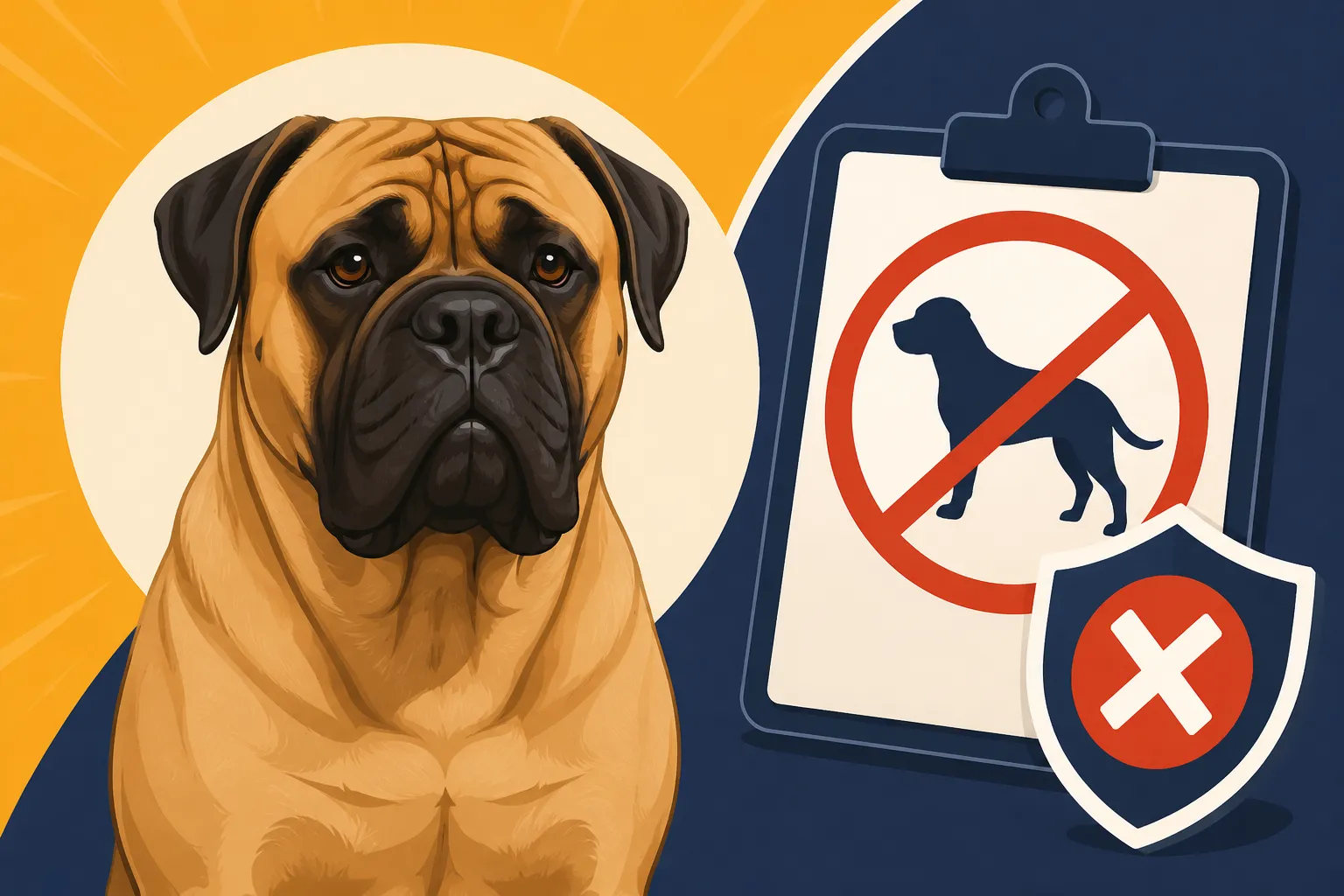
Whether a Bullmastiff Is on Restricted Breed Lists
It’s a deeply unsettling moment when you’re considering bringing a Bullmastiff into your life, only to hear whispers or outright statements that your chosen breed might be on a "restricted breed list." This isn't just about inconvenience; it feels like a personal attack on your choice of companion and can make you question if you're making the right decision. Rest assured, you're not alone in navigating this complicated landscape. This guide will help you understand what breed restrictions actually mean for Bullmastiff owners, why they exist, and how you can proactively address them to ensure a smooth, loving life with your majestic dog.
Understanding Breed-Specific Legislation (BSL) and Its Impact
Breed-Specific Legislation, or BSL, is a term that strikes fear into the hearts of many dog owners, especially those with powerful, loyal breeds like the Bullmastiff. Essentially, BSL refers to laws enacted by local governments (cities, counties, or sometimes even states) that regulate or prohibit certain dog breeds based on their perceived danger. It's often born out of public concern following incidents involving dog bites or attacks, leading to a knee-jerk reaction that targets breeds rather than individual dog behavior or irresponsible ownership.
The Misconception Behind Breed Restrictions
The core issue with BSL is that it operates on the flawed premise that a dog's breed is the sole predictor of its behavior. While certain breeds might possess inherent traits or physical capabilities, individual temperament and behavior are far more influenced by genetics, socialization, training, and the environment they grow up in. A well-socialized, properly trained Bullmastiff from a responsible breeder is a world apart from a neglected, unsocialized dog of the same breed. Yet, BSL often paints all dogs of a certain breed with the same broad brush. It’s frustrating because it penalizes responsible owners and well-behaved dogs, creating unnecessary barriers and often leading to dogs being surrendered to shelters simply because their owners can no longer legally keep them. This is especially heartbreaking for a breed like the Bullmastiff, known for its deep bond with its family.
Where BSL Can Be Implemented
BSL can pop up in the most unexpected places. It might be a city ordinance in a bustling metropolitan area, a county law in a more rural setting, or even a smaller, lesser-known regulation within specific towns. These laws can vary wildly, from outright bans on owning a Bullmastiff, to requirements for special permits, mandatory muzzling in public, strict leash laws, increased insurance premiums, or even specific enclosure requirements. It's a patchwork quilt of regulations, which means what's allowed in one town just a few miles away might be strictly forbidden in another. This inconsistency is a huge headache for Bullmastiff owners, especially if they move or travel. It forces you to constantly be aware of local laws, and ignorance, unfortunately, is rarely an excuse.
Why Bullmastiffs Appear on Restricted Lists
It's natural to wonder, "Why my Bullmastiff? They're gentle giants!" And you'd be right to feel that way. Bullmastiffs are known for their calm demeanor and devotion to their families. However, their physical attributes and historical role often lead to their inclusion on these unfortunate lists.
Perceived Aggression and Guardian Nature
Bullmastiffs were originally bred to be estate guardians, silently catching and holding poachers without harming them. This history instilled in them a strong protective instinct and a formidable physical presence. While this makes them excellent family protectors, it can be misinterpreted by those unfamiliar with the breed. Their imposing size, deep bark (when they do choose to use it), and powerful build can lead to assumptions of inherent aggression, even if the dog is simply doing its job of observing and assessing a new situation. The perception is often that a dog capable of deterring an intruder must, by extension, be a danger to the general public. This ignores the nuance that their historical role was about holding, not biting, as discussed in A Bullmastiff Was Bred to Hold a Man, Not Bite Him.
Size, Strength, and Bite Statistics
Let's be honest, A Hundred and Thirty Pounds of Bullmastiff, Measured is an impressive sight, and their sheer physical strength cannot be denied. When incidents involving dog bites occur, the severity is often correlated with the size and strength of the dog involved, purely from a physics standpoint. Because of their powerful jaws and robust build, Bullmastiffs can unfortunately be grouped with other large, strong breeds when statistics are compiled or when fear-based policies are drafted. Even if a Bullmastiff is known for its gentle nature, the potential for harm, should an incident occur, is often the driving factor for their inclusion on restricted lists. This is particularly frustrating because it shifts the focus away from proper training and responsible handling, which are crucial for any large dog, regardless of breed. The issue isn't the breed itself, but the lack of understanding and education surrounding responsible ownership.
Navigating Housing Restrictions for Bullmastiff Owners
Finding a home that welcomes a Bullmastiff can be one of the biggest challenges an owner faces, often more so than local BSL. Landlords, homeowner associations (HOAs), and even some rental communities have their own sets of rules that might be more restrictive than municipal laws.
Rental Property Challenges
Many landlords, especially those managing larger apartment complexes, use breed restrictions as a blanket policy to mitigate perceived risks to property or other tenants. They might have an insurance policy that dictates which breeds they can allow, or they might simply have had a bad experience in the past. This often means a flat "no" to any breed on their internal restricted list, which frequently includes Bullmastiffs. It's incredibly frustrating to fall in love with a place, only to be told your furry family member isn't welcome.
When you're searching for a rental, it's crucial to be upfront and honest about your Bullmastiff. Trying to hide your dog will only lead to bigger problems down the line. Be prepared with references from previous landlords, a letter from your vet attesting to your dog's temperament and health, and proof of obedience training. Sometimes, offering a larger pet deposit or agreeing to a higher pet rent can sway a hesitant landlord. Highlighting your Bullmastiff's calm disposition and minimal barking, as touched on in How Quiet a Bullmastiff Is Indoors, can also be a persuasive point. Remember that a Bullmastiff is generally quite mellow indoors and doesn't require a huge amount of exercise, which can be an advantage when convincing a landlord your dog will be a good tenant.
Homeowners Association (HOA) Rules
HOAs can be even trickier than landlords because their rules are often deeply entrenched and harder to change. They are typically governed by a board of directors and can implement restrictions on everything from fence height to the types of dogs allowed. These restrictions are often part of the community's Covenants, Conditions, and Restrictions (CC&Rs), which you agree to when you purchase a home in that community.
If you're considering buying in an HOA community, you must thoroughly review their pet policies before signing any papers. Don't just ask if they allow dogs; specifically ask about breed restrictions. If Bullmastiffs are on their list, you might have limited recourse. Some HOAs may offer exceptions for service animals, but for a family pet, it can be an uphill battle. You might try appealing to the board, presenting a strong case for your dog's good behavior, temperament, and training. Joining a community with a clear understanding of its rules is key to avoiding future heartache. Knowing Whether a Bullmastiff Suits an Apartment might also give you a leg up in demonstrating their suitability for various living situations, even if not an apartment per se.
Insurance Challenges for Bullmastiff Owners
Beyond housing, one of the most significant impacts of breed restrictions comes from the insurance industry. Many homeowners and renters insurance providers maintain their own restricted breed lists, and if your Bullmastiff is on it, you could face denied coverage, significantly higher premiums, or even policy cancellation.
Homeowners and Renters Insurance Policies
Insurance companies use breed restrictions as a way to manage their risk, believing that certain breeds are more likely to be involved in incidents that could lead to liability claims. If your Bullmastiff is on their restricted list, you might find that your standard insurance provider won't cover any dog-related incidents, leaving you financially vulnerable. This is a huge concern because if your dog accidentally injures someone or damages property, you could be facing substantial legal and medical bills out-of-pocket.
It's imperative to disclose your Bullmastiff to your insurance provider before you need to file a claim. If you don't, your policy could be nullified for misrepresentation. Many companies will simply refuse to cover your home or rental with a Bullmastiff. You might need to shop around for specialty insurance providers that are more breed-inclusive, or explore an umbrella policy that offers additional liability coverage. Companies like Healthy Paws, while primarily pet health insurance, can sometimes offer guidance on liability concerns or at least help you cover the vet bills if your Bullmastiff gets into an accident, which indirectly can protect your finances. However, for property liability, you'll need to research dedicated homeowners/renters insurance options. This is a critical step, as failing to secure proper coverage can have devastating financial consequences. This directly relates to Whether a Bullmastiff Is Insurable as a Guard Breed, as this perception often drives insurance decisions.
Pet Insurance Considerations
While homeowners insurance deals with liability to others, pet insurance focuses on your dog's health costs. Even here, breed can sometimes influence premiums, though not usually to the point of restriction. Bullmastiffs, unfortunately, are prone to certain health issues like hip and elbow dysplasia, as well as specific cancers. This means their vet bills can add up quickly, especially as they age. Reputable pet insurance providers understand breed predispositions and price their policies accordingly. It's important to get insurance early, ideally when they are puppies, to avoid pre-existing condition clauses. Companies like Healthy Paws can be invaluable here, helping to offset the high costs of medical care, which for a Bullmastiff can include everything from routine check-ups to potential surgeries or long-term medication. Planning for Why a Bullmastiff's Bills Come Early through pet insurance can offer significant peace of mind.
| Type of Restriction | Common Concerns | Impact on Owners |
|---|---|---|
| Local BSL | Public safety, bite incidents | Outright bans, muzzling laws, special permits, higher fines |
| Rental Property | Property damage, tenant safety, insurance liability | Breed bans, higher deposits, increased pet rent, difficulty finding housing |
| HOA Rules | Community aesthetics, perceived danger, liability | Breed bans, specific enclosure rules, fines for non-compliance |
| Insurance | Liability risk, severity of potential incidents | Policy denial, higher premiums, exclusion of dog-related incidents |
Tips for Living with a Bullmastiff Where Restrictions Exist
Even if you encounter breed restrictions, there are often ways to mitigate the impact and demonstrate that your Bullmastiff is a responsible, beloved family member. It takes proactive effort and commitment, but it's absolutely worth it for your loyal companion.
Emphasize Training and Socialization
One of the most powerful tools you have is a well-behaved dog. Enroll your Bullmastiff in obedience classes from a young age. Early and consistent training, especially when they are still small enough to manage, is non-negotiable for a breed that will grow to be over 100 pounds. A Bullmastiff that responds to commands, walks politely on a leash, and is comfortable around strangers and other dogs is the best advertisement for the breed. Don't shy away from professional help if you need it; Training a Bullmastiff That Weighs More Than You Do is a serious undertaking. Carry proof of your dog's training certificates with you, and offer to provide them to landlords or HOAs. A well-socialized Bullmastiff is less likely to react defensively and more likely to be perceived as the gentle giant they truly are.
Advocate for Your Breed
Many breed restrictions are based on outdated stereotypes or lack of information. Become an advocate for your Bullmastiff. Educate people about the breed's true temperament, its history as a "Gamekeeper's Night Dog" (designed to apprehend, not attack), and its suitability as a family companion, as explored in A Bullmastiff With Children. Share positive experiences, volunteer with your dog if appropriate, and be a shining example of responsible Bullmastiff ownership. Support organizations that advocate against BSL and for breed-neutral dangerous dog laws, which focus on individual dog behavior rather than breed. Even simply walking your well-behaved dog in public and engaging politely with curious strangers can make a difference. Showing your commitment to responsible ownership, like using high-quality food from services like Ollie or Chewy, also demonstrates your dedication to your dog's well-being.
Consider a Canine Good Citizen Certification
The American Kennel Club (AKC) Canine Good Citizen (CGC) program is an excellent way to demonstrate your dog's good manners and responsible ownership. It tests dogs on ten practical skills, including accepting a friendly stranger, walking politely through a crowd, and reacting appropriately to distractions. Achieving a CGC title provides concrete proof that your Bullmastiff is well-behaved and manageable in public settings. This certification can be a powerful negotiating tool with landlords, HOAs, and even some insurance companies. It shows a commitment to training and can often differentiate your dog from generalized breed stereotypes. It proves that your dog isn't just a "Bullmastiff," but a trained, reliable member of society.
Be Prepared with Documentation
Always have a "doggy resume" ready for your Bullmastiff. This should include:
- Vaccination records: Up-to-date proof of all necessary shots.
- Spay/Neuter certificate: If applicable, demonstrating responsible pet ownership.
- Microchip registration: For identification and safety.
- Veterinarian contact information and reference: A letter from your vet affirming your dog's health and temperament can be very persuasive.
- Training certificates: Especially CGC or other obedience diplomas.
- Photos: Showing your Bullmastiff in a positive light, interacting calmly with family or other pets.
- References: From previous landlords or dog sitters who can vouch for your Bullmastiff's good behavior.
This comprehensive packet shows you are a responsible owner who has invested time and effort into your Bullmastiff's well-being and behavior. When faced with skepticism, presenting a professional and thorough case can make all the difference. Remember, the goal is to show that your Bullmastiff is an individual, not just a breed on a list. Services like Chewy or Ollie can help you keep your dog healthy and well-fed, contributing to their overall well-being, which in turn can bolster their "resume."
Choosing to welcome a Bullmastiff into your life is a profound commitment, and navigating breed restrictions is, unfortunately, often part of that journey. It requires patience, diligence, and a willingness to advocate for your beloved companion. By being informed, proactive, and committed to responsible ownership, you can ensure your Bullmastiff thrives, no matter where you call home.
Disclaimer
This article is for general informational purposes only and does not constitute professional advice. Laws, prices and regulations vary by location and change over time. Consult a qualified professional for guidance on your specific situation.