Where Bullmastiff Rescues Operate
Finding a Bullmastiff in need of a new home can sometimes feel like searching for a needle in a haystack, especially if you're picturing a traditional animal shelter bursting with them. The reality is often more nuanced, with dedicated rescue groups operating differently than you might expect. This guide will help you understand where these incredible Bullmastiff rescue organizations typically operate, how they function, and what you can do to find your next loyal companion.
The Landscape of Bullmastiff Rescues: Why It's Not Always Easy to Find Them
Unlike the local animal control facility you might picture, breed-specific rescues, especially for a less common breed like the Bullmastiff, often operate behind the scenes. They are fueled by passion, dedication, and an extensive network of volunteers. This means their "operations" aren't always a physical building you can walk into, but rather a distributed web of foster homes and committed individuals.
Understanding the Decentralized Nature of Rescue Efforts
Imagine a group of Bullmastiff lovers, scattered across a state or even several states, all working together for a common cause: saving their beloved breed. That's often the model for Bullmastiff rescues. These aren't typically brick-and-mortar operations with open visiting hours. Instead, they rely on a network of foster homes where the dogs live as part of a family until they find their forever home. This setup has huge benefits for the dogs, as they get individualized attention and assessment, but it can make the "where" of rescue seem a bit nebulous to an outsider. You won't find a single address for "Bullmastiff Rescue of America" in your hometown, but you might find a foster parent in a nearby suburb.
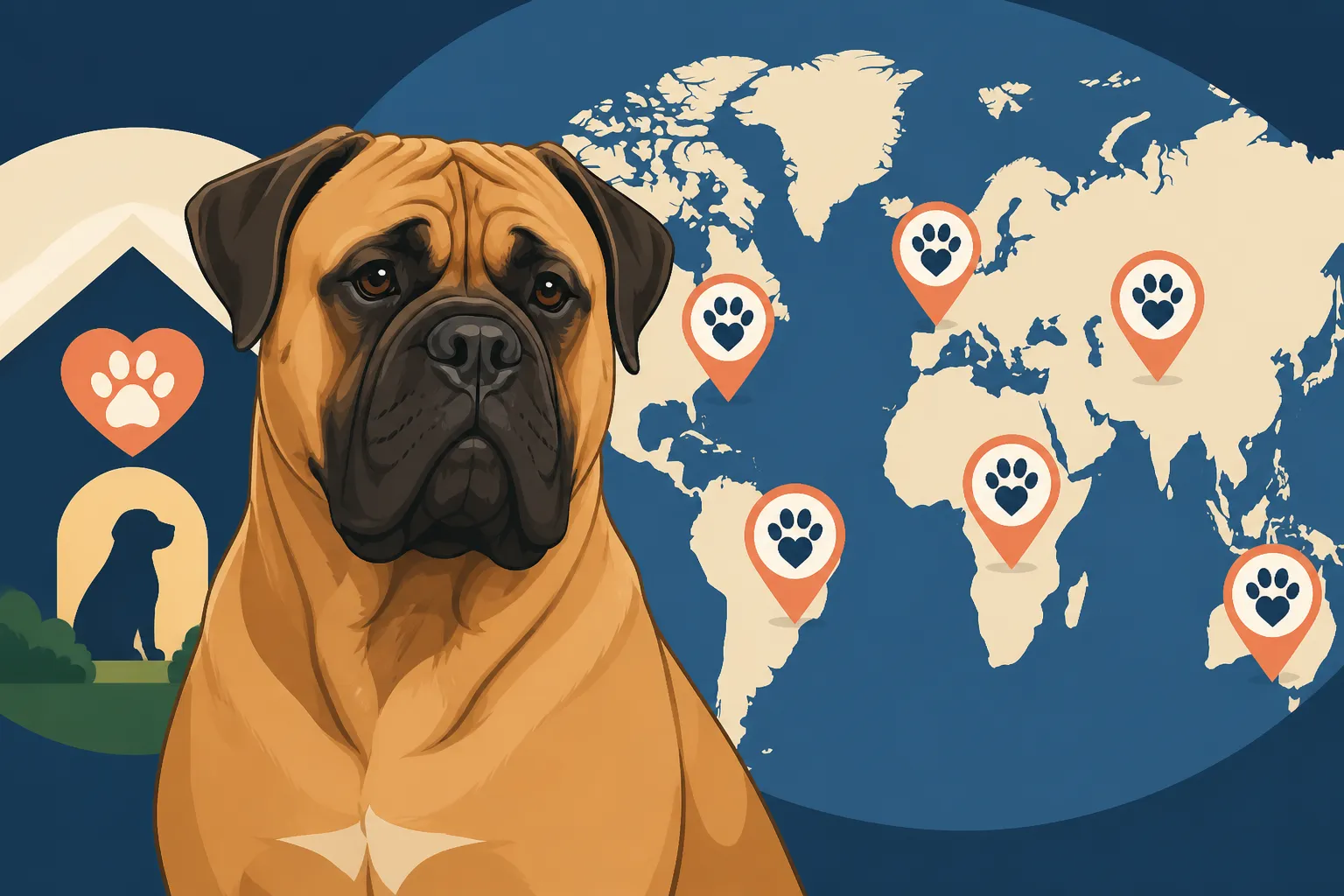
This decentralized approach means that the "rescue" is essentially wherever the volunteers and foster families are located. If you're looking for a Bullmastiff, you're tapping into a network of individuals who might be spread across a wide geographic area. This requires a different kind of search strategy than simply visiting your local shelter. It also means that a rescue operating out of, say, Ohio, might have foster dogs temporarily residing with families in Pennsylvania or Michigan, all under the same organizational umbrella.
The Impact of Breed Popularity on Rescue Availability
The number of Bullmastiffs needing rescue homes is directly related to the breed's overall popularity and breeding practices. Bullmastiffs, while incredibly special, aren't as prevalent as, say, Labrador Retrievers or German Shepherds. This means fewer Bullmastiffs might end up in the general shelter system, which sounds good on the surface, but it can also make finding a breed-specific rescue more challenging. The pool of dogs available for rescue is simply smaller.
Because fewer Bullmastiffs are bred compared to some other breeds, and responsible breeders often have contracts requiring dogs be returned to them if owners can no longer care for them, there isn't usually an overwhelming supply of Bullmastiffs in the shelter system. This means that a dedicated Bullmastiff rescue might have a smaller number of dogs available at any given time, or they might not always have a dog waiting for adoption in every state or region. This can lead to longer waiting times for adopters and necessitates a broader search, often involving looking beyond your immediate geographic area.
Navigating Your Search: Where to Start Looking for a Bullmastiff in Need
When you're ready to open your heart and home to a rescue Bullmastiff, knowing where to direct your energy is key. It's not just about looking in your immediate neighborhood; often, the search requires a wider net.
National Breed-Specific Rescue Networks and Their Affiliates
Your first port of call should almost always be the national breed club's rescue committee. For Bullmastiffs, this would typically be the rescue arm associated with the American Bullmastiff Association (ABA). These national organizations often have a rescue coordinator or committee that oversees efforts across the country. They act as a hub, connecting individuals looking to rehome their Bullmastiffs with potential adopters, and also coordinating with regional or state-level volunteers and foster homes.
These national networks often don't have physical locations but maintain an online presence where they list available dogs and provide resources for adoption. They typically have volunteers in various states who can help with transport, home visits, and vetting potential adopters. Think of it as a central switchboard for Bullmastiff rescue efforts nationwide. You might be surprised to find that a "local" Bullmastiff in distress is being assisted by a volunteer from a regional branch of the national organization, perhaps covering several states. They also sometimes work with other reputable breed groups, like the American Rottweiler Club or Great Dane Club of America, as some of these larger breed rescues have networks that occasionally help rehome other large molosser types. If you're wondering about the cost, What a Bullmastiff Rescue Adoption Fee Covers is usually a very reasonable amount to help offset their significant veterinary expenses.
General All-Breed Rescues and Shelters: Don't Overlook Them
While breed-specific rescues are fantastic, a significant number of Bullmastiffs still find their way into general animal shelters, humane societies, and all-breed rescues. These dogs might arrive as strays, owner surrenders, or from neglect situations. Because these shelters take in all breeds, they might not have the specialized resources or breed knowledge that a dedicated Bullmastiff rescue possesses. This is where you, as a potential adopter, can make a huge difference.
It's crucial to set up alerts with online platforms like Petfinder and Adoptapet, specifying "Bullmastiff" as your desired breed, and to regularly check the websites of local humane societies and county shelters within a reasonable driving distance. Don't be afraid to visit these shelters in person, too. Sometimes, a dog might be listed as a "Mastiff mix" or simply "large breed" without specific breed identification. With your knowledge of the Bullmastiff, you might spot one that the shelter staff hasn't correctly identified. Remember, these general shelters often have limited resources, so quickly identifying a Bullmastiff and offering a suitable home can be a lifesaver for the dog.
Online Platforms and Social Media Groups
The internet has revolutionized the way we connect, and rescue is no exception. Online platforms such as Petfinder and Adoptapet aggregate listings from thousands of rescues and shelters across the country, making them indispensable tools. You can filter by breed, location, age, and even specific traits. These sites are often the first place dogs from smaller, independent rescues or foster homes get listed.
Beyond these large aggregators, social media groups dedicated to Bullmastiff rescue can be incredibly powerful. Facebook groups, for example, often share urgent pleas for dogs in shelters, cross-post available dogs from various rescues, and connect foster families with potential adopters. Joining these groups allows you to see dogs that might not yet be listed on the larger adoption sites and gives you direct access to the volunteer community. However, always exercise caution on social media; verify the legitimacy of any rescue or individual before sharing personal information or sending money. Legitimate rescues will always have a formal application process.
Expanding Your Search: Geographic Reach and Practical Considerations
Given the often-distributed nature of Bullmastiff rescue, you might need to think beyond your immediate vicinity. Finding the perfect Bullmastiff could mean extending your search to neighboring states or even further afield.
The Reality of Traveling for Your Rescue Bullmastiff
It’s a common scenario: you’ve found the most wonderful Bullmastiff listed by a rescue, but they’re two states away. For many dedicated adopters, traveling a significant distance is a necessary part of the process. Bullmastiff rescues prioritize finding the absolute best match for their dogs, and that match might not always be in your hometown. This often involves driving to meet the dog and its foster family, and potentially returning to finalize the adoption.
Sometimes, rescues have volunteer transport chains that help move dogs from one location to another, but this isn't always available, and adopters are often expected to handle at least part of the travel. This means factoring in gas, potential overnight stays, and the time commitment. Before committing, ask the rescue about their policies on out-of-area adoptions, transport assistance, and required visits. While traveling for your new family member can be an adventure, it's also a significant commitment of time and resources. This is much like the experience of breeders, where How Far Buyers Travel for a Bullmastiff is often a long distance.
Considering Foster-Based Rescues
Many Bullmastiff rescues operate entirely through a network of foster homes. This means they don't have a central kennel facility. Instead, each rescue Bullmastiff lives in a volunteer's home, often with other pets and children, allowing the rescue to get an incredibly detailed understanding of the dog's personality, quirks, and needs in a home environment. This invaluable insight can lead to a much more successful placement.
For you as an adopter, it means that the "location" of the rescue dog is wherever the foster family lives. You might contact a rescue organization based in Florida, only to find their available Bullmastiff is currently being fostered in North Carolina. While this adds a layer to the logistics of meeting and adopting, the benefits of a foster-based system are immense. You're getting a dog that has been living in a home, not a kennel, and its foster parent can tell you everything from how it handles stairs to its interactions with cats. These insights are crucial for a smooth transition into your own home. The adoption fees collected, which you can read about in What a Bullmastiff Rescue Adoption Fee Covers, go directly towards covering the significant costs incurred by these foster networks.
What to Expect When Adopting from a Bullmastiff Rescue
Adopting from a breed-specific rescue is a deeply rewarding experience, but it's important to understand that the process is often more involved and thorough than picking up a dog from a general shelter. Their meticulous approach is always with the dog's best interest at heart.
The Application Process: More Than Just a Form
Be prepared for a comprehensive application process. Bullmastiff rescues are often staffed by highly experienced volunteers who want to ensure their dogs go to the absolute best homes. This means applications are typically detailed, asking about your living situation, yard, experience with large breeds, work schedule, and other pets. They’ll usually require vet references for any past or current pets, and sometimes personal references. This isn’t meant to be intrusive; it’s a safeguard. The rescue wants to confirm you have a history of responsible pet ownership and that your lifestyle aligns with the needs of a Bullmastiff.
Following the application, many rescues conduct phone interviews and home visits. A home visit might seem daunting, but it's a chance for the rescue to get a feel for the environment the dog would be entering, answer your questions, and offer advice. They might check your fence, assess potential hazards, and discuss things like crate training or local vet services. While Which Questions to Ask a Bullmastiff Breeder focuses on puppies, many of the underlying concerns about a suitable home environment apply equally to rescue adoptions. They want to ensure the giant, strong Bullmastiff is safe and has enough space, both indoors and out.
The Waiting Game and Patience Required
Finding the right rescue Bullmastiff is rarely an instant process. The number of available Bullmastiffs can fluctuate, and the perfect match for your family might not be available immediately. You might apply for a specific dog, only for it to be adopted by someone else, or for the rescue to determine another applicant is a better fit. It requires patience and an open mind. Don't get discouraged if you don't find "the one" right away.
The waiting period can be a fantastic opportunity to educate yourself further on the breed. Read up on Bullmastiff health concerns like Why a Bullmastiff's Lymphoma Risk Is Five Times a Mixed Breed's or Subaortic Stenosis Is There Before a Bullmastiff's First Birthday. This preparation will make you an even more informed and confident owner when your Bullmastiff finally arrives. Remember that these dogs often come into rescue because of circumstances beyond their control, and the rescue wants to ensure their next home is truly forever. The patience you demonstrate during the adoption process shows your commitment.
Beyond Adoption: Supporting Bullmastiff Rescue Efforts
Even if you're not ready to adopt, or you've already found your furry family member, there are countless ways to support the vital work that Bullmastiff rescues do. These organizations run on passion and the generosity of their community.
Volunteering Your Time or Home
Rescue groups, particularly foster-based ones, are always in desperate need of volunteers. If you have some time to spare, consider offering to help. This could mean fostering a Bullmastiff in your home, providing a safe and loving environment for a dog in transition. Fosters are the backbone of these organizations, allowing dogs to decompress, receive individual attention, and be properly evaluated before adoption. The rescue usually covers medical expenses, and sometimes even food, with brands like Chewy or Ollie often providing discounts or donations for rescue organizations.
If fostering isn't an option, there are many other ways to volunteer:
- Transport: Driving dogs from shelters to foster homes, vet appointments, or adoption events. This is often a critical need.
- Home Visits: Conducting initial home checks for prospective adopters in your area.
- Fundraising: Helping organize events or online campaigns to raise much-needed funds.
- Administrative Tasks: Assisting with applications, phone calls, social media updates, or website management.
- Event Support: Helping at adoption events or breed expos to spread awareness and handle dogs.
Every little bit of help makes a huge difference to these often small, dedicated groups.
Financial Contributions and Donations
Running a rescue is expensive. Every Bullmastiff that comes into a rescue's care needs veterinary attention, which can range from routine vaccinations and spay/neuter surgery to complex medical treatments for illnesses like cancer. You'd be surprised at What a Bullmastiff's Cancer Workup Costs or What Chemotherapy Costs for a Bullmastiff, and these bills add up fast. Many rescue dogs arrive with neglected health issues, requiring extensive and costly care before they can be adopted.
Financial donations, no matter how small, are always welcome and directly impact a rescue's ability to save more dogs. These funds go towards:
- Veterinary Care: Examinations, vaccinations, deworming, spay/neuter, emergency treatments, and ongoing medication.
- Food and Supplies: High-quality food, treats, leashes, collars, crates, and bedding. Many rescues rely on donations or discounts from pet supply retailers like Chewy or even specialized foods from brands like Ollie for dogs with sensitive stomachs.
- Training: Some dogs might need professional training to address behavioral issues.
- Transport Costs: Fuel, crates, and other expenses for moving dogs.
Consider making a one-time donation or setting up a recurring monthly contribution. Many rescues are non-profit organizations, so your donations may even be tax-deductible. If you already own a Bullmastiff, consider adding a rescue organization to your regular giving, knowing that you're helping dogs just like yours find their way to loving homes. Additionally, supporting organizations that advocate for pet insurance like Healthy Paws can indirectly help future owners manage the costs associated with rescue dogs, particularly if they come with pre-existing conditions that might be excluded from coverage.
Rescue Search Methods Comparison
| Search Method | Pros | Cons | Best For |
|---|---|---|---|
| National Breed Network | Deep breed knowledge; thorough vetting; often provides history. | Limited inventory; may require travel; longer application process. | Adopters seeking a purebred Bullmastiff with known background and support. |
| Local All-Breed Shelter | Access to dogs that might be overlooked; potentially faster adoption. | Limited breed-specific knowledge; less background info on the dog. | Adopters open to "mixes" or quick identification of a purebred Bullmastiff. |
| Online Platforms (Petfinder/Adoptapet) | Wide geographic reach; aggregates many rescues; customizable alerts. | Information can be generic; still requires communication with individual rescues. | Broad searches; setting up alerts for new listings. |
| Social Media Groups | Real-time alerts; direct community connection; often urgent cases. | Risk of scams; requires careful vetting of sources; can be overwhelming. | Engaged adopters wanting direct contact with rescue community and early alerts. |
Disclaimer
This article is for general informational purposes only and does not constitute professional advice. Laws, prices and regulations vary by location and change over time. Consult a qualified professional for guidance on your specific situation.