What a Bullmastiff Rescue Adoption Fee Covers
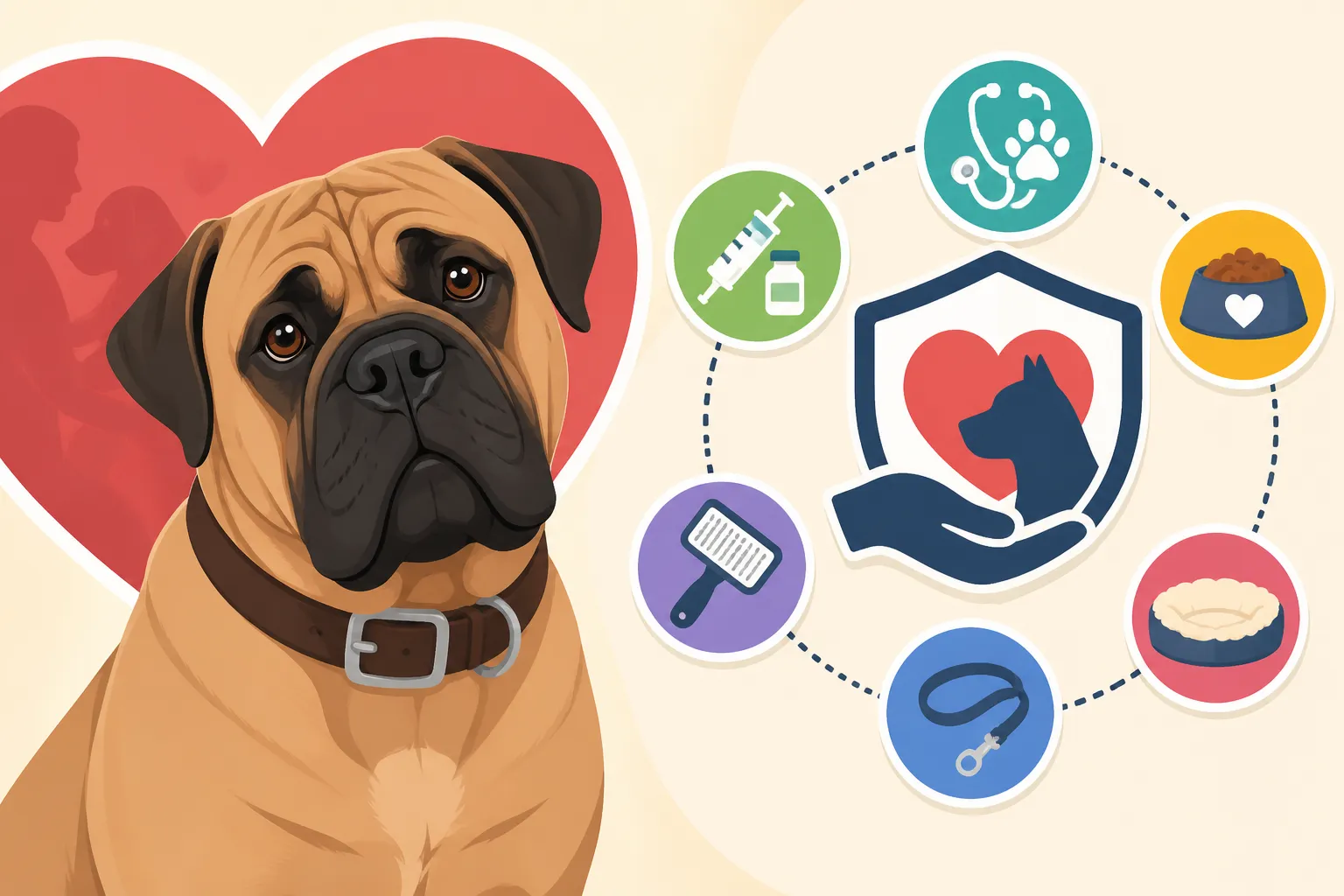
Bringing a new Bullmastiff into your home through rescue is a truly heartwarming experience, but it's natural to wonder exactly what that adoption fee covers. It’s not just a flat charge; it represents a significant investment in the dog’s past, present, and future well-being, covering far more than just the moment your new companion walks through your door. This guide will meticulously break down the typical components of a Bullmastiff rescue adoption fee, illuminating the incredible value and support it provides.
Breaking Down the Bullmastiff Adoption Fee: More Than Just a Number
When you commit to adopting a Bullmastiff from a reputable rescue, you're not simply buying a dog. You are contributing to a system designed to rehabilitate, care for, and rehome these magnificent animals. The adoption fee, which can vary widely, is a critical part of making this entire operation possible, ensuring that the Bullmastiff you bring home is as healthy and well-adjusted as possible, and that countless others can follow.
Initial Veterinary Care and Health Screenings
One of the most substantial components of any rescue adoption fee goes directly towards the extensive veterinary care a Bullmastiff receives before being deemed ready for adoption. Think about it: many dogs arrive at rescues in less-than-ideal health, sometimes with unknown histories or neglected conditions. The rescue steps in to bridge that gap, providing a comprehensive health assessment that a private seller often wouldn't.
This typically includes a full physical examination, ensuring there are no obvious injuries or acute illnesses. They'll almost certainly be up-to-date on all core vaccinations, such as distemper, parvovirus, and rabies, protecting them from common and dangerous diseases. Deworming for internal parasites and treatment for external parasites like fleas and ticks are also standard. Perhaps one of the biggest investments is spaying or neutering. Almost all reputable rescues ensure every animal is spayed or neutered before adoption, preventing unwanted litters and promoting responsible pet ownership, which is a significant cost in itself, especially for a large breed like a Bullmastiff. Beyond these basics, many Bullmastiff rescues will also perform preliminary screenings for common breed-specific health issues. For instance, given their propensity for cardiac issues, it's not uncommon for a rescue to perform a basic cardiac check, and you might even find one that has arranged for preliminary screenings for conditions like Hip Dysplasia in a Bullmastiff or even a What a Bullmastiff's Cardiac Screening Costs for potential heart murmurs, especially if they came from a known situation. This preemptive care saves you considerable expense and worry down the line.
Essential Supplies and Ongoing Care
Before your Bullmastiff even gets a chance to charm you with their calm demeanor, they’ve been living and thriving in the care of the rescue, and that takes resources. The adoption fee helps cover the daily necessities that keep these dogs comfortable and fed. This includes high-quality large breed dog food – and let me tell you, a Bullmastiff can eat a lot of food! Feeding a Hundred and Thirty Pound Bullmastiff is not a cheap endeavor, so these costs add up quickly.
Beyond sustenance, rescues provide safe and comfortable housing, often including crates, bedding, and toys to keep their minds stimulated and prevent boredom. Imagine the sheer volume of supplies needed for multiple large dogs awaiting their forever homes! Collars, leashes, and identification tags are also part of the standard package, ensuring the dogs are safe and easily identifiable. Sometimes, a rescue might even send you home with a starter kit of food, a familiar blanket, or a favorite toy, easing the transition for your new family member. For ongoing supplies, many adopters turn to online retailers like Chewy for convenient delivery of everything from giant bags of kibble to orthopedic beds that soothe those large joints.
Behavior Assessment and Training Support
One of the less tangible, but equally valuable, benefits covered by an adoption fee is the behavioral assessment and any initial training or rehabilitation a Bullmastiff might receive. Many dogs end up in rescue not because of anything they did wrong, but due to changes in their previous owners' lives, or sometimes, a lack of understanding of the breed's needs. The rescue environment allows experienced staff and volunteers to observe a Bullmastiff’s temperament, assess their compatibility with other dogs, cats, or children, and identify any specific behavioral challenges.
This crucial insight helps the rescue make the best match between dog and adopter. If a Bullmastiff shows signs of anxiety, fear, or a lack of basic manners, the rescue often invests time and effort into addressing these issues through positive reinforcement training or behavior modification. This groundwork can be invaluable for a new owner, especially if you're a Whether a Bullmastiff Suits a First Time Owner. Some rescues even offer post-adoption support or resources, like discounted training classes or access to behaviorists, to help ensure a smooth transition and lasting success in their new home. Understanding a Bullmastiff's unique personality and needs is critical, especially when you consider Why Bullmastiffs Come Into Rescue in the first place—often due to misunderstandings about their size or guarding instincts.
The Hidden Value: What Your Fee Truly Supports
It’s easy to look at an adoption fee and only consider what’s directly attributed to your dog. However, a significant portion of that fee goes into the bigger picture – supporting the entire operation of the rescue, which, in turn, allows them to save more Bullmastiffs and offer them a second chance at a loving home. This collective effort is truly where the magic happens.
Covering Operational Costs and Overhead
Running a dedicated Bullmastiff rescue, or any large breed rescue for that matter, is an incredibly demanding and costly endeavor. Beyond the direct care of the animals, there are substantial operational costs that keep the doors open and the lights on. Your adoption fee contributes to these essential, but often overlooked, expenses. Think about the physical shelter or network of foster homes: rent, utilities, insurance, maintenance, and cleaning supplies are all significant outlays.
There are also administrative costs, such as processing applications, maintaining records, website hosting, and communicating with potential adopters and volunteers. Staff salaries, for those rescues large enough to employ professionals in animal care, veterinary tech roles, or management, are also part of the equation. Transportation costs can be huge, especially for breed-specific rescues that often transport dogs across state lines to get them to appropriate foster homes or adopters. When you pay that adoption fee, you're not just funding one dog's journey; you're helping to sustain the entire infrastructure that makes rescue work possible.
Addressing Specialized Medical Needs
This is where the collective power of adoption fees truly shines. While the Bullmastiff you adopt might be in perfect health, many dogs that enter rescue are not. Rescues often take on animals with significant pre-existing medical conditions, chronic illnesses, or injuries that require extensive and expensive veterinary treatment. These can include anything from broken bones requiring surgery, advanced dental work, treatment for heartworm, to managing chronic conditions like severe allergies or even cancer, which is sadly prevalent in Bullmastiffs.
The costs for these specialized treatments can run into thousands of dollars, far exceeding any individual adoption fee. Your fee, along with those of other adopters, helps subsidize these "hard luck" cases, allowing the rescue to provide life-saving care that an individual owner might not have been able to afford. This compassionate approach is a hallmark of dedicated rescues, ensuring that even the most vulnerable Bullmastiffs get a chance. For future unforeseen medical expenses with your own Bullmastiff, consider looking into pet insurance providers like Healthy Paws, which can offer peace of mind when those unexpected vet bills inevitably arrive. It's a wise investment, considering How Long a Bullmastiff Lives on Average can be shorter than some other breeds, meaning their "senior" years and associated health costs can come sooner.
Contributing to the Wider Rescue Mission
Ultimately, your adoption fee is a vote of confidence in the rescue's broader mission. It’s about more than just finding homes for individual dogs; it's about advocating for the breed, educating the public, and working towards a future where fewer Bullmastiffs end up homeless. Rescues often engage in community outreach programs, participate in spay/neuter initiatives, and provide educational resources on responsible pet ownership, breed-specific care, and the importance of health screening.
They might also invest in microchip registration programs or offer assistance to owners struggling to keep their Bullmastiffs, attempting to prevent surrenders in the first place. When you pay an adoption fee to a Bullmastiff rescue, you are directly contributing to their ability to continue this vital work. You are becoming a part of a community dedicated to protecting and cherishing these wonderful dogs. It's an investment not just in a pet, but in a cause, a promise to the Bullmastiff breed itself. For more details on what rescues charge, you might want to read What a Bullmastiff Rescue Charges.
Understanding Fee Variations and What to Expect
It's common to see a range in adoption fees, and this can sometimes lead to confusion. Understanding why fees differ and what questions to ask can help you feel more confident about your decision and ensure you're supporting a transparent and ethical organization.
Factors Influencing Adoption Fee Costs
Several factors can influence the final adoption fee for a Bullmastiff. One of the primary drivers is the dog's age. Puppies, especially Bullmastiff puppies, often command higher fees due to their increased desirability and the higher demand for them. Ironically, they also require more intensive initial vetting (multiple rounds of vaccinations, deworming) and are often adopted out quickly, meaning less long-term housing costs for the rescue. Conversely, senior Bullmastiffs, or those with significant medical needs, may have reduced or waived adoption fees to encourage their placement. It's a sad truth that older dogs are often harder to rehome, so rescues try to remove financial barriers. For information on when a Bullmastiff is considered senior, check out The Age a Bullmastiff Is Considered Senior.
The overall health of the dog can also impact the fee; a dog requiring extensive surgery or specialized care will have incurred higher costs for the rescue, which might be reflected in a slightly higher fee, or more often, subsidized by the fees from easier-to-place dogs. The breed itself and its perceived rarity or desirability in rescue can also play a role, though Bullmastiffs are usually in a mid-to-high range due to their size and associated care costs. Finally, geographical location and the specific rescue's operational model can cause fees to vary. Larger organizations with extensive facilities and staff may have higher overheads than smaller, foster-based groups.
What to Ask Your Bullmastiff Rescue
Transparency is key when dealing with any rescue organization. Don't hesitate to ask questions about their adoption fees and what they cover. A reputable Bullmastiff rescue will be happy to discuss their policies openly. Here are some questions you should definitely ask:
- What specific veterinary care has this Bullmastiff received? (e.g., vaccinations, spay/neuter, microchip, any specific health screenings like for heart murmurs or hip issues, mentioned in Whether a Rescue Bullmastiff's Heart Has Been Checked).
- Is there a detailed breakdown of what the adoption fee covers? (Some rescues provide a receipt listing veterinary services, microchipping, etc.)
- Does the fee include any post-adoption support or resources? (e.g., free follow-up vet visit, training advice, return policy if things don’t work out).
- What are your rescue's overall mission and how does this fee help support it? (This gives you insight into their broader impact).
- What happens to funds that exceed a dog's direct costs? (They should be used to support other dogs in the rescue's care or general operational costs).
Asking these questions not only educates you but also demonstrates your due diligence as a responsible adopter.
Comparing Adoption vs. Breeder Costs
It's helpful to consider the financial implications of adopting a Bullmastiff from a rescue versus purchasing one from a breeder. While both paths lead to bringing a wonderful Bullmastiff into your life, the upfront costs and what they include can differ significantly.
Here's a simple comparison of what you might expect regarding initial costs:
| Cost Category | Rescue Adoption | Reputable Breeder Purchase |
|---|---|---|
| Initial Purchase/Fee | Moderate (often a few hundred dollars) | High (often in the low thousands of dollars) |
| Spay/Neuter | Usually included in adoption fee | Additional cost, often required by contract |
| Vaccinations | Usually included and up-to-date | Multiple puppy visits, additional cost |
| Deworming/Parasite Tx | Usually included | Multiple treatments, additional cost |
| Microchipping | Often included | Additional cost |
| Health Screenings | Basic checks included, sometimes more extensive | Parents screened, puppy gets initial checkups |
| Behavioral Assessment | Often done by experienced volunteers/trainers | Socialization by breeder, no formal assessment |
| Food & Supplies | Some starter items may be provided | You buy everything from day one |
| Guarantees/Support | Return policy, ongoing advice | Health guarantee, breeder support |
As you can see, while the initial sticker shock for a rescue adoption fee might seem like a lot, it very often bundles many essential services that you would otherwise have to pay for separately and immediately if you purchased from a breeder. For perspective on breeder costs, you can look into What a Bullmastiff Puppy Costs From a Breeder. Remember, no matter how you acquire your Bullmastiff, the ongoing costs of owning a large breed dog—food, veterinary care, training, insurance, and supplies from places like Ollie for tailored nutrition—will be substantial over their lifetime.
Bringing a Bullmastiff into your home through rescue is an incredibly rewarding decision, and understanding what your adoption fee covers truly highlights the dedication and hard work of these organizations. It’s an investment not just in a dog, but in a cause, ensuring that these magnificent creatures find the loving homes they so richly deserve.
Disclaimer
This article is for general informational purposes only and does not constitute professional advice. Laws, prices and regulations vary by location and change over time. Consult a qualified professional for guidance on your specific situation.