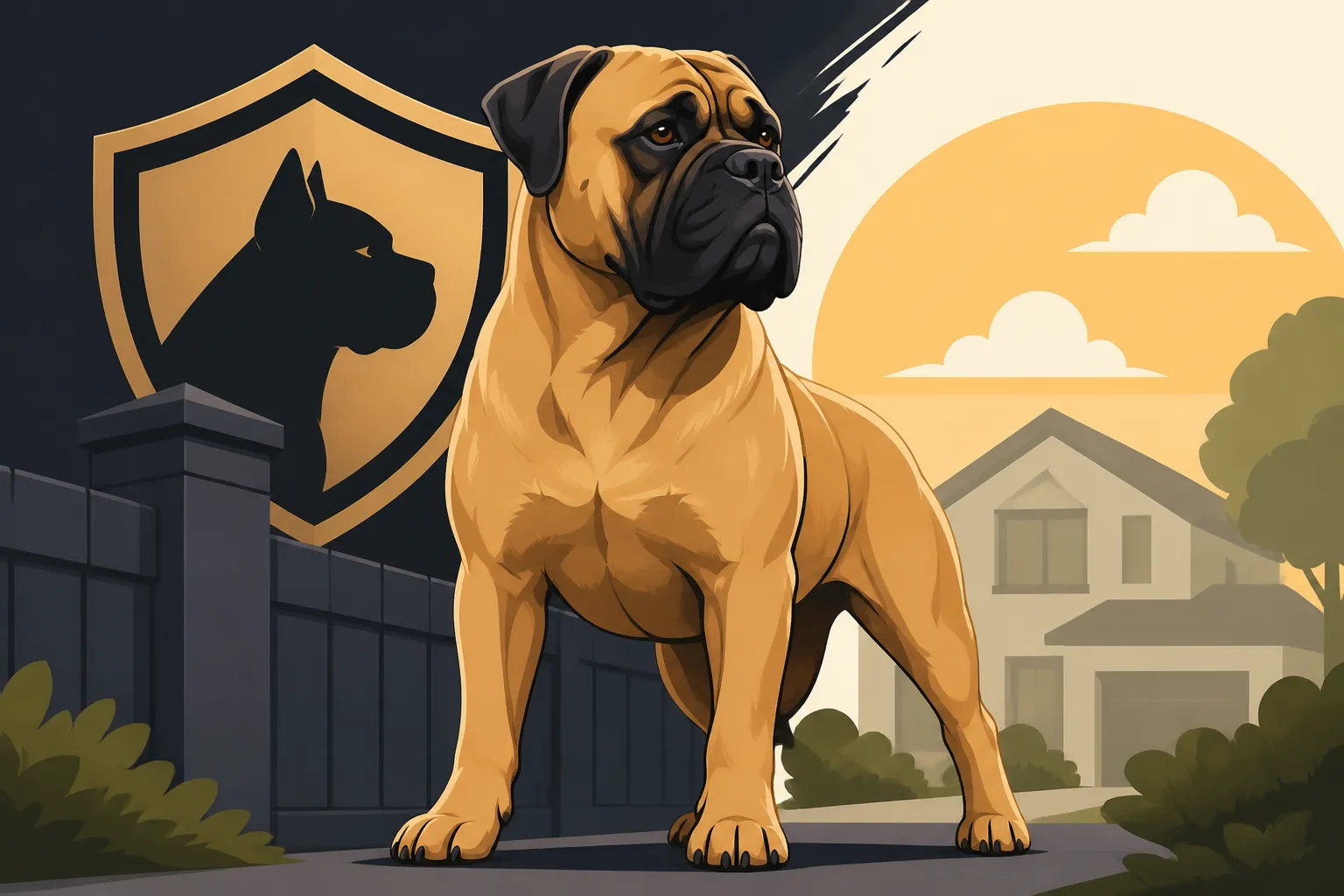
How Territorial a Bullmastiff Is
It’s a common misconception that a Bullmastiff’s massive size and imposing appearance are simply for show; in truth, they are rooted in a deep, inherent territorial instinct that can be both a blessing and, if not managed correctly, a significant challenge. Many new Bullmastiff owners find themselves asking just how much their gentle giant will actually guard, and what that guarding truly looks like in a modern home setting. This comprehensive guide will explore the historical context of their territorial nature, delve into the subtle and overt ways they express it, and provide actionable strategies to manage and channel these powerful instincts effectively for a harmonious household.
The Roots of a Bullmastiff's Territorial Nature
To truly understand how territorial a Bullmastiff is, you have to look back at their origins. These magnificent dogs weren't just pets or companions in the beginning; they were bred for a very specific, demanding job that required an acute awareness of boundaries and an unwavering commitment to protection. This history is etched into their very being, shaping their instincts even today.
Born to Guard: The Gamekeeper's Companion
Imagine the English countryside in the mid-19th century. Vast estates, rich with game, were constantly under threat from poachers. Gamekeepers needed a dog that could patrol silently, cover ground quickly, and, most importantly, apprehend an intruder without maiming or killing them. The Bullmastiff was painstakingly developed from a cross between the courageous, powerful Mastiff and the tenacious, agile Bulldog. This deliberate blend created a dog perfectly suited to this task. Their role was to find and "hold" a poacher, often by pinning them down or blocking their escape, until the gamekeeper arrived. This required a keen sense of territory and a powerful instinct to protect what was considered their master's land.
They were literally bred to be "The Gamekeeper's Night Dog," tasked with defining a territory – the estate – and vigorously defending it against human intruders. This wasn't about barking furiously at every squirrel; it was about discerning threats and taking action to prevent trespass. This historical purpose means that your Bullmastiff isn't just reacting to noises out of fear; they are responding to perceived infringements on their defined space, a trait that has been selectively ingrained for generations. Understanding What a Bullmastiff Was Bred to Do to a Poacher gives immense insight into their modern behavior.
Instinctive Protection vs. Aggression
It's crucial to differentiate between a Bullmastiff's natural protective instincts and genuine aggression. A well-bred, well-socialized Bullmastiff is not inherently aggressive. Their territoriality typically manifests as a strong desire to keep their family and home safe, rather than a readiness to attack without provocation. They possess what I like to call a "thinking dog" mentality, often observing and assessing a situation before reacting. This is why you often hear that The Bullmastiff That Pauses to Decide Whether You Are Worth It describes their approach.
Their protective instincts are usually expressed through body language, a deep, resonant bark (though they are generally not incessant barkers), and a physical presence that discourages unwanted attention. They might position themselves between you and a perceived threat, or stand silently at a gate, conveying a clear "do not enter" message. True aggression, characterized by unprovoked attacks, lunging, or biting without warning, is a serious behavioral issue that goes beyond healthy territoriality and usually stems from poor breeding, lack of socialization, or improper handling. It's a key distinction, as their protective nature, when correctly understood and managed, is one of their most admirable qualities.
How Bullmastiffs Express Their Territoriality
A Bullmastiff's territorial nature isn't just about growls and barks, though those can certainly be part of it. It's a complex set of behaviors, both subtle and overt, that reveal their deep-seated desire to protect their space and their people. Recognizing these signals is key to understanding your dog and responding appropriately.
Subtle Signals and Overt Displays
Your Bullmastiff often communicates its territorial feelings long before any dramatic action. You might notice them subtly shifting their body to put themselves between you and a stranger, or adopting a watchful, still posture when someone new approaches your home. They might stand at a window, observing passersby with intense focus, or gently nudge you away from a doorway if they perceive an unfamiliar presence outside. These are all subtle ways they assert their protective role.
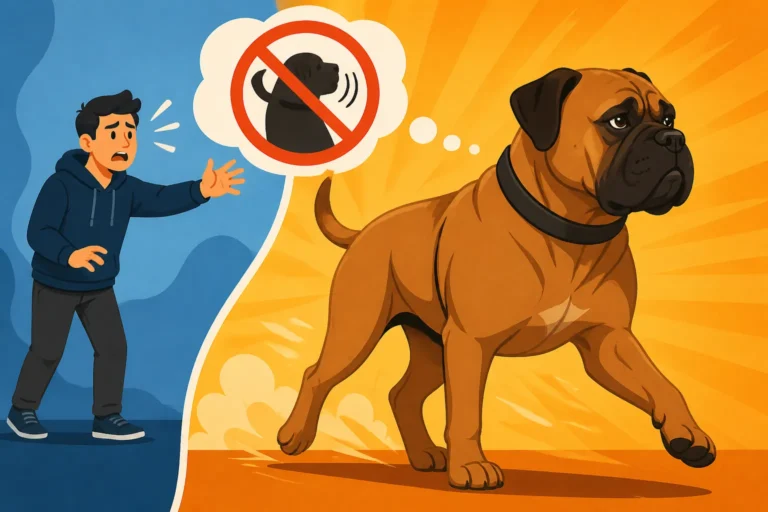
Overt displays include a low, rumbling growl that vibrates through their chest, a deep, authoritative bark that echoes through the house, or a powerful body block that physically prevents someone from entering a space or approaching a family member. It's important to remember that these displays are not always a sign of aggression; often, they are merely an attempt to deter. They want to be taken seriously. They are saying, very clearly, "This is my home, these are my people, and I am on duty." Knowing How a Bullmastiff Greets a Stranger can prepare you for these interactions.
Guarding the Home and Family
The home itself is typically the primary territory a Bullmastiff feels compelled to guard. This means doors, windows, and even specific rooms can become "their" domain. A delivery person approaching the front door or a stranger walking past a window might elicit a strong, vocal response. This is their way of alerting the "pack" (you!) to a potential intrusion and letting the outsider know they are present and vigilant.
Beyond the physical structure of the house, Bullmastiffs extend their guarding instincts to their human family members. They are often described as "shadows" because of their tendency to follow their owners from room to room. This isn't just about wanting to be close; it's also about staying aware of your location and being ready to intervene if necessary. They might rest with their head on your lap, but their ears are often swiveling, taking in every sound. They can be particularly attentive around children, often positioning themselves near the youngest members of the family, acting as a watchful, furry barrier. This deep bond and protective instinct is a hallmark of the breed.
Interactions with Strangers and Visitors
This is where understanding your Bullmastiff's territoriality becomes most practical. A Bullmastiff generally isn't the type to greet every new person with boundless enthusiasm. Their instinct is to observe, assess, and often, to maintain a respectful distance. For visitors entering your home, expect an initial period of intense scrutiny. Your Bullmastiff might stand between you and the guest, or simply watch them with a serious, unblinking gaze. This isn't rudeness; it's due diligence.
Proper introductions are vital. Always control the environment when introducing your Bullmastiff to new people. Never force interaction. Allow your dog to approach on their terms, and always provide positive reinforcement for calm behavior. For guests who will be staying over, a gradual introduction is best. Consider crating your Bullmastiff in another room initially, or keeping them on a leash until they've had time to observe and relax. Remember, they are evaluating whether this new person poses a threat or is an acceptable part of their expanded "territory." This careful approach is essential for a peaceful home. You may want to read How to Introduce a Bullmastiff to a New Person for more specific tips.
| Behavior Trait | Healthy Territoriality | Problematic Territoriality |
|---|---|---|
| Response to Strangers | Observes, barks to alert, may stand between you and guest, calms once you accept guest. | Aggressive lunging, growling, snapping at accepted guests; blocks entry even after your approval. |
| Home Guarding | Barks at external noises (delivery, passersby), patrols property lines, relaxes indoors. | Destructive behavior (chewing doorframes, windowsills), excessive barking at everything, hyper-vigilance indoors. |
| Warning Signals | Deep "woof," low growl, body stiffening, watchful gaze, leaning. | Snapping, prolonged aggressive growls, raised hackles combined with forward body posture, unprovoked bites. |
| Acceptance of Command | Can be called off or redirected when you confirm a situation is safe. | Ignores commands, escalates behavior despite owner intervention, fixates on perceived threat. |
| Motivation | Protection of family and home, fulfilling innate instinct. | Fear, insecurity, poor socialization, lack of boundaries, anxiety. |
Managing and Channeling Territorial Behavior
Given their strong protective instincts, it’s not a question of if your Bullmastiff will be territorial, but how that territoriality will be expressed and managed. The goal isn't to eliminate this innate trait – it's part of who they are – but to channel it responsibly, ensuring they are a reliable guardian and a well-mannered family member.
Early Socialization and Training Are Key
The groundwork for a well-adjusted Bullmastiff begins early, often as soon as they come home as a puppy. The First Year With a Bullmastiff Puppy is critically important for shaping their future behavior. Early and extensive socialization is paramount. This means exposing your Bullmastiff puppy to a wide variety of people (different ages, genders, appearances), places, sounds, and other calm, vaccinated dogs. Take them to puppy classes, local pet-friendly stores (if appropriate and safe), and parks where they can observe the world without being overwhelmed. The more positive experiences they have with new things, the less likely they are to view everything unfamiliar as a threat.
Simultaneously, consistent and positive reinforcement training is essential. Bullmastiffs are intelligent but can be independent thinkers. They need to understand that you are the ultimate decision-maker regarding who comes and goes. Focus on basic obedience commands like "sit," "stay," "come," and "leave it." These aren't just tricks; they are vital control commands. Teaching a solid "place" command is incredibly useful for when visitors arrive, giving your dog a designated spot to relax. Because Bullmastiffs can become quite strong, quickly outweighing many adults, it's vital to start training before they are physically capable of overpowering you. Engaging with online training programs, such as those offered by BAXTER & Bella, can provide structured guidance and support from puppyhood through adolescence, helping you build a strong foundation. This early work helps them understand their role in the household hierarchy, where they protect on your command, not on their own initiative.
Establishing Leadership and Boundaries
Bullmastiffs thrive on clear leadership and consistent boundaries. They need to know that you are the one in charge, making the decisions about who is welcome and who is not. This doesn't mean being harsh or using dominance-based techniques, which can backfire with such sensitive dogs. Instead, it's about being calm, consistent, and confident in your interactions. Routines, clear rules, and consistent follow-through are far more effective.
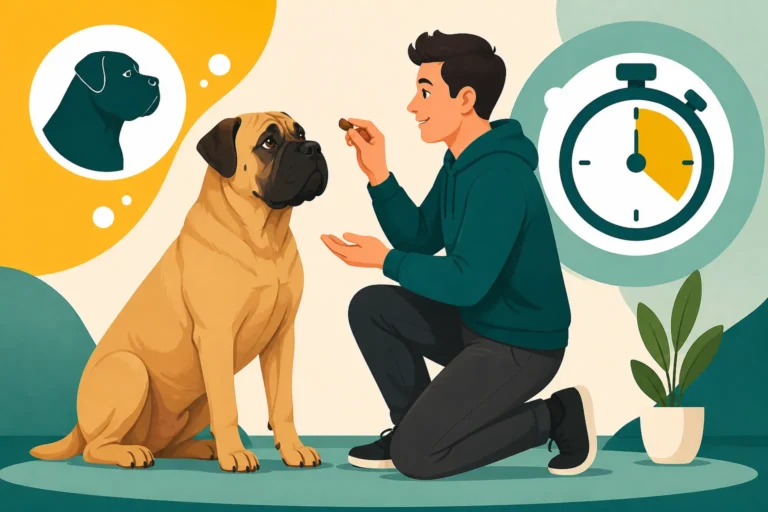
For example, teach your Bullmastiff that they don't get to rush the door when the doorbell rings. Practice having them sit or go to their "place" before you answer. Reward them heavily for calm behavior. If they are barking excessively at someone outside, calmly redirect them with a "look at me" or "quiet" command, then reward them when they comply. It's about teaching them how to react appropriately, rather than punishing them for their instinct. Using high-value treats and praise works wonders. Make sure all family members are on the same page with rules and commands; inconsistency can confuse a Bullmastiff and undermine your authority. Remember, a Bullmastiff was bred to take orders from their gamekeeper, so they are predisposed to respect clear leadership, provided it's fair and consistent.
Environmental Management and Safe Spaces
Sometimes, managing territoriality is less about direct training and more about controlling the environment. If your Bullmastiff barks incessantly at people walking by the front window, consider blocking their view with window film, curtains, or even strategically placed furniture. This isn't avoiding the problem; it's reducing the triggers that lead to unwanted behavior.
Creating a safe, quiet "den" for your Bullmastiff can also be incredibly helpful, especially when you have guests. A sturdy crate, perhaps purchased from Amazon, in a low-traffic area of the house, can become their sanctuary. Teach them to love their crate by feeding meals there and providing high-value chew toys. When visitors arrive, you can direct your Bullmastiff to their crate with a long-lasting treat, ensuring both your guests and your dog feel more comfortable. This space provides an "off-duty" area where they don't feel the pressure to guard. For dogs prone to being overstimulated, a quiet space can prevent territorial behaviors from escalating. This is also important for their overall well-being and stress reduction. Whether a Bullmastiff Should Be Crated When Guests Come might be a useful read for further guidance.
When Territoriality Becomes a Problem
While a Bullmastiff's protective nature is a desirable trait, there's a fine line between vigilance and problematic behavior. When territoriality escalates beyond appropriate warning signals and becomes aggressive or uncontrollable, it's time to take action. Ignoring these signs can lead to serious issues, both for your dog and for those around them.
Recognizing Unacceptable Behavior
Healthy territoriality involves alerting and deterrence; unacceptable behavior often moves into active aggression. Signs that your Bullmastiff's territoriality has become problematic include:
- Persistent aggressive growling or snapping at welcome visitors, even after you've clearly indicated they are safe and welcome.
- Lunging or attempting to bite people who are not posing a direct threat to you or your family.
- Preventing family members from moving freely within the home, or guarding specific individuals against others.
- Escalating confrontations with other dogs on walks or in shared spaces, beyond a normal wary interaction.
- Excessive, unceasing barking or destructive behavior (like chewing at doors or windows) due to perceived external threats.
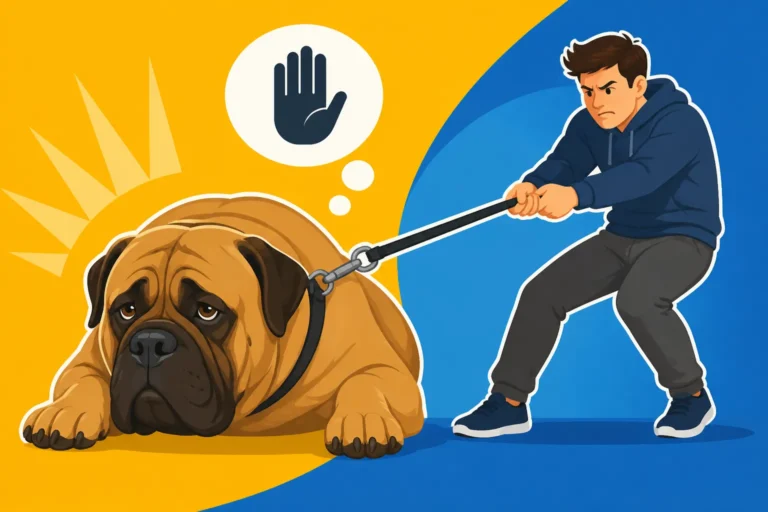
- Difficulty being managed on a leash when encountering triggers, leading to dangerous situations for you and others. Training a Bullmastiff That Weighs More Than You Do highlights why this is critical.
- Showing resource guarding behaviors towards people, food bowls, toys, or even specific spots on the couch, where they react aggressively if approached.
If these behaviors become a regular occurrence, or if you ever feel unsafe or out of control of your Bullmastiff, it's a clear red flag that professional help is needed.
Seeking Professional Guidance
When you recognize that your Bullmastiff's territorial behavior has crossed the line, don't hesitate to seek professional help. This isn't a sign of failure on your part, but rather a responsible action to ensure the safety and well-being of everyone.
- Consult Your Veterinarian First: Rule out any underlying medical conditions that might be contributing to changes in behavior. Pain, thyroid issues, or neurological problems can sometimes manifest as increased aggression or anxiety.
- Certified Professional Dog Trainer (CPDT-KA): Look for a trainer who uses positive reinforcement methods and has experience with large, strong guardian breeds. They can help you refine your handling skills, teach specific obedience commands, and provide strategies for managing your Bullmastiff's environment.
- Certified Applied Animal Behaviorist (CAAB) or Veterinary Behaviorist (DACVB): For more severe or deeply ingrained behavioral issues, a behaviorist is the most appropriate professional. These individuals have advanced degrees and specialized training in animal behavior and can help diagnose the root cause of the problem, whether it's fear, anxiety, or a learned behavior. They can also prescribe medication if necessary, in conjunction with a behavior modification plan.
It's tempting to think you can "fix" these issues on your own, but with a dog as powerful and instinct-driven as a Bullmastiff, expert guidance is invaluable. They can provide tailored plans, help you understand the nuances of your dog's communication, and equip you with the tools to confidently manage their territorial instincts, ensuring they remain the noble protectors they were meant to be, without posing a risk to others. Remember, Why Protection Training Is Unnecessary for a Bullmastiff underlines the importance of channeling natural instincts rather than amplifying them.
Disclaimer
This article is for general informational purposes only and does not constitute professional advice. Laws, prices and regulations vary by location and change over time. Consult a qualified professional for guidance on your specific situation.