Why Protection Training Is Unnecessary for a Bullmastiff
Many Bullmastiff owners, especially those new to the breed, often feel a tug between wanting their powerful companion to be a protector and wondering if they need specialized "protection training." It's a valid concern, particularly given the Bullmastiff's imposing size and historical role. However, diving into formal protection training with a Bullmastiff is usually not just unnecessary, but can actually be counterproductive and even dangerous. This guide will delve into why their natural guarding instincts are more than sufficient, why professional bite work or attack training can be detrimental, and what kind of training truly benefits these magnificent dogs.
Understanding the Bullmastiff's Innate Guarding Nature
It's easy to look at a Bullmastiff and assume they need to be taught how to protect. After all, they’re big, muscular, and have a serious demeanor. But the truth is, the Bullmastiff comes pre-programmed with a robust set of guarding instincts that developed over centuries, making formal protection training largely redundant and potentially risky. Their presence alone is often enough of a deterrent.
Historical Roots: The Gamekeeper's Night Dog
To truly understand why a Bullmastiff doesn't need protection training, we have to look back at their origins. These dogs weren't bred for sport or companionship initially; they were developed by English gamekeepers in the mid-19th century to protect vast estates from poachers. Imagine sprawling forests and fields under the cloak of night, and a gamekeeper needing a silent, powerful partner to apprehend intruders without causing grievous harm. This was the Bullmastiff's job. They were literally bred to be "The Gamekeeper's Night Dog."
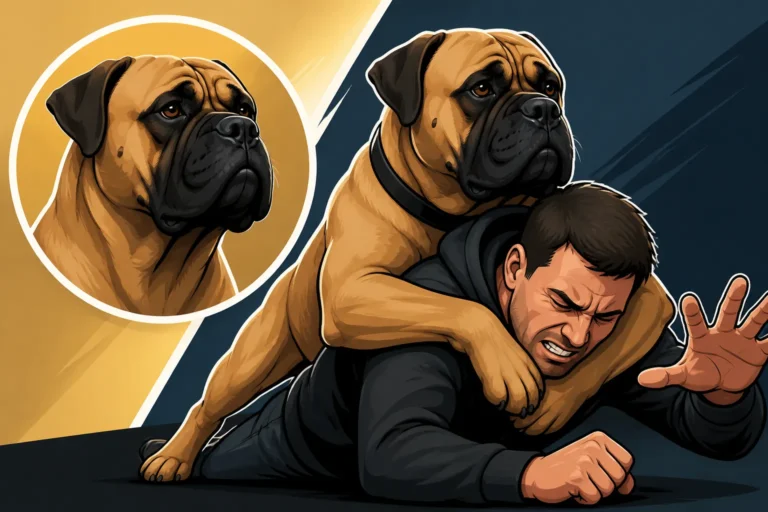
Their role was to track silently, pin down, and hold a poacher until the gamekeeper arrived, rather than to attack and injure. This required a very specific temperament: courageous, formidable, yet controlled. They needed to be brave enough to confront a stranger but measured enough not to maul them. This inherent instinct to protect territory and people, combined with a remarkable degree of restraint, is woven into the very fabric of the breed. It’s why you might hear it said that A Bullmastiff Was Bred to Hold a Man, Not Bite Him.
The "Hold, Don't Harm" Instinct
This "hold, don't harm" philosophy is critical to understanding the Bullmastiff. Unlike breeds specifically developed for police or military work that might be trained for intense bite work, the Bullmastiff's historical purpose was apprehension and deterrence. Their massive size and strength allowed them to effectively incapacitate a person through physical presence and pressure, not through aggressive attacks designed to cause injury.
This natural inclination translates today into a dog that often reacts to perceived threats by physically blocking, standing between you and a stranger, or using their bulk to lean into a situation. It’s an imposing display of power that usually achieves its goal without ever needing to escalate to aggression. They assess, they deter, and they contain. This means their instinct is to be an imposing barrier rather than an attacker, making specific bite training unnecessary and even conflicting with their inherent nature. Why a Bullmastiff Holds Instead of Biting is a core characteristic.
Natural Deterrence Through Presence
Let's be honest: a Bullmastiff's sheer size and formidable appearance are a deterrent in themselves. A 100-plus pound dog with a broad chest, a deep bark (when they choose to use it), and an unyielding stare is usually enough to make anyone with ill intentions think twice. Their presence alone radiates an aura of quiet confidence and power.
Think about walking your Bullmastiff in your neighborhood. Most people give them a wide berth. Strangers rarely approach without asking permission. This natural deterrence means you don't need to train them to "look tough" or "act scary"; they simply are tough and imposing. Their quiet nature, often described as The Silent Guard: Why a Bullmastiff Barks So Little, makes any vocalization all the more impactful when they do decide to use it. This quiet confidence is part of their inherited trait as a night dog who didn't want to alert poachers to their presence too early.
The Downsides and Dangers of Formal Protection Training
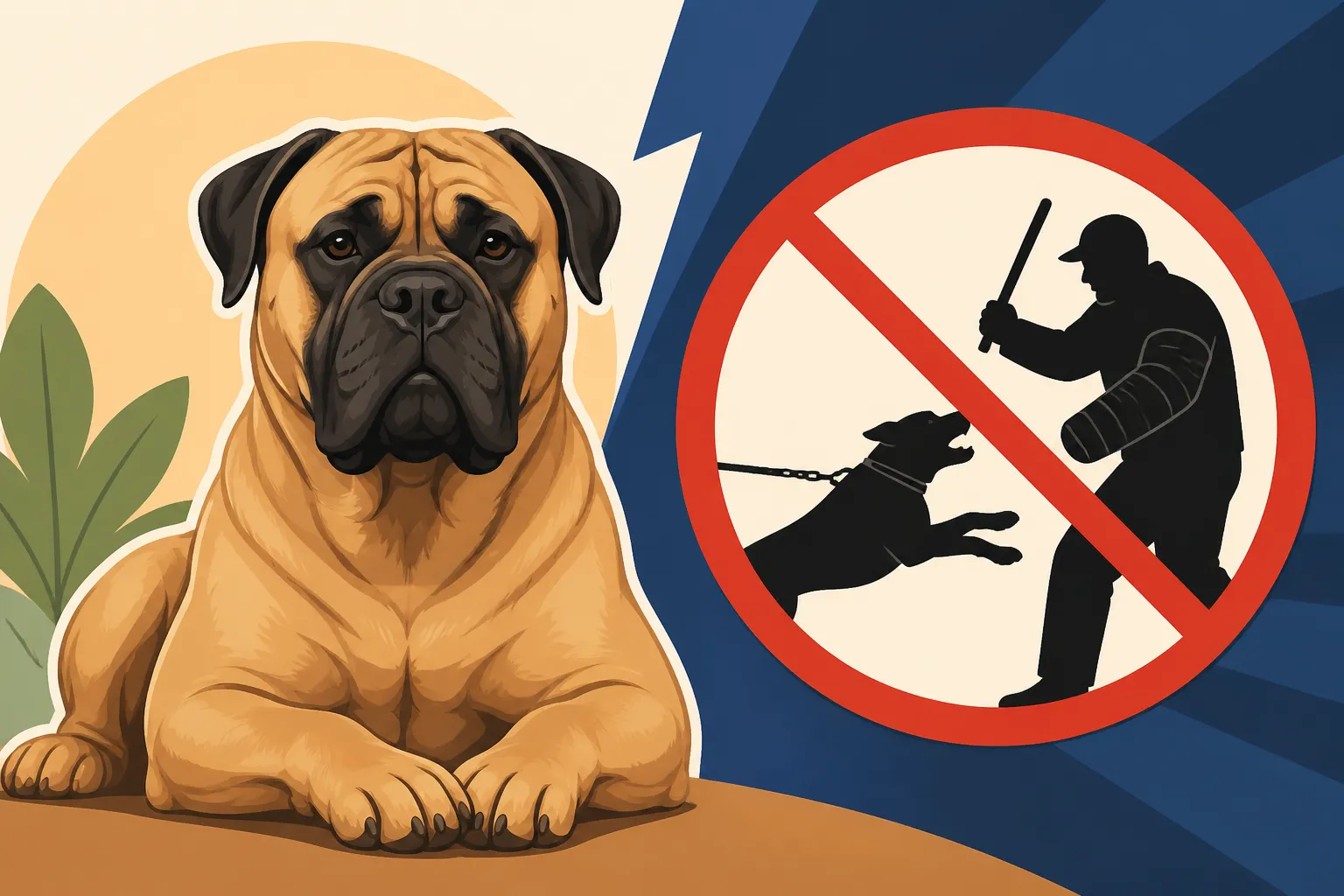
While the idea of a highly trained protection dog might sound appealing, for a Bullmastiff, engaging in formal protection training programs, especially those involving bite work, can lead to serious problems. It often works against their natural instincts and can create a dog that is unpredictable or overtly aggressive, which is the last thing you want with a dog of this size and power.
Confusing a Bullmastiff's Natural Instincts
The primary issue with protection training for a Bullmastiff is that it often tries to override or fundamentally alter their natural "hold, don't harm" instinct. These programs typically focus on teaching a dog to bite on command, to latch on and hold, or to attack. This is a very different skill set from the Bullmastiff's inherent genetic programming.
When you introduce bite sleeves and simulated attacks, you risk confusing their deep-seated understanding of how to manage a threat. Instead of relying on their powerful presence and controlled apprehension, they might learn to perceive certain cues as invitations to aggression. This can lead to a dog that doesn't know when to apply that aggression, potentially reacting inappropriately in situations that aren't genuine threats. A Bullmastiff's judgment is often deliberate and thoughtful, and protection training can short-circuit that process, replacing natural discernment with conditioned responses.
Risk of Over-Aggression and Misinterpretation
One of the most significant dangers is the potential for creating an overly aggressive or unstable dog. A poorly executed protection program, or one that isn't suited to the Bullmastiff's temperament, can turn a naturally discerning guardian into a reactive liability. Imagine a dog that has been conditioned to bite a sleeve in a training scenario mistaking a child playing roughly, a boisterous delivery driver, or even a friendly stranger's sudden movement as a threat requiring a full-force response.
Bullmastiffs are incredibly powerful, and any unprovoked or misdirected aggression can have severe consequences. Their bite force is substantial, and a mistake could be devastating. It's a heavy responsibility that few owners are truly prepared to manage if their dog’s natural restraint is undermined. You want a dog that can defend you if truly necessary, but you don't want a dog that looks for reasons to attack. This is where understanding What Would Make a Bullmastiff Attack is crucial – it should be an absolute last resort, not a trained behavior.
Liability and Temperament Concerns
Beyond the immediate safety concerns, there are significant legal and social ramifications. Owning a large, powerful breed already comes with certain responsibilities. If that dog has undergone formal protection training, especially documented bite work, it can increase your liability exponentially. Many insurance companies have breed restrictions, and a dog with a history of protection training might be uninsurable or subject to stricter regulations.
Furthermore, a Bullmastiff's temperament should be one of a confident, reliable, and stable family member. They should be calm and discerning. Introducing aggressive training can erode that ideal temperament, leading to a dog that is anxious, suspicious, or overtly dominant. This doesn't just impact strangers; it can affect the dog's relationship with your family, friends, and other pets. Most people seeking a Bullmastiff want a gentle giant, a loving companion who also happens to be a natural guardian, not a weapon.
Here's a quick comparison to illustrate the difference:
| Feature | Natural Bullmastiff Guarding | Formal Protection Training |
|---|---|---|
| Primary Method | Presence, body blocking, alert barking, discerning judgment | Conditioned bite work, attack on command |
| Goal | Deterrence, apprehension, containment, minimal harm | Disabling threat, aggressive engagement |
| Instinct vs. Skill | Inherited temperament and natural protective drive | Taught, learned, often overrides natural instinct |
| Control | Inherent restraint, self-regulated | Handler-controlled, high risk of misdirection |
| Risk | Low (when well-socialized and trained) | High (potential for over-aggression, liability) |
| Suitability | Ideal for most Bullmastiffs | Rarely appropriate, potentially dangerous |
Enhancing Natural Guarding Through Appropriate Training and Socialization
Instead of pursuing formal protection training, the best approach for a Bullmastiff is to focus on enhancing their natural guarding abilities through solid obedience, strategic socialization, and building their confidence in appropriate ways. This creates a stable, reliable guardian, not an aggressive one.
Foundation of Obedience and Control
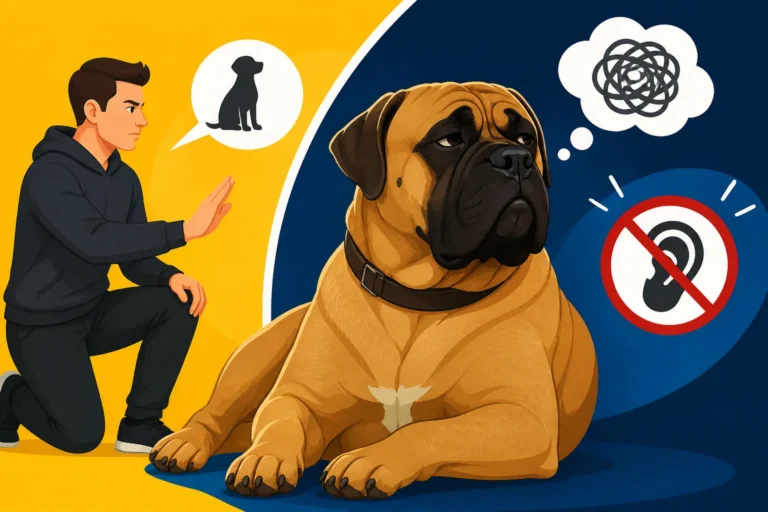
A truly effective guardian isn't an out-of-control brute; it's a dog that listens implicitly to its owner, even in high-stress situations. For a Bullmastiff, this means investing heavily in obedience training from a young age. Commands like "sit," "stay," "come," "down," and "leave it" aren't just parlor tricks; they are crucial tools for managing your powerful dog in real-world scenarios.
Imagine a scenario where your Bullmastiff perceives a threat. A well-trained dog can be directed to "stay" or "come" to your side, allowing you to assess the situation without them escalating prematurely. A Bullmastiff that knows its boundaries and respects your commands is far more effective and safer than one that reacts purely on instinct without guidance. Resources like BAXTER & Bella's online puppy training program can be incredibly helpful for new owners, providing structured guidance on fundamental obedience. Training a Bullmastiff That Weighs More Than You Do will be a lifelong endeavor, and starting with a strong foundation is key.
Strategic Socialization, Not Isolation
Some might think that to make a dog protective, you need to keep it isolated from strangers. This couldn't be further from the truth, especially for a Bullmastiff. A truly confident guardian is one that understands the world around it, knows what is normal, and can therefore accurately identify what is not normal.
Extensive and strategic socialization is paramount. This means exposing your Bullmastiff puppy to a wide variety of people, places, sounds, and other animals in a controlled, positive manner. They should learn that most strangers are friendly, most sounds are harmless, and most situations are not threatening. This builds their discernment, allowing them to differentiate between a harmless passerby and an actual threat. Without this foundation, an undersocialized Bullmastiff might react out of fear or uncertainty, rather than calm, confident judgment. This is a crucial distinction. How a Bullmastiff Greets a Stranger should be with a discerning but usually calm acceptance, not immediate suspicion.
Reinforcing Calm, Confident Behavior
Your goal should be to encourage and reinforce calm, confident behavior in your Bullmastiff. When they stand quietly watching a stranger, when they lean into you as if to say, "I've got this," or when they give a low, authoritative growl at an unusual sound, these are all demonstrations of their natural guarding instincts at work. Acknowledge these behaviors with praise, letting them know they are doing their job.
Avoid inadvertently rewarding anxiousness or over-reactivity. If your dog barks hysterically at everything, don't soothe them, which can reinforce the anxiety; instead, calmly redirect them and reward calm. The goal is a Bullmastiff that acts with purpose and control, not one that is a bundle of nerves or a reactive cannon. Confidence comes from a stable environment, consistent leadership, and clear expectations.
Practical Tips for Home Security with a Bullmastiff
Living with a Bullmastiff provides a fantastic layer of security, but it’s about more than just their intimidating presence. It’s about leveraging their natural abilities wisely and ensuring they are integrated into your home security strategy in a way that is effective and safe for everyone.
Utilizing Their Presence Safely
Your Bullmastiff's presence is a powerful deterrent. Make it known without making your dog a target or a liability. Simple measures like clear signage ("Beware of Dog" or "Bullmastiff on Duty") can be effective. Their formidable appearance through a window or a fence is often enough to send an unwanted visitor packing.
However, you also need to manage this presence safely. Secure fencing is non-negotiable for a Bullmastiff. They are powerful and protective, and you never want them to have unsupervised access to strangers outside your property. A sturdy, tall fence on Amazon is a good investment, ensuring your Bullmastiff stays within your property lines and cannot accidentally confront someone on the sidewalk. Remember, their job is to protect your property and family, not the general public.
Managing Introductions to Strangers
Bullmastiffs are naturally reserved with strangers, which is a desirable trait in a guardian. They're not typically boisterous greeters. When guests come over, manage the introduction carefully. Keep your Bullmastiff on a leash initially, allow them to observe the guest from a distance, and only allow closer interaction once they are calm and you've given the all-clear. This respects their natural discernment and reinforces that you are in control of who enters your home.
Teach your dog a "place" command, where they go to a specific mat or bed when guests arrive. This helps manage their energy and allows guests to settle in without being overwhelmed by a curious (or overly protective) giant. Consistent training, especially early on, makes a huge difference in managing their protective instincts appropriately. How to Introduce a Bullmastiff to a New Person calmly and confidently is a skill every owner needs.
In conclusion, the Bullmastiff is a magnificent guardian, purpose-bred for protection with remarkable restraint. Their natural instincts far surpass the need for formal protection training, which can be detrimental to their temperament and your peace of mind. Focus on foundational obedience, extensive socialization, and reinforcing their calm, confident nature. This approach will cultivate a reliable, stable, and truly devoted protector for your home and family.
Disclaimer
This article is for general informational purposes only and does not constitute professional advice. Laws, prices and regulations vary by location and change over time. Consult a qualified professional for guidance on your specific situation.