Why a Bullmastiff Fights Its Own Sex
It can be incredibly disheartening and frankly, quite frightening, when your beloved Bullmastiff, who is usually so gentle and steadfast with your family, starts showing aggression towards other dogs of the same sex. You might remember a time when they played nicely at the park, or perhaps you've heard stories of this happening to other Bullmastiff owners and hoped it wouldn't happen to you. This guide is here to help you understand why this challenging behavior occurs in Bullmastiffs and what you can do to manage it, ensuring safety and harmony for everyone involved.
Understanding Same-Sex Aggression in Bullmastiffs
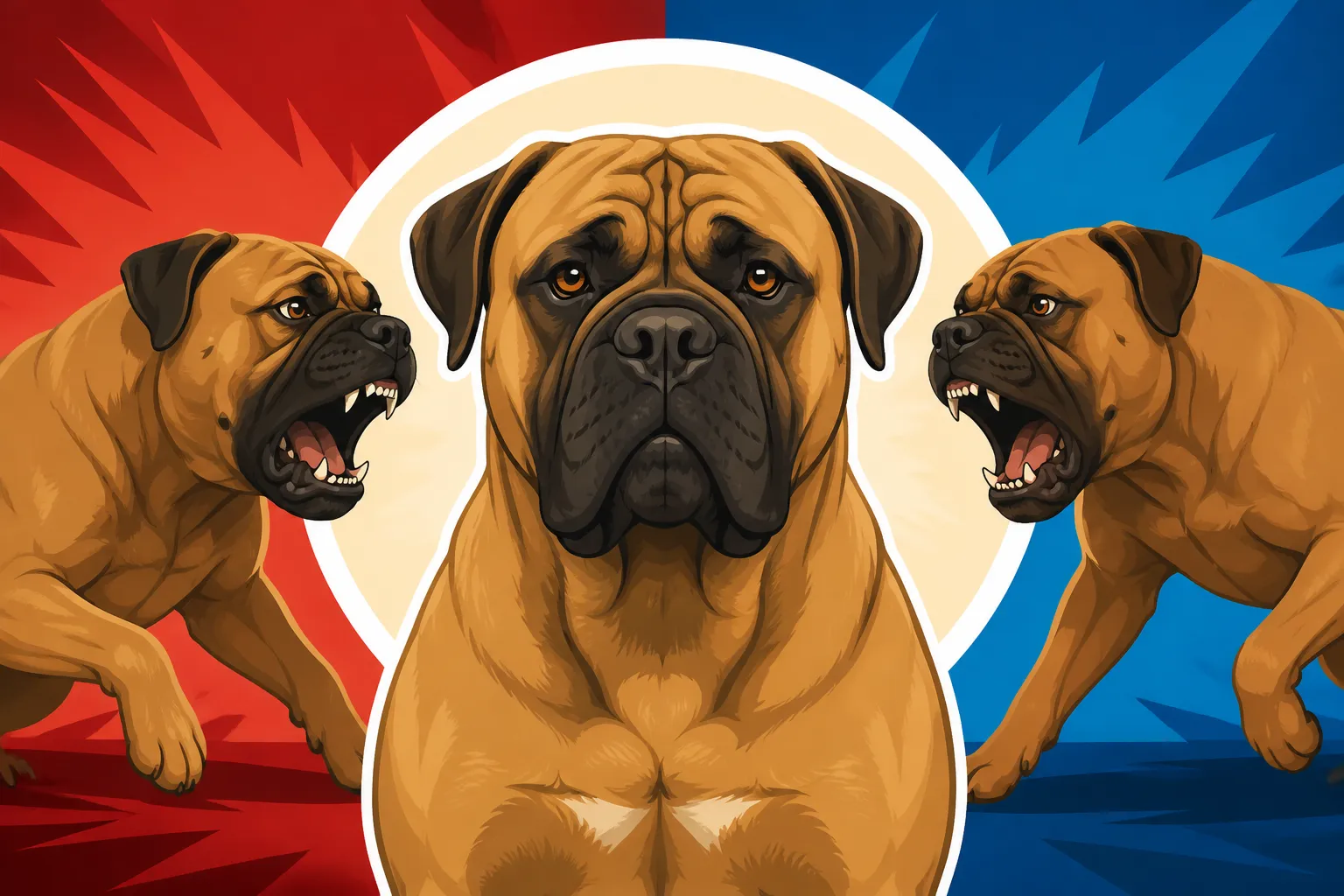
Same-sex aggression, often abbreviated as SSA, is a genuine and serious behavioral concern that many large breeds, and especially certain working and guarding breeds like the Bullmastiff, can develop. It's not a sign of a "bad" dog or poor ownership, but rather a complex interplay of genetics, environment, and individual temperament. For a Bullmastiff, whose lineage is rooted in guarding and protecting, these instincts can sometimes manifest in ways that are challenging in a modern domesticated setting.
The Breed's Instinctive Nature
To truly grasp why a Bullmastiff might exhibit same-sex aggression, we need to look back at their origins. These magnificent dogs were originally bred in England by gamekeepers to protect large estates from poachers. They were known as "the Gamekeeper's Night Dog" because of their ability to silently track and hold intruders without mauling them. This required a dog with immense physical presence, courage, and a strong protective drive. While they were not explicitly bred to fight other dogs, their intense guarding instincts, combined with their sheer power and size, mean that they are not always inclined to defer to another dog they perceive as a rival or a threat to their territory or status.
Think about it: a dog bred to stand its ground against a human intruder isn't going to back down easily from another large, assertive dog. This innate self-assuredness and protective nature, when coupled with the natural hierarchical dynamics that exist between dogs, can easily spill over into same-sex challenges. It’s not about them being mean; it's about their inherent wiring making them less tolerant of perceived threats or competitions from others they consider to be of similar standing. This is particularly true for How Two Male Bullmastiffs Get Along, where the potential for conflict can be higher due to testosterone and instinctual drives.
Social Dynamics and Maturation
Bullmastiffs are notoriously slow to mature, often not reaching full emotional maturity until they are around three years old, long after their physical growth has completed. This extended adolescence means that their social behavior, including their tolerance for other dogs, can shift and evolve over a longer period than with many other breeds. What might have been acceptable behavior at 12 months could become a significant problem by two or three years of age.
During these critical developmental stages, a Bullmastiff might be experimenting with their social boundaries and asserting themselves more. They might tolerate other puppies or adolescent dogs, but once they reach adulthood, especially with males challenging other males or females challenging other females, their innate desire for a clear social order can come to the forefront. This isn't a flip of a switch; it's often a gradual escalation of tension and intolerance that an attentive owner might notice with increasing frequency. It's why When a Bullmastiff Finishes Maturing is such a crucial topic for understanding their behavioral development.
Root Causes and Triggers of Same-Sex Aggression
Identifying the root causes and specific triggers for same-sex aggression is the first step towards effective management. This behavior isn't random; it stems from a combination of genetic predispositions, individual experiences, and hormonal influences.
Hormonal Influences
One of the most significant factors in same-sex aggression, particularly in males, is the presence of hormones. Intact males, with their higher levels of testosterone, are often more prone to challenging other intact males. This isn't to say that neutered males or females are immune, but the hormonal drive for dominance and territory can be a powerful catalyst. Even after neutering, if the behavior has become deeply ingrained, the aggression may persist, though it might become less intense.
It's a common dilemma for owners: when to neuter? Some argue early neutering prevents some behavioral issues, while others advocate for waiting until physical maturity to ensure proper bone development, especially in large breeds. However, if aggression is already present or developing, discussing the pros and cons of neutering with your vet and a canine behaviorist is essential. For females, intact females can also exhibit aggression, particularly when in heat or experiencing pseudo-pregnancies, as their protective instincts might be heightened.
Insufficient Socialization
While Bullmastiffs are not typically dog park dogs, especially as adults, early and appropriate socialization is vital. A puppy that hasn't been exposed to a wide variety of dogs, people, sounds, and environments during its critical socialization window (roughly 3-16 weeks) may grow up to be fearful or overly reactive. Fear is a huge component of aggression. If a Bullmastiff puppy isn't taught how to interact politely and confidently with other dogs, it might resort to aggressive displays as a defense mechanism when confronted with an unfamiliar same-sex dog.
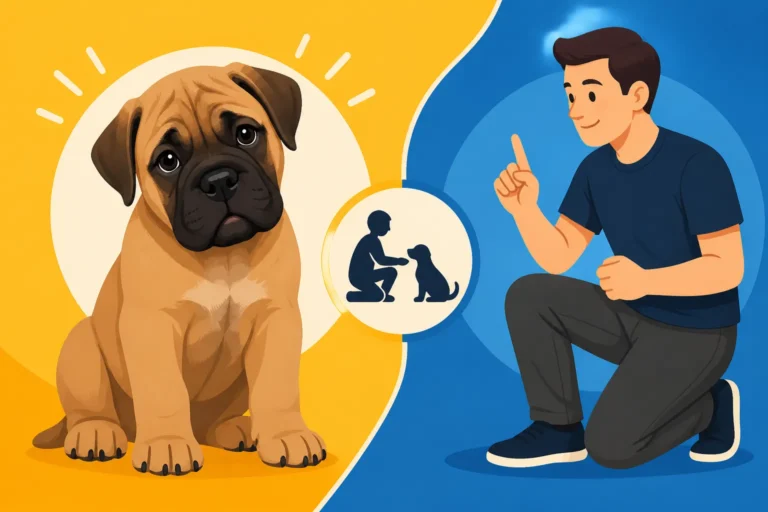
This doesn't mean forced, overwhelming interactions. Rather, it means controlled, positive experiences where the puppy learns that other dogs are not a threat. Puppy classes, like those offered through programs such as BAXTER & Bella, can be incredibly beneficial for structured, positive socialization experiences. Lack of proper socialization can lead to a Bullmastiff that sees other dogs, particularly those of the same sex, as competitors for resources, attention, or space, leading to conflict.
Learned Behaviors and Reinforcement
Dogs are masters of association, and sometimes, same-sex aggression can be an unintentional learned behavior. Imagine a scenario where your Bullmastiff growls at another male dog, and you, wanting to avoid a fight, quickly pull them away or offer a treat to distract them. From your dog's perspective, they might learn that growling or showing aggression gets them what they want – the other dog goes away, or they get a reward. This can inadvertently reinforce the aggressive behavior.
Another common learned behavior stems from previous negative experiences. If your Bullmastiff was attacked or had a frightening encounter with a same-sex dog, they might develop a defensive aggressive response to prevent similar situations in the future. It’s crucial to understand that their aggression isn't always about dominance; it can often be rooted in fear or anxiety. Recognizing these patterns and seeking professional guidance can help break the cycle of learned aggression.
Resource Guarding and Territoriality
Bullmastiffs are, at their core, guardians. This protective instinct can extend beyond their human family and home to include resources like food, toys, preferred resting spots, or even their owner's attention. When another same-sex dog enters their perceived territory or attempts to access a valued resource, it can trigger a defensive, aggressive response.
This territoriality isn't limited to the home. It can manifest during walks if your Bullmastiff perceives another dog on "their" street as an intrusion. Even eye contact from another dog can be enough to trigger a Bullmastiff who feels their space or resources are being challenged. Understanding How Protective a Bullmastiff Is helps contextualize these strong reactions. Management is key here; for example, never leaving valued items like high-value chews or toys unattended when two dogs are present, or creating separate spaces for feeding.
Managing and Preventing Same-Sex Aggression
Successfully managing same-sex aggression in a Bullmastiff requires a consistent, proactive approach that focuses on prevention, training, and environmental management. This isn't a quick fix but a lifelong commitment to ensuring your dog's safety and the safety of others.
Early and Ongoing Socialization
As mentioned, early socialization is critical, but it doesn't stop once puppyhood is over. Even an adult Bullmastiff can benefit from controlled, positive exposure to other dogs. This doesn't mean dog parks, which can be overwhelming and dangerous for a dog with SSA. Instead, think about structured "parallel walks" with a calm, well-adjusted dog of the opposite sex, or known same-sex dogs that your Bullmastiff has a history of tolerating.
Always supervise these interactions closely and be ready to intervene at the first sign of tension. The goal is to create positive associations, even if it means simply being in the presence of another dog without direct interaction. This kind of nuanced socialization helps your Bullmastiff learn that not all other dogs are a threat. For advice on structure, professional puppy classes or individual training with a certified behaviorist can offer guidance on appropriate social interaction.
Consistent Training and Leadership
A Bullmastiff, being a powerful and sometimes stubborn breed, absolutely needs consistent, positive reinforcement-based training from a young age. They weigh more than most adults, so teaching them to respect boundaries and respond reliably to cues is paramount. Training a Bullmastiff That Weighs More Than You Do isn't just about physical strength; it's about building a strong bond and clear communication. Basic obedience commands like "sit," "stay," "come," and "leave it" become indispensable tools in managing potential conflicts.
Focus on teaching a bomb-proof recall, as unreliable off-leash behavior can quickly lead to dangerous situations. Whether a Bullmastiff Can Be Trusted Off Leash is a vital question to consider, and for many with SSA, the answer is no, for safety. Work on impulse control and attention exercises in varying environments, so your Bullmastiff learns to focus on you even with distractions. Using high-value treats and praise makes training a positive experience, strengthening your bond and making your dog more responsive to your guidance.
Environmental Management Strategies
Prevention is often the best strategy when dealing with same-sex aggression. This means proactively managing your dog's environment to minimize triggers and prevent confrontational situations.
- Leash Management: Always keep your Bullmastiff on a strong, secure leash when outside your fenced yard. A standard nylon leash might not be enough; consider a double-handled leash or a harness designed for large, strong pullers, such as those found on Amazon, to give you better control. If your dog reacts on leash, learn how to calmly redirect their attention before they escalate.
- Muzzle Training: For some Bullmastiffs, muzzle training is not just a recommendation but a necessity. A well-fitted basket muzzle allows your dog to pant, drink, and take treats, but prevents bites. Introduce it positively and gradually so your dog associates it with good things. This allows for safer exposure to public spaces or when introducing new dogs under controlled conditions.
- Separate Spaces: If you have multiple same-sex dogs in your home, especially if one is reactive, consider creating separate living spaces. This might mean crating, using baby gates (extra tall and sturdy ones for Bullmastiffs!), or keeping dogs in different rooms when unsupervised. When feeding, always feed dogs separately to avoid resource guarding issues.
- Controlled Introductions: If introducing a new dog to your household, do so slowly and carefully on neutral territory, with both dogs on leash. Professional guidance from a certified behaviorist is highly recommended for these situations.
Living with a Bullmastiff Displaying Same-Sex Aggression
Acknowledging and accepting that your Bullmastiff has same-sex aggression is the first step toward a more peaceful life for everyone. This condition often requires ongoing vigilance and adaptation of your lifestyle, but it doesn't mean you can't have a fulfilling relationship with your dog.
The Importance of Professional Guidance
You are not alone in this challenge. A certified professional dog trainer or a veterinary behaviorist can be invaluable resources. They can help you accurately assess the severity of the aggression, identify specific triggers, and develop a tailored management and modification plan. They can teach you techniques like desensitization and counter-conditioning, which aim to change your dog's emotional response to triggers.
Don't hesitate to seek help. Trying to manage serious aggression on your own can be overwhelming and, more importantly, risky. A good professional will prioritize safety and use humane, positive methods. They can help you understand the nuances of canine body language and teach you how to respond effectively before a situation escalates.
Adjusting Your Lifestyle
Living with a Bullmastiff that has same-sex aggression often means making some lifestyle adjustments. This might include:
- Avoiding Dog Parks: As mentioned, dog parks are generally not suitable environments for Bullmastiffs with SSA. The uncontrolled nature of interactions can easily lead to fights and reinforce negative behaviors.
- Careful Walking Routes: Choose quieter walking routes and times to minimize unexpected encounters with other dogs. Be vigilant and ready to cross the street or turn around if you see another dog approaching.
- Limited Multi-Dog Households: If you're considering adding another dog, especially one of the same sex, think very carefully. For many Bullmastiffs with severe SSA, a single-dog household is the safest and least stressful option. If you do proceed, it needs careful planning, introduction, and management, often with professional help. Whether a Bullmastiff Accepts a New Dog hinges greatly on existing temperament and management.
- Advocacy for Your Dog: You are your dog's advocate. Don't be afraid to politely tell other dog owners to keep their dogs away, especially if they are off-leash and approaching you. Your primary responsibility is the safety of your Bullmastiff and others.
The Reward of Understanding
Despite the challenges, owning a Bullmastiff with same-sex aggression can still be incredibly rewarding. These dogs are fiercely loyal, loving companions to their families. By understanding their needs, respecting their boundaries, and consistently applying effective management strategies, you can minimize incidents and build a deeper, more trusting relationship. It requires patience, consistency, and a strong commitment, but for many Bullmastiff owners, the effort is well worth it for the love and companionship these gentle giants provide.
| Aggression Type | Common Triggers | Management Focus | Primary Goal |
|---|---|---|---|
| Fear-Based SSA | Sudden movements, loud noises, direct eye contact from another dog, past negative experiences. | Desensitization, counter-conditioning, building confidence, avoidance of triggers. | Change emotional response to fear triggers. |
| Dominance/Status SSA | Perceived challenge from another dog, resource competition, seeking higher social standing. | Consistent leadership, structured training, resource management, avoidance of confrontational greetings. | Establish clear boundaries, prevent escalation. |
| Territorial SSA | Intrusion into perceived territory (home, yard, walking route). | Boundary training, limited visibility to external triggers, controlled exposure in neutral areas. | Reduce perceived need to defend territory. |
| Resource Guarding | Food, toys, favorite resting spots, owner's attention. | Separate feeding areas, put away high-value items, "trade" for desired items, strict supervision. | Prevent competition over valuable items. |
Disclaimer
This article is for general informational purposes only and does not constitute professional advice. Laws, prices and regulations vary by location and change over time. Consult a qualified professional for guidance on your specific situation.