Whether a Bullmastiff Was Muzzled at Work
Working Bullmastiffs in Victorian England were not muzzled because their job required physically holding poachers without harming them.

Working Bullmastiffs in Victorian England were not muzzled because their job required physically holding poachers without harming them.
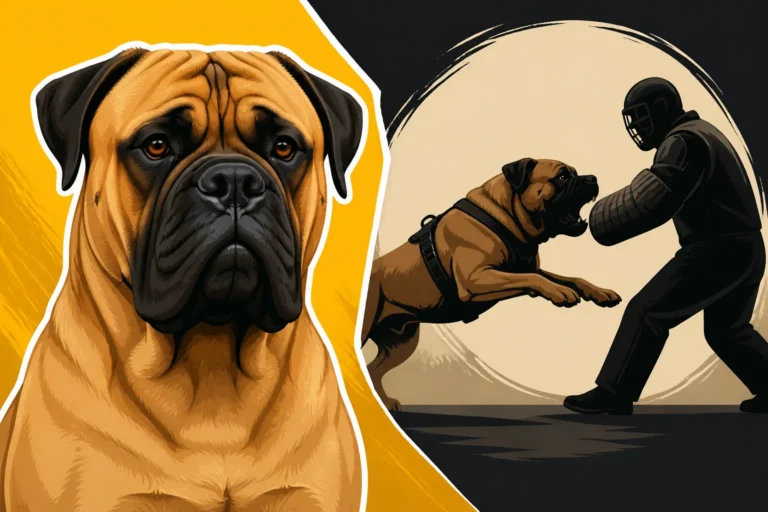
Nineteenth-century gamekeeper dogs were bred to track and hold poachers down without inflicting severe injury.

Nineteenth-century English country estates deployed Bullmastiffs to protect valuable game populations from armed poachers.

The Bullmastiff formula explaining the sixty forty Mastiff and Bulldog blend originated as an unwritten oral tradition used by English gamekeepers.

The Bullmastiff breed originated in 19th-century England through a practical historical breeding formula of sixty percent Mastiff and forty percent Bulldog.
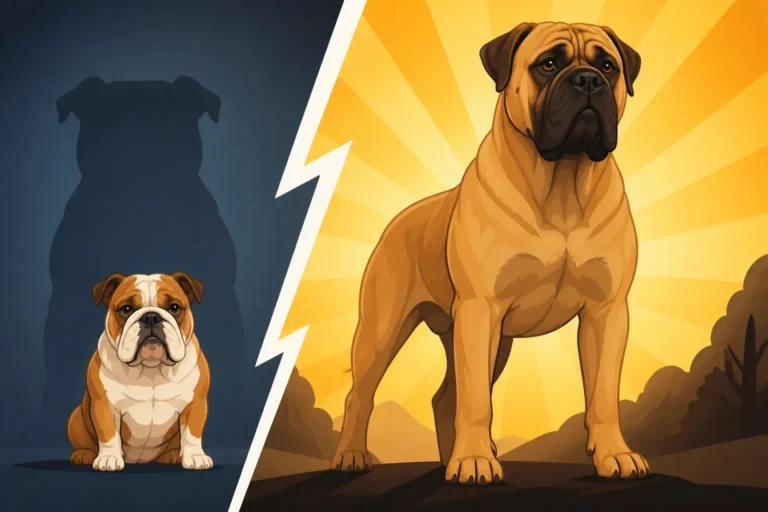
Nineteenth-century English gamekeepers required larger dogs because Bulldogs lacked the physical mass to hold armed poachers alone.

Victorian estate poachers required fast dogs, explaining why majestic Mastiffs lacked the speed gamekeepers needed.

Bullmastiffs worked silently at night with gamekeepers to protect estate wildlife and stop armed poachers from stealing animals.
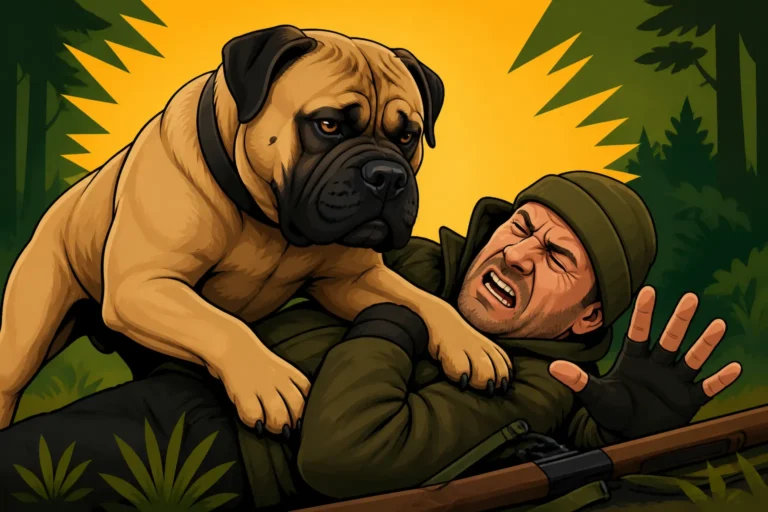
The history of Victorian gamekeepers reveals how Bullmastiffs tracked, intercepted, and pinned poachers to estates without causing lethal injuries.
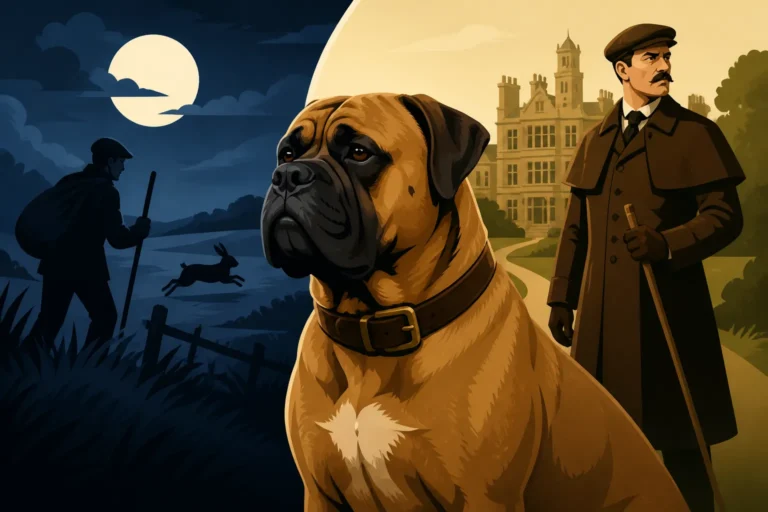
Victorian poaching was a deadly economic struggle that protected wealthy estate game through harsh penalties and brutal laws.