The Decade the Bullmastiff Crossed the Atlantic
The history of the Bullmastiff details its arrival in America during the 1920s and formal recognition by the American Kennel Club in 1933.

The history of the Bullmastiff details its arrival in America during the 1920s and formal recognition by the American Kennel Club in 1933.

Bullmastiff purity in 1924 meant establishing a recognizable type for registration, not avoiding Mastiff ancestry.

The Bullmastiff history explains the sixty percent Mastiff and forty percent Bulldog cross created for Victorian English gamekeepers.

Nineteenth-century English gamekeepers bred Mastiffs and Bulldogs to create working dogs that tracked and pinned estate poachers.

Fawn Bullmastiffs and their historical desirability status in Victorian England are explained by practical working needs.

Fawn Bullmastiff popularity grew during the twentieth century as the breed transitioned from estate working dogs to family guardians.
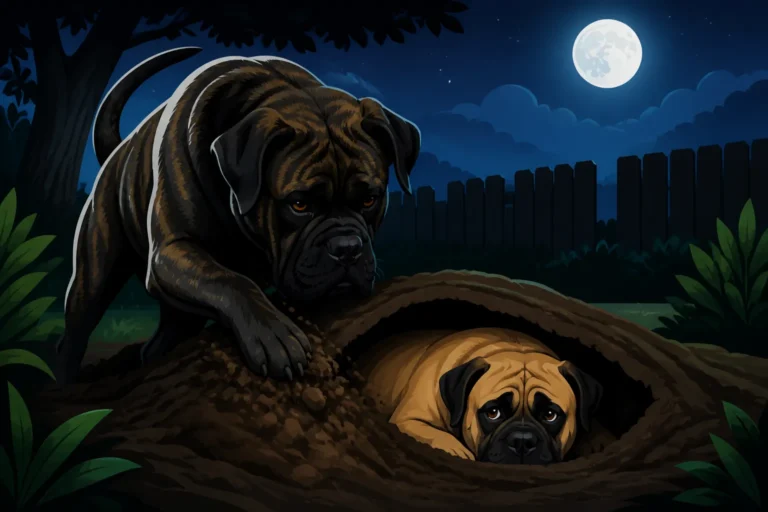
The dark brindle coat of nineteenth century Bullmastiffs provided natural camouflage for catching poachers at night.

Historical origins of 19th-century Bullmastiffs explain why gamekeepers usually deployed these guardian dogs individually rather than in pairs.

Historical working conditions of nineteenth-century Bullmastiffs reveal whether these guard dogs operated without restraints.

Victorian English gamekeepers used powerful Bullmastiff dogs to catch armed poachers on large rural estates at night.