Whether a Bullmastiff’s Undershot Jaw Is Allowed
Bullmastiff breed standards allow a mild undershot jaw, but veterinarians must check if the teeth cause pain, gum injury, or eating trouble.
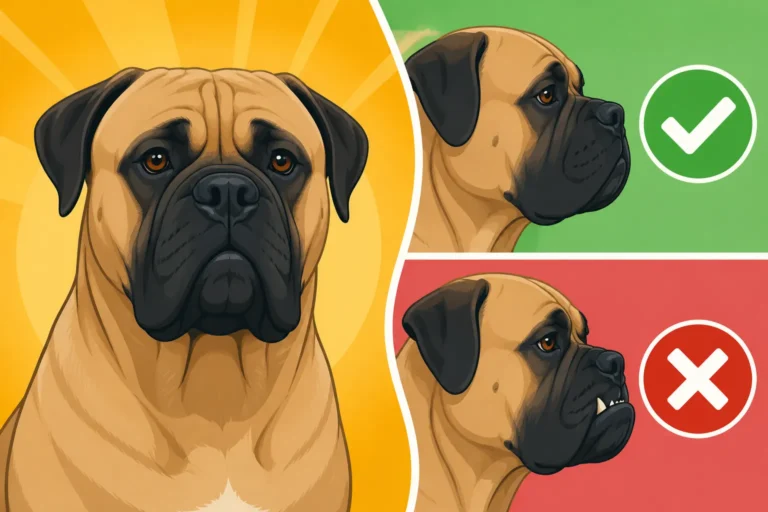
Bullmastiff breed standards allow a mild undershot jaw, but veterinarians must check if the teeth cause pain, gum injury, or eating trouble.
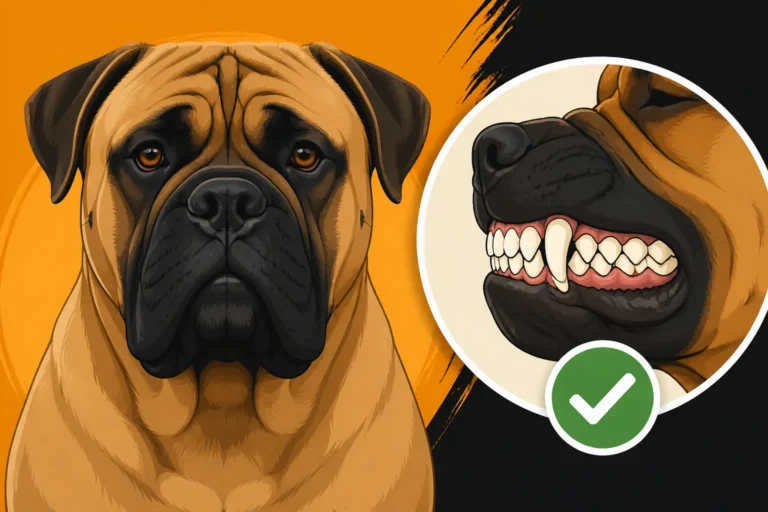
Bullmastiff breed standards allow level or slight undershot bites, explaining expected jaw variations and dental health signs.
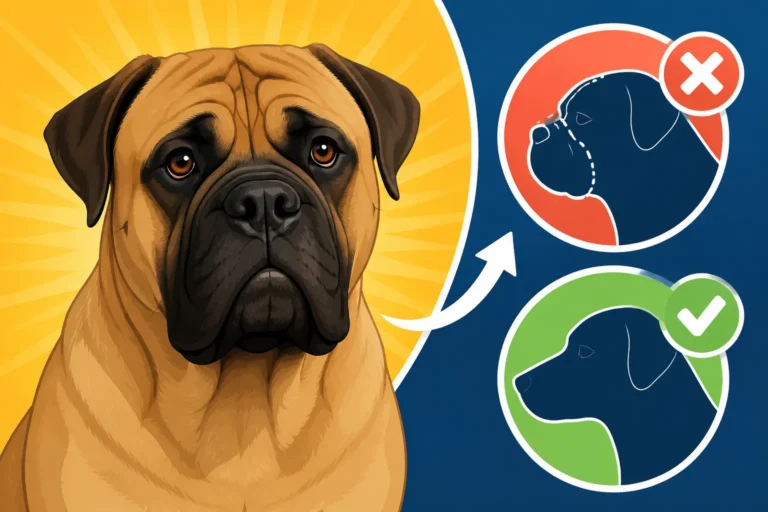
Bullmastiff facial features and shortened muzzles create brachycephalic traits that can impact breathing and heat tolerance.
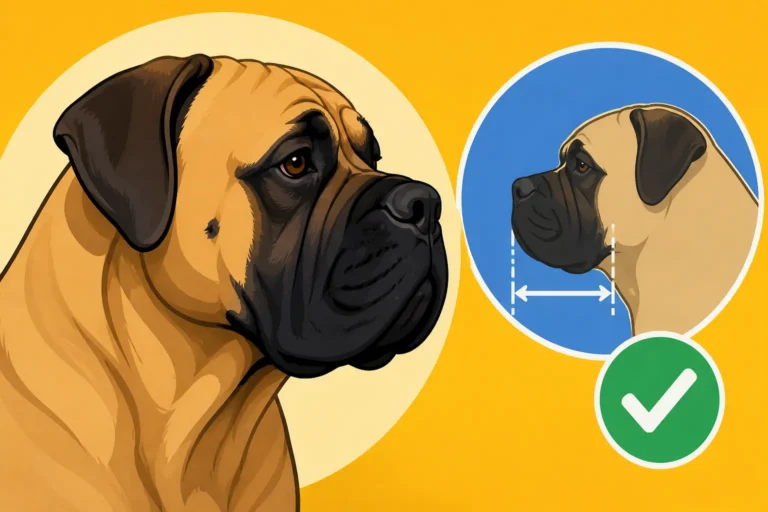
Bullmastiff muzzle length standards specify a broad, deep structure measuring about one third of total head length.
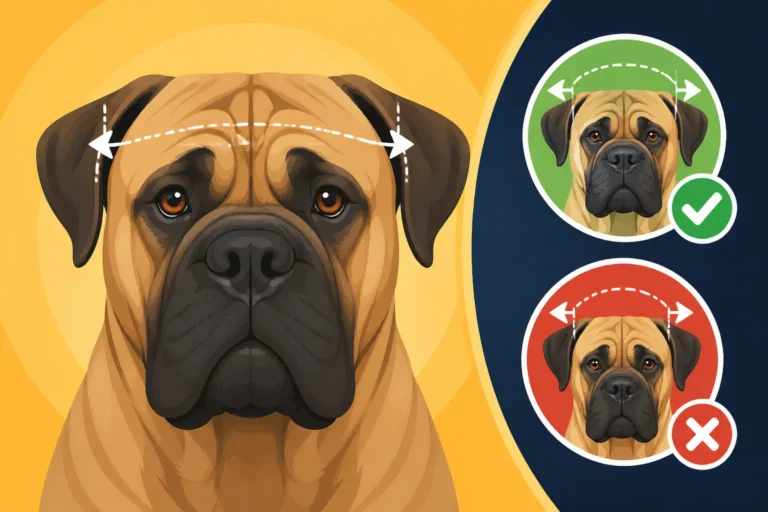
A Bullmastiff skull width explanation details proper proportions, cheeks, and why no single measurement in inches exists.
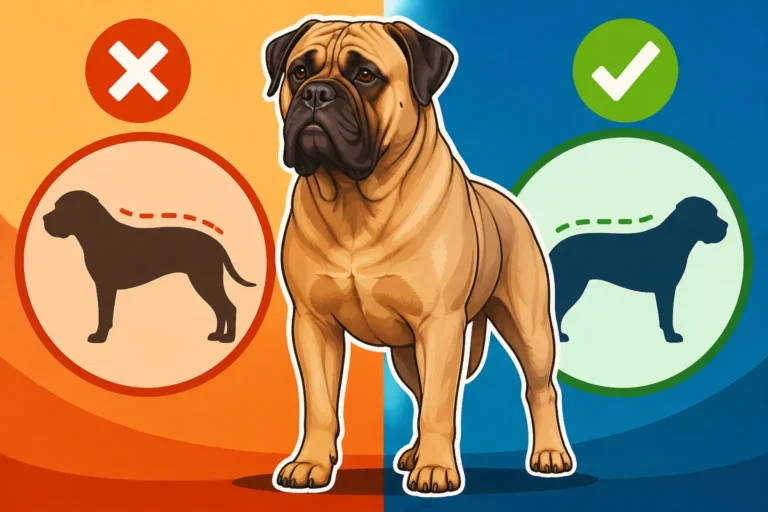
The short back of a working Bullmastiff provided balance, stability, and agility for catching poachers at night.
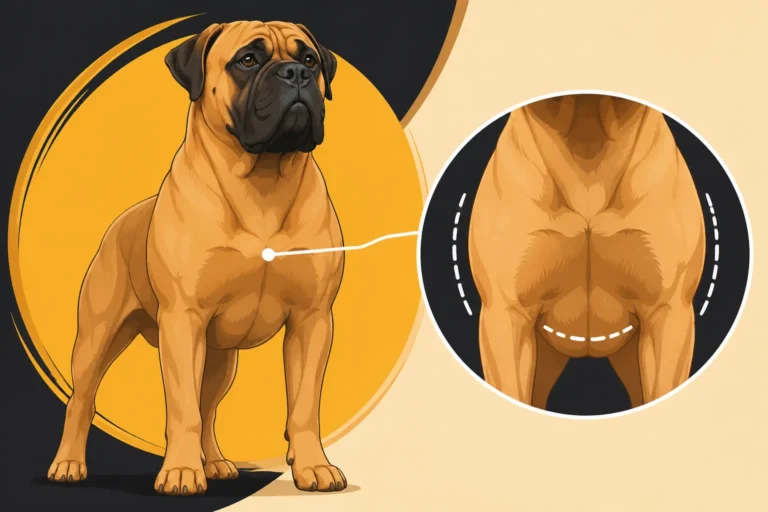
Bullmastiff chest shape features, proper proportions, and signs requiring veterinary attention are explained for owners.
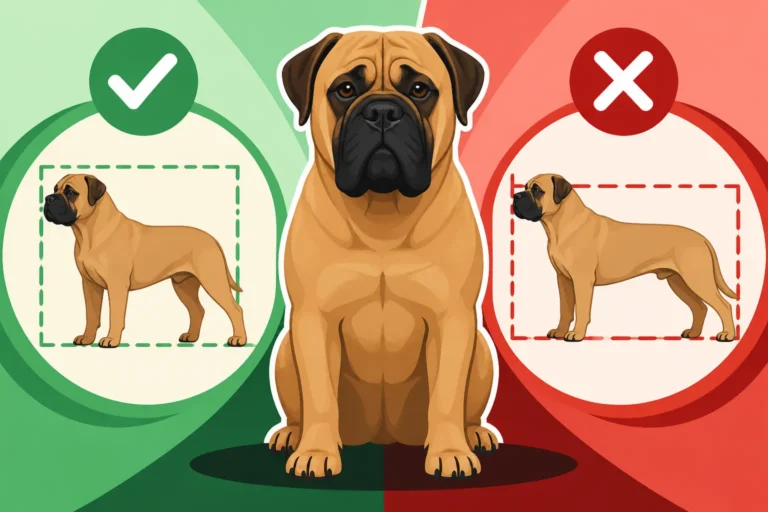
Bullmastiff proportions and whether the breed should look square, explaining how to assess body length and height correctly.
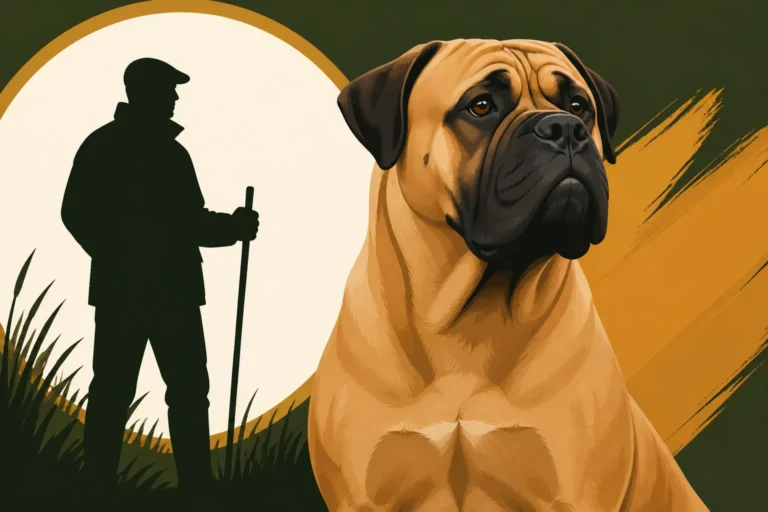
The Bullmastiff working outline explains how gamekeepers bred dogs for controlled power and balanced mobility to catch poachers.
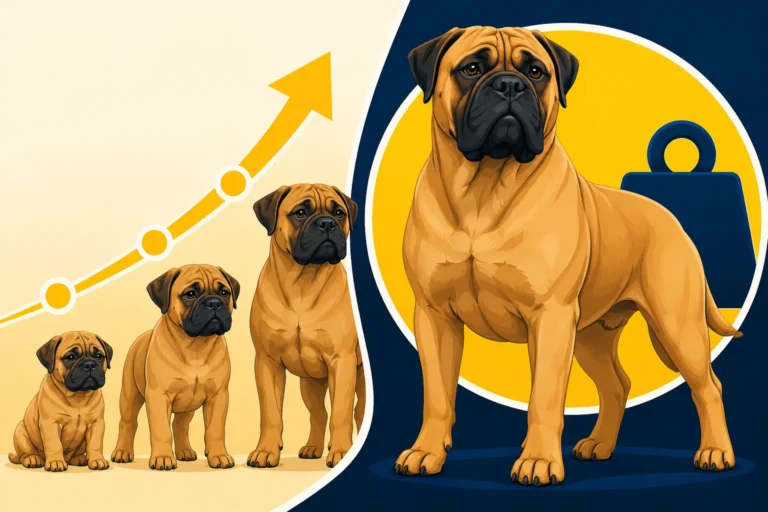
Bullmastiff working weight and physical maturity timelines explained, including adult size ranges and healthy development stages.