The Household a Bullmastiff Was Built For
Bullmastiff living requirements include a quiet guardian role, controlled strength, and space for a loyal family companion.
Is this the right one for you?
Origins and temperament, size and coat, what living with one is actually like, and how it compares to the breeds people weigh against it.
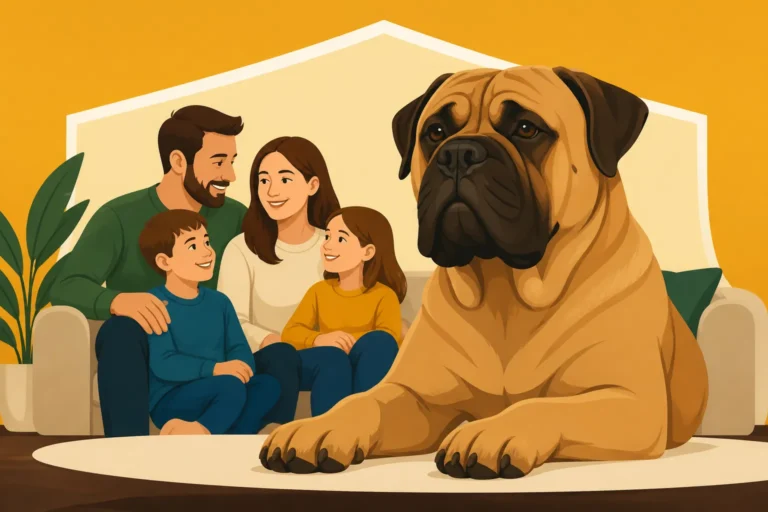
Bullmastiff living requirements include a quiet guardian role, controlled strength, and space for a loyal family companion.

Bullmastiff popularity declines across thirty years due to health challenges, giant breed ownership costs, and shifting public perception.

The Bullmastiff breed history explains why 19th-century gamekeepers in England developed these dogs to track and hold poachers.
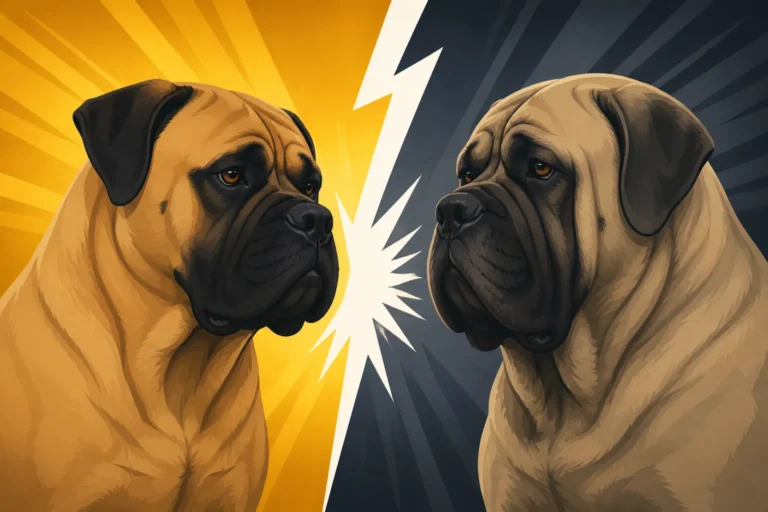
The Bullmastiff and the Mastiff differ in history, temperament, and size because gamekeepers crossed Mastiffs with Bulldogs.

Bullmastiff black masks, including ideal depth, skin pigmentation, and breed standard requirements, explain distinctive facial features.

Bullmastiff official coat colors include fawn, red, and brindle, each featuring a distinctive black mask on the face.
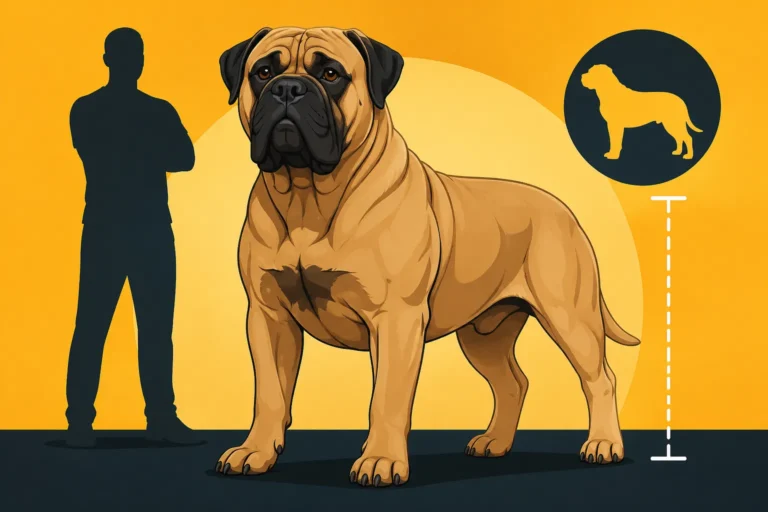
Bullmastiff height and weight standards explain ideal dimensions for adult males and females in this giant breed.
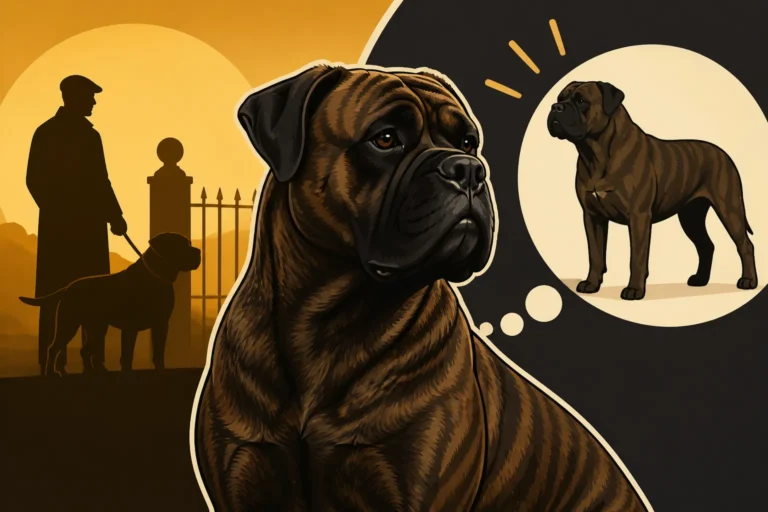
Early Bullmastiff dark brindle coats provided camouflage for nineteenth-century gamekeepers catching poachers at night.

The Bullmastiff genetic recipe combines sixty percent Mastiff and forty percent Bulldog to create a guardian dog.
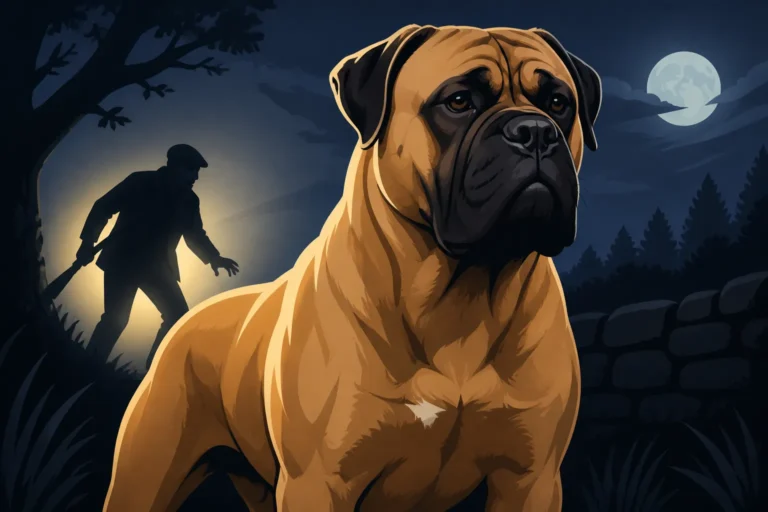
The Bullmastiff’s origins in 19th-century England explain how gamekeepers bred a silent dog to catch poachers.