Whether a Bullmastiff Can Be White
It's a common thought when you see a magnificent dog like a Bullmastiff: "What about a white one? That would be striking!" Many people envision a pristine white coat, perhaps thinking it's just another color variation. However, the truth about white Bullmastiffs isn't quite what you might expect, and it raises important questions about breed standards, genetics, and what makes a Bullmastiff, well, a Bullmastiff. This guide will dive deep into the official breed standards, clarify the difference between accepted markings and a fully white coat, and explain why you won't typically find a "white Bullmastiff" from a reputable breeder.
The Official Bullmastiff Breed Standard for Color
When you talk about any purebred dog, the breed standard is the rulebook. It's the blueprint that describes the ideal physical traits, temperament, and, yes, acceptable colors. For the Bullmastiff, this standard is incredibly specific, and for good reason. These dogs were developed for a very particular job, and their appearance was part of their effectiveness.
Accepted Colors: Fawn, Red, Brindle
The breed standard for the Bullmastiff is quite clear when it comes to coat color. You'll find three main accepted colors: fawn, red, or brindle. Each of these colors has a distinct look, but they all fall within the range deemed appropriate for the breed's history and function.
Fawn Bullmastiffs range from a light, sandy buff to a rich, deeper tan. Red Bullmastiffs can be anything from a deep, rich mahogany to a lighter, more vibrant red shade. Then there's brindle, which is a fascinating pattern where streaks of fawn or red are overlaid with darker stripes, often described as a tiger-stripe effect. Fawn, Red or Brindle: the Only Colors a Bullmastiff Comes In delves deeper into these variations. These colors were chosen, in part, because they allowed the dogs to blend into the landscape, especially at night, which was crucial for their original role as silent guardians against poachers.
The Essential Black Mask
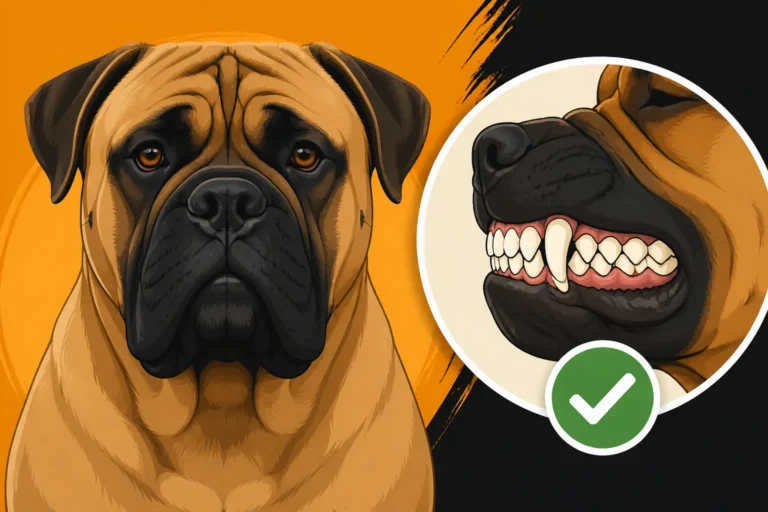
Beyond the primary body color, there's another non-negotiable aspect of the Bullmastiff's appearance: the black mask. Every Bullmastiff, regardless of whether they are fawn, red, or brindle, must have a distinct black mask. This mask covers the muzzle and often extends around the eyes, sometimes fading into a darker shade on the ears. It's one of the most iconic and recognizable features of the breed, giving them that serious, watchful expression.
This black mask isn't just for aesthetics; it's a genetic trait that is deeply ingrained in the breed. A strong, dark mask is preferred, though the extent can vary. The Black Mask Every Bullmastiff Must Have goes into more detail about the importance and characteristics of this defining facial feature. Without this mask, a Bullmastiff wouldn't conform to the breed standard, which is important for those involved in showing or breeding these magnificent dogs.
Disqualifying Colors and White Markings
Here's where the idea of a "white Bullmastiff" really comes into play. The breed standard is explicit about what is not allowed. Any color other than fawn, red, or brindle is considered a disqualification in the show ring. This means a Bullmastiff that is predominantly white, black, blue, or any other unlisted color would not be able to compete.
Furthermore, while some minimal white markings are tolerated, they are strictly limited. Small white markings on the chest are generally acceptable, but beyond that, significant patches of white or a predominantly white coat are considered serious faults or even disqualifications. The aim is to maintain the uniform appearance and characteristics that define the Bullmastiff breed. Which Colors the Bullmastiff Standard Accepts provides a comprehensive overview of the acceptable color palette.
Understanding White Markings Versus a Truly White Coat
It's easy to confuse a dog with some white spots with a dog that is predominantly white. For Bullmastiffs, this distinction is crucial, especially when evaluating them against the breed standard.
Small, Accepted White Markings
When we talk about white on a Bullmastiff, the standard makes room for very specific, minor markings. The most common place to find a small patch of white is on the chest. Think of it as a small "star" or a narrow strip. These minor white chest markings are generally accepted and don't count against a dog in the show ring or for breeding purposes, as long as they are minimal in size and not accompanied by other significant white areas.
Sometimes, you might also see a few white hairs on the toes. Again, if these are very limited and don't form large patches, they are usually overlooked. The key word here is "minimal." These small splashes of white are often seen as minor genetic quirks rather than an intentional coat color.
Larger Patches of White: A Fault
Things change considerably when the white markings become more extensive. If a Bullmastiff has large white patches on its chest, white extending up its legs, on its neck, or elsewhere on its body, this would be considered a fault. A fault means it deviates from the ideal breed standard and would be penalized by judges in conformation events. A dog with significant white patches is still a Bullmastiff, of course, and can be a wonderful pet, but it wouldn't be considered a prime example of the breed's physical characteristics.
These larger white areas can happen if a breeder isn't careful about the genetic lines they are working with, or sometimes it's just a random genetic throw-back. Reputable breeders strive to adhere as closely as possible to the standard, so extensive white markings are something they generally try to avoid. You can find more details on this in Whether White Markings Disqualify a Bullmastiff.
The Non-Existence of a "True White" Bullmastiff
Now, for the big question: can a Bullmastiff truly be white? The answer, according to the breed standard and genetic reality, is essentially no. A Bullmastiff bred purely for its breed characteristics, with a true Bullmastiff pedigree, will not have an all-white coat. If you encounter a dog advertised as a "white Bullmastiff," it's highly likely to be one of a few scenarios:
- A mix-breed: It could be a Bullmastiff crossed with another breed that carries genes for a white coat.
- A different breed entirely: Someone might be mislabeling another large, white breed as a Bullmastiff.
- A dog with excessive white markings: While not "true white," some dogs might have such extensive white markings that they appear predominantly white, though this would be a severe deviation from the standard.
- Albinism (extremely rare): True albinism is a genetic condition that results in a complete lack of pigment throughout the body, including skin, hair, and eyes. While technically possible in any species, it is exceedingly rare and not considered a breed color.
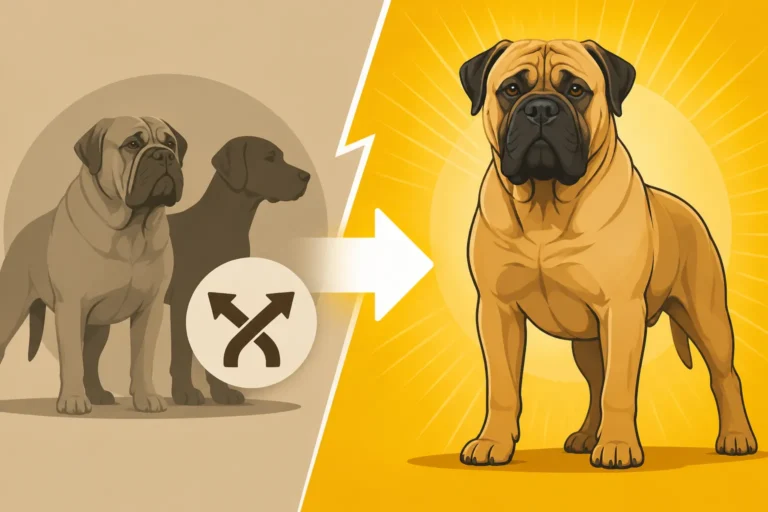
It's important to understand that the genes that produce a solid white coat (like in a Samoyed or certain Bulldogs) are not typically present or desired in the Bullmastiff gene pool. The ancestral breeds that contributed to the Bullmastiff, primarily the Old English Mastiff and the Bulldog, were not white-coated breeds. Their colors were chosen for camouflage and utility, not for flashy, all-white aesthetics.
Why White Bullmastiffs are Not Part of the Breed's Heritage
The absence of white as an accepted color isn't arbitrary; it's rooted in the breed's history, purpose, and careful genetic development.
Breeding for Specific, Standard Colors
The Bullmastiff's origins lie in England, where they were developed in the mid-19th century by gamekeepers to protect vast estates from poachers. Their job was to silently track, apprehend, and hold intruders without mauling them. This demanding role required specific physical and temperamental traits, and even coat color played a part.
Gamekeepers specifically bred for colors that would provide effective camouflage during the night. Dark brindles were highly prized because they blended seamlessly into the shadows and undergrowth, making it difficult for poachers to spot them. Fawn and red colors also offered a degree of natural camouflage, especially at dusk or dawn. A stark white dog, however, would have been highly visible in the dark, completely defeating the purpose of a "night dog." Why Dark Brindle Hid a Bullmastiff at Night explains this historical preference in detail. Breeders, therefore, actively selected against white coats or extensive white markings to ensure the dogs met their operational requirements.
Genetic Factors and Selective Breeding
The Bullmastiff's coat colors are determined by a complex interplay of genes inherited from its Mastiff and Bulldog ancestors. Through generations of selective breeding, particular genes responsible for fawn, red, and brindle coats, along with the characteristic black mask, were favored and propagated within the breed. Conversely, genes that might lead to a predominantly white coat were intentionally minimized or eliminated from the gene pool.
True white coats in dogs are often linked to specific genes, sometimes dominant white genes, or genes that inhibit pigment expression. These genes are not part of the standard Bullmastiff genetic makeup. Any significant white on a Bullmastiff today is usually due to residual polygenes that influence white spotting, rather than a single gene for an all-white coat. Reputable breeders understand these genetic principles and make breeding choices to uphold the established standard, ensuring the health and integrity of the breed. They are not breeding for novelty colors but for the historical type.
The Purposeful Design: A Working Dog's Coat
Remember, the Bullmastiff was a working dog first and foremost. Every aspect of its design, from its muscular build to its short, dense coat, served a practical purpose. The coat needed to be weather-resistant, relatively low-maintenance, and of a color that provided camouflage. A pure white coat would have been a glaring tactical disadvantage for a dog whose primary job was to be unseen until it was too late for the poacher.
Even today, while most Bullmastiffs are beloved family companions rather than working estate guardians, the breed standard continues to reflect this purposeful heritage. Breeders and enthusiasts strive to maintain the original type, not just for tradition, but because these characteristics define the Bullmastiff. The coat colors we see today are a direct link to that powerful, silent guardian of the past.
Implications of Non-Standard Colors for Bullmastiffs
While a non-standard color like excessive white might not affect a Bullmastiff's ability to be a loving family pet, it does have significant implications in the world of purebred dogs.
Show Ring Disqualification
For anyone interested in exhibiting their Bullmastiff in conformation shows, a non-standard color, including extensive white markings or a predominantly white coat, would lead to immediate disqualification. The rules are very strict about adhering to the breed standard, and color is a primary criterion. Judges are looking for dogs that embody the ideal representation of the Bullmastiff breed, and deviations in color are considered serious faults.
This isn't about judging the dog's inherent value or personality, but purely its conformity to the aesthetic and genetic blueprint laid out by the breed club. A dog that is disqualified for color cannot earn championship titles, which are important markers of breeding success and adherence to type. For those passionate about the competitive aspect of dog ownership, understanding these color standards is paramount.
Breeding Program Restrictions
Reputable breeders dedicate themselves to preserving and improving the Bullmastiff breed according to the established standard. This includes carefully selecting breeding pairs to ensure that traits like correct coat color are passed on. A Bullmastiff with a non-standard color or significant disqualifying markings would typically not be used in a reputable breeding program.
Allowing dogs with disqualifying colors to breed can introduce undesirable genes into the gene pool, potentially leading to more puppies with non-standard colors in future generations. Ethical breeders prioritize health, temperament, and adherence to the standard above all else. They aim to produce puppies that are not only healthy and well-adjusted but also conform to the physical characteristics that define the Bullmastiff. This means steering clear of anything that deviates significantly from the accepted color palette. Whether Bullmastiff Breeders Track Cancer in Pedigrees or What a Bullmastiff Breeder Should Have Screened illustrates the serious approach good breeders take.
Pet Quality and Health Considerations
It's crucial to emphasize that a Bullmastiff with non-standard coloring can still be a perfectly wonderful and healthy companion. Their coat color does not determine their temperament, their capacity for love, or their potential to be a loyal family member. Many fantastic Bullmastiffs with larger white markings live full, happy lives as beloved pets.
However, there can sometimes be minor health considerations associated with very large areas of unpigmented skin. White areas, like on human skin, can be more susceptible to sunburn, especially if the dog spends a lot of time outdoors in bright sunlight. Owners of dogs with extensive white patches might need to be more diligent about applying pet-safe sunscreen to these areas or limiting sun exposure during peak hours. Some dogs with excessive white may also have slightly more sensitive skin, though this isn't a guaranteed outcome and often depends on individual genetics. For Bullmastiffs, unlike some other breeds where extensive white is linked to deafness (e.g., Dalmatians), there isn't a direct or strong correlation between white markings and hearing issues within the breed. The primary health focus for Bullmastiffs should always be on things like joint health, cardiac health, and cancer screening, regardless of coat color.
Finding a Reputable Breeder Who Understands Color Genetics
When you're looking for a Bullmastiff, working with a reputable breeder is always the most important step, and this is especially true when it comes to understanding breed characteristics like coat color.
Prioritizing Health, Temperament, and Conformation
A responsible Bullmastiff breeder will always prioritize the health and temperament of their dogs above all else. They perform extensive health screenings on their breeding stock for common Bullmastiff ailments like hip and elbow dysplasia, cardiac issues, and certain cancers. They also carefully evaluate temperament to ensure their puppies are well-socialized and have the stable, protective nature characteristic of the breed.
Conformation, which includes adherence to the breed standard in terms of size, structure, and color, comes next. A good breeder isn't just trying to produce "pretty" puppies; they're working to preserve the integrity of the breed. They will have a deep understanding of Bullmastiff genetics, including how coat colors are inherited. Their puppies will almost exclusively fall within the accepted fawn, red, or brindle color range, with only minimal white markings as allowed by the standard. They will never try to intentionally breed for "rare" or "novelty" colors like pure white, as these are outside the standard and often a sign of irresponsible breeding practices.
Understanding and Upholding the Breed Standard
Reputable breeders are stewards of the Bullmastiff breed. They understand that the breed standard is not merely a suggestion but a guide to maintaining the unique characteristics that define the Bullmastiff. They'll be familiar with every nuance of the standard, including the precise requirements for coat color and markings. They know that a truly white Bullmastiff is not an acceptable color and that large white patches are faults.
When you speak to a breeder, they should be able to clearly articulate why certain colors are accepted and others are not, often referencing the breed's history and original purpose. They will never promote puppies with disqualifying colors as "rare" or charge a premium for them; in fact, if such a puppy were to occur in their litter (which is rare if they're breeding correctly), it would typically be sold as a pet with a spay/neuter contract, and priced accordingly, not inflated. A breeder who truly upholds the standard is focused on the future of the breed, not on trendy color variations.
Asking the Right Questions
As a prospective owner, it's your responsibility to ask probing questions. Don't be shy! A good breeder welcomes inquiries and is transparent about their practices. When discussing color, here are some questions you might ask:
- "What are the typical colors you produce in your litters?"
- "Can you show me the parents' pedigrees and discuss their color lines?"
- "What does the breed standard say about white markings?"
- "Have you ever had puppies with extensive white markings, and if so, how did you handle it?"
A reputable breeder will not only answer these questions confidently but will also likely ask you questions to ensure you understand the breed's characteristics. If a breeder tries to sell you a "rare white Bullmastiff" or downplays the importance of the breed standard when it comes to color, that should be a significant red flag. Beware of anyone trying to market a non-standard color as something special or worth more money. What a Cheap Bullmastiff Puppy Signals can give you further insights into what to watch out for.
It's also worth noting that online retailers like Chewy are great for getting supplies, food, and toys for your Bullmastiff, but they aren't where you find a reputable breeder. Look for breeders associated with national or regional Bullmastiff clubs. They often have rigorous ethical guidelines and a commitment to the breed standard.
Here's a quick comparison of standard Bullmastiff coat elements versus what might be considered non-standard or disqualifying:
| Feature | Standard/Accepted | Non-Standard/Disqualifying |
|---|---|---|
| Primary Coat Color | Fawn, Red, Brindle (varying shades) | Pure White, Black, Blue, Liver, Merle, Saddle |
| Black Mask | Present, strong, clearly defined over muzzle and eyes | Absent, incomplete, or faded mask |
| White Markings | Small patch on chest (acceptable), few white hairs on toes | Large white patches on chest, legs, neck, or other body parts |
| Predominant Color | Any of the three standard colors | Predominantly white or any other color not listed as standard |
| Show Ring Status | Eligible to compete and win titles | Disqualified from conformation events |
| Breeding Status | Desirable for ethical breeding programs | Generally excluded from reputable breeding programs |
In conclusion, while the idea of a majestic white Bullmastiff might be appealing, it's not a color that aligns with the breed's historical purpose, genetic makeup, or official standards. The Bullmastiff is defined by its fawn, red, or brindle coat, always accompanied by that iconic black mask. These are the characteristics that make the Bullmastiff the unique and impressive dog we know and love.
Disclaimer
This article is for general informational purposes only and does not constitute professional advice. Laws, prices and regulations vary by location and change over time. Consult a qualified professional for guidance on your specific situation.