How Fast a Bullmastiff Puppy Grows
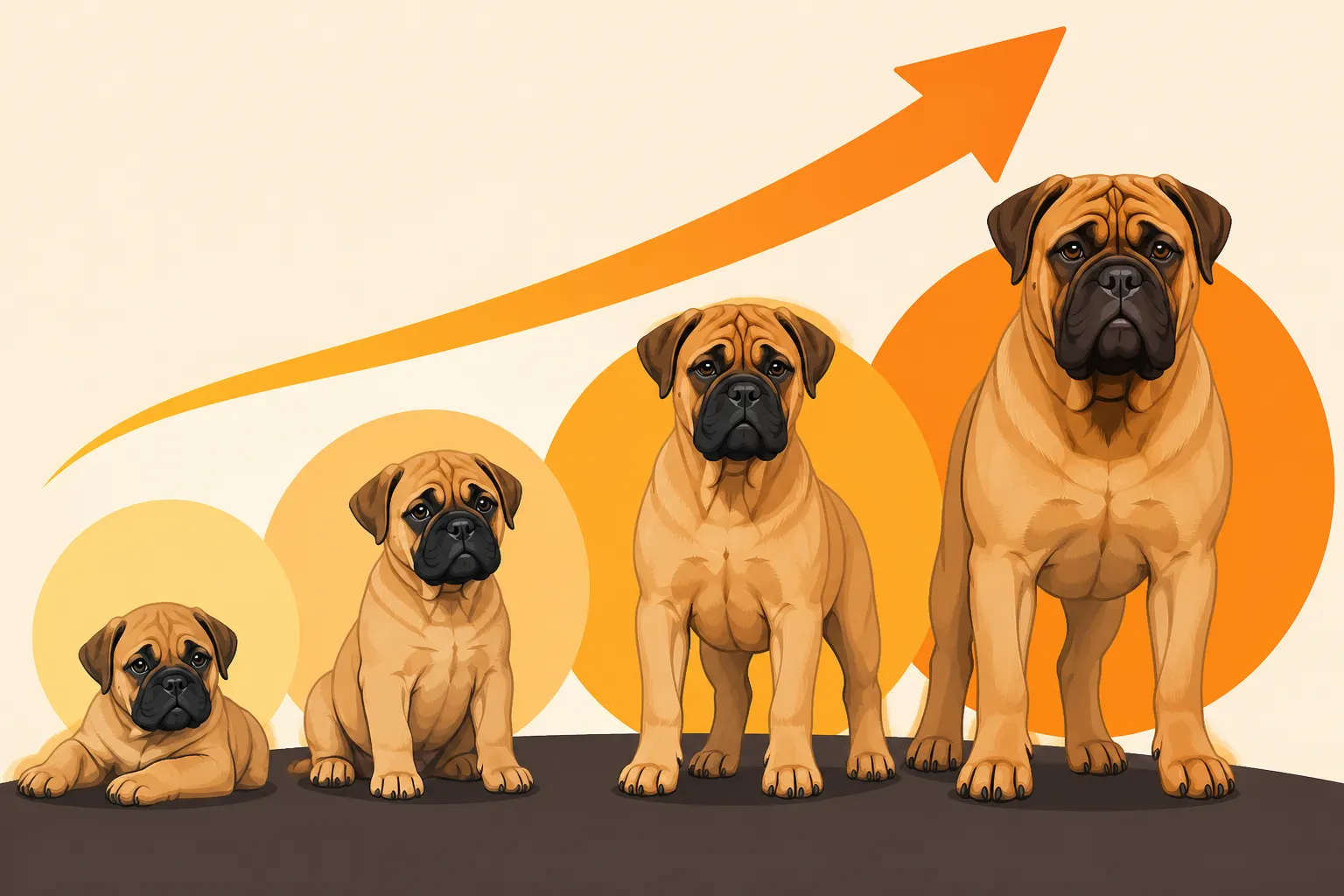
Bringing a Bullmastiff puppy home is an exhilarating experience, but it also comes with a unique set of questions, especially when you see just how quickly these little giants start to grow. You might be wondering if they're developing too fast, or perhaps not fast enough, and honestly, it’s a valid concern because their growth rate isn't like that of smaller breeds. This guide is here to walk you through the typical growth trajectory of a Bullmastiff puppy, offering insights into what to expect and, more importantly, how to support their development for a healthy, long life.
The Initial Growth Spurt: Newborn to Three Months
It’s truly astounding to witness how rapidly a Bullmastiff puppy transforms from a tiny, helpless bundle to a sizable, clumsy adventurer in just a few short weeks. This initial phase sets the stage for their entire physical development, and understanding it can help you feel more prepared.
Tiny Giants: Weight at Birth and First Weeks
When a Bullmastiff puppy is born, they aren't exactly "tiny" in the way a Chihuahua puppy might be. They’re already substantial, usually weighing in the neighborhood of one to two pounds at birth. It’s hard to imagine, isn’t it, that this little wriggling creature will soon be a massive, loyal guardian? The first few weeks are nothing short of a growth explosion. Newborn Bullmastiffs typically double their birth weight within their first week, sometimes even sooner, and then continue on a trajectory of rapid, almost unbelievable gain. You'll feel like you can practically watch them grow before your eyes.
During these crucial first weeks, a healthy puppy will show steady, consistent weight gain. Breeders often keep meticulous records, weighing puppies daily to ensure they are thriving. If a puppy lags behind or isn’t gaining as expected, it's a red flag that needs immediate attention from a vet. While some puppies in a litter might be naturally a bit larger or smaller, the overall trend should always be upward. This early, intense growth is fueled by their mother's rich milk, which provides all the necessary nutrients for bone, muscle, and organ development.
The Puppy Stage Acceleration 1-3 Months
Once they hit about four to five weeks old, and certainly by the time you bring them home between eight and twelve weeks, the Bullmastiff puppy is in full-on acceleration mode. They are no longer just gaining weight; they're gaining height and length at a remarkable pace. This is the period when they start to look like miniature versions of their adult selves, albeit with huge paws and gangly legs that they haven't quite figured out how to coordinate. You'll notice their little bodies stretching out, their heads becoming more proportionate to their frame, and their strength increasing daily.
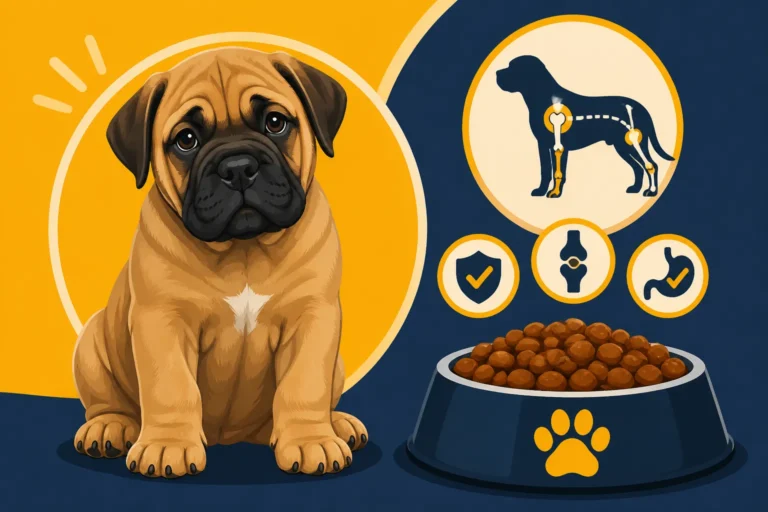
Their caloric needs during this time are incredibly high, yet it’s not about feeding them more food, but the right kind of food. A quality large-breed puppy formula is essential, as it’s formulated to support Why a Bullmastiff Puppy Needs Large Breed Food. These specialized foods help manage their explosive growth, aiming for a slower, more controlled development rather than simply maximizing size. This measured approach is vital for the long-term health of their joints and bones, which are still soft and vulnerable.
Steady Ascent: Three to Six Months
As your Bullmastiff puppy cruises past the three-month mark, you might notice the feeling of growth changing slightly. While they're still expanding at an impressive rate, it's less about the daily, noticeable changes and more about a steady, persistent upward trend. They're still growing a ton, but it’s a bit more refined.
The Awkward Teenage Phase Begins
Around three to four months, your Bullmastiff puppy really starts to enter what I like to call their "awkward teenage phase." Their legs might seem disproportionately long, their body a bit lanky, and their movements a touch clumsy. They're still putting on significant pounds – often several pounds a week – and gaining inches in height, but the rate isn't quite the explosive daily doubling you saw in the first few weeks. Instead, you're observing a more consistent, almost architectural build-out of their frame.
This phase is critical for the development of their skeletal structure. They're transitioning from primarily rapid bone lengthening to a more balanced growth that starts to add lean muscle and density. You might notice their heads starting to broaden, their chests deepening, and that overall Bullmastiff presence beginning to emerge. This lanky period is entirely normal, even endearing, as they navigate their ever-changing bodies. Just keep a close eye on their coordination during play; sometimes their enthusiasm outweighs their current physical capabilities.
Nutritional Demands and Growth Plates
The importance of nutrition cannot be overstated during these crucial months, especially from three to six months. Their developing bones, particularly the growth plates, are still vulnerable to injury and stress caused by too-rapid growth or excessive weight. When a Bullmastiff's Growth Plates Close is a vital consideration, and it's why feeding a high-quality large-breed puppy food is paramount. These specialized formulas ensure a balanced intake of calcium and phosphorus, which is critical for healthy bone development, without accelerating growth too quickly.
Overfeeding, even with the right formula, can lead to problems. It's tempting to want to see your big puppy grow even bigger, but faster isn't better here. Too much weight gain too quickly can put undue stress on their still-forming joints, potentially leading to issues like hip and elbow dysplasia later in life. Companies like Chewy offer a wide variety of large breed puppy foods, making it easy to find one that supports controlled growth. Always follow the feeding guidelines on the bag for your puppy's current weight and age, or even better, consult with your vet to tailor a plan.
Filling Out: Six Months to Adulthood
While many people might assume a dog is "done" growing at a year old, especially a giant breed, the Bullmastiff has a much longer maturation journey. The period from six months onward is less about vertical growth and more about developing their impressive musculature and bone density.
Reaching Near-Adult Height 6-12 Months
By the time your Bullmastiff puppy is six months old, they will likely be close to their adult height, perhaps 70-80% of it. They might even look surprisingly tall already! However, don't be fooled into thinking their growth journey is nearly over. This is when the real "filling out" begins. Instead of growing upwards, they start to broaden, deepen, and pack on serious muscle mass. Their chests will expand, their shoulders will become more powerful, and that distinctive Bullmastiff heft will start to define their silhouette.
This stage can feel a bit like watching concrete cure – slow and steady, but with significant results. They might gain a couple of pounds a week, but it’s a denser, more substantial gain than the earlier puppy fluff. It's during this time that their strength becomes undeniable, and their playful tugs or leans can become quite impactful! This is also the period where proper exercise, avoiding excessive impact, is crucial to protect those still developing joints. Remember, The Exercise Limit for a Bullmastiff Puppy is important to follow to prevent unnecessary strain.
The Slow Road to Full Maturity 12-24+ Months
This is perhaps the most surprising part for many first-time Bullmastiff owners: these dogs are absolutely not fully mature at one year old. While they may have reached their full height, they will continue to gain weight, muscle, and bone density well into their second year, sometimes even their third. It's a marathon, not a sprint, for these magnificent creatures. They can easily put on another 20-30 pounds of solid mass between one and two years of age, and their heads will continue to broaden and mature, developing that iconic Bullmastiff expression. When a Bullmastiff Finishes Maturing truly refers to both their physical and mental development.
Mentally, they’re still very much adolescents at 12 months, and often exhibit puppy-like antics well past that age. Physically, their joints are still strengthening, and their bodies are becoming more robust. This extended maturation period is why keeping them lean and continuing to feed a high-quality adult large-breed food, or even a specialized "giant breed" formula, is so important. Services like Ollie, which provide tailored nutrition plans, can be a great option for ensuring they get the right balance of nutrients throughout this prolonged development.
Tracking Your Bullmastiff's Growth
Monitoring your Bullmastiff's growth isn't just a fun way to chart their progress; it's a critical part of ensuring their long-term health and catching any potential issues early.
Why Monitoring Growth Is Crucial
Imagine trying to build a skyscraper without a blueprint or regular inspections. It wouldn't end well, right? The same goes for your Bullmastiff. Their rapid growth makes them susceptible to developmental orthopedic diseases if not managed correctly. Problems like hip and elbow dysplasia, osteochondrosis dissecans (OCD), and panosteitis (growing pains) are unfortunately common in large and giant breeds. By tracking their weight and observing their body condition, you can proactively ensure they are growing at a healthy, controlled pace. Keeping a Bullmastiff Lean Is the Best Thing You Can Do for their joints, especially during this critical growth period.
A consistent growth rate, where they are adding weight steadily but not excessively, indicates that their skeletal system is developing under optimal conditions. If you notice sudden spikes in weight gain, or if your puppy appears to be growing too rapidly, it's a good time to consult your veterinarian. They can assess your puppy's body condition score, recommend adjustments to their diet, and ensure there are no underlying health concerns impacting their growth. This proactive approach can make a significant difference in preventing painful and costly issues down the line.
Practical Tips for Monitoring
The easiest way to track your Bullmastiff puppy's growth is through regular weighing and observation. For very young puppies, a simple bathroom scale (you can weigh yourself, then weigh yourself holding the puppy, and subtract the difference) works well. As they get bigger, you might need to use a larger scale, like one at your vet's office or even a livestock scale for truly accurate readings once they're well into their first year. Weighing a Bullmastiff Puppy Every Week can provide valuable insights during their most rapid growth phases.
Here’s a general idea of what to expect, though individual puppies will vary:
| Age | Approximate Weight (Female) | Approximate Weight (Male) |
|---|---|---|
| 8 Weeks | 15-25 lbs | 20-30 lbs |
| 3 Months | 35-50 lbs | 45-65 lbs |
| 4 Months | 50-70 lbs | 60-85 lbs |
| 6 Months | 70-95 lbs | 85-115 lbs |
| 9 Months | 85-115 lbs | 100-135 lbs |
| 12 Months | 90-120 lbs | 110-145 lbs |
| 18-24 Months | 100-130 lbs | 120-150+ lbs |
Note: These are approximations. Always consult your vet for personalized growth assessments.
Beyond the scale, simply observing your puppy's body condition is vital. You should be able to feel their ribs easily without seeing them sharply. Their waist should be evident when viewed from above, and there should be an abdominal tuck from the side. If their ribs are hard to feel, or their waist is disappearing, they might be carrying too much weight. You can find large-breed puppy food in bulk on Amazon, ensuring you always have the right nutrition on hand. Remember that What a Bullmastiff Puppy Eats at Four Months will be significantly different from what they eat at one year, so adjust feeding amounts carefully and regularly.
Regular vet check-ups are indispensable for monitoring growth. Your vet can provide professional guidance, perform physical examinations, and address any concerns you might have about your Bullmastiff's development. Don't hesitate to ask questions; your vet is your best partner in ensuring your magnificent Bullmastiff puppy grows into a healthy, robust adult.
Disclaimer
This article is for general informational purposes only and does not constitute professional advice. Laws, prices and regulations vary by location and change over time. Consult a qualified professional for guidance on your specific situation.