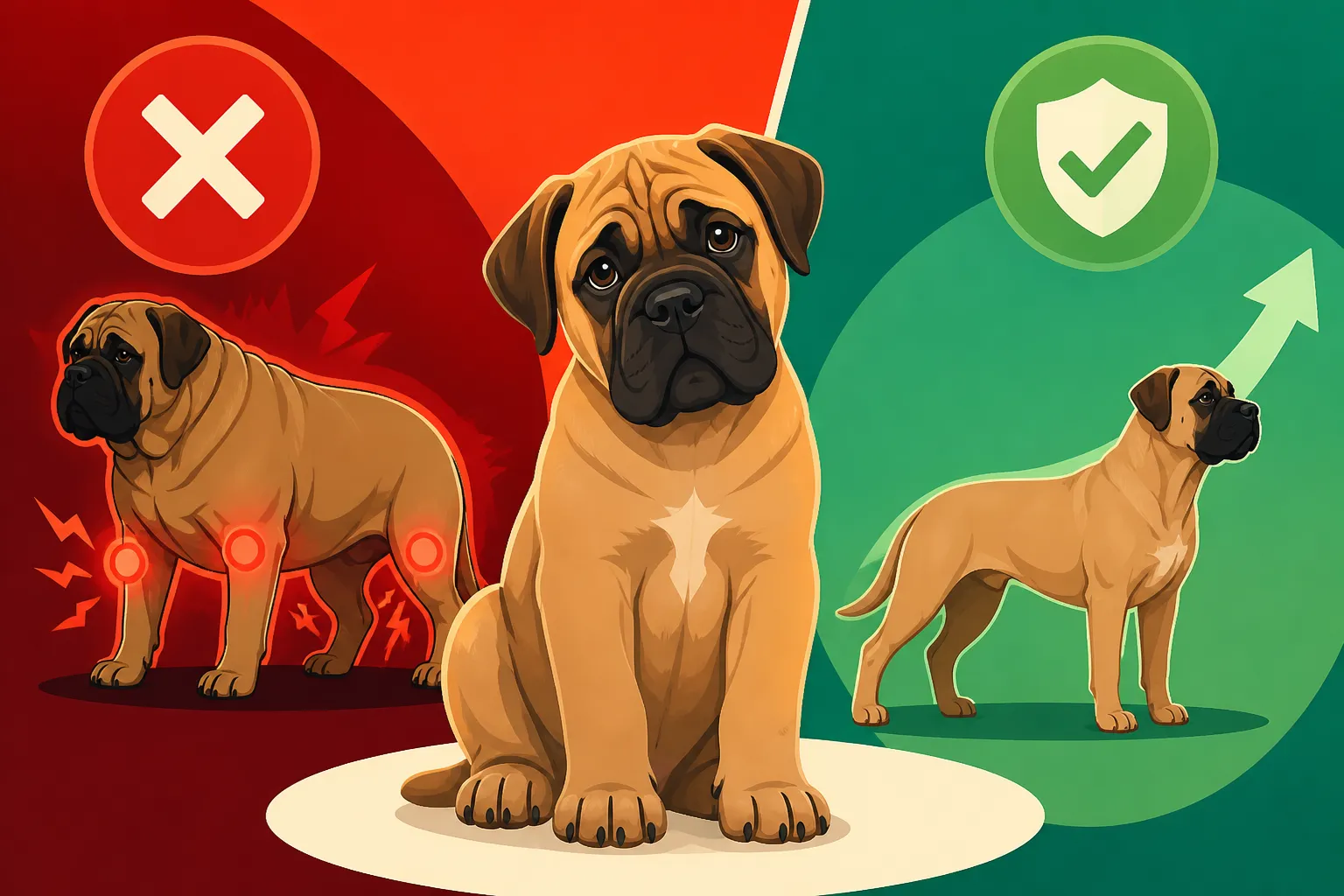
Why a Bullmastiff Puppy Should Not Grow Fast
It's completely natural to watch your Bullmastiff puppy grow, eager for them to fill out into that magnificent, protective guardian you envision. We all want our pups to be big and strong, and fast! But here's the tough truth: pushing a Bullmastiff puppy to grow too quickly can actually set them up for a lifetime of pain and serious health issues. This guide isn't about slowing down growth unnecessarily, but about managing it wisely to protect their fragile developing bodies. We'll explore why a steady, controlled growth rate is essential and how you can ensure your big pup matures into a healthy, robust adult.
The Hidden Dangers of Rapid Growth in Giant Breeds
When you have a breed like a Bullmastiff, whose adult weight can easily exceed 100 pounds, it's easy to get caught up in the idea that bigger is always better, and faster growth means a stronger dog. However, this couldn't be further from the truth. For giant breeds, rapid growth is a silent enemy, often laying the groundwork for severe and debilitating orthopedic conditions that can emerge during puppyhood or haunt them throughout their adult lives. Their immense size is already a challenge for their skeletal system, and accelerating that process only compounds the risk.
When Growth Outpaces Bone Development
Think of a skyscraper being built. If the construction workers tried to put up all the floors before the foundation was properly set and cured, the entire structure would be unstable and prone to collapse. The same principle applies to a growing Bullmastiff puppy. Their bodies are designed to gain a significant amount of weight, but their bones, joints, and cartilage need time to mature and solidify to support that future bulk. When a puppy grows too fast, their soft, developing bone plates, cartilage, and ligaments simply cannot keep up with the rapid increase in body mass.
This mismatch creates undue stress on these immature structures. The cartilage might not develop correctly, the bone ends might not fit together as smoothly as they should, and the surrounding tissues can be strained. It's a recipe for instability, inflammation, and abnormal development. We often see well-meaning owners who believe more food or higher protein food will build a 'bigger, stronger' pup, but for Bullmastiffs, this often backfires dramatically, pushing their delicate systems past their limits.
The Direct Link to Orthopedic Issues
The most heartbreaking consequence of overly rapid growth in Bullmastiff puppies is the increased risk of orthopedic diseases. Conditions like Hip Dysplasia in a Bullmastiff and Elbow Dysplasia in a Bullmastiff are not just genetic; they are often exacerbated, or even brought on, by environmental factors during crucial growth periods, with nutrition and growth rate being paramount.
When a puppy gains weight too quickly, the soft bone and cartilage in their joints are subjected to forces they're not yet equipped to handle. In hip dysplasia, for instance, the head of the thigh bone doesn't fit snugly into the hip socket, leading to looseness, wear, and eventually painful arthritis. Similarly, elbow dysplasia encompasses a range of abnormalities that cause chronic pain and lameness. These are not minor ailments; they can significantly impact a Bullmastiff's quality of life, leading to chronic pain, reduced mobility, and expensive, often lifelong, medical management or surgery. Preventing these issues starts with understanding that slow and steady wins the race when it comes to growth.
Nutritional Strategies for Controlled Growth
Given the critical role of nutrition in a Bullmastiff puppy's development, it's essential to get their diet right from day one. This isn't just about feeding them enough, but about feeding them the right kind of food in the right amounts to encourage a slow, steady growth curve. Many owners fall into the trap of feeding a high-calorie, high-protein food designed for smaller, faster-metabolizing breeds, or simply overfeeding, without realizing the long-term damage they could be doing.
Choosing the Right Food: Large Breed Specific Formulas
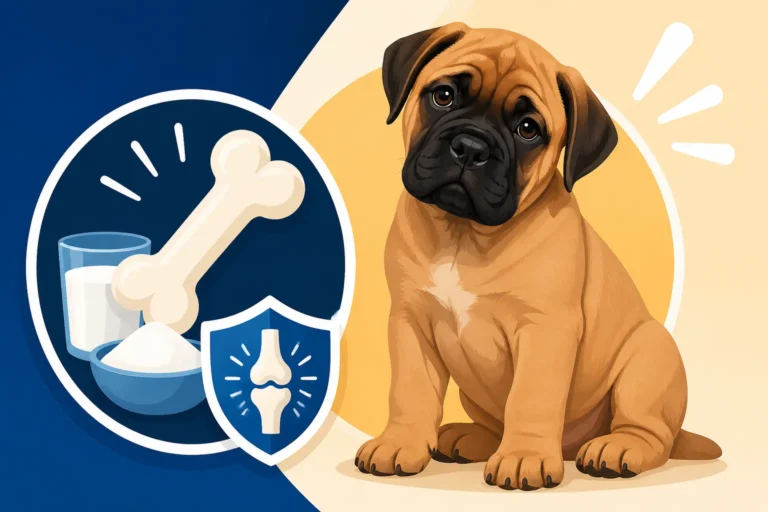
The cornerstone of controlled growth for a Bullmastiff puppy is a high-quality large breed puppy food. These aren't just marketing ploys; they are scientifically formulated to meet the unique needs of giant breeds during their extended growth phase. The key differences lie in their precise calcium-to-phosphorus ratio and their controlled calorie and fat content.
Unlike standard puppy foods, which are often rich in calories and calcium to support the rapid growth of smaller breeds, large breed puppy formulas typically have lower energy densities and carefully balanced mineral levels. Too much calcium, in particular, can interfere with proper bone development in large breed puppies, leading to skeletal abnormalities. Look for brands that explicitly state they are for "large breed puppies" or "giant breed puppies." Many reputable pet food manufacturers offer such lines, and you can often find them on platforms like Chewy or specialty pet stores. While some newer diets, like those offered by Ollie, focus on fresh ingredients, always ensure they are nutritionally balanced and specifically formulated for large breed puppy growth, as generic fresh diets might not have the critical mineral balance needed. Remember, the goal isn't to restrict nutrients, but to provide them in a way that supports steady, healthy growth, not accelerated bulking up. Why a Bullmastiff Puppy Needs Large Breed Food delves deeper into these specific requirements.
Portion Control and Feeding Schedules
Even with the best large breed puppy food, portion control is paramount. Free-feeding a Bullmastiff puppy, or simply filling their bowl whenever it's empty, is a surefire way to encourage over-rapid weight gain. Always follow the feeding guidelines on your chosen food bag, but be prepared to adjust based on your puppy's individual needs and activity level. These guidelines are a starting point, not an absolute rule.
It's helpful to feed your Bullmastiff puppy two to three times a day, dividing their daily allowance into separate meals. This not only aids digestion but also helps prevent them from gorging themselves and gaining weight too quickly. Regularly assess your puppy's body condition – you should be able to feel their ribs easily without seeing them, and they should have a discernible waist when viewed from above. If they're looking too plump, reduce their portion size slightly, and if they're too thin, increase it. Consistency is key.
Here's a quick guide to what you should be looking for in terms of body condition:
| Indicator | Healthy Lean Puppy | Overweight/Fast-Growing Puppy |
|---|---|---|
| Ribs | Easily palpable, like the back of your hand. | Hard to feel without pressing firmly. |
| Waistline | Clearly visible tuck-up behind the ribs from above. | Straight or bulging line from above, no visible tuck. |
| Abdominal Tuck | Definite upward curve from chest to hind legs. | Sagging belly or little to no tuck-up. |
| Energy Level | Playful, but knows when to rest. | Might seem sluggish or reluctant to play sometimes. |
| Weight Gain | Steady, consistent increase over weeks/months. | Spikes in weight, noticeably rounder appearance quickly. |
Remember, a slightly lean puppy is a healthy puppy, especially for a large breed. Never hesitate to discuss your puppy's ideal weight and feeding plan with your veterinarian. They can offer tailored advice to help you manage their growth effectively.
Exercise and Lifestyle for Healthy Development
While diet is a huge piece of the puzzle, how your Bullmastiff puppy moves and plays also significantly impacts their skeletal development. There's a common misconception that big dogs need lots of intense exercise from a young age to 'tire them out' or 'build muscle.' For a Bullmastiff puppy, this approach can be incredibly damaging to their growing joints.
Gentle Exercise Over Strenuous Activity
During puppyhood, a Bullmastiff's bones, joints, and growth plates are still soft and vulnerable. High-impact activities like jumping, long runs on hard surfaces, excessive stair climbing, or strenuous, forced exercise (like keeping up with you on a bike or long jogs) can cause microtraumas and long-term damage. These activities put immense pressure on their developing joints, increasing the risk of orthopedic issues.
Instead, focus on gentle, self-directed play and short, frequent walks on soft surfaces. A romp in the grass in your backyard, a casual stroll around the block, or controlled play sessions with a similarly sized, calm puppy are far more beneficial. Let your puppy dictate the pace and duration of play; if they lie down or seem tired, it's time to rest. Avoiding over-exercise is crucial, particularly when they are still rapidly growing. You can read more about what is appropriate in The Exercise Limit for a Bullmastiff Puppy and Why a Bullmastiff Puppy Should Not Run on Concrete. Their massive size means their body absorbs a lot of force with every step, and those repetitive impacts add up quickly.
Maintaining a Lean Body Condition
Beyond avoiding strenuous exercise, maintaining a lean body condition goes hand-in-hand with controlled growth and joint health. Every extra pound on a growing Bullmastiff puppy puts additional strain on their developing bones, joints, and ligaments. Even a slightly overweight puppy is at a significantly higher risk for developing or worsening conditions like hip and elbow dysplasia.
You should be able to easily feel your Bullmastiff's ribs, and they should have a visible waist when viewed from above, even as a puppy. This doesn't mean they should be skinny or starved; it means they should be lean and athletic. Regularly checking their weight and body condition is far more important than achieving a certain 'look' or bulk at a young age. A puppy that is kept lean will experience less stress on their growth plates and joints, allowing them to mature properly. This lean approach is so vital, we often highlight it in discussions about Keeping a Bullmastiff Lean Is the Best Thing You Can Do for their overall lifespan. Remember, healthy doesn't mean chunky when it comes to a Bullmastiff puppy.
Monitoring Your Bullmastiff Puppy's Growth
Being proactive in monitoring your Bullmastiff puppy's growth is one of the most loving things you can do for them. It allows you to catch any potential issues early and make necessary adjustments to their diet or exercise routine. Don't rely solely on visual assessment; objective measurements and professional input are indispensable.
Regular Vet Check-ups and Weight Monitoring
Your veterinarian is your best partner in ensuring your Bullmastiff puppy is growing at a healthy pace. Regular check-ups allow the vet to assess their overall development, discuss their diet, and perform physical examinations to check for any signs of joint laxity or discomfort. They can also provide guidance on ideal weight ranges for their age and size.
Beyond vet visits, a good habit to get into is regular at-home weight monitoring. Weighing a Bullmastiff Puppy Every Week can be incredibly insightful. You can do this easily with a large scale – some owners find bathroom scales work fine, while others invest in a dedicated pet scale, perhaps purchased from Amazon. Tracking their weight allows you to see trends and notice if there's a sudden, rapid increase that might signal you're feeding too much or if their diet needs adjustment. It's a simple tool that provides valuable data for making informed decisions about their care.
Recognizing Signs of Over-Rapid Growth or Issues
Even with the best intentions, sometimes a puppy might still show signs that their growth is too fast or that they are developing joint issues. It's crucial to be vigilant and know what to look for. Early intervention can make a significant difference in managing these conditions.
Look out for any changes in gait, such as limping, stiffness, or an unusual bunny-hopping motion when they run. Pay attention if your puppy seems reluctant to play, climb stairs, or jump onto furniture (though jumping should be discouraged anyway). Swelling around joints, or even just general lethargy or changes in appetite, can sometimes be subtle indicators. If you notice any of these signs, contact your veterinarian immediately. It’s always better to be overly cautious when it comes to your Bullmastiff’s skeletal health. Understanding Signs a Bullmastiff Puppy Is Not Thriving includes being attuned to these subtle cues that their body might be under stress.
By embracing a philosophy of slow and steady growth, you're investing in your Bullmastiff's long-term health and happiness. It might feel counterintuitive to not push for maximum size, but for this magnificent breed, it's the kindest and most responsible path you can take.
Disclaimer
This article is for general informational purposes only and does not constitute professional advice. Laws, prices and regulations vary by location and change over time. Consult a qualified professional for guidance on your specific situation.