Whether a Bullmastiff Should Sleep on a Hard Floor
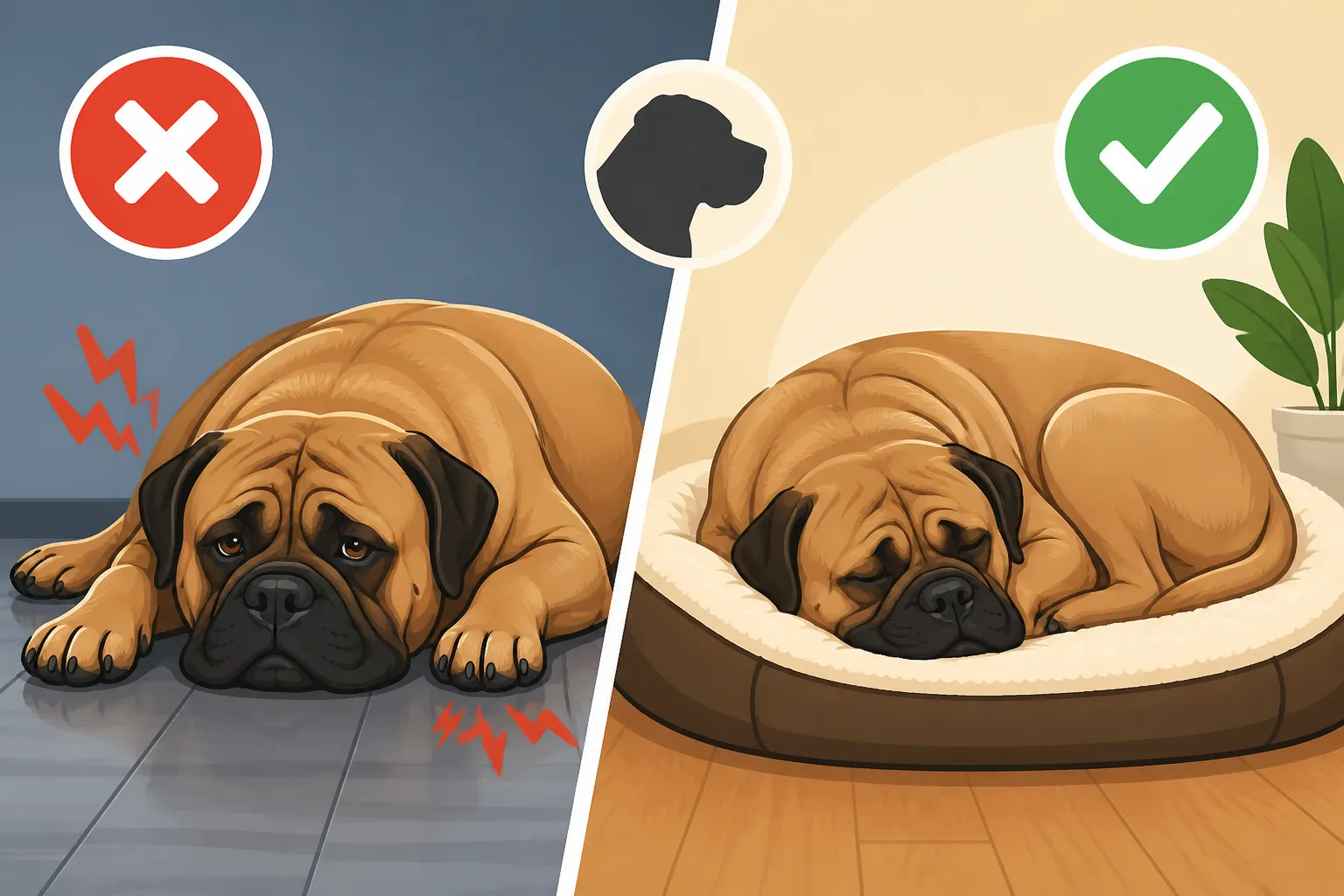
It's a common sight in many homes: a big, beautiful Bullmastiff sprawled out on a cool tile or hardwood floor, seemingly content. Owners often assume if their dog chooses that spot, it must be comfortable. But as a Bullmastiff owner, I can tell you that what looks like contentment can often mask underlying issues and lead to problems down the road. This guide will delve into why those hard surfaces aren't ideal for your large companion and what you can do to provide truly supportive rest.
The Truth About Hard Floors and Your Bullmastiff's Comfort
While your Bullmastiff might seek out a cool, hard surface on a hot day, relying on these floors for everyday rest can have long-term consequences, especially for a breed as substantial as ours. Imagine trying to get a good night's sleep on a concrete slab every single night; it's just not practical or healthy for our bodies, and the same goes for our massive canine companions. Their weight, coupled with their genetic predispositions, means we need to be extra vigilant about providing proper support.
The Impact on Sensitive Joints
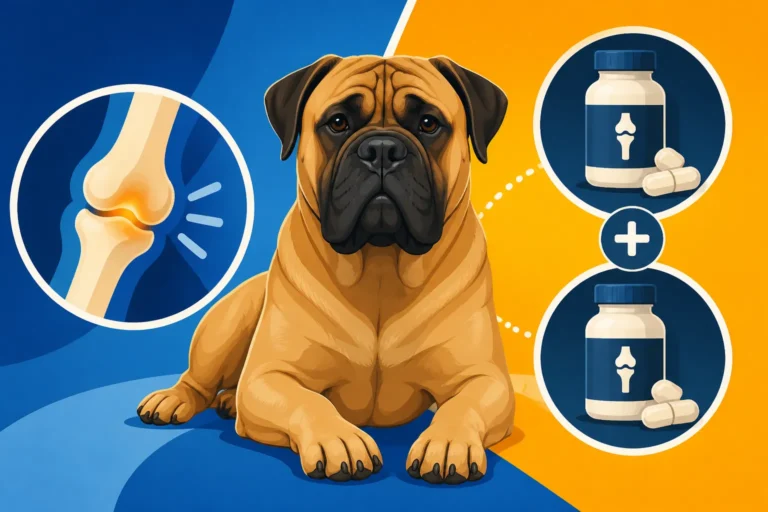
Bullmastiffs are majestic giants, weighing in at well over a hundred pounds for many males, and often over ninety for females. This sheer size puts immense pressure on their joints every single day. Breeds like ours are unfortunately prone to orthopedic issues such as hip and elbow dysplasia, which can be exacerbated by constant pressure on unforgiving surfaces. When your Bullmastiff lies on a hard floor, there's no give, no cushioning. All that weight is concentrated on their bony prominences – their hips, elbows, shoulders, and even their spine.
Think about it: when you sleep on a bed, your mattress conforms slightly to your body, distributing your weight evenly. A hard floor offers no such luxury. Over time, this constant pressure can lead to inflammation in the joints, wear down cartilage, and intensify any existing discomfort from conditions like arthritis, which can start showing up in Bullmastiffs as early as six or seven years old. Even in younger, seemingly healthy dogs, this relentless impact can contribute to the development or worsening of joint problems. You might not see them limping or crying out, because Bullmastiffs are incredibly stoic, but that doesn't mean they aren't feeling it. Understanding Hips and Elbows Under a Hundred and Thirty Pound Bullmastiff is crucial for any owner.
The Risk of Unsightly and Painful Calluses
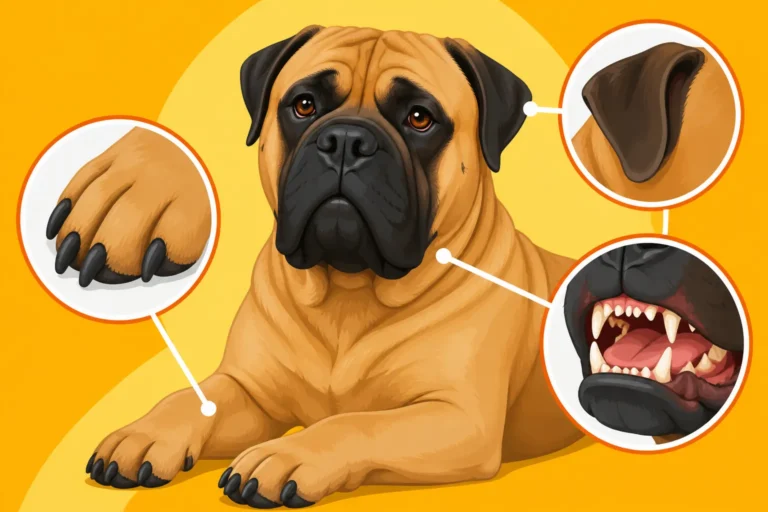
One of the most visible signs that a hard floor isn't ideal for your Bullmastiff is the development of pressure calluses, particularly on their elbows and hocks (the joint on their back leg). These aren't just cosmetic issues; they can become quite serious. When your Bullmastiff repeatedly puts pressure on these bony points against a hard surface, the skin thickens as a protective mechanism. Initially, it might just be a rough patch, but these areas can become dry, cracked, and even bleed.
What starts as a simple callus can quickly escalate. The skin can become infected if bacteria enter through cracks, leading to pain, swelling, and a trip to the vet. Imagine having a permanent, sore knot on your elbow that constantly rubs against hard surfaces. It's uncomfortable, to say the least. Left untreated, these calluses can form hygromas, which are fluid-filled sacs that develop over a bony prominence due to trauma or repeated pressure. These are even more uncomfortable and often require veterinary intervention, sometimes even drainage or surgery. Prevention, by providing soft bedding, is far easier and kinder than trying to How to Treat a Bullmastiff's Elbow Callus after it's developed.
Why Your Bullmastiff Seems Okay on a Hard Floor
It's natural to think, "Well, my Bullmastiff chooses to sleep there, so it must be fine!" I hear this all the time. But there's more to it than meets the eye when you're dealing with a giant breed like ours. Their instincts and physiology often lead them to choices that aren't necessarily the best for their long-term health, and it's our job as responsible owners to understand these nuances.
The Bullmastiff's Stoic Nature
Bullmastiffs are renowned for their calm, courageous, and, yes, incredibly stoic nature. They were historically bred to be fearless gamekeeper's companions, capable of apprehending poachers without complaint. This inherent stoicism means they are not generally whiners or complainers. They rarely vocalize discomfort or pain unless it's truly severe. A Bullmastiff can be in significant joint pain or have a sore callus and still lie quietly on a hard floor, simply enduring it.
This can be incredibly misleading for owners. You might interpret their silence as comfort, when in reality, they're just not showing you their pain in an obvious way. It’s part of their magnificent, tough-dog persona, but it means we need to be proactive in anticipating and preventing their discomfort, rather than waiting for them to tell us something is wrong. Knowing How a Bullmastiff Hides Pain is a critical insight for any owner, as it means you often need to look for subtle cues rather than overt signals. They won't always cry out, but a reluctance to rise, stiffness after rest, or even a change in their usual movement patterns can be indicators of underlying issues that hard floors might be contributing to.
The Illusion of Cooling Comfort
Another reason Bullmastiffs often seek out hard floors, especially in warmer climates or during hot spells, is for the cooling effect. They have dense coats and are prone to overheating due to their brachycephalic (short-muzzled) structure. A cool tile or concrete floor can feel like a godsend when they're feeling a bit warm. So, yes, there’s an element of seeking temperature regulation involved.
However, this short-term cooling benefit doesn't outweigh the long-term orthopedic risks. It's a trade-off that ultimately costs them comfort and joint health. Imagine choosing to sleep on a cold, hard pavement in the middle of summer just to cool down, even if you know it will make your back ache in the morning. For a Bullmastiff, that cool spot provides immediate relief, but it doesn't offer the crucial support their heavy bodies need. There are far better ways to keep your Bullmastiff cool, like providing access to air conditioning, frozen treats, or even a specialized cooling mat on a supportive bed, rather than letting them endure the constant pressure of a hard surface. During summer, it's particularly important to monitor them, as Why Eighty Degrees Is Dangerous for a Bullmastiff highlights.
Providing the Best Sleeping Surface for Your Big Dog
Okay, so we've established that hard floors are a no-go for our Bullmastiffs. Now, let's talk solutions! Providing the right kind of bed isn't just a luxury; it's a fundamental part of their care, impacting everything from their joint health to their overall quality of life. Think of it as an investment in their comfort and longevity.
The Essential Qualities of a Good Bullmastiff Bed
Choosing the right bed for a Bullmastiff isn't like picking one out for a Chihuahua. Size, support, and durability are paramount. You're looking for something that can withstand a lot of weight and provide consistent cushioning.
First and foremost, orthopedic support is non-negotiable. This means looking for beds with high-density memory foam or a similar supportive material. Cheap, fluffy beds that flatten out after a few uses are a waste of money and offer no real benefit. The foam should be thick enough to prevent your Bullmastiff's body from sinking straight through to the floor, distributing their weight evenly and cradling their joints. Many companies, including those you find on Chewy or Amazon, offer excellent orthopedic options specifically designed for large and giant breeds. These beds often use medical-grade foam, which makes a huge difference.
Secondly, size matters. Your Bullmastiff needs to be able to stretch out completely in any position without parts of their body hanging off the edge. Measure your dog from nose to tail while they're fully extended, and then add a few inches for good measure. A bed that's too small will force them into awkward positions, negating the benefits of the orthopedic material. Some brands like Ollie, known for their premium pet products, might offer larger, more robust options that fit the bill.
Thirdly, durability and ease of cleaning are huge factors. Bullmastiffs are big dogs, and they can be messy. Drool, dirt, and occasional accidents are part of the package. Look for beds with removable, machine-washable covers made from tough, chew-resistant fabrics. Investing in a higher quality bed now can save you money (and headaches) in the long run.
Here’s a quick comparison of bed types and their suitability for a Bullmastiff:
| Bed Type | Suitability for Bullmastiff | Pros | Cons |
|---|---|---|---|
| Orthopedic Memory Foam | Excellent | Superior joint support, durable, retains shape, good for older dogs. | Higher initial cost. |
| Elevated/Cot Beds | Good | Provides airflow for cooling, keeps off cold floors, easy to clean. | Less plush cushioning, some designs can sag over time. |
| Pillow/Fiber-Filled | Poor | Inexpensive, soft initially. | Flattens quickly, offers minimal joint support, not durable. |
| Nest/Bolster Beds | Good (if orthopedic) | Bolsters provide a sense of security and headrest. | Can be too small for full stretch if not explicitly large breed sized. |
Considering What an Orthopedic Bed for a Bullmastiff Costs might seem daunting, but it's an investment in their health that pays dividends.
Placement and Maintenance for Optimal Comfort
Once you've found the perfect bed, where you put it and how you maintain it are just as important. Your Bullmastiff thrives on being part of the family, so placing their bed in a central area where they can observe the household goings-on is ideal. This might be in the living room, near your desk, or next to your bed at night. They want to be near you, not banished to a lonely corner.
Think about temperature when placing the bed. While a hard floor offers temporary cooling, a well-placed orthopedic bed can be comfortable year-round. Avoid direct drafts in winter or direct sunlight in summer. If your Bullmastiff still seeks out the cold floor on particularly warm days, consider a cooling mat placed on their orthopedic bed. This provides the best of both worlds: cooling relief without sacrificing joint support. Remember that Whether a Bullmastiff Needs Air Conditioning is often a yes, especially for continuous comfort.
Regular cleaning of the bed cover is essential to keep it hygienic and fresh. A clean bed prevents skin irritations and odors. For the inner foam, spot cleaning with a pet-safe cleaner and ensuring it's completely dry before re-covering will help prolong its life. Just like your own mattress, a dog's bed can accumulate dust mites and allergens, so a good routine is key.
Addressing Floor Slippage and Traction
It's not just about what they sleep on; it's also about what they walk on. Hardwood, tile, or laminate floors can be incredibly slippery for a heavy dog like a Bullmastiff, especially as they age or if they have existing joint issues. The lack of traction forces them to splay their legs, straining their hips and back, and increases the risk of falls and injuries. This is a common concern as you start Caring for an Aging Bullmastiff.
To combat this, strategically placed rugs or runners are your best friends. They provide essential traction for your Bullmastiff to move confidently around the house. Look for rugs with non-slip backings, or use rug pads underneath to prevent them from sliding around. High-traffic areas, pathways to their food and water bowls, and spots where they frequently get up and lie down are prime candidates for rug placement. This simple change can make a huge difference in their mobility and comfort, protecting their joints from unnecessary strain and preventing painful slips. Whether Rugs Help a Bullmastiff on Hardwood is a resounding yes for this very reason. It helps them maintain their balance and reduces the impact on their joints, making everyday movements less of a struggle.
By prioritizing supportive bedding and addressing potential hazards like slippery floors, you're doing a tremendous service to your Bullmastiff's long-term health and comfort. It's a small change that yields big benefits for these magnificent, yet sensitive, giants.
Disclaimer
This article is for general informational purposes only and does not constitute professional advice. Laws, prices and regulations vary by location and change over time. Consult a qualified professional for guidance on your specific situation.