Whether a Bullmastiff’s Dewclaws Need Attention
It's easy to overlook something as seemingly minor as a dewclaw on a big, majestic Bullmastiff. For many of us, these little digits on the inner side of their legs are an afterthought, if we even notice them at all, until one snags or starts to grow into the paw pad. This guide will help you understand what dewclaws are, why your Bullmastiff has them, and most importantly, how to care for them to prevent painful problems.
Understanding Your Bullmastiff's Dewclaws: More Than Just a Vestigial Digit
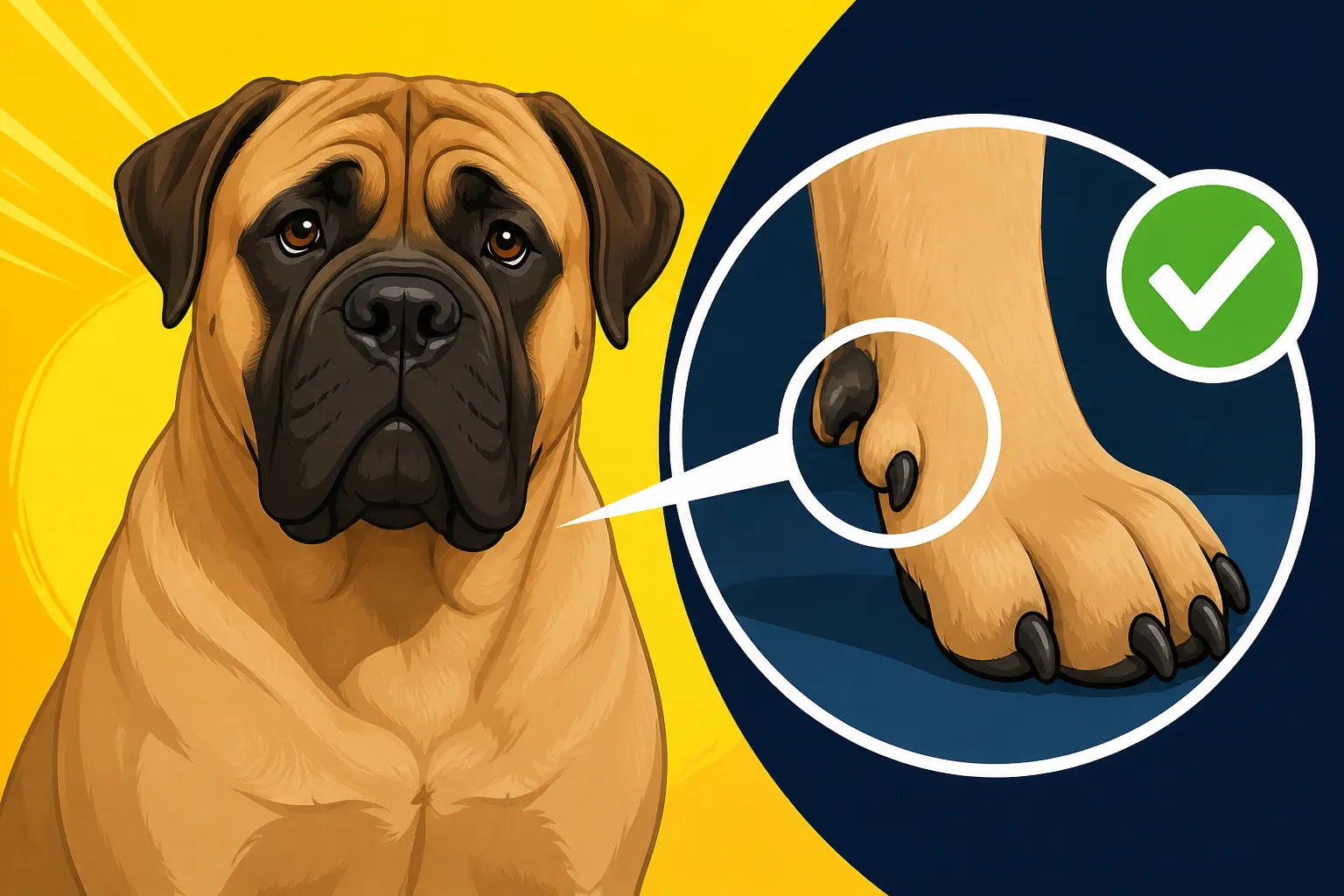
When you look at your Bullmastiff's paws, you might spot a digit that sits a little higher up on the leg, not quite touching the ground. That's a dewclaw. They can sometimes seem a bit like an evolutionary leftover, a thumb that never quite made it to full functionality in the canine world. However, for a powerful, athletic dog like a Bullmastiff, these aren't always just decorative.
The Anatomy and Purpose of Dewclaws
Dewclaws are essentially a fifth toe, analogous to our thumbs or big toes. On the front legs, almost all dogs, including Bullmastiffs, are born with them. These front dewclaws actually have a purpose. When your Bullmastiff runs or turns sharply, especially on uneven terrain or during strenuous activity, those front dewclaws can make contact with the ground. They provide extra traction and stability, much like a climber uses their thumbs to grip. Think about your Bullmastiff trying to make a quick pivot during a playful chase; those front dewclaws can help stabilize the wrist joint, preventing扭伤 and injuries. They also play a role in grasping objects, though you might not often see your Bullmastiff using them in this way.
Rear dewclaws are a different story. Not all dogs have them, and when they do, they are often loosely attached, sometimes only by skin, rather than being connected by bone. These are often referred to as "vestigial" because they serve little to no functional purpose. Some breeds are even known for having "double dewclaws" on their rear legs. Bullmastiffs typically don't have rear dewclaws unless it's an anomaly or a crossbreed, and if present, they are usually removed shortly after birth by breeders to prevent future problems. The reason for this early removal is simple: a loosely attached rear dewclaw is far more prone to snagging, tearing, or getting caught, leading to painful injuries for your giant companion.
Why Some Are Removed and Others Are Not
The decision to remove dewclaws is a topic that often sparks debate among dog owners and breeders. For front dewclaws, the consensus among many veterinarians and breed enthusiasts is that they should generally be left intact, especially in active breeds like the Bullmastiff. Their role in stability and traction is considered valuable, and removing them can actually increase the risk of wrist injuries for your dog in some cases. The argument for keeping them is strong; if they serve a purpose, why remove them unless absolutely necessary due to repeated injury or medical reasons?
Rear dewclaws, on the other hand, are a different matter. Because they often lack bony attachment and are more likely to snag and tear, many breeders choose to have them removed by a vet when puppies are just a few days old. At this young age, the procedure is quick, relatively painless, and the puppies recover rapidly. If a Bullmastiff puppy comes home with rear dewclaws, a conversation with your vet about their potential for injury is a good idea. Sometimes, if they are firmly attached and don't pose an immediate risk, a vet might advise leaving them, but often, the risk-benefit analysis leans towards removal for those loosely attached rear dewclaws. It's about preventing a lifetime of potential discomfort and veterinary visits.
The Nitty-Gritty of Dewclaw Care for Your Bullmastiff
Caring for your Bullmastiff's dewclaws is much like caring for their other nails, but with a few unique considerations. Because they don't typically make contact with the ground during regular walking, they don't get worn down naturally. This means they are prone to growing excessively long and curling around, potentially growing into the paw pad. This can be incredibly painful and lead to serious infections.
Regular Trimming is Non-Negotiable
This is perhaps the most critical aspect of dewclaw care. Your Bullmastiff's dewclaws need to be trimmed regularly, often more frequently than their other nails. While their other nails might get some natural abrasion from walking on pavement, dewclaws rarely do. If left untrimmed, they'll just keep growing, eventually curling into a tight spiral. Imagine having a nail growing into your own skin – that's the kind of discomfort we want to avoid for our big, lovable dogs. I find that checking them weekly and trimming them every 2-3 weeks, even if it's just a tiny snip, keeps them in good shape.
You'll need a good quality, heavy-duty nail clipper designed for large dogs, or a grinder. Trying to use small clippers on a Bullmastiff's thick nails is a recipe for frustration and potential injury. Many owners find a Dremel-style nail grinder to be much easier for dewclaws, as it allows for more control and a slower, less stressful process. Remember to go slowly, taking off only a small amount at a time, especially if your Bullmastiff is not fond of nail trims. You certainly don't want to "quick" them, which means cutting into the sensitive blood vessel and nerve that runs through the nail. A positive association with treats and praise, perhaps while they're relaxed after a walk or When a Bullmastiff Finally Settles Down, can make all the difference. Teaching a Bullmastiff to Have Its Feet Handled early on is invaluable for this task.
| Dewclaw Type | Location | Bony Attachment | Function | Care Needs | Removal Common? |
|---|---|---|---|---|---|
| Front | Higher up on inner front legs | Strong | Provides traction, stabilizes wrist | Regular trimming essential | Rarely, unless injured |
| Rear | Higher up on inner rear legs | Often loose (skin only) | Little to none (vestigial) | Regular trimming essential | Often, especially if loose |
Tools and Techniques for a Smooth Trim
Choosing the right tools is paramount. For clippers, popular choices include scissor-style clippers or guillotine-style clippers. Many large breed owners prefer the scissor-style for thick nails, finding them more robust. Brands like Resco or Millers Forge make durable clippers that can handle a Bullmastiff's substantial nails. For grinders, a cordless Dremel with a safety guard is a fantastic investment. You can find these at pet supply stores or online retailers like Chewy or Amazon. The key is to introduce the grinder slowly, letting your Bullmastiff get used to the sound and vibration before you even touch their paw.
When trimming, hold the paw firmly but gently. Isolate the dewclaw, pushing back any fur that might get in the way. For clippers, make a clean, swift cut. If using a grinder, touch the tip of the nail to the grinding stone for a few seconds, then lift, check, and repeat. This prevents the nail from getting too hot and allows you to gradually shorten it. Always have styptic powder on hand, just in case you accidentally quick them. It happens to the best of us, and a little powder can stop the bleeding quickly. Don't forget generous praise and high-value treats to make it a positive experience every time. Consistency is key, and integrating nail care into a regular grooming routine, perhaps after How Often a Bullmastiff Needs Brushing, makes it less of a struggle.
When Dewclaws Become a Problem: Signs and Solutions
Even with the best intentions and diligent care, problems can sometimes arise with dewclaws. Because of their position and lack of ground contact, they are susceptible to a few specific issues that can cause significant pain and require veterinary attention. Recognizing these signs early is crucial for your Bullmastiff's comfort and well-being.
Common Dewclaw Injuries and Infections
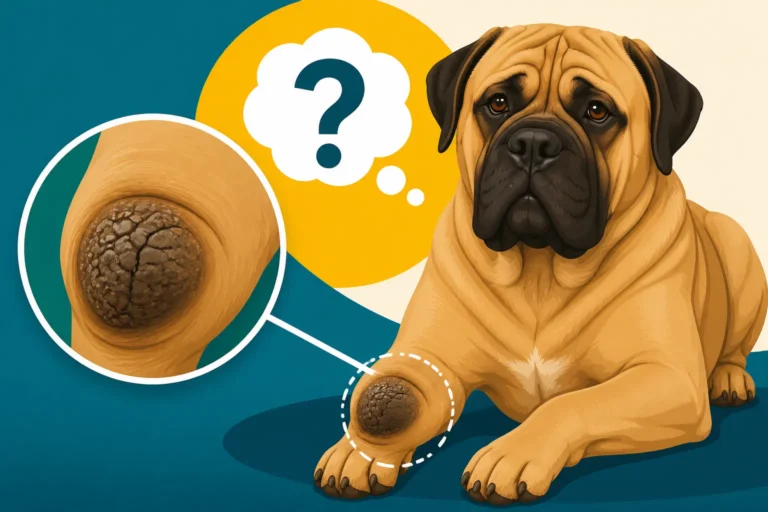
The most common issue with neglected dewclaws is overgrowth, leading to the nail curving around and digging into the paw pad. This creates a painful wound that can quickly become infected. You might notice your Bullmastiff limping, licking at their paw incessantly, or even showing reluctance to walk. The area might be red, swollen, or warm to the touch, and there could be pus or an unpleasant odor. An embedded dewclaw isn't just uncomfortable; it's an open invitation for bacteria.
Another common problem, especially with loosely attached rear dewclaws or when a front dewclaw snags something, is tearing or avulsion. Your Bullmastiff might be running through tall grass, playing rough, or catch the dewclaw on a piece of furniture, ripping it partially or completely off. This is usually very painful, bleeding profusely, and requires immediate attention. A partially torn dewclaw can dangle, causing constant irritation and a high risk of infection. While Bullmastiffs are tough and can How a Bullmastiff Hides Pain sometimes, a dewclaw injury is often hard for them to conceal.
When to Consult Your Veterinarian
If you suspect any issue with your Bullmastiff's dewclaws, it's always best to err on the side of caution and consult your veterinarian. For an embedded nail, your vet can safely remove the embedded portion, clean the wound, and prescribe antibiotics if an infection is present. They can also show you the proper trimming technique to prevent recurrence. This is especially important if your Bullmastiff is resistant to nail trims; a vet or experienced groomer might be able to do it safely under mild sedation if necessary.
For torn or avulsed dewclaws, immediate veterinary attention is essential. The vet will assess the injury, clean the wound thoroughly, and determine if sutures are needed. They will likely bandage the paw and prescribe pain medication and antibiotics to prevent infection. In some cases, if a dewclaw is repeatedly injured or causing persistent problems, your vet might recommend surgical removal. This is a more involved procedure than puppy dewclaw removal, often requiring general anesthesia, but it can be the best long-term solution for a dog plagued by chronic dewclaw issues. Your vet will weigh the pros and cons, considering your Bullmastiff's overall health and lifestyle, and provide guidance on postsurgical care, which might include specific recommendations for What a Bullmastiff's Medication Costs by Weight or restricted activity. Taking care of these small but mighty details can make a big difference in your Bullmastiff's comfort and How Long a Bullmastiff Lives on Average.
Disclaimer
This article is for general informational purposes only and does not constitute professional advice. Laws, prices and regulations vary by location and change over time. Consult a qualified professional for guidance on your specific situation.