Whether an Aging Bullmastiff Should Still Be Walked
It's heartbreaking, isn't it? You look at your beloved Bullmastiff, the same dog who once pulled you down the street with enthusiastic gusto, and now they hesitate at the door, move a little slower, or struggle to get up after a nap. The question naturally arises: should my aging Bullmastiff still be walked, or am I just causing them discomfort? This isn't just about physical exertion; it's about navigating the emotional landscape of watching your giant companion slow down, trying to balance their need for activity with their increasing aches and pains.
This guide is here to walk you through exactly that dilemma. We'll explore why continued, adapted movement is vital for your senior Bullmastiff, how to safely modify their walks, and what essential tools and care can make all the difference in keeping them comfortable, engaged, and happy for as long as possible.
The Inevitable Slow Down: Understanding Your Senior Bullmastiff's Changing Needs
Watching your Bullmastiff transition into their golden years is a bittersweet experience. They might still have that puppy gleam in their eye, but their body tells a different story. It’s important to understand these changes so you can be their best advocate.
Recognizing the Signs of Aging and Discomfort
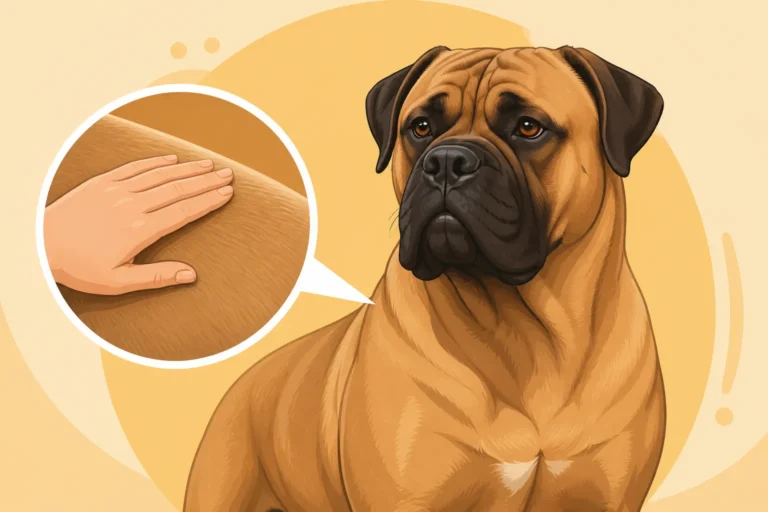
Bullmastiffs, like many large breeds, tend to be incredibly stoic. They were bred for a job that required quiet determination, and that trait often extends to how they handle pain. They won't always cry out or limp dramatically, at least not at first. Instead, you might notice subtle shifts in their behavior or routine. They might take longer to rise from a lying position, or seem stiff when they first get moving, especially in the morning or after a long rest. Their once eager trot might become a slower, more deliberate shuffle, and they might lag behind on walks where they once led. You might notice they choose softer places to lie down more often, or they might seem less enthusiastic about jumping into the car for an outing.
These quiet signals are your Bullmastiff's way of telling you that things are changing. It's not a sign that they're giving up, but rather that their body isn't quite what it used to be. Ignoring these signs can lead to worsening discomfort, so paying close attention to these subtle cues is paramount. Remember, How a Bullmastiff Hides Pain can be profound, making it easy to miss early signs of distress. It's often up to us, their devoted companions, to read between the lines and notice the small adjustments they make. They might avoid certain movements, struggle with stairs they once bounded up, or even develop a different way of sitting or standing to alleviate pressure on sore joints.
Why Continued Movement is Crucial, Even for Seniors
It might seem counterintuitive to keep walking a dog that appears to be in discomfort, but completely stopping physical activity can often do more harm than good. Think about it: if you stopped moving entirely, your own muscles would weaken, and your joints would become stiffer. The same applies to your Bullmastiff. Regular, appropriate exercise helps maintain muscle mass, which in turn supports their joints and reduces the strain on aging bones. Without that muscle, their joints become even more vulnerable, leading to a vicious cycle of pain and inactivity. This is especially true as Why an Aging Bullmastiff Loses Muscle becomes a natural part of the aging process, making regular, gentle exercise essential to combat this decline.
Movement also plays a vital role in joint health by stimulating the production of synovial fluid, which lubricates the joints and helps keep them supple. Furthermore, walks aren't just about physical health; they're incredibly important for mental well-being. The sights, sounds, and smells of the neighborhood provide crucial mental stimulation, keeping your senior Bullmastiff's mind engaged and preventing boredom or depression. The routine itself can be comforting, offering a sense of normalcy and purpose. Even if the walks are much shorter and slower, the opportunity to sniff new smells and explore a bit of the world outside your home can do wonders for their spirit. It helps them feel like an active part of the family, rather than being sidelined by age.
Adapting the Walk: Practical Strategies for Senior Bullmastiffs
So, the answer isn't to stop walking, but to adjust how you walk your aging Bullmastiff. It's about meeting them where they are and making every outing a comfortable and positive experience.
Shorter, More Frequent, and Slower Paces
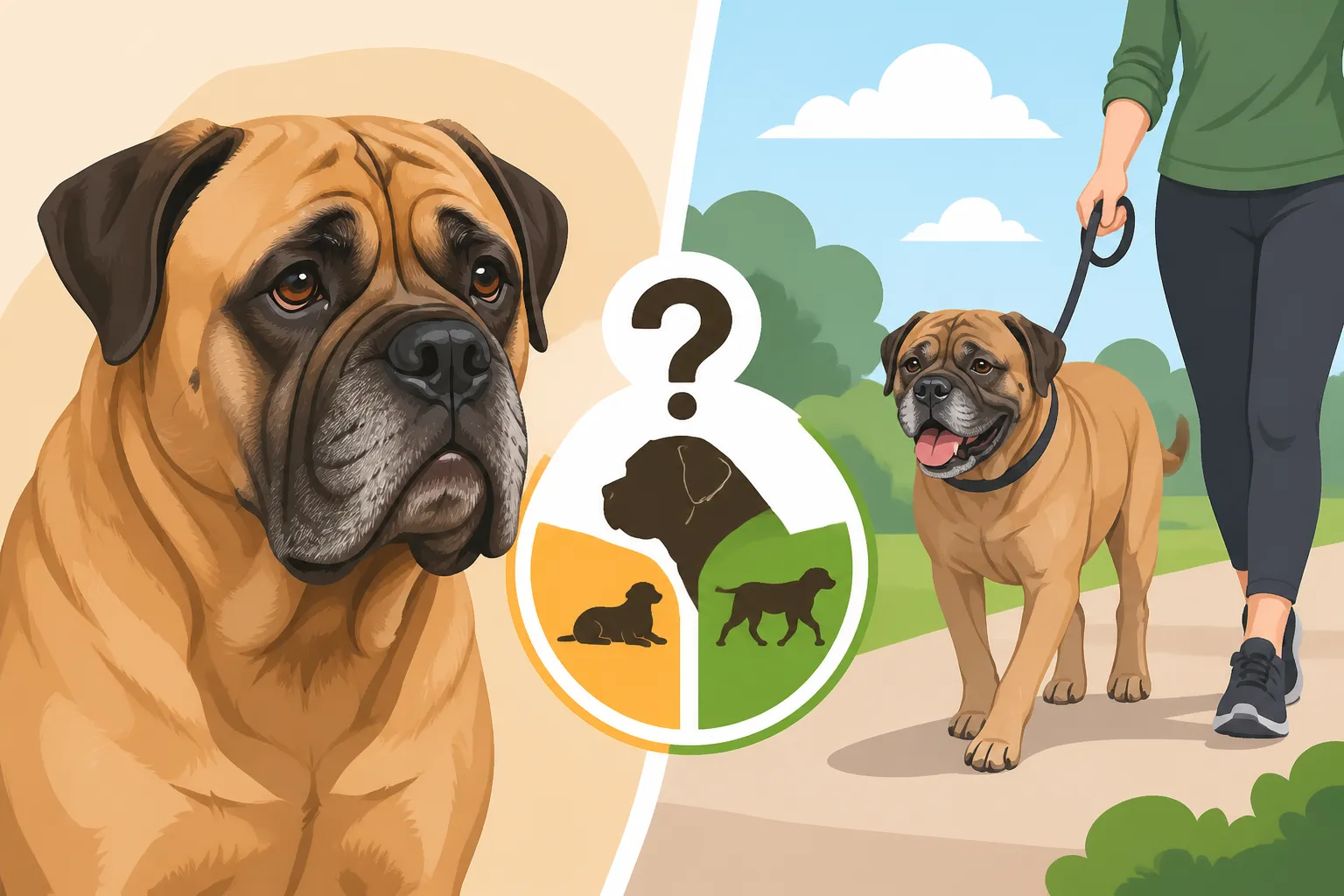
The days of long, brisk walks covering several blocks might be behind you, and that's okay. For a senior Bullmastiff, the goal isn't distance or speed; it's consistent, gentle movement. Instead of one long daily walk, consider breaking it into two or three shorter, more frequent strolls throughout the day. A 10-15 minute amble can be far more beneficial than a single 30-minute trek that leaves them exhausted or sore. The key is to let your Bullmastiff set the pace. If they want to stop and sniff something for five minutes, let them. If they pause, give them a moment. This isn't a race; it's an opportunity for them to move at their own comfort level.
Consider the terrain, too. Hard pavement can be jarring on arthritic joints. Look for parks with soft grass paths, dirt trails, or even your own backyard if it's large enough. Avoid steep hills, stairs, or uneven surfaces that could cause a stumble. The cooler parts of the day, early morning or late evening, are usually best, as extreme temperatures can exacerbate discomfort. Remember, consistency is more important than intensity. A little bit of gentle movement every day is much better than sporadic, intense bursts that can lead to injury or increased pain. It's a fundamental shift in mindset, from aiming for a workout to simply encouraging comfortable, regular mobility.
Essential Gear and Support for Easier Walks
Just like us, our Bullmastiffs can benefit from a little extra help as they age. Investing in the right gear can make a world of difference in their comfort and your ability to assist them safely. For starters, ditch the neck collar for walks if you haven't already. A well-fitting, padded harness distributes pressure more evenly across their chest and shoulders, preventing strain on their neck and throat, which can be sensitive, especially if they have any underlying conditions. Brands like Chewy and Amazon offer a wide variety of ergonomic harnesses designed for large breeds, many with front-clip options that can help manage gentle pulling without discomfort.
If your Bullmastiff is showing weakness in their hindquarters or struggles to get up, a support harness or sling can be invaluable. These devices fit under their belly or around their hips and have handles you can use to gently support their weight, especially when going up or down steps, or helping them into the car. This takes immense pressure off their joints and can prevent falls. Another tool to consider is a car ramp. Bullmastiffs are heavy, and repeatedly lifting a senior dog, especially one who is hesitant or in pain, can be tough on both of you. A sturdy, non-slip ramp allows them to walk into your vehicle with minimal effort, making trips to the vet or a favorite park much easier. Many options are available from retailers like Amazon, designed to handle the substantial weight of a Bullmastiff. You might also want to explore Which Harness Lifts an Aging Bullmastiff for more specific recommendations on how these tools can assist your senior companion.
Beyond the Walk: Holistic Support for Joint Health and Comfort
Walking is just one piece of the puzzle when it comes to caring for an aging Bullmastiff. A holistic approach that includes nutrition, home modifications, and veterinary care will provide the most comprehensive support.
The Role of Nutrition and Supplements in Joint Care
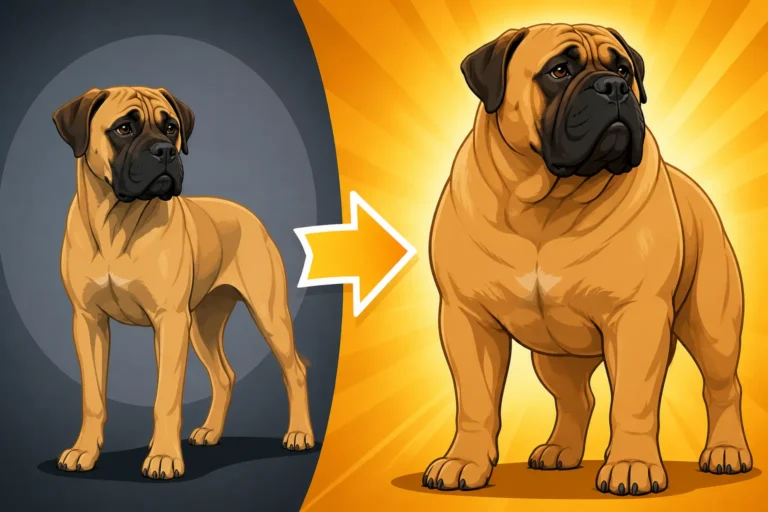
One of the most impactful things you can do for your aging Bullmastiff's joints is to keep them lean. Every extra pound puts additional stress on their hips, elbows, and spine, accelerating the progression of arthritis and increasing discomfort. Work with your veterinarian to establish an ideal weight for your dog and stick to a feeding plan that helps maintain it. This often means reducing calorie intake and carefully monitoring portion sizes. It can be tough when they look at you with those soulful eyes, but Keeping a Bullmastiff Lean Is the Best Thing You Can Do for their long-term comfort and mobility. Don't fall into the trap of overfeeding out of love; true love means prioritizing their health.
Beyond weight management, certain nutritional supplements can provide crucial support for joint health. Glucosamine and chondroitin are widely recognized for their ability to support cartilage health. MSM (methylsulfonylmethane) can help with inflammation, and omega-3 fatty acids, often derived from fish oil, are powerful anti-inflammatories that benefit not only joints but also skin, coat, and cognitive function. Many high-quality dog foods formulated for senior or large-breed dogs include these ingredients, but your vet might recommend additional supplements, especially if your Bullmastiff is showing significant signs of arthritis. Brands like Chewy offer a vast selection of these supplements, and you can also discuss specialized senior dog food options with human-grade ingredients, such as those offered by Ollie, to ensure your Bullmastiff is getting optimal nutrition for their changing needs. It's worth exploring Whether a Bullmastiff Needs Joint Medication Early as a preventative measure or when signs of stiffness first appear.
At-Home Comfort and Veterinary Interventions
Your home environment plays a significant role in your aging Bullmastiff's comfort. Hard floors can be difficult for them to navigate, often leading to slips and falls, and offering no cushion for their heavy joints when they lie down. Laying down rugs or runners on slippery surfaces like tile or hardwood can provide better traction and reduce the risk of injury. Consider ramps or step stools for areas where they struggle, such as getting onto a favorite couch or into bed with you, if that's allowed. Most importantly, ensure they have access to an orthopedic dog bed. These beds are designed with dense, supportive foam that cradles their joints, alleviating pressure points and providing a comfortable, restorative sleep. A cheap, thin dog bed just won't cut it for a Bullmastiff's substantial weight. Retailers like Amazon have many options specifically tailored for giant breeds, ensuring proper support.
Regular veterinary check-ups are absolutely non-negotiable for a senior Bullmastiff. These appointments, perhaps twice a year instead of annually, allow your vet to monitor their overall health, assess their joint mobility, and catch any developing issues early. They can discuss prescription medications, such as NSAIDs (non-steroidal anti-inflammatory drugs), which can significantly reduce pain and inflammation, or newer injectable medications designed to improve mobility. Options like therapeutic laser treatments, acupuncture, or hydrotherapy (underwater treadmill exercises) might also be recommended to improve strength, flexibility, and reduce pain. These interventions, coupled with your diligent care at home, can dramatically improve your Bullmastiff's quality of life as they age. For more insights on what to expect, consider reading How Often a Bullmastiff Needs a Wellness Exam.
Here’s a quick comparison of walking considerations for a young vs. aging Bullmastiff:
| Aspect of Walk | Young Bullmastiff (Puppy/Adult) | Aging Bullmastiff (Senior) |
|---|---|---|
| Pace | Brisk, energetic, often pulls | Slow, deliberate, sets own pace |
| Duration | Longer, more extensive routes | Shorter, more frequent outings |
| Frequency | 1-2 longer walks per day | 2-3 shorter, gentle strolls per day |
| Terrain | Can handle varied terrain, incl. hills | Prefers flat, soft surfaces; avoids stairs |
| Gear | Sturdy collar or harness, basic leash | Padded harness, support sling, car ramp |
| Focus | Exercise, training, socialization | Comfort, mental stimulation, gentle movement |
| Recovery | Bounces back quickly | May be stiff or tired afterward |
| Monitoring | General well-being, energy levels | Subtle signs of pain, stiffness, hesitation |
Ultimately, your aging Bullmastiff should absolutely still be walked, but with an immense amount of thought, care, and adaptation to their evolving needs. It's about quality of movement over quantity, and ensuring their golden years are as comfortable and dignified as possible.
Disclaimer
This article is for general informational purposes only and does not constitute professional advice. Laws, prices and regulations vary by location and change over time. Consult a qualified professional for guidance on your specific situation.