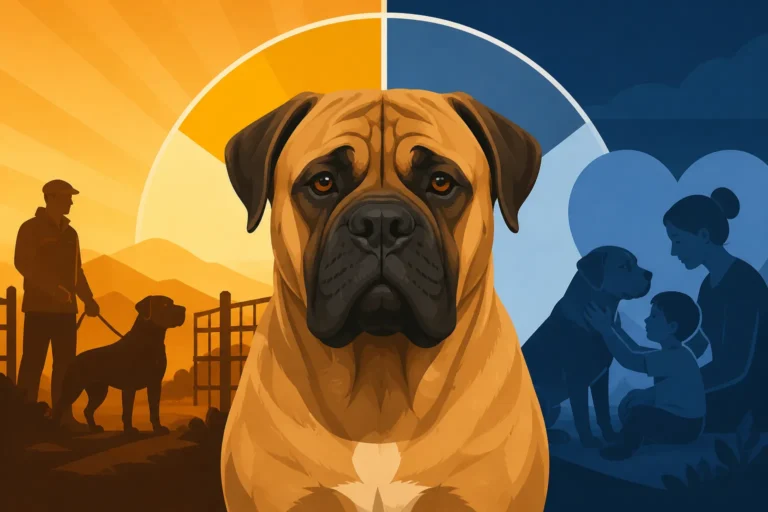
Fawn, Red or Brindle: the Only Colors a Bullmastiff Comes In
It can be truly confusing when you're looking at Bullmastiff puppies or even adult dogs and trying to understand what colors are truly "Bullmastiff." You might see all sorts of descriptions out there, but often, they don't align with what the breed standard actually recognizes. This guide is here to clear up that confusion, diving deep into the accepted Bullmastiff colors, what makes them unique, and why understanding the breed standard matters.
The Bullmastiff Color Standard: What's Accepted
When it comes to the Bullmastiff, the official breed standard is quite clear and rather conservative about acceptable colors. Unlike some breeds with a rainbow of possibilities, Bullmastiffs stick to a specific palette, and each shade serves a purpose, historically or aesthetically. These are working dogs, and their appearance was once tied directly to their function.
Fawn: The Classic Bullmastiff Look
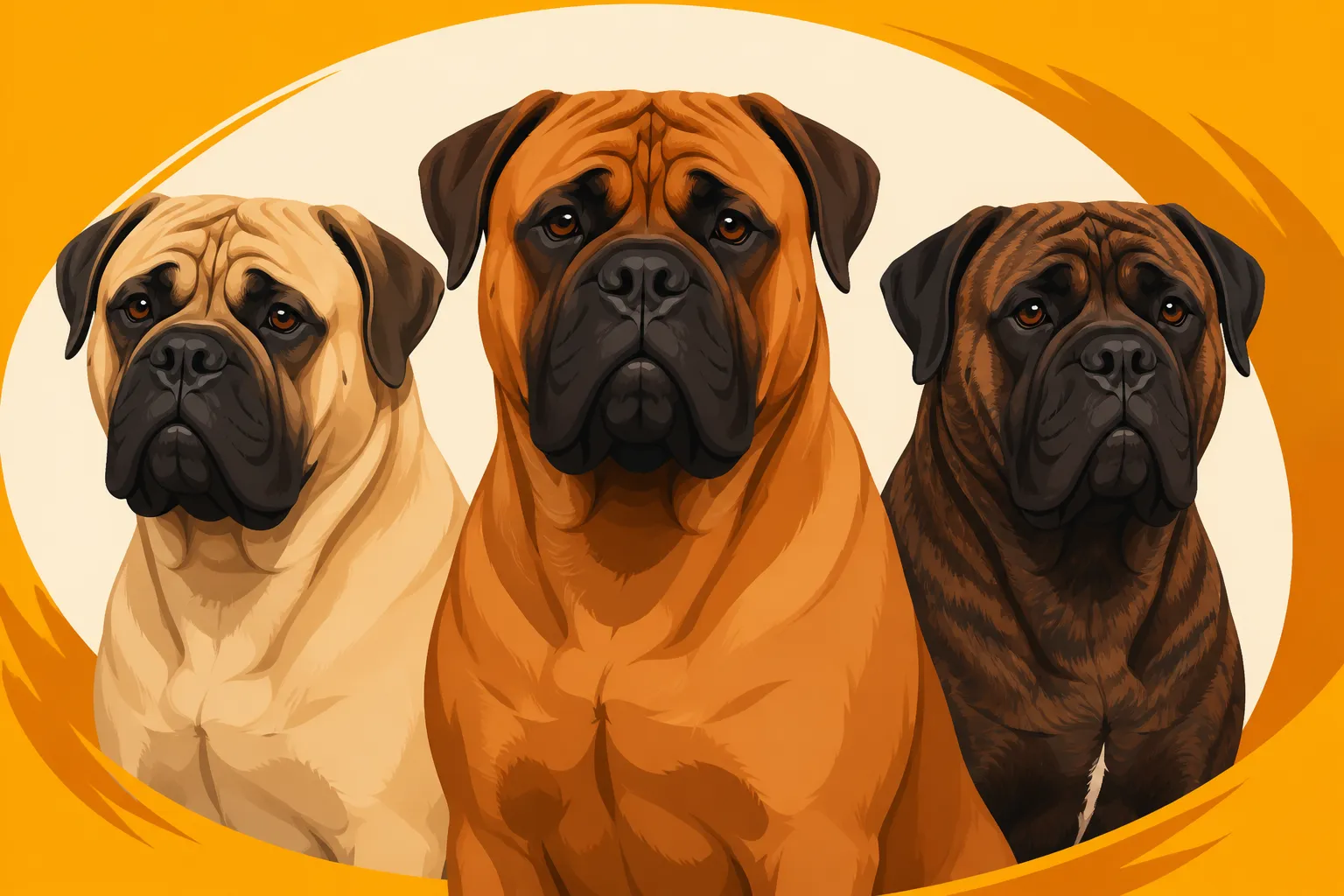
Fawn is perhaps the most widely recognized and popular color for Bullmastiffs today, ranging from a very light, almost sandy beige to a rich, golden tan. Imagine the color of a lion's mane, or a sun-drenched field in late summer – that's the kind of warmth and depth you can find in a fawn Bullmastiff. What's important here is the richness of the tone. A washed-out, pale fawn might be less desirable in the show ring, but for a family companion, it's all about personal preference. These dogs often have lighter fur on their undersides, legs, and chests, creating a subtle contrast. The beauty of a fawn coat is how it can seem to change with the light, from soft and muted indoors to glowing and vibrant under the sun. It's a color that speaks of strength and elegance simultaneously.
The depth of fawn can really vary. Some fawn Bullmastiffs are so light they almost appear cream, while others lean towards a deeper, more reddish-gold hue, sometimes even referred to as "apricot fawn." Regardless of the exact shade, the key characteristic is that it’s a solid, even color throughout the body, ideally without patches or distinct markings other than the all-important black mask. This consistent base color allows their powerful physique and expressive face to truly shine. It's often the color people picture first when they think of a Bullmastiff, embodying that classic, dignified appearance that makes them so beloved.
Red: A Deeper Hue
Moving a step beyond fawn, we find the red Bullmastiff. This isn't a fiery, Irish Setter red, but rather a rich, deep reddish-brown that can almost resemble mahogany or dark copper. Think of a well-worn leather armchair, or the rich earth tones you see in autumn leaves – these are closer to the true red of a Bullmastiff. It’s a striking color that exudes power and warmth, often appearing quite regal. Just like fawn, the intensity of red can vary, from a brighter, more vibrant reddish-tan to a very dark, almost chestnut hue.
A red Bullmastiff's coat can be incredibly striking, particularly when combined with a strong black mask. The contrast is often more dramatic than with a fawn coat, making the mask stand out even more. It’s a beautiful color that conveys a sense of robustness and presence. Many owners find the red coats to be exceptionally handsome, offering a slightly more commanding visual presence than their fawn counterparts. The deeper pigmentation often seems to give the coat a bit more luster, especially when well-groomed, reflecting light in a way that truly highlights their muscular build.
Brindle: The Original Camouflage
Brindle is, in many ways, the most historically significant color for the Bullmastiff. It’s a truly distinctive pattern, characterized by dark stripes or "stripes" over a lighter background color, usually fawn or red. Imagine tiger stripes, but softer, more subtle, and often irregular. The intensity and distribution of these stripes can vary immensely, from a few sparse, faint lines to a heavy, dense pattern that makes the dog appear almost solid dark, with just glimpses of the lighter base color peeking through. Historically, this camouflaged pattern was incredibly important for the breed's original job.
The origin of the brindle color is deeply tied to the Bullmastiff's past as a gamekeeper's night dog. Why Early Bullmastiffs Were Bred Dark Brindle was all about blending into the shadows. Picture a dark forest at night, with dappled moonlight filtering through the trees; a brindle dog would have been practically invisible, a silent guardian moving through the undergrowth. This was crucial when their job was to catch poachers without being seen until the very last moment. While today’s Bullmastiffs aren't usually patrolling estates in the dead of night, the brindle pattern remains a beautiful testament to their heritage. It gives each individual dog a unique pattern, a sort of natural fingerprint.
The Non-Negotiable Black Mask
No matter if your Bullmastiff is fawn, red, or brindle, one feature is absolutely non-negotiable according to the breed standard: the black mask. This isn't just an aesthetic preference; it's a defining characteristic of the breed, giving the Bullmastiff its distinctive, often serious, expression.
Why the Mask is Critical
The black mask is more than just a pretty face; it’s a hallmark of the breed's identity and genetic makeup. The Black Mask Every Bullmastiff Must Have isn't just a guideline; it's a fundamental aspect of their appearance. This mask covers the muzzle, extends around the eyes, and often darkens the ears, creating a striking contrast with the body color. Without it, a Bullmastiff simply doesn't fit the breed standard. This dark pigmentation isn't just for looks; it's believed to have offered some protection from glare and aided visibility during their original night-watch duties.
Beyond the historical practicality, the black mask contributes significantly to the Bullmastiff's characteristic expression. It frames their dark, intelligent eyes and emphasizes their powerful, broad muzzle, giving them that serious, watchful, yet noble look we all recognize. A Bullmastiff without a strong black mask would lose much of that iconic presence. It truly completes the picture of the formidable, yet gentle, guardian.
Variations in Mask Intensity
While a black mask is essential, its intensity can vary from dog to dog. Some Bullmastiffs will have a very deep, rich, and extensive black mask that covers most of their muzzle and extends well up their forehead and around their eyes. Others might have a lighter, less pervasive mask, where the black might appear a bit softer or cover a smaller area. However, regardless of the variation, the black should be distinct and not faded or grayish. A strong, clear mask is generally preferred in the show ring, but a slightly lighter mask doesn't diminish a wonderful family companion.
You might also notice the ears tend to be darker, often black, blending with the mask. This is also part of the desired pigmentation. The richness of the mask can sometimes correlate with the overall pigmentation of the dog, with darker red Bullmastiffs often having incredibly strong masks, while some lighter fawns might have a more moderate mask. It's a natural variation within the accepted range, and as long as it's clearly present and black, it generally meets the standard's spirit.
Mask Development in Puppies
When you're looking at a litter of Bullmastiff puppies, their masks might not be as fully developed or as dark as they will be in adulthood. Young puppies often have lighter pigmentation, and their masks can sometimes appear a bit 'smudged' or less defined. It's a process, and just like their size and overall build, their mask will continue to darken and become more distinct as they mature. This is perfectly normal and something experienced breeders can anticipate.
By the time a Bullmastiff puppy is ready for its new home, typically around eight weeks, you should certainly see the beginnings of a black mask. It might not be as intense as an adult’s, but the presence of dark pigmentation on the muzzle and around the eyes should be clear. If a puppy shows little to no mask by this age, it's generally an indication that it won't develop one that meets the breed standard. Reputable breeders understand this and will be transparent about a puppy's mask development, recognizing its importance in the breed's identity.
Understanding the Genetics Behind Bullmastiff Colors
Diving into the genetics of Bullmastiff colors can seem like a complicated science lesson, but at its core, it helps us understand why these specific colors appear and why others don't. It's all about the genes passed down from parents to puppies.
The Agouti Gene and Fawn/Red
The fawn and red colors in Bullmastiffs are primarily influenced by the agouti series of genes, specifically the "A" locus. Bullmastiffs typically carry two copies of the 'ay' allele, which produces a fawn or sable coloration. The difference between a lighter fawn and a deeper red often comes down to other modifying genes that influence the intensity of the red pigment (phaeomelanin). Think of it like a dimmer switch for color intensity: some genes turn the brightness up, resulting in a rich red, while others keep it softer, leading to a pale fawn.
This is why you can see such a beautiful range within the fawn and red spectrum – from a pale, almost cream fawn to a deep, burnished red. It’s not just one gene deciding "fawn" or "red," but a complex interplay of several genes that refine the shade. Understanding these genetic basics is crucial for breeders who are aiming to produce specific color ranges within the Which Colors a Bullmastiff Comes In standard, ensuring they are breeding for health and conformation first, but also adhering to the established breed appearance.
The Brindle Gene's Influence
Brindle is caused by a dominant gene (kbr) at the K locus. If a Bullmastiff inherits even one copy of this brindle gene, they will be brindle. The specific pattern and darkness of the stripes are then influenced by other modifying genes, as well as the base color (fawn or red) that the brindle pattern overlays. So, you can have a "fawn brindle" or a "red brindle," depending on what base color genes the dog also carries. The brindle gene essentially acts as an overlay, creating those characteristic stripes on top of the underlying fawn or red coat.
This genetic dominance means that breeding a brindle Bullmastiff will almost certainly produce brindle puppies in the litter, especially if bred to another brindle or a carrier of the brindle gene. The density and shade of the brindle can vary wildly, from a light fawn with sparse, elegant dark stripes to a heavily brindled dog where the dark stripes are so close together they make the dog appear almost black from a distance, with just hints of the lighter base color showing through. It's a fascinating genetic puzzle that makes each brindle Bullmastiff truly unique.
What Color Genetics Mean for Breeders
For responsible Bullmastiff breeders, understanding color genetics goes beyond simply predicting what a litter will look like. While aesthetics are part of the breed standard, the primary focus should always be on health, temperament, and conformation. However, knowing the genetic lineage of colors can help breeders make informed decisions to maintain the breed standard and avoid introducing colors that are not recognized. It's about preserving the integrity of the breed as it was originally developed.
While some breeds utilize genetic testing to confirm color carriers, for Bullmastiffs, the accepted colors are well-established and generally understood through traditional pedigree tracking and observation. A breeder will observe the colors of the parent dogs and their ancestors, using that knowledge to predict potential colors in a litter. Ethical breeders prioritize robust health screening, like those for heart or hip issues, over simply breeding for a particular color, ensuring that the puppies they produce are not only beautiful but also sound and healthy. Whether a Bullmastiff Breeder Screens for Heart Disease is far more important than what color puppies they produce.
Colors Not Recognized by the Standard
While fawn, red, and brindle with a black mask are the only accepted colors, sometimes people encounter Bullmastiffs or Bullmastiff-like dogs that appear to be other colors. It's important to understand that these colors, while they might exist in other breeds or mixed breeds, are not recognized in the purebred Bullmastiff standard.
The Myth of the Black Bullmastiff
Occasionally, you might hear whispers or even see photos of "black Bullmastiffs." Let's be clear: a true, solid black Bullmastiff is not an accepted color in the breed standard and indicates either a crossbreed or a severe deviation from the established genetics. The only way a Bullmastiff might appear very dark is if it's a heavily brindled dog where the dark stripes are so dense that they almost completely obscure the underlying fawn or red, making the dog look near-black. However, upon closer inspection, the brindle pattern would still be discernible.
If a dog is truly solid black with no underlying brindle pattern, it's not a purebred Bullmastiff by the accepted definition. This can be a point of confusion for new owners or those unfamiliar with the strict breed standard. Some unscrupulous breeders might even try to market "rare black Bullmastiffs" at inflated prices, preying on people's desire for something unique. However, these dogs are not what the breed community recognizes as a Bullmastiff, and any claims of a "rare black gene" should be met with skepticism.
White Markings: More Than Just a Little Patch
Another area of confusion can be white markings. The Bullmastiff breed standard permits a very small white mark on the chest. This is often just a few stray white hairs, a tiny "star" or "flash" on the chest. Anything more extensive than this – white paws, white blazes on the face, large white patches on the chest or belly – is considered a fault and is not accepted within the breed standard. These larger white markings can occur genetically, but they are considered undesirable in purebred Bullmastiffs.
When you see a dog with significant white markings that looks otherwise like a Bullmastiff, it's a strong indicator that the dog may be a mix or that it comes from lines that do not adhere strictly to the breed standard. While these dogs can be wonderful companions, they would not be eligible for conformation showing and are not representative of the ideal Bullmastiff appearance. For those interested in the intricacies of the breed's origins, remembering What Purity Meant for the Bullmastiff in 1924 helps explain why strict adherence to color standards was established.
Other Unaccepted Colors and Patterns
Beyond solid black and extensive white markings, you won't find other "fancy" colors in purebred Bullmastiffs. There are no blue (dilute black), chocolate (dilute brown), merle, or piebald Bullmastiffs. These color patterns are tied to different genetic loci not present in the Bullmastiff's gene pool. If you see a dog advertised as a "blue Bullmastiff" or any other unusual color, you are almost certainly looking at a mixed-breed dog, or a dog from a less-than-reputable breeder who is not adhering to established breed standards.
The focused color palette of the Bullmastiff is part of what makes the breed so distinctive. It reflects their carefully curated history and development. The simplicity of fawn, red, and brindle, always complemented by the striking black mask, is part of their iconic look. Responsible enthusiasts and breeders uphold these standards, understanding that they contribute to the breed's unique identity and heritage.
The Importance of Color Beyond Aesthetics
While color often seems like a purely visual trait, for the Bullmastiff, it carries historical weight and can sometimes be incorrectly linked to other characteristics. It's important to separate fact from fiction when considering coat color.
Historical Purpose of Brindle
As we touched on earlier, the brindle color wasn't just a pretty pattern; it was a functional attribute. Why Early Bullmastiffs Were Bred Dark Brindle speaks to the strategic thinking behind the breed's development. Gamekeepers needed a dog that could blend seamlessly into the low light of night patrols, becoming practically invisible until it was time to act. The brindle pattern, with its disruptive coloration, was perfect for this role. It broke up the dog's outline, making it harder for poachers to spot them in the dimly lit woods.
This historical context emphasizes that the Bullmastiff's appearance was never just about looks; it was about utility. The brindle coat was a tool, as much as their strength and silent determination were. While today's Bullmastiffs primarily serve as beloved family companions and guardians, acknowledging the functional roots of their coat color gives us a deeper appreciation for the breed's rich history and thoughtful development. It's a living piece of their past.
Color and Health Myths
A common misconception in many breeds is that certain colors are inherently healthier or unhealthier than others. For Bullmastiffs, thankfully, there are no widespread, scientifically supported health issues directly tied to their accepted coat colors (fawn, red, brindle). Unlike some breeds where dilute colors can be linked to skin issues, or excessive white can be tied to deafness, the Bullmastiff's limited color palette doesn't carry these specific risks.
However, it's always worth noting general considerations. Lighter fawn coats, for instance, might be slightly more susceptible to sunburn if exposed for prolonged periods, especially on sensitive areas like the nose or sparse belly fur. This is a minor consideration for responsible owners, easily managed with appropriate shade and care, much like anyone with lighter skin needs to take precautions. Overall, when it comes to Bullmastiffs, a dog's health is far more influenced by responsible breeding practices and genetic screening for hereditary conditions than by its coat color. Concerns like Hypothyroidism in a Bullmastiff or Mast Cell Tumors and the Lumps on a Bullmastiff are unrelated to coat color.
Temperament and Coat Color: A Common Misconception
It's tempting to think that a dog's coat color might hint at its personality, but for Bullmastiffs, there's absolutely no scientific basis to suggest that fawn, red, or brindle dogs have different temperaments. A Bullmastiff's personality is shaped by its genetics (lineage, parental temperaments), early socialization, training, and environment – not the shade of its fur. You'll find calm, protective, and affectionate individuals across all three accepted colors.
The core Bullmastiff temperament – loyal, courageous, devoted, and somewhat independent – is a breed characteristic, not a color-dependent one. Any perceived differences in demeanor between a fawn and a brindle, for example, are anecdotal and likely due to individual variation, not a direct link to their coat. When choosing a Bullmastiff puppy, focus on the temperament of the parents, the breeder's practices, and the individual puppy's personality traits, rather than its color, to find the best fit for your home.
How Color Relates to Showing and Breeding
For those involved in the world of dog shows or serious breeding, color adherence is a much stricter affair than for someone simply looking for a pet. The breed standard guides every decision, and color plays a role in conformation.
Disqualifying Colors in the Show Ring
In conformation events, strict adherence to the breed standard is paramount. This means that any Bullmastiff exhibiting colors or markings outside of the accepted fawn, red, or brindle with a black mask will be disqualified. This includes dogs with extensive white markings (beyond the small chest flash), solid black coloration, or any other unaccepted color. The judges are looking for dogs that perfectly embody the written standard for the breed. What a Bullmastiff Judge Puts a Hand On First usually refers to their strong bone and substance, but a quick visual check for proper color and mask is also fundamental.
This is why reputable breeders are so careful about color. They aim to produce dogs that not only meet health and temperament standards but also conform to the physical ideals, including color. While a pet-quality Bullmastiff with a cosmetic fault (like an incorrect color or marking) can still be a wonderful companion, it won't have a career in the show ring. Understanding this distinction is important for anyone entering the world of purebred dogs.
Ethical Breeding Considerations
For ethical Bullmastiff breeders, color is just one piece of a much larger puzzle. Their priority is to produce healthy, stable-tempered dogs that are true to the breed's purpose. They'll meticulously research pedigrees, focusing on health clearances (hips, elbows, heart, thyroid, eyes), temperament, and overall conformation, including size and structure. Color is important for meeting the standard, but it never overrides health or temperament. A breeder committed to the welfare of the breed will not intentionally breed for "rare" or unaccepted colors, as this can often lead to prioritizing aesthetics over soundness.
Good breeders also understand that while a small white mark on the chest is permissible, striving to minimize even that can be part of their breeding goals. They are looking to perpetuate the ideal Bullmastiff, and that means respecting all aspects of the official standard. When you're talking to a breeder, ask about their priorities. A great breeder will talk about health testing and temperament first, with color being discussed as part of adhering to the full breed standard.
The Impact of "Rare" Colors on Puppy Prices
Beware of anyone trying to sell a Bullmastiff puppy at an inflated price by claiming it's a "rare" color like black or blue. As discussed, these colors are not standard and indicate either a mixed breed or a breeder who is not adhering to ethical breeding practices. Reputable Bullmastiff breeders will only offer puppies in the recognized fawn, red, or brindle with a black mask. The price of a well-bred Bullmastiff puppy is determined by the breeder's investment in health testing, quality care, proven lineage, and the overall demand for healthy, well-socialized puppies, not by a "rare" color.
A significantly higher price for an unaccepted color is a major red flag. It suggests the breeder is prioritizing profit over breed integrity and responsible breeding. When looking for a Bullmastiff, focus on finding a breeder who prioritizes the health and welfare of their dogs, has appropriate health clearances for the parents, and produces puppies that conform to the standard's core tenets. What a Bullmastiff Puppy Costs From a Breeder is typically based on quality, not novelty.
Caring for Different Bullmastiff Coat Colors
Regardless of their specific shade, all Bullmastiffs generally have a short, dense, and weather-resistant coat that is relatively easy to care for. However, there are a few minor considerations depending on whether your dog is a light fawn, deep red, or striking brindle.
Sun Protection for Lighter Fawn Coats
While all dogs can get sunburned, lighter-colored dogs, including light fawn Bullmastiffs, can be a little more susceptible, especially in areas with sparse hair like their nose bridge, ears, or belly. It's not a major concern for indoor dogs, but if your Bullmastiff loves to bask in the sun for extended periods, especially in warmer climates, it's wise to be mindful. Providing ample shade during peak sun hours is always recommended for any dog, but particularly for lighter coats.
You might consider dog-safe sunscreen for particularly exposed areas if your fawn Bullmastiff is going to be outdoors for an extended period, perhaps at a dog-friendly park or on a long walk in a sunny area. However, most daily routines won't require this extra step, as Bullmastiffs generally aren't keen on baking in the sun for too long due to their susceptibility to overheating. Why a Bullmastiff Overheats So Easily means they'll likely seek shade anyway.
Maintaining Coat Health for All Colors
The good news is that caring for a Bullmastiff's coat is relatively straightforward, no matter the color. Their short, smooth coats don't require elaborate grooming. Regular brushing, perhaps once or twice a week, is usually sufficient to remove loose hair, distribute natural oils, and keep their coat looking shiny and healthy. A rubber curry brush or a shedding blade works wonders for removing dead undercoat. Even though their coat is short, Bullmastiffs do shed, and regular brushing can help minimize the amount of hair that ends up on your furniture.
Bathing is only needed occasionally or when your Bullmastiff gets particularly dirty. Over-bathing can strip their skin of natural oils, so aim for a schedule that keeps them clean without drying out their skin. A good quality dog shampoo, perhaps available from retailers like Chewy, formulated for sensitive skin or short coats, is ideal. After a bath, towel drying is usually sufficient, as their short coat dries relatively quickly. How Often a Bullmastiff Needs Brushing is less than you might think for such a large dog.
Cleaning the Face Folds Regardless of Pigmentation
One area of grooming that is universal for all Bullmastiffs, regardless of their coat color, is careful attention to their facial folds. Those wonderful, expressive wrinkles and jowls are a breed hallmark, but they can trap moisture, food particles, and dirt, leading to skin irritation or even infections if not kept clean and dry. This is especially true of their black mask areas, where the folds tend to be most prominent.
A daily or every-other-day wipe down with a damp cloth, followed by thorough drying, is usually sufficient. You can use plain water or a mild, dog-safe cleansing wipe. Pay particular attention to the folds around their muzzle and under their eyes. Keeping these areas clean is more about preventing health issues than maintaining appearance, though a clean face certainly looks better! This routine care is essential to prevent Skin Fold Infections on a Bullmastiff and keep your gentle giant comfortable.
Living with a Bullmastiff of Any Color
Ultimately, the color of your Bullmastiff will be the least significant aspect of living with one of these magnificent dogs. Their size, temperament, and health needs will define your experience far more than whether they are fawn or brindle.
Drool and the Black Mask
Let's be realistic: if you're getting a Bullmastiff, you're signing up for drool. It's a fact of life with this breed, and their jowls are designed for it. The black mask, while striking, will often be a canvas for drool streaks, especially after they've had a drink or just finished a particularly exciting game. It's just part of the Bullmastiff charm! You'll quickly learn to keep a "drool rag" handy.
While some Bullmastiffs might be more prone to drooling than others, it's not a trait linked to coat color. Whether your dog is fawn, red, or brindle, expect those impressive jowls to occasionally collect and redistribute saliva. It’s a small price to pay for the endless love and loyalty they offer. If you're wondering How Much a Bullmastiff Drools, the answer is usually "enough to keep you busy with a towel!"
Shedding: A Universal Bullmastiff Trait
Despite their short coats, Bullmastiffs do shed. And because they're large dogs, even a small amount of shedding from each hair adds up to a surprising volume. Their shedding is typically moderate year-round, with perhaps a slightly heavier shed during seasonal changes. Again, coat color doesn't dictate shedding level; a red Bullmastiff will shed just as much as a fawn one.
Regular brushing, as mentioned, is your best defense against finding Bullmastiff hair on every surface of your home. A good vacuum cleaner is also essential. Embrace the reality that a certain amount of dog hair will become a permanent fixture in your life, regardless of your Bullmastiff's color. It's simply part of sharing your home with a large, loving companion. For more tips on managing their coat, check out What a Bullmastiff's Coat Should Feel Like.
Celebrating Your Bullmastiff's Unique Beauty
No matter if your Bullmastiff is a classic fawn, a rich red, or a striking brindle, each one possesses a unique beauty and personality that transcends mere color. While the breed standard defines the acceptable range of colors, your individual dog's character, loyalty, and the bond you share will be what truly makes them special. Celebrate the specific shade of your Bullmastiff's coat as part of their unique charm, but always remember that what truly matters lies within.
The beauty of a Bullmastiff isn't just in its majestic appearance but in its gentle heart and unwavering devotion. So, whether your furry companion is a light fawn blend, a deep red marvel, or a tiger-striped brindle, rest assured you have a magnificent dog by your side. Providing them with high-quality nutrition, like that found at Chewy, and consistent care will ensure they thrive, whatever their hue.
| Bullmastiff Color | Description | Accepted by Standard | Historical Significance | Common Perception |
|---|---|---|---|---|
| Fawn | Ranges from light sandy beige to rich golden tan. Even color. | Yes | Practical for various environments, visually distinctive. | "Classic" Bullmastiff, elegant. |
| Red | Deep reddish-brown, from bright reddish-tan to dark chestnut. Even color. | Yes | Striking appearance, visually robust. | "Regal," powerful. |
| Brindle | Dark stripes over a fawn or red base color. Pattern varies in density. | Yes | Original camouflage for night-work, broke up outline in shadows. | "Tiger-striped," unique, tied to heritage. |
| Black Mask | Essential dark pigmentation on muzzle, around eyes, and often ears. | Yes | Defines expression, historically aided visibility/reduced glare. | Iconic, completes the "Bullmastiff look." |
| Solid Black | Uniform black coat with no brindle pattern. | No | Not indicative of purebred Bullmastiff; usually points to mixed breed or fault. | "Rare" (but not true Bullmastiff), often misinformed. |
| Extensive White | Large white patches beyond a small chest flash (e.g., paws, blaze). | No | Considered a fault; indicates deviation from breed standard or mixed lineage. | "Marked," not ideal for conformation. |
| Other Colors | Blue, chocolate, merle, piebald, etc. | No | Genetically impossible for purebred Bullmastiffs; definitively a mixed breed. | "Designer" (often with inflated prices), not true to breed. |
Disclaimer
This article is for general informational purposes only and does not constitute professional advice. Laws, prices and regulations vary by location and change over time. Consult a qualified professional for guidance on your specific situation.