What Lymphoma Does to a Bullmastiff
Finding out your beloved Bullmastiff has lymphoma can feel like a punch to the gut. It's a diagnosis that strikes fear into the hearts of many Bullmastiff owners, and for good reason – this aggressive cancer is tragically common in our breed, often emerging when we least expect it. This guide is here to walk you through exactly what lymphoma does to a Bullmastiff, from its sneaky early signs to the journey of diagnosis and treatment, helping you understand what to expect and how to best support your loyal companion.
Understanding Lymphoma in Bullmastiffs: The Basics
Lymphoma isn't just "cancer"; it's a specific type of cancer that originates in the lymphocytes, which are a type of white blood cell, and lymphoid tissues like the lymph nodes, spleen, and bone marrow. These cells are crucial for the immune system, and when they become cancerous, they proliferate uncontrollably, often spreading rapidly throughout the body. For Bullmastiffs, this disease can be particularly aggressive and is, unfortunately, a leading cause of mortality. In fact, you might be surprised to learn that Lymphoma Kills More Bullmastiffs Than Anything Else.
What is Lymphoma, Exactly?
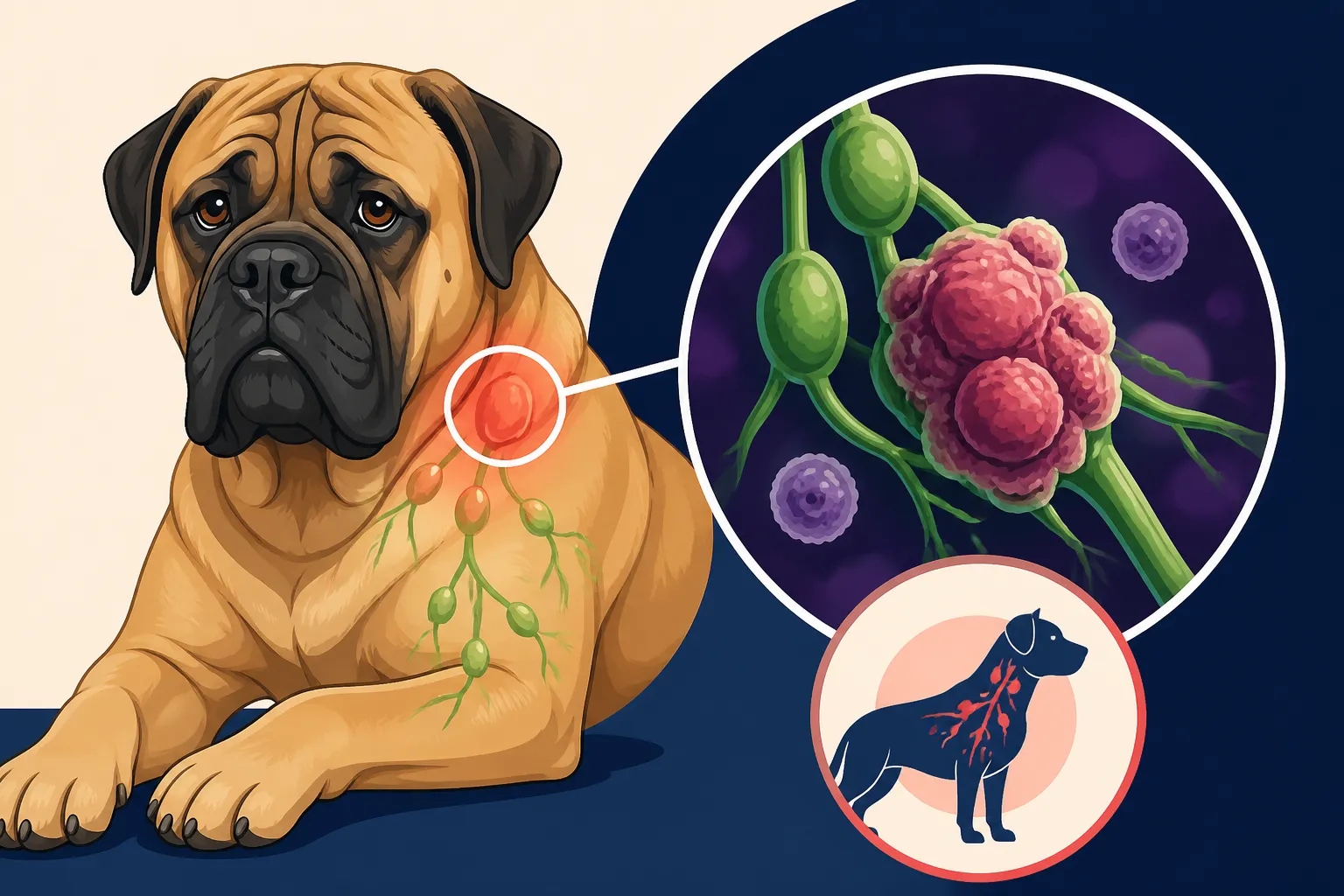
At its core, lymphoma is a cancer of the lymphatic system, a vast network of vessels, nodes, and organs that are integral to your dog's immune defense. Think of it as the body's security system; when lymphocytes—the specialized guards—go rogue, they start multiplying wildly and forming tumors. These tumors can appear anywhere there's lymphoid tissue, but most commonly, we see them in the external lymph nodes, making them palpable to the touch. This systemic nature is part of what makes lymphoma so challenging, as it's often not confined to one easily removable spot. The disease essentially hijacks the immune system, turning its own defenders against the body.
The aggressive nature of lymphoma in Bullmastiffs means that once it takes hold, it tends to progress quickly. It’s not uncommon for owners to notice a lump one week, and within a few weeks, see a significant change in their dog's health. This rapid progression is one of the most frustrating aspects of the disease, leaving little time to process the diagnosis before major decisions about treatment need to be made. Understanding this fundamental aspect of lymphoma is crucial for any Bullmastiff owner, as it underscores the importance of vigilance.
Why Bullmastiffs Are So Prone to Lymphoma
If you own a Bullmastiff, you've likely heard about their predisposition to certain health issues, and lymphoma is at the top of that list. There's a strong genetic component at play, making our beloved giants far more susceptible than many other breeds. While the exact genes haven't been pinpointed, the statistics are stark: Bullmastiffs have a significantly higher risk of developing lymphoma. For instance, studies indicate that Why a Bullmastiff's Lymphoma Risk Is Five Times a Mixed Breed's underscores just how vulnerable our dogs are compared to the general canine population.
This genetic predisposition means that even with the best care, diet, and environment, a Bullmastiff carries a higher intrinsic risk. It's a cruel twist of fate for a breed known for its stoic loyalty and loving nature. Many breeders are diligent about tracking health in their lines, but lymphoma can often strike without a clear family history in every instance, making prevention incredibly difficult. This breed-specific vulnerability is something every Bullmastiff owner must be acutely aware of, not to live in fear, but to be prepared for the possibility.
The Different Types of Lymphoma in Bullmastiffs
Lymphoma isn't a single disease but rather a classification of various cancers affecting the lymphatic system, and they can manifest in different ways in Bullmastiffs. Knowing the common types helps you understand where the disease might be impacting your dog and what symptoms to watch for.
The most prevalent form is multicentric lymphoma, accounting for about 80-85% of cases. This type is characterized by enlarged lymph nodes throughout the body, particularly those you can feel under the jaw, in the armpits, and behind the knees. These nodes often feel firm, non-painful, and mobile. If you notice any sudden or persistent swelling in these areas, it’s always best to get it checked out immediately by your vet. This is often the first, and sometimes only, visible sign that something is amiss.
Another significant type is alimentary lymphoma, which affects the gastrointestinal tract. This can be much trickier to diagnose because its symptoms often mimic other common GI issues, such as vomiting, diarrhea, weight loss, and reduced appetite. Because Bullmastiffs can sometimes be a bit particular about their food or have sensitive stomachs, these symptoms might be dismissed as less serious until the disease has progressed. This type is less common than multicentric but can be particularly debilitating due to its impact on digestion and nutrient absorption.
Less frequently seen are mediastinal lymphoma, which affects lymph nodes in the chest, potentially causing breathing difficulties, coughing, or fluid accumulation around the lungs, and cutaneous lymphoma, which appears as skin lesions, plaques, or ulcers. There's also extranodal lymphoma, which can affect any other organ, like the liver, spleen, eyes, or central nervous system. Each type presents its own unique challenges and requires a keen eye and prompt veterinary attention for proper diagnosis and management.
The Early Signs and How Lymphoma Manifests
One of the most heartbreaking aspects of lymphoma in Bullmastiffs is how subtly it can begin. Our big, stoic dogs are masters at hiding discomfort, and the early signs of lymphoma are often vague, mimicking less serious ailments or simply appearing as a general "off" feeling. This makes early detection a challenge, but being vigilant and knowing what to look for can make all the difference. Many owners often wonder Whether a Bullmastiff With Lymphoma Feels Ill at First, and the answer is often "no," or at least, not obviously so.
Where to Look for Swollen Lymph Nodes
For multicentric lymphoma, which, as we discussed, is the most common form, the primary indicator is enlarged lymph nodes. These aren't just any lumps; they're specific glands located in predictable spots throughout your dog's body. Getting into a routine of gently feeling your Bullmastiff over, especially in these key areas, can be incredibly beneficial.
The most common places to check are:
- Under the jaw (submandibular nodes): These are often the first to swell and are easily palpable. Gently feel along their jawline, just behind their mandible. They should normally be quite small, like a pea or a small bean.
- In front of the shoulders (prescapular nodes): Feel in the area just in front of their shoulder blades.
- In the armpits (axillary nodes): These can be harder to feel due to muscle mass but are worth checking.
- In the groin (inguinal nodes): Located in the crease where the hind leg meets the body.
- Behind the knees (popliteal nodes): These are usually quite prominent when enlarged, located on the back of the hind legs.
When enlarged, these nodes can feel firm, rubbery, and non-painful to the touch, sometimes described as feeling like a hard grape or even a small golf ball depending on how much they've grown. They're usually distinct from muscle or fatty tissue and are often symmetrical, meaning if one side is enlarged, the corresponding node on the other side might be as well. The presence of such nodes is a strong indicator that something is amiss and warrants an immediate vet visit. You can learn more about Where a Bullmastiff's Swollen Nodes Are Felt First.
Subtle Systemic Changes to Watch For
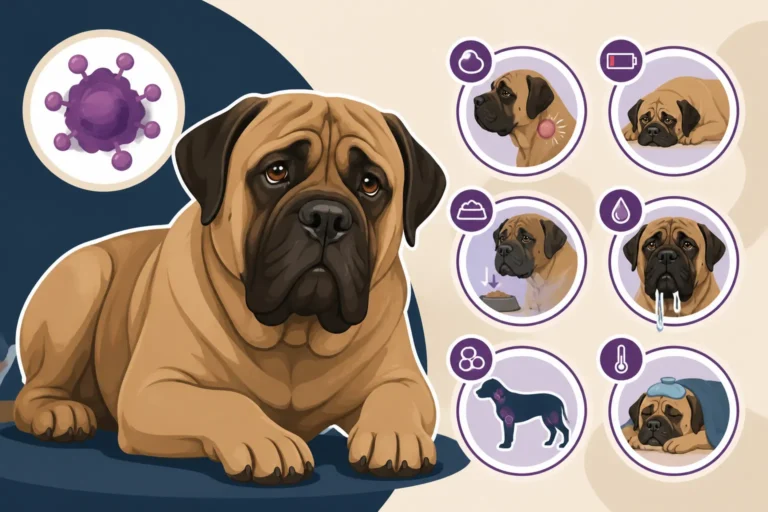
Beyond the physical lumps, lymphoma can cause a variety of more general, systemic symptoms that are easy to overlook or attribute to old age, weather, or minor ailments. These are often signs that the disease is affecting the dog's overall well-being. Keeping a journal of your Bullmastiff’s daily habits can be incredibly useful in spotting these subtle shifts.
Look out for changes in:
- Energy levels: A Bullmastiff who is usually active might become noticeably more lethargic, sleeping more than usual, or showing less enthusiasm for walks and play.
- Appetite and thirst: A decrease in appetite or a sudden pickiness with food, or conversely, an increase in thirst, can be red flags. While a Bullmastiff might occasionally skip a meal, persistent changes are concerning.
- Weight loss: Even if your dog is eating, unexplained weight loss can indicate that their body isn't absorbing nutrients properly or that the cancer is consuming their energy reserves. This can be gradual and hard to spot on a large breed.
- General demeanor: A Bullmastiff might seem "off," less engaged, or just not quite themselves. They might be less tolerant of handling or interaction, or simply more withdrawn.
- Fever: Some dogs develop a fluctuating fever that isn't related to an infection.
- Gastrointestinal issues: For alimentary lymphoma, persistent vomiting or diarrhea, especially if accompanied by blood or mucus, are critical signs.
These non-specific symptoms are part of why Why a Bullmastiff's Lymphoma Is Found Late is a common problem. It's challenging for owners to connect a subtle dip in energy or a slightly reduced appetite to something as serious as cancer. Always trust your gut feeling as an owner; if something feels wrong, even if you can't quite put your finger on it, a trip to the vet is always warranted.
Why Early Detection is Crucial, Yet Difficult
The difficulty in spotting lymphoma early in Bullmastiffs is a significant hurdle. Their stoic nature means they often don't vocalize pain or discomfort until it's quite advanced. By the time symptoms are obvious, the disease may have already progressed to a more advanced stage, potentially limiting treatment options or making remission harder to achieve.
Early detection, ideally when lymph nodes are just beginning to enlarge and before systemic signs appear, offers the best chance for successful treatment and a longer, higher quality of life. This is why regular full-body checks at home, coupled with routine veterinary wellness exams, are so critical. During these exams, your vet will systematically palpate all peripheral lymph nodes, listen to their heart and lungs, and discuss any changes you’ve observed. Don’t hesitate to bring up even the smallest change in behavior or physical condition during these visits. The earlier we intervene, the better the prognosis for our beloved Bullmastiffs.
The Progression of Lymphoma and Its Impact on Your Bullmastiff
Once lymphoma takes root in a Bullmastiff, its progression can vary depending on the type and grade of the cancer. However, it generally follows a path of increasing systemic impact, affecting various bodily functions and ultimately impacting your dog's overall health and comfort. Understanding this progression can help you anticipate challenges and make informed decisions with your veterinary team.
How Multicentric Lymphoma Affects the Body
Multicentric lymphoma is, as previously noted, the most common variant, characterized by the widespread enlargement of lymph nodes. Initially, these nodes might be the only noticeable symptom. However, as the disease progresses, these enlarged nodes can start to interfere with normal bodily functions.
For example, massively enlarged submandibular lymph nodes under the jaw can make it difficult and uncomfortable for your Bullmastiff to swallow, eat, or even breathe properly, especially when lying down. Popliteal nodes behind the knees, if very large, might hinder movement or cause discomfort when walking or lying on their side. These physical obstructions are just one aspect. More insidiously, as the cancerous lymphocytes multiply, they can infiltrate organs like the spleen, liver, and bone marrow.
When the spleen and liver are infiltrated, they can become enlarged, which might be palpable during a vet exam or seen on an ultrasound. This can impair their function, leading to issues like anemia, reduced ability to filter toxins, and decreased production of essential proteins. Bone marrow involvement can suppress the production of healthy blood cells, leading to more severe anemia, increased susceptibility to infections (due to low white blood cell counts), and bruising or bleeding (due to low platelet counts). These internal impacts contribute to the general malaise, lethargy, and weakness that many Bullmastiffs with advanced lymphoma exhibit.
The Challenges of Alimentary Lymphoma
Alimentary lymphoma presents a different, often more challenging, set of problems. Because it primarily affects the gastrointestinal tract, the symptoms are centered around digestion and nutrient absorption. This means your Bullmastiff might suffer from chronic vomiting, persistent diarrhea, and significant weight loss, even if they are still eating. The inflammation and cancerous infiltration in the stomach and intestines disrupt the delicate process of digestion.
Imagine trying to eat a meal when your stomach lining is constantly irritated and inflamed; it's uncomfortable, painful, and your body struggles to extract any goodness from the food. This is what many Bullmastiffs with alimentary lymphoma experience. They might lose their appetite altogether, or they might try to eat but then quickly regurgitate or pass loose stools. This ongoing GI distress leads to rapid deterioration in body condition, muscle wasting, and profound weakness.
Furthermore, chronic diarrhea and vomiting can lead to dehydration and electrolyte imbalances, which further compromise your Bullmastiff's health. The pain and discomfort associated with intestinal inflammation can also significantly impact their quality of life, making them withdrawn, restless, or reluctant to move. Diagnosing alimentary lymphoma often requires more invasive procedures like endoscopies or surgical biopsies, as the external signs are absent, and standard blood tests might not be definitive.
Less Common Forms and Their Specific Impacts
While multicentric and alimentary are the most common, other forms of lymphoma, though rarer, can have equally devastating impacts on a Bullmastiff.
Mediastinal lymphoma, affecting the lymph nodes in the chest cavity, often presents with respiratory signs. These enlarged nodes can press on the trachea (windpipe) or lungs, leading to a persistent cough, labored breathing (dyspnea), or even an intolerance to exercise. If they grow large enough, they can also cause fluid to accumulate around the lungs, a condition called pleural effusion, which makes breathing even more difficult and is an emergency situation. The Bullmastiff's already somewhat brachycephalic tendencies can make breathing issues even more pronounced, creating significant distress for the dog and owner.
Cutaneous lymphoma is seen as skin lesions that can be subtle at first, often mistaken for allergies, infections, or other skin conditions. These can range from red, scaly patches to nodules, plaques, or ulcers. They might be itchy or painful, leading to excessive licking or scratching, which can worsen the lesions and introduce secondary infections. Over time, these lesions can become widespread and debilitating, making your Bullmastiff constantly uncomfortable and prone to skin infections. While not as immediately life-threatening as some other forms, the impact on daily comfort and the management of chronic skin issues can be incredibly challenging.
The insidious nature of lymphoma means it can affect nearly any part of the body where lymphoid tissue is present. A Bullmastiff can even develop lymphoma in their eyes, causing inflammation or vision impairment, or in the central nervous system, leading to neurological symptoms like seizures, weakness, or disorientation. Regardless of the type, the core impact of lymphoma is the unchecked proliferation of cancerous cells, disrupting normal physiological processes and diminishing the overall health and vitality of your Bullmastiff.
| Type of Lymphoma | Primary Location(s) Affected | Common Symptoms | Key Impact on Bullmastiff |
|---|---|---|---|
| Multicentric | Peripheral lymph nodes (neck, armpits, groin, behind knees), spleen, liver, bone marrow | Enlarged, non-painful lymph nodes; lethargy; decreased appetite; weight loss | Systemic organ infiltration; immune suppression; anemia; physical obstruction |
| Alimentary | Gastrointestinal tract (stomach, intestines) | Chronic vomiting; diarrhea; significant weight loss; appetite changes | Malabsorption; dehydration; GI discomfort; rapid body condition decline |
| Mediastinal | Lymph nodes in the chest cavity | Coughing; labored breathing; exercise intolerance; fluid around lungs | Respiratory distress; airway compression; poor oxygenation |
| Cutaneous | Skin | Red, scaly patches; nodules; plaques; ulcers; itching; secondary infections | Chronic discomfort; skin damage; vulnerability to infection |
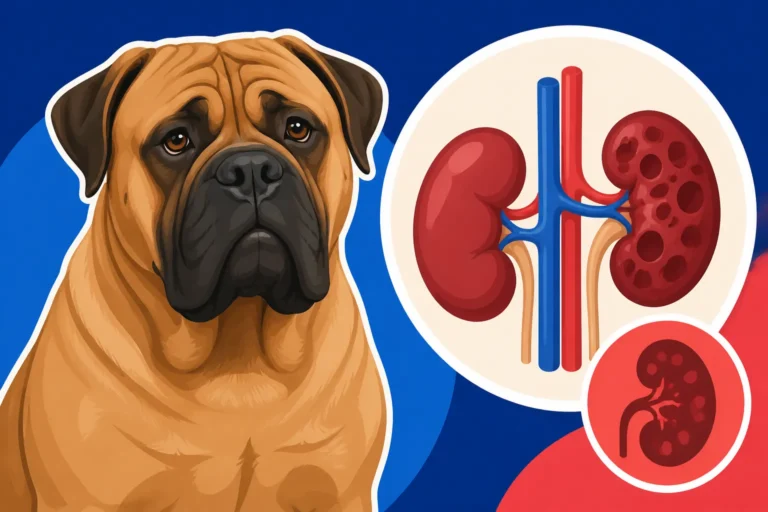
| Extranodal | Various organs (eyes, CNS, kidneys) | Organ-specific symptoms (e.g., eye inflammation, seizures, kidney dysfunction) | Targeted organ failure or impairment; neurological issues |
Navigating a Lymphoma Diagnosis and Treatment Landscape
Receiving a lymphoma diagnosis for your Bullmastiff can be overwhelming. There’s a whirlwind of information, emotional distress, and tough decisions to make. Understanding the diagnostic process and the available treatment options is crucial for moving forward.
The Diagnostic Journey: From Suspicion to Confirmation
The path to a definitive lymphoma diagnosis usually starts with your suspicion and a visit to your regular veterinarian. If you’ve noticed swollen lymph nodes or any of the systemic signs we discussed, your vet will perform a thorough physical examination. This will include careful palpation of all lymph nodes. If enlarged nodes are found, or if other symptoms strongly suggest lymphoma, the next step is typically to obtain a sample for analysis.
This usually involves a fine needle aspirate (FNA) of an enlarged lymph node. This is a quick procedure, often done in the exam room, where the vet uses a small needle to collect cells from the node. The cells are then smeared on a slide and examined under a microscope (cytology). While an FNA can often strongly suggest lymphoma, it’s not always definitive. Sometimes, the sample might not contain enough diagnostic cells, or the cells might be difficult to classify. In such cases, or if a more precise diagnosis is needed, a biopsy may be recommended. A biopsy involves surgically removing a small piece of the lymph node (or other affected tissue) for histopathological examination, which provides a more detailed and accurate diagnosis, including the specific type and grade of lymphoma. You can learn more about What a Needle Aspirate Shows in a Bullmastiff and When a Bullmastiff Needs a Node Biopsy.
Once lymphoma is confirmed, the next critical step is staging. Staging helps determine how widespread the cancer is within your Bullmastiff’s body. This typically involves a series of tests, which can include blood work (complete blood count, chemistry panel), urinalysis, chest X-rays to check for mediastinal involvement, and abdominal ultrasound to assess the spleen, liver, and abdominal lymph nodes. Bone marrow biopsies might also be performed in some cases. Staging is vital because it helps your veterinary oncologist recommend the most appropriate treatment plan and provides a more accurate prognosis. More details on this process can be found in What Staging a Bullmastiff's Lymphoma Involves.
Treatment Options and What They Entail
The good news is that lymphoma is one of the most treatable cancers in dogs, though "curable" is rarely the word used. The goal of treatment is typically to achieve remission, improve quality of life, and extend lifespan. The primary treatment for most types of canine lymphoma is chemotherapy.
Chemotherapy protocols for Bullmastiffs with lymphoma usually involve a combination of different drugs administered over several weeks or months. The most common and effective protocol is the CHOP protocol (Cyclophosphamide, Hydroxydaunorubicin/Doxorubicin, Vincristine, and Prednisone). These drugs target rapidly dividing cells, including cancer cells. Chemotherapy is typically administered intravenously, with some drugs also given orally. The exact schedule and combination of drugs will be tailored to your Bullmastiff's specific diagnosis, health status, and your comfort level. You can investigate How Many Weeks a Bullmastiff's Chemotherapy Runs for more details.
While the word "chemotherapy" sounds daunting, dogs generally tolerate it much better than humans do. Side effects are usually mild and temporary, such as a transient decrease in appetite, mild nausea, or some lethargy. Severe side effects, like severe vomiting, diarrhea, or bone marrow suppression, are less common but possible and are closely monitored by your oncology team. Prednisone, a steroid, is almost always part of the protocol and can help reduce the size of the lymph nodes and improve your Bullmastiff's appetite and energy levels almost immediately. However, prednisone alone is not a long-term solution for lymphoma. How a Bullmastiff Tolerates Chemotherapy delves into this further.
Other treatment options might include radiation therapy for localized disease (though less common for systemic lymphoma) or newer targeted therapies in certain circumstances. The best approach will always be a collaborative decision between you and a veterinary oncologist, who specializes in cancer treatment.
The Emotional and Financial Toll on Owners
Let's be real: a cancer diagnosis for your Bullmastiff, especially lymphoma, is not just a medical challenge; it's an immense emotional and financial burden. The shock, the fear, the desire to do everything you can for your loyal companion—it’s a lot to process. Seeing your big, strong Bullmastiff undergo treatments, even if they tolerate them well, can be heartbreaking. The worry about side effects, the uncertainty of prognosis, and the constant hope for more time can be emotionally draining.
And then there's the cost. Chemotherapy, diagnostics, specialist visits, supportive medications—these expenses can quickly add up. For many Bullmastiff owners, Chemotherapy Is the Bill Most Bullmastiff Owners Face and it can be substantial. A full CHOP protocol can range from several thousands to well over ten thousand dollars, depending on your location, the specific drugs used, and the duration of treatment. This is where the practical side of pet ownership truly hits home.
This financial reality often forces owners to make incredibly difficult choices. No one wants money to dictate their pet's care, but it's an unavoidable factor for most families. This is precisely why pet insurance can be a lifesaver. Companies like Healthy Paws offer comprehensive coverage that can significantly alleviate the financial stress of a lymphoma diagnosis, allowing you to focus on your Bullmastiff's well-being rather than the mounting bills. Many owners who invest in pet insurance, especially from a young age, find tremendous relief in knowing that a large percentage of these significant treatment costs, from chemotherapy to specialized diagnostics, will be covered. Having a plan with Healthy Paws in place can mean the difference between pursuing aggressive treatment and being forced to consider more limited options due to cost. It truly provides peace of mind when facing something as devastating as cancer.
Prognosis and Quality of Life with Lymphoma
Once your Bullmastiff is diagnosed with lymphoma and you've navigated the initial shock and treatment discussions, the focus naturally shifts to prognosis and, most importantly, maintaining their quality of life. This is where realism meets hope, and careful consideration of what's best for your individual dog comes into play.
Understanding Life Expectancy with and Without Treatment
The question on every owner's mind is, "How long does my Bullmastiff have?" The answer, unfortunately, is complex and depends heavily on the type of lymphoma, its stage, and the chosen treatment protocol.
Without any treatment, the prognosis for canine lymphoma is grim, typically ranging from a few weeks to 1-2 months. The disease progresses rapidly, and the systemic effects quickly diminish a Bullmastiff's quality of life.
With chemotherapy, particularly the multi-agent CHOP protocols, the outlook significantly improves. For most Bullmastiffs with multicentric lymphoma, achieving remission (where clinical signs disappear) is quite common. The median survival time with an effective chemotherapy protocol is generally around 6 to 12 months, though some dogs can live longer, even up to 2 years or more. It's important to understand that remission is not usually a cure; the cancer often returns, but a second remission can sometimes be achieved. How Long a Bullmastiff Lives After a Lymphoma Diagnosis goes into more detail on this.
Factors that influence prognosis include:
- Subtype of lymphoma: B-cell lymphoma generally has a better prognosis than T-cell lymphoma.
- Clinical stage: Earlier stages (I or II) generally have a better prognosis than advanced stages (IV or V).
- Substage: Dogs that are "substage a" (feeling well at the time of diagnosis) tend to do better than "substage b" dogs (those showing systemic signs like lethargy and weight loss).
- Prior steroid use: If prednisone was given before diagnosis, it can sometimes make the lymphoma more resistant to subsequent chemotherapy.
It’s a rollercoaster of emotions, with highs of remission and lows of relapse, but the goal is always to maximize the healthy, comfortable time you have left with your beloved dog.
Managing Your Bullmastiff's Comfort and Well-being
Throughout the treatment journey, and especially if your Bullmastiff is in remission or receiving palliative care, prioritizing their comfort and overall well-being is paramount. This isn't just about medications; it's about ensuring their daily life is as normal and joyful as possible.
Pain management: While lymphoma itself isn't always painful in its early stages, enlarged nodes can cause discomfort, and organ infiltration can lead to aches. Your vet may prescribe pain relief medications as needed.
Nutrition: Maintaining good nutrition is crucial. Bullmastiffs with lymphoma, especially alimentary forms, can lose their appetite or struggle to maintain weight. Work with your vet to find a palatable, nutrient-dense diet. This might involve special prescription diets, appetite stimulants, or even a home-cooked diet formulated under veterinary guidance. Ensuring they eat enough is a daily battle, but a vital one.
Environmental adjustments: Make sure your Bullmastiff has a comfortable, soft bed, ideally an orthopedic one, to support their heavy joints, especially if they are feeling weaker. Ensure easy access to food and water bowls, and consider ramps if they struggle with stairs or getting into a vehicle. Their need for exercise might decrease, but gentle, regular walks are still important for mental and physical stimulation, as long as they are comfortable and up to it.
Monitoring: Continue to monitor their energy levels, appetite, bathroom habits, and any new lumps or changes. Regular communication with your vet is key to adjusting care as needed. This ongoing vigilance allows you to catch any signs of relapse or new issues quickly, helping to maintain their comfort.
When to Consider Palliative Care and End-of-Life Decisions
This is arguably the hardest conversation any pet owner faces. There comes a point for many Bullmastiffs with lymphoma when treatment stops being effective, or the side effects of treatment outweigh the benefits. This doesn't mean giving up; it means shifting focus from aggressive treatment to palliative care, which is entirely about managing comfort and ensuring the highest possible quality of life in their remaining time.
Palliative care might involve:
- Using steroids like prednisone to reduce inflammation and improve appetite and energy without aggressive chemotherapy.
- Pain medications to keep them comfortable.
- Anti-nausea drugs to manage vomiting.
- Fluid therapy if they are dehydrated.
- Nutritional support.
The decision of when to stop active treatment and transition to palliative care, or ultimately, when to make the difficult decision of euthanasia, is deeply personal and incredibly agonizing. It's about looking into your Bullmastiff's eyes and honestly assessing their quality of life. Are they still enjoying things they once loved? Do they have more good days than bad? Are they able to move comfortably, eat, and interact with you? Your veterinary team, particularly your oncologist, can provide immense support and guidance during this time, helping you evaluate your dog's current condition and discuss what options remain. It's a testament to our love for these magnificent creatures that we are willing to make such a profound sacrifice to spare them prolonged suffering.
Disclaimer
The information provided in this article is for general educational purposes only and is not a substitute for professional veterinary advice. Always consult with a qualified veterinarian for any health concerns or before making any decisions related to your Bullmastiff's medical care.