How a Bullmastiff’s Lymphoma Is Treated
Receiving the diagnosis of lymphoma in your beloved Bullmastiff can feel like a punch to the gut. It's an overwhelming moment, filled with fear, uncertainty, and a barrage of complex medical terms that leave you feeling lost and helpless. This guide is here to cut through the confusion, offering a clear, empathetic look at how a Bullmastiff's lymphoma is treated, giving you the knowledge you need to advocate for your gentle giant.
Understanding the Lymphoma Diagnosis in Your Bullmastiff
When a veterinarian delivers the news that your Bullmastiff has lymphoma, it's natural for your mind to race. You might be grappling with questions about what this truly means for your dog and what the path forward looks like. Lymphoma is a cancer of the lymphatic system, a vital part of the immune system, and it can manifest in various ways and stages in Bullmastiffs, a breed unfortunately known for its increased risk of this particular cancer. Knowing the specifics of the diagnosis is the first, crucial step toward effective treatment.
Confirming the Type and Stage of Lymphoma
Not all lymphomas are created equal, and understanding the specific type and stage your Bullmastiff has is paramount. Canine lymphoma is broadly categorized by its anatomical location (e.g., multicentric, gastrointestinal, mediastinal, cutaneous) and by the type of lymphocytes involved (B-cell or T-cell). B-cell lymphoma generally has a better prognosis and response to chemotherapy than T-cell lymphoma, though there are always exceptions. Your vet will explain that B-cell lymphoma typically responds more favorably to standard treatment protocols, often leading to longer remission periods. This initial differentiation informs much of the treatment strategy.
Beyond the cell type, determining the stage of the lymphoma is critical. Staging assesses how widespread the cancer is throughout your Bullmastiff’s body, from Stage I (single lymph node or organ involvement) to Stage V (bone marrow or blood involvement). This process usually involves a series of diagnostic tests. An accurate stage provides a baseline for treatment planning and helps predict prognosis, influencing the intensity and duration of the therapeutic approach. It’s a painstaking process, but every piece of information helps paint a clearer picture of what you’re up against. You might also want to read more about The Age Lymphoma Appears in a Bullmastiff to understand the typical timeline of this disease.
The Urgency of a Bullmastiff's Lymphoma
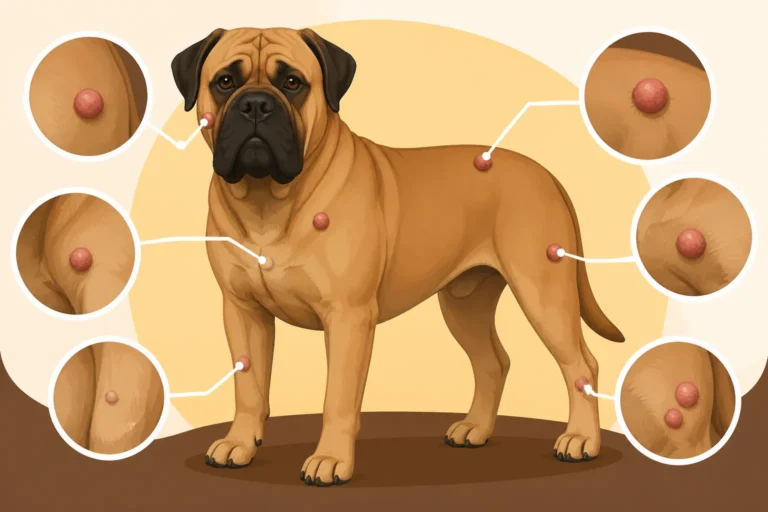
Bullmastiffs are known for their stoic nature, often hiding discomfort until a condition is quite advanced. This can unfortunately mean that lymphoma is discovered later in its progression in this breed, making the urgency of intervention all the more critical. While not always a rapidly progressing cancer, certain aggressive forms of lymphoma can advance quickly, making prompt diagnosis and treatment essential for the best possible outcome. You might notice signs like swollen lymph nodes, lethargy, or decreased appetite, but these can be subtle initially. Recognizing Signs a Bullmastiff Has Lymphoma can be difficult, as many symptoms are non-specific.
Waiting too long can allow the cancer to spread further, reducing treatment efficacy and potentially leading to more severe symptoms and a poorer prognosis. This isn't to say you should panic, but rather to emphasize the importance of following your veterinarian's recommendations for rapid diagnostic work-up and treatment initiation. Many owners feel a crushing weight of guilt if they feel they missed something, but the reality is that these dogs are masters of disguise when it comes to illness. Your focus now needs to be on what actions you can take to support your Bullmastiff and give them the best chance. Remember that Lymphoma Kills More Bullmastiffs Than Anything Else, highlighting the breed's particular vulnerability.
What a Needle Aspirate Shows in a Bullmastiff
One of the most common first steps in diagnosing lymphoma is a fine needle aspirate (FNA) of a suspicious lymph node. This procedure is relatively non-invasive and often can be done quickly in your vet's office, sometimes even without sedation for a cooperative Bullmastiff. During an FNA, your vet will use a small needle to collect a sample of cells from the enlarged lymph node. These cells are then smeared onto a slide and examined under a microscope, either by your vet or by a veterinary pathologist.
The goal of an FNA is to determine if the cells present are consistent with lymphoma. A pathologist can often identify the characteristic abnormal lymphocytes that indicate cancer. While an FNA can often confirm the presence of lymphoma, it sometimes struggles to differentiate between B-cell and T-cell types or to provide a definitive grade. However, it's an excellent initial screening tool that can quickly guide the next diagnostic steps. If the results are ambiguous or if more specific information is needed, your vet will likely recommend a biopsy for a more definitive diagnosis.
When a Bullmastiff Needs a Node Biopsy
While an FNA is great for initial suspicion, a lymph node biopsy provides a much more definitive diagnosis and critical information for treatment planning. A biopsy involves surgically removing a larger piece of tissue, or sometimes the entire lymph node, for detailed histopathological examination by a veterinary pathologist. This procedure typically requires general anesthesia, which, for a large breed like a Bullmastiff, carries its own considerations and requires careful pre-anesthetic screening.
A biopsy allows the pathologist to not only confirm lymphoma but also to determine the specific immunophenotype (B-cell or T-cell) and the grade of the lymphoma (low, intermediate, or high). This level of detail is crucial because it directly influences the choice of chemotherapy protocol and helps in predicting prognosis. For instance, high-grade T-cell lymphoma often requires a more aggressive treatment plan than low-grade B-cell lymphoma. If your vet suspects lymphoma, and especially if the FNA results are inconclusive, a biopsy is often the recommended next step to ensure you have all the necessary information to proceed with the most effective treatment for your Bullmastiff.
What Staging a Bullmastiff's Lymphoma Involves
After a diagnosis of lymphoma is confirmed, the next vital step is staging, which determines how far the cancer has spread within your Bullmastiff’s body. This process is comprehensive and helps your veterinary oncologist tailor the most appropriate treatment plan and give you a more accurate prognosis. Staging can be a bit daunting, as it involves several tests, but each one contributes to building a complete picture of the disease.
Typically, staging involves a combination of blood tests (complete blood count, chemistry panel), urine analysis, chest X-rays to check for mediastinal lymph node enlargement or lung involvement, and an abdominal ultrasound to examine internal organs like the liver, spleen, and mesenteric lymph nodes. Bone marrow aspirates and flow cytometry may also be recommended to check for involvement of the bone marrow or to further characterize the type of lymphoma. This battery of tests helps classify the lymphoma into one of five stages, with substages 'a' (no systemic signs) or 'b' (with systemic signs like lethargy or weight loss). Understanding What Staging a Bullmastiff's Lymphoma Involves is key to grasping the full scope of your dog's condition and why certain treatments are chosen over others.
The Cornerstone of Treatment: Chemotherapy Protocols
When it comes to treating lymphoma in Bullmastiffs, chemotherapy is almost always the frontline defense. It’s a word that can bring a wave of fear, conjuring images of human patients with debilitating side effects. However, canine chemotherapy is generally designed to prioritize quality of life, using lower doses and different drug combinations than human protocols, meaning most dogs tolerate it remarkably well. The goal isn't necessarily a "cure" in the human sense, but rather long-term remission and a good quality of life.
Multi-Agent Chemotherapy for Bullmastiffs
The most effective treatment for most types of canine lymphoma, particularly the multicentric form commonly seen in Bullmastiffs, is a multi-agent chemotherapy protocol. This involves using a combination of different chemotherapy drugs administered on a specific schedule. The most widely used and successful protocol is known as the CHOP protocol, which stands for Cyclophosphamide, Hydroxydaunorubicin (Doxorubicin), Oncovin (Vincristine), and Prednisone. Each drug targets cancer cells in a different way, making the combination more effective at killing them and reducing the likelihood of drug resistance.
This protocol typically involves weekly treatments for the first few weeks, followed by a more spaced-out schedule. It's a commitment, both in terms of time and resources, but it offers the best chance for achieving remission and extending your Bullmastiff's life with good quality. Your veterinary oncologist will meticulously plan the schedule, dosages, and monitor your Bullmastiff closely throughout the process, adjusting as needed. This tailored approach ensures that your Bullmastiff receives the most effective and safest treatment possible, taking into account their individual response and any potential side effects.
How Many Weeks a Bullmastiff's Chemotherapy Runs
The duration of a chemotherapy protocol for a Bullmastiff with lymphoma can vary, but generally, a standard multi-agent protocol like CHOP runs for approximately 19 to 25 weeks. This might seem like a long time, and indeed it is a significant commitment for any owner. However, it's important to understand that this duration is carefully calculated to maximize the chances of achieving a complete remission while minimizing side effects. It’s not a sprint, but a marathon, designed to chip away at the cancer over time. You might want to familiarize yourself with How Many Weeks a Bullmastiff's Chemotherapy Runs to prepare for the timeline.
During this period, your Bullmastiff will have regular appointments for drug administration, blood tests to monitor their cell counts and organ function, and physical examinations to assess their overall health and response to treatment. The schedule is structured to give your dog periods of rest between drug administrations, allowing their body to recover. If your Bullmastiff achieves remission, which means all detectable signs of cancer are gone, your oncologist might recommend continuing a maintenance phase or simply monitoring closely, depending on the specific protocol and individual case.
Managing Side Effects of Chemotherapy
While canine chemotherapy is generally well-tolerated, side effects can still occur. Owners often worry excessively about their dog's comfort during treatment, and these concerns are completely valid. The most common side effects are gastrointestinal, such as mild nausea, vomiting, or diarrhea. Less commonly, a temporary drop in white blood cell count (neutropenia) can occur, which increases the risk of infection. Hair loss is rare in Bullmastiffs, unlike in some human chemotherapy patients, but changes in coat texture can sometimes be seen.
Your veterinary oncologist will be vigilant about monitoring for these side effects. They will likely prescribe supportive medications, such as anti-nausea drugs, to proactively manage any potential discomfort. If neutropenia occurs, antibiotics might be given to prevent infection, and in some cases, a brief delay in treatment might be necessary. The key is open communication with your vet about any changes you observe in your Bullmastiff's behavior or well-being. Knowing what to expect and how to respond can make the chemotherapy journey much smoother for both you and your dog, ensuring their comfort remains a top priority.
How a Bullmastiff Tolerates Chemotherapy
It's completely understandable to be apprehensive about how your large, gentle Bullmastiff will cope with chemotherapy. Thankfully, most Bullmastiffs, like many other dogs, generally tolerate chemotherapy much better than humans do. The primary reason for this improved tolerance is the difference in treatment goals and dosages. In veterinary medicine, the focus is heavily on maintaining a good quality of life, rather than pushing for an aggressive "cure" at all costs. This means lower doses of drugs are used, and supportive care is integrated throughout the treatment process. You can delve deeper into this topic by reading How a Bullmastiff Tolerates Chemotherapy.
Many Bullmastiffs continue to eat, play, and interact with their families much as they did before treatment, experiencing only mild, transient side effects, if any. The periods of discomfort are usually short-lived and manageable with medication. It's a common relief for owners to see their dog still enjoying life, despite receiving cancer treatment. This robust tolerance allows you to cherish the extra time and quality moments with your Bullmastiff, which is ultimately the most important goal of treating lymphoma.
Beyond Chemotherapy: Other Treatment Modalities
While multi-agent chemotherapy forms the backbone of lymphoma treatment for most Bullmastiffs, it's not the only tool in the veterinary oncologist's arsenal. Depending on the specific presentation of the disease, its stage, and your Bullmastiff's individual health, other treatment modalities might be considered, either in conjunction with chemotherapy or as standalone options. These can include corticosteroid therapy, radiation, or even surgery in very specific circumstances.
The Role of Prednisone Alone for a Bullmastiff
Prednisone, a corticosteroid, is a powerful anti-inflammatory and immunosuppressive drug that can directly kill lymphoma cells, especially early on. In many multi-agent chemotherapy protocols, prednisone is an integral component. However, some owners, due to financial constraints or a desire for a less intensive approach, might consider prednisone alone as a palliative treatment for their Bullmastiff. While prednisone can offer a temporary improvement in clinical signs—such as reducing swollen lymph nodes, improving appetite, and increasing energy—it is generally not considered a curative treatment.
When used alone, prednisone typically leads to a shorter remission period compared to multi-agent chemotherapy, often lasting only a few weeks to a couple of months. It can also complicate subsequent multi-agent chemotherapy if introduced too early, as it may induce drug resistance. Therefore, if comprehensive chemotherapy is a possibility, it's usually recommended to use prednisone judiciously, ideally as part of a full protocol or as a last resort for comfort care. Discussing Whether Prednisone Alone Helps a Bullmastiff with your veterinary oncologist is crucial to understand its limitations and benefits in your dog's specific case.
Radiation Therapy as an Option
Radiation therapy is another powerful tool in cancer treatment, though its application for lymphoma in Bullmastiffs is more specialized. Unlike chemotherapy, which is systemic and targets cancer cells throughout the body, radiation therapy is a localized treatment. This means it's most effective when the lymphoma is confined to a specific area and hasn't spread widely. For instance, if your Bullmastiff has nasal lymphoma or a localized form of lymphoma affecting a single lymph node that hasn't responded to chemotherapy, radiation might be considered.
The process of radiation therapy involves directing high-energy beams to the tumor site, which damages the DNA of cancer cells and prevents them from growing and dividing. This requires multiple treatment sessions, often over several weeks, and each session typically requires your Bullmastiff to be sedated or anesthetized to ensure precise targeting and immobility. While effective in certain scenarios, radiation therapy is not a common primary treatment for widespread multicentric lymphoma, which is the most prevalent form in Bullmastiffs. It's a highly specialized and expensive option, usually performed at referral veterinary oncology centers.
Surgical Intervention in Specific Cases
Generally, surgery is not a primary treatment for lymphoma because it's a systemic cancer, meaning it's usually present throughout the lymphatic system even if only one or two lymph nodes are noticeably enlarged. You can't simply cut out all the cancer. However, there are very specific situations where surgical intervention might play a role in a Bullmastiff's lymphoma treatment plan. For instance, if your Bullmastiff has an isolated, single lymph node involved (Stage I) and other diagnostics confirm no spread, surgical removal of that node followed by chemotherapy might be considered.
Another scenario is if a specific mass caused by lymphoma is causing a significant obstruction or discomfort, such as a large gastrointestinal lymphoma mass blocking the digestive tract. In such cases, surgery might be performed to debulk the tumor, relieving symptoms and improving quality of life, even if the primary treatment will still be chemotherapy. It's important to understand that surgery alone is rarely curative for lymphoma, and it's almost always followed by chemotherapy or other systemic treatments to address any remaining cancer cells.
The Financial Reality of Lymphoma Treatment
Beyond the emotional toll, a lymphoma diagnosis for your Bullmastiff also brings significant financial stress. The cost of cancer treatment can be substantial, and it’s a reality that no owner should face unprepared. It's not just the chemotherapy drugs themselves; it’s the diagnostics, the specialist consultations, the ongoing monitoring, and potential emergency care for side effects. Being realistic about the potential expenses is a crucial part of making informed decisions for your Bullmastiff’s care.
The High Cost of Chemotherapy and Supportive Care
The cost of treating lymphoma in a Bullmastiff can vary widely based on the specific protocol, the number of treatments, and where you live. However, it's generally one of the more expensive conditions to treat in veterinary medicine. A full CHOP protocol, which is the gold standard, can easily range from $3,000 to $7,000 or even higher over the course of several months. This figure often includes the drugs, administration fees, and basic monitoring bloodwork. You might find it helpful to look into What Chemotherapy Costs for a Bullmastiff to get a better sense of the numbers involved.
Beyond the core chemotherapy, you need to factor in additional costs. Initial diagnostic tests like biopsies, X-rays, and ultrasounds for staging can add hundreds to thousands of dollars. Specialist consultations with a veterinary oncologist also have their own fees. Then there are supportive medications for nausea or infection, potential emergency visits for severe side effects, and ongoing follow-up appointments. It’s a significant financial undertaking, and it's easy for owners to feel overwhelmed by the sheer scale of the potential bills.
Navigating Pet Insurance and Financial Aid
This is where planning ahead can truly make a difference. If you have pet insurance, it can be an absolute lifesaver when facing a diagnosis like lymphoma. Policies vary widely, but many comprehensive plans will cover a significant portion of cancer treatment costs, including chemotherapy, diagnostics, and specialist visits. However, it's critical to understand your policy's specifics, including deductibles, reimbursement percentages, and annual limits. If you're considering a Bullmastiff puppy, getting pet insurance early is one of the best financial decisions you can make, long before any pre-existing conditions could be excluded. Many owners wonder Whether Insurance Covers a Bullmastiff's Chemotherapy – the answer is often yes, if the policy was in place before diagnosis.
For those without pet insurance, or whose policies don't cover enough, exploring financial aid options is essential. Organizations like The Canine Cancer Fund, The Magic Bullet Fund, or RedRover often offer grants or assistance to pet owners struggling with vet bills. Additionally, many veterinary hospitals and oncology centers have payment plans or work with third-party financing options like CareCredit. It's worth discussing these options with your vet's office manager or financial coordinator. They often have resources and experience helping owners navigate these difficult financial decisions. Companies like Healthy Paws are well-regarded for their comprehensive coverage, and exploring options from providers like Healthy Paws, even retrospectively for future needs, can provide peace of mind. Remember, Healthy Paws, or similar providers, typically require the policy to be active before a diagnosis for coverage.
Comparing Common Lymphoma Treatment Costs and Outcomes
To provide a clearer picture of the financial commitment and potential outcomes, here's a table summarizing common treatment approaches for Bullmastiff lymphoma. Please note that these are approximate ranges and can vary significantly based on location, specific veterinary practice, and individual patient needs.
| Treatment Approach | Estimated Cost Range (USD) | Typical Remission Duration | Quality of Life During Treatment | Primary Goal |
|---|---|---|---|---|
| No Treatment | $0 – $100 (comfort meds) | Days to a few weeks | Declining | Comfort, no intervention |
| Prednisone Alone | $100 – $500 | 1-3 months | Fair to good, initially | Palliative, temporary relief |
| CHOP Protocol | $3,000 – $7,000+ | 6-12 months (avg.) | Good to excellent | Remission, life extension |
| Doxorubicin Alone | $1,000 – $3,000 | 3-6 months | Good | Remission, life extension |
| Radiation (Localized) | $4,000 – $10,000+ | Highly variable | Can be challenging due to sedation | Local control of tumor |
Note: Costs do not include initial diagnostics, specialist consultations, or potential emergency care. Remission durations are averages and can vary widely.
Prognosis and Quality of Life Considerations
Facing a lymphoma diagnosis means confronting difficult realities about your Bullmastiff's future. While treatments aim for remission and extended life, understanding the prognosis and prioritizing your dog's quality of life throughout the journey is paramount. It’s a delicate balance of hope and realism, ensuring every decision is made with your gentle giant’s comfort and well-being at the forefront.
Understanding Remission and Relapse
When your Bullmastiff undergoes chemotherapy, the primary goal is to achieve remission. Remission means that all visible signs of cancer have disappeared, and your Bullmastiff appears healthy and symptom-free. This is a wonderful moment, offering a period of normalcy and joy. However, it’s important to understand that in most cases of canine lymphoma, remission is rarely a permanent cure. The cancer cells often eventually return, leading to a relapse. This isn't a failure of treatment, but rather the nature of the disease. It’s also important to understand How Long Remission Lasts in a Bullmastiff to manage expectations.
The duration of remission can vary greatly depending on the lymphoma type (B-cell versus T-cell), the stage at diagnosis, and the specific chemotherapy protocol used. On average, with a multi-agent protocol like CHOP, remission might last anywhere from 6 to 12 months. When a relapse occurs, it can be devastating, but it doesn't always mean the end. Sometimes, a second round of chemotherapy, often with different drugs, can induce another remission, though these subsequent remissions tend to be shorter. It’s a rollercoaster of emotions, and preparing for the possibility of relapse can help you navigate those difficult times.
What a Bullmastiff's Lymphoma Relapse Looks Like
Recognizing the signs of relapse in your Bullmastiff is crucial for prompt action, though it can be emotionally challenging. A lymphoma relapse typically manifests with the reappearance of symptoms that you observed during the initial diagnosis. The most common sign is the re-enlargement of lymph nodes, which you might feel in the neck, armpits, or behind the knees. These nodes might return quickly, sometimes within days or weeks of completing the initial treatment. Understanding What a Bullmastiff's Lymphoma Relapse Looks Like can help you recognize these crucial indicators early.
Beyond palpable lymph nodes, other signs of relapse can include a return of lethargy, decreased appetite, weight loss, or other systemic symptoms that might have been present before treatment. It's important to differentiate between a mild, temporary dip in energy or appetite (which can happen with any dog) and a persistent, concerning recurrence of symptoms. If you notice any of these signs, contact your veterinary oncologist immediately. While the news of relapse is heartbreaking, prompt intervention can sometimes lead to a second remission and more precious time with your beloved Bullmastiff.
When Treatment Stops Being Right for a Bullmastiff
Deciding when to stop active treatment for your Bullmastiff is one of the most difficult and heartbreaking decisions an owner will face. There comes a point where the benefits of continuing aggressive treatment are outweighed by the toll it takes on your dog's quality of life. This decision is deeply personal and should be made in close consultation with your veterinary oncologist, who can offer guidance based on your Bullmastiff’s medical condition and response to therapy. Exploring When Treatment Stops Being Right for a Bullmastiff can provide valuable perspective.
Key indicators that it might be time to shift focus from cure to comfort include a lack of response to multiple chemotherapy protocols, severe or persistent side effects that significantly diminish their joy, or a general decline in their ability to enjoy normal activities like eating, playing, or interacting with family. It's about prioritizing their comfort and dignity above all else. At this stage, palliative care becomes the focus, aiming to keep your Bullmastiff as comfortable and pain-free as possible for their remaining time, whether through medications, dietary adjustments, or environmental modifications.
Prioritizing Comfort and Dignity
Ultimately, the journey through lymphoma treatment with your Bullmastiff is about ensuring their comfort and preserving their dignity every step of the way. While we fight hard for more time, the quality of that time is what truly matters. This means making conscious choices that focus on their physical and emotional well-being, even when facing difficult realities. This could involve adjusting their living space to make it more comfortable, ensuring they have access to their favorite soft beds, and spending extra time on gentle grooming and affection.
Palliative care focuses on managing pain, nausea, and other symptoms to maintain the best possible quality of life. This might include pain medications, appetite stimulants, or anti-nausea drugs. It's about letting them enjoy their favorite treats, short gentle walks if they're up to it, and simply being present with them. This period, though difficult, can be incredibly meaningful, allowing you to create lasting memories and offer your Bullmastiff the love and care they deserve until their very last moments.
Disclaimer
Please remember that this article provides general information and should not replace professional veterinary advice. Always consult with a qualified veterinary professional for diagnosis and treatment options specific to your Bullmastiff's health condition. Cancer treatment is complex, and individual outcomes can vary.