How Long a Bullmastiff Lives After a Lymphoma Diagnosis
Hearing that your beloved Bullmastiff has been diagnosed with lymphoma is absolutely devastating, a gut punch that leaves you reeling with questions about their future. It's a cruel reality, and the immediate thought often turns to "How much time do we have left?" This guide aims to walk you through the difficult journey of understanding what a lymphoma diagnosis truly means for your Bullmastiff's lifespan, exploring treatment options, realistic prognoses, and how to maximize their comfort and quality of life.
Understanding the Lymphoma Diagnosis in Bullmastiffs
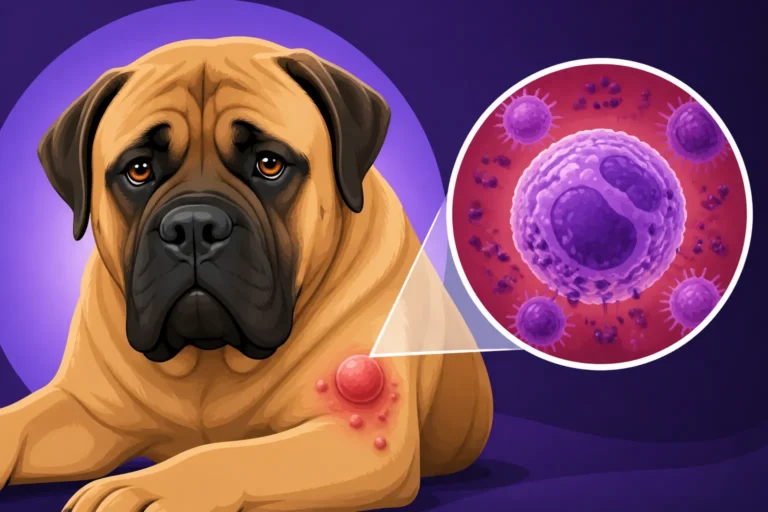
Lymphoma is a cancer of the lymphatic system, a vital part of your Bullmastiff's immune system. When your vet delivers this news, it’s often after noticing swollen lymph nodes, or perhaps after a more general unwellness, and then confirming it with diagnostic tests. The initial shock is immense, and it’s natural to feel overwhelmed, confused, and heartbroken all at once. For Bullmastiffs, this diagnosis carries a particularly heavy weight, as they are disproportionately affected by lymphoma compared to many other breeds. If you're grappling with the thought of What Lymphoma Does to a Bullmastiff, you're certainly not alone in your concerns.
Many owners find themselves scrambling for information, trying to understand everything from the type of lymphoma to the stages, and what it all means for their gentle giant. The key thing to remember is that while lymphoma is serious, it’s not an immediate death sentence, and there are proactive steps you can take. Your vet is your primary resource, but having a foundational understanding can help you ask the right questions and make informed decisions during this incredibly challenging time.
The Initial Shock and What It Means
That moment you hear the word "cancer" in relation to your cherished Bullmastiff feels like the world stops spinning. Perhaps you first noticed a lump in their neck, under their jaw, or in their armpit – a common first sign for many Bullmastiffs. Or maybe they've just been a bit "off," less enthusiastic about their walk, or perhaps eating a little less than usual. These subtle changes, or more obvious swellings, often lead to a vet visit, and then the inevitable tests that confirm your worst fears. It's an agonizing period of uncertainty, and the emotional toll on owners is immense.
Lymphoma itself is essentially an uncontrolled proliferation of lymphocytes, a type of white blood cell, which can occur in various parts of the body. In Bullmastiffs, multicentric lymphoma, affecting many lymph nodes, is the most common form, often presenting as firm, enlarged nodes that feel like walnuts or even golf balls under the skin. It's important to differentiate between reactive lymph nodes (due to infection) and cancerous ones, which is why diagnostic tests are so critical. The specific type of lymphoma, whether it's B-cell or T-cell, also plays a significant role in determining the prognosis and the most effective treatment plan.
Staging and Prognosis Factors
Once lymphoma is diagnosed, your veterinarian, often in consultation with an oncologist, will recommend "staging." This process is absolutely crucial because it helps determine how widespread the cancer is and, subsequently, dictates the best course of action and the most accurate prognosis. Staging typically involves blood work, urine analysis, chest X-rays to check for lung involvement, and an abdominal ultrasound to examine internal organs like the spleen and liver. Sometimes, a bone marrow aspirate is also performed. Understanding What Staging a Bullmastiff's Lymphoma Involves is key to preparing yourself for the journey ahead.
Lymphoma is commonly staged from I to V:
- Stage I: Involves only one lymph node or lymphoid organ in a single region.
- Stage II: Involves multiple lymph nodes in a regional area.
- Stage III: Generalized lymph node involvement throughout the body.
- Stage IV: Involvement of the liver and/or spleen, with or without lymph node involvement.
- Stage V: Involvement of bone marrow, central nervous system, or other non-lymphoid organs.
Beyond the stage, several other factors heavily influence your Bullmastiff's prognosis and how long they might live after diagnosis. The immunophenotype – whether it's a B-cell or T-cell lymphoma – is arguably one of the most significant. B-cell lymphoma generally carries a better prognosis and responds more favorably to chemotherapy than T-cell lymphoma. Other factors include the dog's clinical signs (whether they are feeling sick or not, known as substage 'a' for healthy, 'b' for sick), the anatomical location of the tumor (e.g., gastrointestinal lymphoma often has a poorer prognosis), and any pre-existing health conditions that might complicate treatment. Every Bullmastiff is an individual, and while these factors provide a framework, their unique response to treatment will also play a huge role.
Treatment Approaches and Their Impact on Lifespan
When faced with a lymphoma diagnosis, the discussion inevitably turns to treatment. For many Bullmastiff owners, the idea of chemotherapy for their beloved companion is daunting, even frightening. You worry about side effects, about their quality of life, and whether the treatment itself will be harder than the disease. It's a completely valid concern, and navigating these options requires a delicate balance of hope, realism, and a deep understanding of what each path entails for your Bullmastiff.
The good news is that lymphoma is often a treatable cancer in dogs, meaning that while a cure is rare, remission and a good quality of life for an extended period are very achievable with the right approach. The goal of treatment isn't just to extend life, but to ensure that the time gained is filled with comfort, joy, and as much normalcy as possible. This is where the expertise of a veterinary oncologist becomes invaluable, as they can tailor a protocol specifically for your Bullmastiff's needs.
Chemotherapy Protocols
For most Bullmastiffs diagnosed with lymphoma, especially multicentric forms, multi-agent chemotherapy is the recommended treatment. The gold standard protocol, often referred to as the "CHOP" protocol, involves a combination of several different chemotherapy drugs administered over a period of weeks. This typically includes Cyclophosphamide, Hydroxydaunorubicin (Doxorubicin), Vincristine (Oncovin), and Prednisone. This combination targets cancer cells at various stages of their growth cycle, increasing the likelihood of inducing remission. If you're wondering How Many Weeks a Bullmastiff's Chemotherapy Runs, a standard CHOP protocol often lasts between 16 to 25 weeks, depending on the specific regimen and the dog's response.
Bullmastiffs generally tolerate chemotherapy much better than humans do, which is often a huge relief for owners. The doses are carefully calculated to minimize side effects, focusing on quality of life. While side effects like mild nausea, temporary loss of appetite, or lethargy can occur, severe side effects like hair loss (rare in dogs) or persistent vomiting are less common. Your veterinary team will closely monitor your Bullmastiff throughout the process, adjusting dosages or providing supportive medications as needed. The aim is to get the cancer into remission – meaning the signs of cancer disappear – and maintain that remission for as long as possible. Understanding How a Bullmastiff Tolerates Chemotherapy can help alleviate some of the natural anxieties you might have.
Palliative Care and Quality of Life
Sometimes, aggressive chemotherapy isn't the right choice for a Bullmastiff or their family. This could be due to advanced stage of disease, other underlying health issues, financial constraints (as chemotherapy can be costly), or simply a personal preference to prioritize comfort over extending life at any cost. In these situations, palliative care becomes the focus. The primary goal of palliative care is to manage symptoms, reduce pain, and maintain the highest possible quality of life for your Bullmastiff for the time they have left.
A cornerstone of palliative treatment for lymphoma is often prednisone, a corticosteroid. While prednisone isn't a cure, it can provide significant relief by shrinking cancerous lymph nodes, improving appetite, reducing inflammation, and boosting energy levels. Many owners report a noticeable improvement in their Bullmastiff's well-being when on prednisone, sometimes for several weeks or even a few months. Other aspects of palliative care might include pain management with NSAIDs or other analgesics, anti-nausea medications, appetite stimulants, and nutritional support. The decision to pursue palliative care or aggressive chemotherapy is deeply personal, and there is no right or wrong answer; it's about what is best for your unique Bullmastiff and your family. For owners considering Whether Prednisone Alone Helps a Bullmastiff, it's important to understand it offers palliation, not a cure, but can significantly improve comfort.
Expected Lifespan With Treatment
This is often the most pressing question for owners: how much time does my Bullmastiff truly have? It's a question without a single, simple answer, as the duration can vary significantly based on the type of lymphoma, the stage, the specific treatment protocol, and the individual dog's response. What we can do is look at the statistics and understand the ranges, while always holding onto hope that your Bullmastiff might defy the odds.
It's a tough conversation to have, but facing the realistic expectations allows you to make the most of the time you have, whether that's a few extra months or a couple of years. The median survival times provided by veterinary oncologists are just that – medians. Some dogs will live longer, some shorter, but they provide a valuable benchmark for decision-making.
Remission Durations and Recurrence
With successful chemotherapy, the primary goal is to achieve remission. The duration of this remission is a critical factor in determining your Bullmastiff's overall survival time. For B-cell lymphoma, which, as mentioned, generally has a better prognosis, the median remission time with a multi-agent chemotherapy protocol (like CHOP) is often around 6 to 12 months. This means that after treatment, your Bullmastiff could enjoy a period of feeling well and being cancer-free for this duration. T-cell lymphoma, unfortunately, tends to be more aggressive and less responsive to standard chemotherapy, with median remission times typically shorter, often in the range of 3 to 6 months.
It's heartbreaking to hear, but lymphoma almost always recurs. The cancer cells become resistant to the drugs, and the disease eventually comes out of remission. When this happens, it's called a relapse. What a Bullmastiff's Lymphoma Relapse Looks Like can vary, but it often involves the re-enlargement of lymph nodes, a return of clinical signs like lethargy or poor appetite, or new symptoms depending on where the cancer reappears. At this point, a second round of chemotherapy with different drugs might be attempted, but subsequent remissions tend to be shorter and harder to achieve. Knowing How Long Remission Lasts in a Bullmastiff helps set realistic expectations for the journey.
Median Survival Times
When considering the full picture, including initial treatment, remission, and any subsequent treatments, the median survival times for Bullmastiffs with lymphoma generally fall into these ranges:
- With Multi-Agent Chemotherapy (e.g., CHOP protocol): For dogs with B-cell lymphoma, the median survival time typically ranges from 10 to 14 months. Some Bullmastiffs, particularly those diagnosed early and with good treatment response, can live 1.5 to 2 years, or even a bit longer. For T-cell lymphoma, the median survival time is generally shorter, often in the 4 to 8-month range, even with aggressive treatment.
- With Prednisone Alone (Palliative Care): If only prednisone is administered without chemotherapy, the median survival time is typically 2 to 3 months. While this is significantly shorter than with chemotherapy, it can offer valuable quality time, free from the stress of frequent vet visits for drug administration.
- Without Any Treatment: Sadly, without any intervention, the prognosis is very poor, with a median survival time of only a few weeks to 1-2 months at best, as the disease progresses rapidly and severely impacts organ function and quality of life.
It's crucial to understand these are median figures. This means 50% of dogs will live longer and 50% will live shorter. Your Bullmastiff might be on the higher end, especially with dedicated care and a favorable response to treatment. For comparison, here's a table summarizing typical median survival times for canine lymphoma:
| Lymphoma Type (Immunophenotype) | Treatment Protocol | Median Remission Duration | Median Overall Survival Time |
|---|---|---|---|
| B-Cell Lymphoma | Multi-Agent Chemotherapy | 6-12 months | 10-14 months |
| T-Cell Lymphoma | Multi-Agent Chemotherapy | 3-6 months | 4-8 months |
| Undetermined/Any Type | Prednisone Alone | 1-3 months | 2-3 months |
| Undetermined/Any Type | No Treatment | N/A | 1-2 months |
These numbers are sobering, but they also highlight the significant impact treatment can have. The choice is always yours, and it’s about what you feel is right for your Bullmastiff and your family, balancing quantity of life with quality of life.
Factors Influencing a Bullmastiff's Post-Diagnosis Lifespan
While the type of lymphoma and treatment protocol are major players in determining your Bullmastiff's post-diagnosis lifespan, they are by no means the only ones. There's a myriad of other elements, some within your control and some not, that can sway the pendulum of time. Understanding these can empower you to make the most informed choices and maximize your gentle giant's chances of a longer, happier life. It's a holistic approach that considers not just the disease, but the entire dog and their living situation.
The journey through lymphoma treatment can be long and emotionally taxing, both for the Bullmastiff and their human family. Being prepared for these influencing factors can help you navigate the challenges with a clearer head and a stronger heart.
Individual Dog Factors
Every Bullmastiff is an individual, and their unique physiology and circumstances play a huge role in how they respond to lymphoma and its treatment.
- Age and Overall Health: A younger Bullmastiff, free from other significant health issues, generally has a better prognosis and tolerance for chemotherapy than an older dog with multiple co-morbidities. For instance, a Bullmastiff already struggling with conditions like Hypothyroidism in a Bullmastiff or Subaortic Stenosis Is There Before a Bullmastiff's First Birthday might find the rigors of chemotherapy more challenging. Their overall vitality and organ function are critical for handling the drugs and recovering effectively.
- Clinical Substage: Whether your Bullmastiff is considered "substage a" (feeling well, no systemic signs of illness) or "substage b" (showing signs like lethargy, weight loss, poor appetite) at the time of diagnosis significantly impacts prognosis. Dogs in substage 'a' typically respond better to treatment and have longer survival times. A Bullmastiff who is already feeling very unwell will likely have a tougher battle ahead.
- Response to Initial Treatment: How quickly and completely your Bullmastiff goes into remission after the first few doses of chemotherapy is a strong indicator of their long-term prognosis. A rapid, complete remission is a positive sign, while a partial or slow response can suggest a more aggressive form of the disease or a less effective treatment protocol for that individual.
- Weight and Body Condition: Maintaining a healthy weight and good muscle mass is crucial. An emaciated Bullmastiff might struggle more with treatment, while an overweight one could face other health complications. Good nutrition and physical condition support the immune system and overall resilience.
Owner Commitment and Financial Considerations
Let's be real: treating cancer, especially with chemotherapy, is a significant commitment. It's not just about the money; it's about time, emotional energy, and dedication. These factors are just as vital as the clinical ones in determining a Bullmastiff's post-diagnosis lifespan.
- Financial Resources: Chemotherapy for lymphoma can be expensive, easily ranging into thousands of dollars for a full protocol. This includes the initial staging, the chemotherapy drugs themselves, frequent recheck appointments, blood work, and any supportive medications needed for side effects. For many families, this is a huge hurdle, and the financial strain can be overwhelming. This is where having pet insurance like Healthy Paws can truly be a lifesaver, helping to cover a significant portion of these costs and allowing you to focus on your Bullmastiff's care rather than the bill. Early insurance enrollment, ideally when your Bullmastiff is a puppy, means conditions like cancer might be covered.
- Time and Logistics: Chemotherapy protocols often involve weekly or bi-weekly visits to the veterinary oncologist for several months. This requires a substantial time commitment for travel, waiting at the clinic, and administering any at-home medications. Owners need to be prepared for this demanding schedule and the potential disruption it brings to their daily lives.
- Emotional Resilience: Watching your Bullmastiff go through cancer treatment is emotionally draining. There will be good days and bad days, periods of hope and moments of despair. Your emotional strength and ability to stay positive and committed to their care, even when things are tough, are incredibly important for your Bullmastiff's well-being. They pick up on your stress, so managing your own emotions is part of the care package.
- Adherence to Treatment Plan: Following the veterinarian's instructions precisely, including administering medications on time and attending all scheduled appointments, is paramount. Any deviation can impact the effectiveness of the treatment and potentially shorten remission times. This is why a strong partnership with your veterinary team is essential. Healthy Paws, for instance, emphasizes responsible pet ownership and adhering to vet-recommended treatments, which aligns with their coverage policies.
Navigating Life After a Lymphoma Diagnosis
Life after a lymphoma diagnosis for your Bullmastiff is a new kind of normal. It’s a delicate dance between vigilance and living in the moment, appreciating every cuddle, every lumbering walk, and every goofy snore. While the shadow of the disease may always linger, your focus shifts to optimizing their remaining time, whether that is measured in months or years. This period demands a unique blend of practical care, emotional resilience, and an unwavering commitment to your Bullmastiff's happiness.
The goal isn't just about extending life, but about enriching it. This means being attuned to their needs, understanding their subtle cues, and making sure their quality of life remains paramount. For those who've chosen the path of chemotherapy, it involves careful monitoring; for those on palliative care, it's about comfort and joy.
Monitoring for Relapse
Even after achieving remission with chemotherapy, the vast majority of Bullmastiffs will experience a relapse. This isn't a failure of treatment, but rather the nature of lymphoma. Being prepared for this possibility allows you to act quickly when it happens. Regular follow-up appointments with your veterinary oncologist are crucial, often involving physical exams, lymph node checks, and blood work to catch any signs of recurrence early. Early detection of relapse can sometimes mean more effective options for a second remission.
At home, you become your Bullmastiff's most important monitor. You'll want to regularly check their peripheral lymph nodes yourself – under the jaw, in the armpits, and behind the knees. Learn Where a Bullmastiff's Swollen Nodes Are Felt First and make this a part of your routine cuddles. Keep a close eye on their appetite, energy levels, and overall demeanor. Any return of lethargy, decreased appetite, weight loss, or re-enlargement of lymph nodes should prompt an immediate call to your vet. Don't hesitate to voice concerns, even if they seem minor; you know your Bullmastiff best. Prompt action can make a difference in how a relapse is managed.
Making Difficult Decisions
As the disease progresses, or if your Bullmastiff experiences multiple relapses, you will inevitably face increasingly difficult decisions about their care. There comes a point where continued aggressive treatment may no longer be in their best interest, or the quality of life gained no longer outweighs the side effects and stress of treatment. This is an incredibly painful realization, but it's a compassionate one. Recognizing When Treatment Stops Being Right for a Bullmastiff is a testament to your love and commitment.
The concept of "quality of life" becomes the guiding principle. Consider factors like:
- Pain and Discomfort: Is your Bullmastiff in constant pain that can't be adequately controlled?
- Appetite and Hydration: Are they eating and drinking enough, or are they constantly nauseous and disinterested in food?
- Energy Levels and Enjoyment: Are they still enjoying their favorite activities, interacting with the family, or do they seem constantly lethargic and withdrawn?
- Mobility: Can they still get up and move around comfortably, or is every step a struggle, perhaps exacerbated by conditions like Hip Dysplasia in a Bullmastiff?
- Dignity: Are they able to maintain their dignity, or are they experiencing frequent accidents or uncontrollable symptoms?
Having an honest conversation with your veterinarian about your Bullmastiff's quality of life is essential. Many vets use quality of life scales to help owners objectively assess their pet's well-being. Ultimately, deciding to say goodbye is the final, most selfless act of love an owner can make. It's about preventing suffering and ensuring your Bullmastiff passes peacefully, surrounded by love. It’s a decision born of profound love, not defeat.
Support Systems and Resources
No one should have to navigate a Bullmastiff's lymphoma diagnosis alone. The emotional, financial, and logistical challenges are immense, and having a strong support system can make all the difference. From specialized medical professionals to compassionate communities, there are resources available to help you and your Bullmastiff through this incredibly tough journey. Leaning on these supports doesn't make you weak; it makes you smart and resilient.
Remember, this is a marathon, not a sprint. You'll need allies who understand the nuances of the disease, the emotional rollercoaster you're on, and the specific needs of a giant breed dog. Don't hesitate to reach out and utilize every available resource.
Veterinary Oncologists and Specialists
While your primary care veterinarian is excellent for general health, a diagnosis of lymphoma in a Bullmastiff warrants consultation with a board-certified veterinary oncologist. These specialists have advanced training in diagnosing and treating cancer in animals. They are up-to-date on the latest research, treatment protocols, and supportive care options. They can offer insights into the specific immunophenotype of your Bullmastiff's lymphoma (B-cell versus T-cell), which significantly impacts prognosis and treatment choices, as well as advise on Which Type of Lymphoma a Bullmastiff Gets.
A veterinary oncologist will work with you to develop the most effective, individualized treatment plan for your Bullmastiff, balancing efficacy with quality of life. They can also manage potential side effects of chemotherapy, recommend appropriate medications, and advise on nutritional support. Their expertise can truly make a difference in extending your Bullmastiff's life and improving their comfort during treatment. Don't be afraid to ask for a referral, even if it means traveling a bit further to a specialized center. The extra miles are often worth it for the specialized care your Bullmastiff will receive.
Community and Emotional Support
Coping with a cancer diagnosis in your Bullmastiff is an emotional ordeal, and it's vital to have people who understand what you're going through.
- Support Groups: Online forums and local support groups for pet cancer owners can be an incredible source of comfort, shared experiences, and practical advice. Connecting with others who are facing similar challenges with their own dogs can alleviate feelings of isolation and provide a safe space to express your fears and hopes. These communities often share tips on managing side effects, finding reputable products, and even dealing with the grief that comes with the journey.
- Friends and Family: Lean on your trusted friends and family members. While they might not fully grasp the specifics of lymphoma, their emotional support, practical help (like running errands or bringing meals), and willingness to listen can be invaluable. Don't be afraid to ask for help; you're going through a lot.
- Grief Counseling: Pet loss and anticipatory grief are very real. Many veterinary practices or local humane societies offer grief counseling services or can refer you to professionals who specialize in supporting pet owners through illness and loss. It's a healthy way to process your emotions and prepare for the difficult decisions ahead.
Remember that taking care of yourself is also part of taking care of your Bullmastiff. You can’t pour from an empty cup. Allowing yourself to seek support, to grieve, and to find moments of joy amidst the challenges will ultimately benefit both you and your beloved Bullmastiff.
Disclaimer
The information provided in this guide is intended for educational and informational purposes only and does not constitute veterinary medical advice. Always consult with a qualified veterinarian or veterinary oncologist for any health concerns or before making any decisions about your Bullmastiff's medical care or treatment.