How to Check a Bullmastiff for Lumps
Discovering a new lump or bump on your beloved Bullmastiff can send a ripple of panic through even the most seasoned dog owner. These gentle giants, with their impressive size and stoic demeanor, can hide issues incredibly well, and finding an unexpected growth often sparks immediate worry about their health. This comprehensive guide will walk you through the proper way to regularly check your Bullmastiff for lumps, equipping you with the knowledge to identify changes and know when it’s time to call the vet.
Why Regular Lump Checks Are Crucial for Your Bullmastiff
As a Bullmastiff parent, you're acutely aware of their unique health considerations. Unlike some breeds, Bullmastiffs carry certain predispositions that make proactive monitoring not just good practice, but an essential part of their care routine. Regular, thorough lump checks are your first line of defense in catching potential problems early, often making a significant difference in outcomes.
The Bullmastiff's Predisposition to Certain Lumps
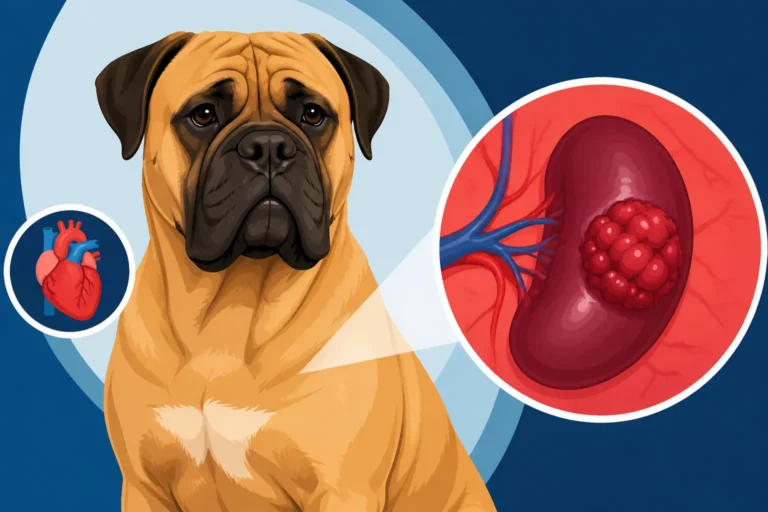
Bullmastiffs, unfortunately, are genetically prone to certain types of growths, both benign and malignant. This isn't to say every lump is a cause for alarm, but it does mean you need to be more vigilant than owners of some other breeds. For instance, these powerful dogs have a significantly higher risk for certain cancers. It’s a sobering thought, but understanding this predisposition empowers you to be a more effective advocate for their health. Many owners are surprised to learn that Lymphoma Kills More Bullmastiffs Than Anything Else and that their breed's lymphoma risk is actually Why a Bullmastiff's Lymphoma Risk Is Five Times a Mixed Breed's. This knowledge underscores why those routine checks aren't just for peace of mind, but critical preventative care.
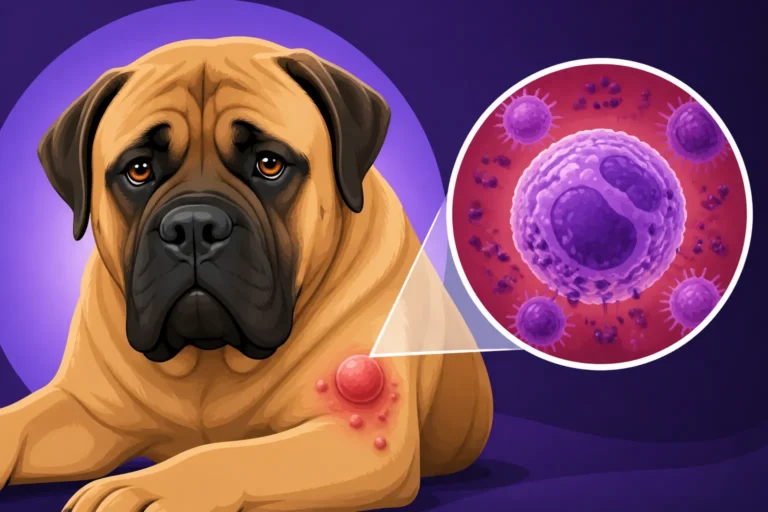
Beyond lymphoma, Bullmastiffs can also be prone to Mast Cell Tumors and the Lumps on a Bullmastiff, which can appear almost anywhere on or under the skin. These can range from relatively harmless to aggressive, making early detection paramount. Knowing your dog’s specific genetic lottery isn't about fear, but about being informed and ready to act. You'll likely encounter benign fatty tumors (lipomas) or sebaceous cysts, too, which are often just a part of aging for many large breeds. The challenge is distinguishing these from something more sinister without a vet’s help.
Catching Issues Early for Better Outcomes
The simple truth is, early detection vastly improves the prognosis for many serious conditions, particularly cancers. A small, seemingly insignificant lump found early might be entirely treatable, whereas the same lump discovered months later, after it has grown or spread, could present a much more challenging scenario. Think of your regular lump checks as a vital part of your Bullmastiff’s preventative healthcare, akin to their annual vet visits or parasite prevention. It’s an investment of time that can pay dividends in their health and potentially extend their time with you.
Many Bullmastiff owners find themselves regretting not noticing a lump sooner, especially when faced with aggressive cancers. When you're dealing with a breed whose lifespan is, on average, shorter than many others—The Median Bullmastiff Lives Eight and a Half Years—every healthy day counts. Early detection means more options, potentially less invasive treatments, and a better chance for your dog to recover and maintain a good quality of life. It’s about being proactive, not reactive, and giving your Bullmastiff the best possible chance against whatever challenges come their way.
Preparing for Your Bullmastiff's At-Home Lump Examination
Before you dive into a full-body inspection, setting the right stage is key. A Bullmastiff is a big, sensitive dog, and making this a positive, calm experience will ensure they cooperate and that you can conduct a thorough check without undue stress for either of you. It's not just about looking; it's about feeling carefully and consistently.
Creating a Calm and Positive Environment
Your Bullmastiff picks up on your mood, so approaching the check with a calm, confident demeanor is vital. Choose a time when your dog is relaxed, perhaps after a gentle walk or a meal. Find a quiet spot in your home where you won't be interrupted, maybe on their favorite bed or rug where they feel secure. Make it a pleasant experience by using plenty of praise, gentle strokes, and even some high-value treats. You want them to associate this routine with positive reinforcement, not anxiety.
Imagine it as a spa session for your dog, rather than a medical examination. Speak in a soothing voice, offer treats frequently, especially when you're examining sensitive areas. If your Bullmastiff is particularly anxious, break the check into smaller segments over the course of an hour or even a day. Start with areas they enjoy being touched, like their chest or flanks, and gradually work towards more sensitive spots. Consistency in this positive approach will make future checks much easier and less stressful for both of you.
Essential Tools and Techniques for Effective Palpation
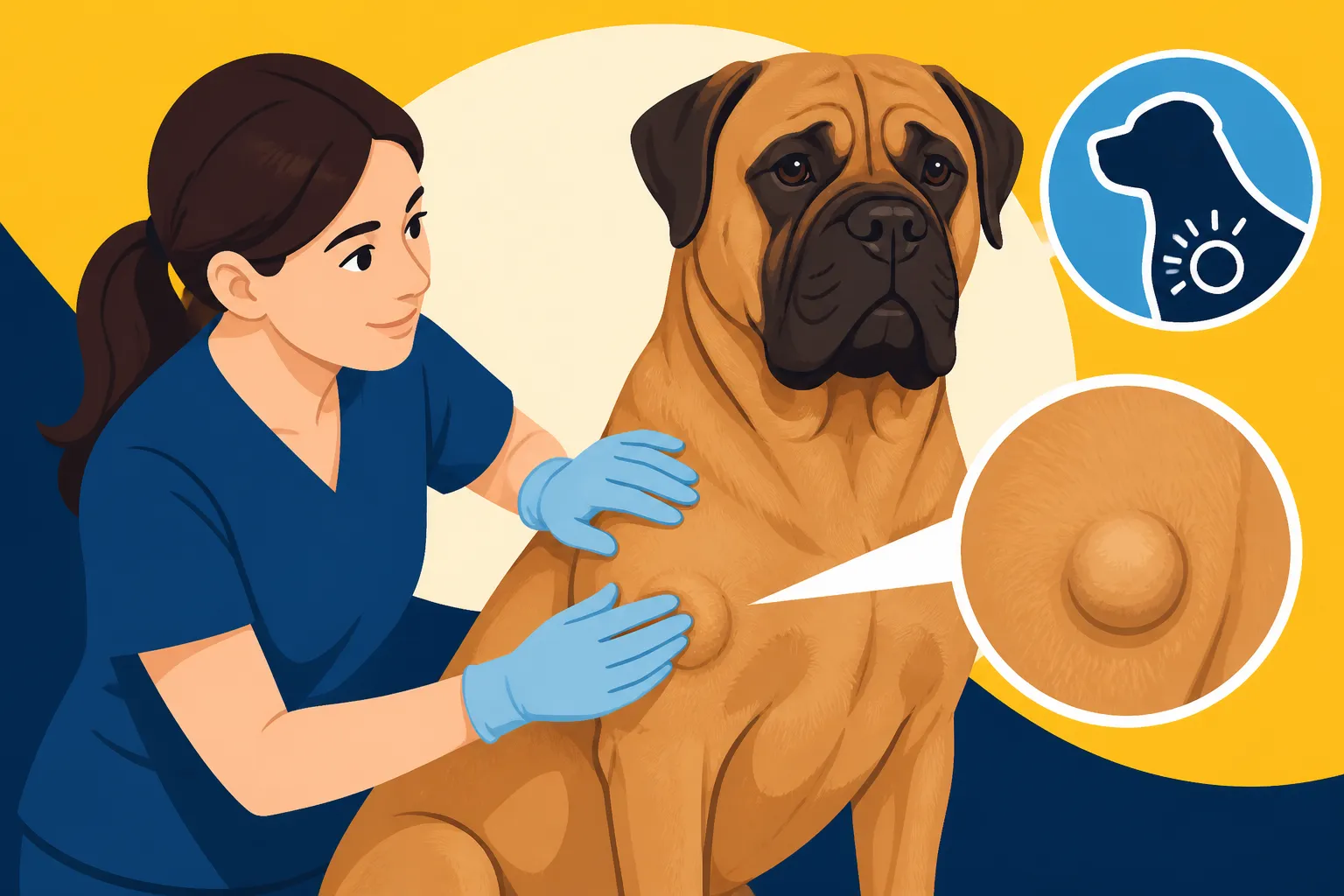
You don't need fancy tools for a lump check, but a good strategy makes all the difference. The primary "tool" is your hands and fingers. You'll be using gentle but firm pressure to feel beneath the skin. Imagine you're kneading dough or searching for a tiny pea hidden under a blanket.
Here’s a small table outlining the primary techniques:
| Technique | Description | When to Use It |
|---|---|---|
| Flat-Hand Sweep | Use the flat of your palm and fingers, applying light, even pressure to cover large areas. Feel for any changes in the contour of the body or initial bumps. | Over the ribs, back, broad muscle groups. Good for detecting larger, more superficial masses. |
| Circular Motion | Use your fingertips in small, overlapping circular motions to probe deeper into the tissue. This allows you to feel for smaller, more embedded lumps. | Over lymph nodes (neck, armpits, groin), joints, and anywhere you suspect a lump might be. |
| Pinch and Roll | Gently lift and roll the skin and underlying tissue between your thumb and forefinger. This is excellent for detecting small, subcutaneous masses, especially in areas with loose skin. | On the flanks, under the neck, around the torso, or any area with excess skin. Very effective for finding small mast cell tumors or fatty deposits. |
| Two-Hand Palpation | For areas like the limbs or neck, use both hands, one stabilizing the area while the other palpates. This provides better control and allows for a more focused examination. | Around the legs, base of the tail, or neck where you need to get around the circumference of a limb. |
Remember to work systematically. Don't just randomly poke. Having a methodical approach ensures you don't miss any spots. Keeping your Bullmastiff calm and still is easier when you're confident in your movements. And if you have a particularly fluffy Bullmastiff, make sure your fingers really get down to the skin level.
A Head-to-Tail Guide to Checking Your Bullmastiff for Lumps
A thorough lump check involves systematically covering every inch of your Bullmastiff's body. It's easy to miss something when you're not following a routine, so let's break it down into manageable sections, ensuring no suspicious area goes unnoticed. Consistency is key here – the more often you do this, the more familiar you’ll become with your dog’s normal landscape. Many owners wonder How Often a Bullmastiff Should Be Checked for Cancer, and for this breed, monthly checks are a good baseline.
The Head, Face, and Neck Region
Start at the top and work your way down. Gently run your hands over their skull, feeling for any bumps or changes. Don't forget their ears – feel both the outer pinna and inside the ear flap, down to the base. Bullmastiffs have those wonderful, expressive faces with rolls and wrinkles, which can be prime hiding spots. Gently lift and inspect the folds around their muzzle, eyes, and brow. Lumps, cysts, or even small abscesses can hide here.
Move down their neck, paying close attention to the area under their jaw and along their throat. This is where you'll find lymph nodes, which can swell when there's an infection or, more concerningly, lymphoma. Feel for the size and symmetry of these nodes. A healthy lymph node should be small, soft, and almond-shaped, barely palpable. If they feel like hard grapes or golf balls, that's a definite red flag. Expand your search to the base of the neck, where it meets the shoulders, using a circular motion to feel for any subcutaneous masses.
Shoulders, Chest, and Front Legs
Next, focus on their impressive shoulders and broad chest. Use the flat-hand sweep technique over their ribs and chest, feeling for any asymmetry or unusual firmness. Remember, a Bullmastiff has significant muscle mass, so distinguish between muscle and an actual growth. Run your hands down each front leg, feeling along the bones, under the armpits, and around the elbow joints. The armpit area is another common spot for lymph nodes, so palpate gently but firmly.
Don’t forget the dewclaws if your Bullmastiff still has them. Run your fingers over the entire limb, feeling for any swelling, warmth, or painful spots, not just lumps. Sometimes, what feels like a lump might be a swollen joint or a muscle knot. It's about being thorough and getting a complete picture of what's normal for your specific dog.
Abdomen, Back, and Hind Legs
Continue your examination over their back, along their spine, and down towards their tail. Use the flat-hand sweep here, feeling for any bumps on or along the spine, as well as over the muscles of the lower back. Then, move to their belly. This area has softer tissue and often looser skin, making the "pinch and roll" technique particularly useful. Feel along their entire underside, including the groin area, where you'll find another set of crucial lymph nodes.
Check the mammary glands if you have a female Bullmastiff, even if spayed, as mammary tumors can occur. Feel along the entire length of the mammary chain for any hard masses. Then, move to the hind legs, repeating the process from the front legs: palpate along the bones, around the joints, and inside the folds of the inner thigh. Again, be on the lookout for swollen lymph nodes in the groin.
Paws, Toes, and Tail
Finally, don't overlook the extremities. Gently pick up each paw and inspect the pads, between the toes, and around the nail beds. Lumps here can be anything from interdigital cysts to mast cell tumors. Check for any swelling, redness, or discharge. These areas can be painful if there’s a problem, so be extra gentle.
Then, move to the tail. Run your hand from the base to the tip, feeling along the entire length. Lumps on the tail are not uncommon and can sometimes be overlooked. A common concern, especially in breeds like the Bullmastiff, is the potential for What Mast Cell Tumors Do to a Bullmastiff to appear anywhere on the body, including these often-missed areas. By following this head-to-tail method, you create a comprehensive and repeatable routine that drastically improves your chances of early detection.
What to Look and Feel For: Describing Lumps Accurately
Finding a lump is one thing; accurately describing it to your veterinarian is another. The more precise information you can provide, the better equipped your vet will be to prioritize the next steps and diagnostic tests. It’s not just about "a lump," it’s about its characteristics.
Size, Shape, and Texture Variations
When you find a lump, take a moment to really assess it. First, consider its size. Is it the size of a pea, a marble, a golf ball, or larger? You can use common objects for comparison or even measure it with a small ruler if your dog tolerates it. Tracking its size over time is critical, so a precise measurement, even if approximate, is helpful. Is it growing quickly, staying the same, or shrinking?
Next, what about its shape? Is it perfectly round, oval, irregular, or diffuse without clear borders? This can sometimes offer clues. Finally, feel its texture. Is it soft and squishy like a marshmallow or Jell-O? Is it firm and rubbery? Is it hard and unyielding like bone? Does it feel granular or smooth? Fatty tumors (lipomas) are typically soft and movable, while some malignant tumors can be hard and fixed. Even a minor detail about the texture can be significant for your vet.
Mobility, Temperature, and Pain Response
How does the lump move? Can you easily slide it under the skin? Is it firmly attached to the underlying muscle or bone? Mobility is an important characteristic. Generally, benign lumps like lipomas tend to be quite movable, while more aggressive tumors can sometimes be fixed to deeper tissues. However, this is not a hard-and-fast rule, so always note it for your vet.
Does the lump feel warmer than the surrounding skin? Increased warmth can indicate inflammation, infection, or increased cellular activity. Does your Bullmastiff react when you touch it? Do they flinch, pull away, or show any signs of pain or discomfort? A painful lump could indicate inflammation, infection, or even certain types of aggressive tumors. A Bullmastiff can be stoic, so even a subtle reaction might be meaningful.
Changes in Skin or Hair Around the Lump
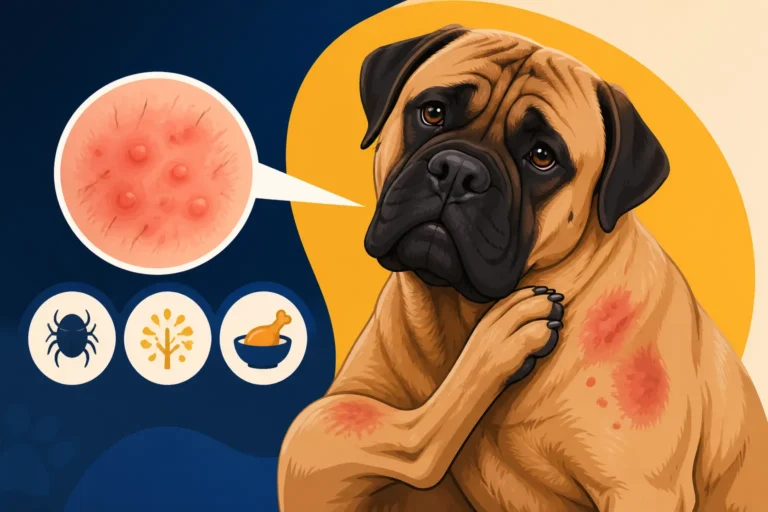
Finally, observe the skin and hair directly over and around the lump. Is the skin normal, or is it red, inflamed, bruised, or ulcerated? Is there any hair loss over the lump, or is the hair texture different? Sometimes, a lump itself may not be the most obvious sign, but changes in the overlying skin are. For example, some mast cell tumors can cause surrounding skin to become red, itchy, or swollen, almost like an allergic reaction. This phenomenon, known as Darier's sign, can be a clue that you're dealing with Where a Bullmastiff's Mast Cell Tumors Appear.
Any discharge, crusting, or bleeding from the lump should also be noted. All these observations, when gathered systematically, paint a much clearer picture for your veterinarian. Jotting these details down in a journal or on your phone immediately after your check can be incredibly helpful when you speak to the vet, especially since stress can make it hard to recall specifics. Consider using a product like Healthy Paws for pet insurance if you're concerned about potential diagnostic and treatment costs associated with lumps and bumps, as these detailed notes will be valuable for any claim.
Deciding When a Vet Visit Is Necessary for Your Bullmastiff's Lump
It's tempting to panic with every new lump, but not every growth requires an emergency trip to the vet. However, given the Bullmastiff's predispositions, it's always better to err on the side of caution. Knowing which signs are urgent and which warrant a more casual discussion can help you navigate these situations effectively.
Urgent Signs That Warrant Immediate Veterinary Care
Some lumps demand immediate attention, often within 24-48 hours. If you notice any of these "red flag" signs, don't delay in contacting your veterinarian or an emergency clinic:
- Rapid Growth: A lump that appears suddenly and grows noticeably in a matter of days or weeks is highly concerning.
- Pain or Discomfort: If your Bullmastiff reacts with pain when the lump is touched, or if the lump is causing lameness, reluctance to move, or changes in behavior.
- Changes in Skin: Any lump that is red, inflamed, bruised, hot to the touch, ulcerated, bleeding, or oozing discharge needs urgent assessment.
- Swollen Lymph Nodes: If the lymph nodes under the jaw, in the armpits, or in the groin feel significantly enlarged, hard, or fixed. This is a primary sign of Signs a Bullmastiff Has Lymphoma.
- Systemic Illness: If the lump is accompanied by other signs of illness such as lethargy, loss of appetite, vomiting, diarrhea, sudden weight loss, or difficulty breathing. These can indicate a more widespread disease process.
- Lumps in Specific Areas: Lumps found on the eyelids, in the mouth, around the anus, or on the paws are often more urgent due to their location and potential for interference with vital functions or aggressive nature.
If you observe any of these, it's not the time to "watch and wait." Early diagnosis can be critical.
Non-Urgent but Concerning Lumps to Discuss
Not every lump needs an emergency visit, but most new lumps on a Bullmastiff should be brought to your vet's attention. If you find a lump that:
- Has been present for a while but you're just now noticing it.
- Is small, soft, movable, and not causing any discomfort (often characteristic of a lipoma, a benign fatty tumor).
- Isn't showing any of the urgent red flag signs.
- You simply aren't sure about.
These lumps can often wait for a regular appointment, but it’s still crucial to get them checked. During this time, continue to monitor them closely. Take photos and note their characteristics. Even benign lumps can sometimes grow large enough to cause problems or become infected. It’s always best to let a professional like your vet make the call on whether a lump is truly harmless. Knowing about pet insurance from providers like Healthy Paws can give you peace of mind that these diagnostics, even if non-urgent, can be managed financially.
Tracking Changes and Maintaining Records
Whether a lump seems urgent or not, meticulous record-keeping is your best friend. Create a "lump map" of your Bullmastiff. Draw a simple outline of your dog and mark the location of each lump you find. For each lump, record:
- Date Found: When you first noticed it.
- Location: Be specific (e.g., "right flank, 3 inches behind elbow").
- Size: Measurement (e.g., 2cm x 3cm) or comparison (e.g., "size of a large pea").
- Description: Shape, texture, mobility, color, hair changes, tenderness.
- Changes Over Time: Note any growth, shrinkage, or alteration in appearance.
- Photos: Take clear, close-up photos with a ruler next to the lump for scale.
This kind of detailed information is invaluable for your vet. It allows them to quickly understand the history of the lump and assess its potential significance. Regularly updating this record, even between vet visits, ensures you have the most accurate information at your fingertips, enabling better care for your Bullmastiff.
Navigating Veterinary Consultations for Bullmastiff Lumps
When you bring your Bullmastiff in for a lump check, the vet visit can feel overwhelming, especially if you’re worried. Knowing what to expect during the examination and understanding the potential diagnostic procedures and treatment options can help you feel more prepared and confident in advocating for your dog’s health.
What to Expect During the Examination
Your vet will start by taking a thorough history, so bring your detailed notes and photos. They'll want to know when you first noticed the lump, if it's changed, and if your Bullmastiff has any other symptoms. Then, they’ll perform a physical examination, feeling the lump themselves, as well as checking your dog’s overall health, including all lymph nodes and vital signs. They’ll likely repeat the palpation you've done at home, assessing the same characteristics: size, shape, consistency, mobility, and any associated pain or skin changes.
Don't be surprised if your vet wants to examine other areas of your Bullmastiff’s body, even if the lump is localized. This comprehensive approach helps them rule out systemic issues and get a full picture of your dog's health. They might also discuss your Bullmastiff's general health, diet, and activity levels, as these can sometimes provide context or influence treatment decisions.
Diagnostic Procedures: From Aspirates to Biopsies
After the initial examination, your vet will discuss potential diagnostic steps. The most common first step for many lumps is a Fine Needle Aspirate (FNA). This procedure involves using a small needle to collect cells from the lump. It's usually quick, minimally invasive, and often can be done right in the exam room with your Bullmastiff awake, though some may require mild sedation. The collected cells are then examined under a microscope by your vet or sent to a specialized laboratory for a veterinary pathologist to interpret.
An FNA can often determine if a lump is a benign fatty tumor (lipoma), a cyst, or potentially something more serious like a mast cell tumor or lymphoma. However, not all lumps yield enough diagnostic cells, or the cells might be ambiguous. In these cases, or if the FNA suggests a serious issue, your vet might recommend a biopsy. A biopsy involves removing a small piece of the tissue (incisional biopsy) or the entire lump (excisional biopsy) for histopathological examination. This requires anesthesia and provides a more definitive diagnosis. Understanding What a Needle Aspirate Shows in a Bullmastiff or When a Bullmastiff Needs a Node Biopsy is crucial for making informed decisions. Your veterinarian may also suggest additional diagnostics like X-rays or ultrasounds, especially if there’s concern about internal spread.
Understanding Treatment Options and Prognosis
Once a diagnosis is made, your vet will discuss the available treatment options and the prognosis. Treatment will vary widely depending on the type of lump.
- Benign Lumps: Fatty tumors (lipomas) or sebaceous cysts often don't require treatment unless they grow too large, interfere with movement, become infected, or rupture. Surgical removal is an option if necessary.
- Malignant Lumps: If the lump is cancerous, treatment options can include surgical removal, chemotherapy, radiation therapy, or a combination of these. For instance, Chemotherapy Is the Bill Most Bullmastiff Owners Face if lymphoma is diagnosed. The specific approach depends on the type of cancer, its stage, and your Bullmastiff's overall health. Your vet might refer you to a veterinary oncologist for specialized care.
Your vet will explain the potential risks and benefits of each treatment, as well as the anticipated recovery time and long-term outlook. This is the time to ask all your questions, no matter how small. Don't hesitate to ask for clarification, discuss your concerns, and explore all the avenues available to you and your Bullmastiff. Having a reliable pet insurance policy, such as one from Healthy Paws, can be incredibly helpful in managing the financial implications of unexpected lump diagnoses and subsequent treatments, allowing you to focus on your dog's care rather than the cost.
Disclaimer
The information provided in this guide is for informational purposes only and does not constitute veterinary medical advice. Always consult with a qualified veterinarian for any health concerns or before making any decisions about your Bullmastiff's care.