Whether a Bullmastiff With Stenosis Should Be Bred
Discovering that your beloved Bullmastiff carries a heart condition like subaortic stenosis can be absolutely devastating, especially when you're considering breeding them. It leaves you grappling with a heavy ethical question: what is the right path forward for your dog, for potential puppies, and for the breed as a whole? This comprehensive guide is here to walk you through the complexities of subaortic stenosis in Bullmastiffs, its genetic implications, and the profound responsibilities that come with breeding decisions, helping you understand why putting a dog with this condition into a breeding program is strongly discouraged.
Understanding Subaortic Stenosis and Its Impact
When we talk about subaortic stenosis (SAS) in Bullmastiffs, we're discussing a serious, often life-limiting congenital heart defect. It’s not just a fancy vet term; it’s a real, physical problem that fundamentally compromises your dog’s heart health and can lead to a host of complications. For Bullmastiff owners, understanding this condition is the first crucial step in making informed decisions about their dog's care and, particularly, their breeding potential.
What Subaortic Stenosis Is and How It Affects the Heart
At its core, subaortic stenosis is a narrowing (stenosis) of the outflow tract just below the aortic valve, which is the main artery carrying blood from the left side of the heart to the rest of the body. Imagine your heart as a powerful pump, and the aorta as the primary pipeline. In a Bullmastiff with SAS, there's an obstruction—often a ring of fibrous tissue—that makes this pipeline narrower than it should be right where the blood exits the main pumping chamber (the left ventricle). This forces the heart to work much harder to push blood through the constricted opening, akin to trying to push a thick liquid through a tiny straw. This constant overexertion leads to a thickening of the heart muscle, specifically the left ventricular wall, a condition known as left ventricular hypertrophy.
Initially, a Bullmastiff might show no signs at all, quietly coping with the extra strain. But over time, this increased workload takes a severe toll. The thickened muscle becomes less efficient, and the heart can begin to fail. Furthermore, the turbulent blood flow across the narrowed area can damage the heart valves themselves, increasing the risk of bacterial endocarditis, a serious infection. The pressure differences across the stenosis can also lead to a condition called post-stenotic dilation, where the aorta just after the narrowing widens due to the force of the blood. It's a cascading series of problems that steadily degrade the heart's function and, tragically, often shorten a Bullmastiff's life. This is precisely What Subaortic Stenosis Does to a Bullmastiff, and it's why it's such a concerning diagnosis.
Why Bullmastiffs Are Predisposed to This Condition
Sadly, Bullmastiffs, along with other large breeds like Newfoundlands, Golden Retrievers, and Boxers, have a genetic predisposition to subaortic stenosis. This isn't just bad luck; it’s a direct consequence of inherited genes passed down through generations. While the exact genetic markers are still being researched and aren't fully understood, it's clear that SAS is not a random occurrence in these breeds. It's a breed-specific health concern that conscientious breeders and owners must actively address.
This genetic component means that certain lines within the Bullmastiff breed might have a higher incidence of SAS than others. It underscores the importance of thorough health testing and understanding pedigrees. Unlike an acquired heart condition that might develop due to old age, infection, or environmental factors, SAS is present from birth, even if the symptoms aren't immediately obvious. It means that the blueprint for this heart defect is embedded in the dog's DNA. This inherited susceptibility is a significant reason why preventing its spread through breeding is so vital for the long-term health of the Bullmastiff breed.
Recognizing the Early Signs and Diagnosis
One of the most insidious aspects of subaortic stenosis is how subtly it can present, especially in its early stages. Many Bullmastiff puppies with SAS may appear completely normal and healthy, leading owners and even some general practitioners to overlook the underlying issue. However, the tell-tale sign of SAS is often a heart murmur, which is an abnormal sound heard by a veterinarian when listening to the heart with a stethoscope. This murmur is caused by the turbulent blood flow through the narrowed subaortic area.
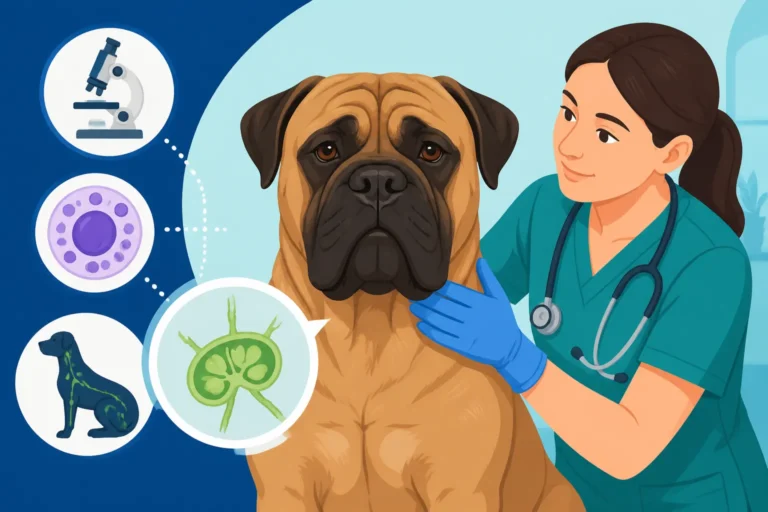
A routine veterinary check-up for a puppy should always include listening to the heart carefully. If a murmur is detected, especially in a breed predisposed to SAS, it should never be dismissed. A murmur often warrants further investigation by a board-certified veterinary cardiologist. These specialists use an echocardiogram, which is an ultrasound of the heart, to visualize the heart's structure and function in real-time. This allows them to measure blood flow velocity, assess the degree of narrowing, and check for any thickening of the heart muscle. Without this specialized examination, a mild murmur might be shrugged off, only for the dog to develop severe symptoms or even suffer sudden cardiac death later in life. This is why understanding The Age Subaortic Stenosis Is Found in a Bullmastiff is critical, as early detection through careful screening, rather than waiting for obvious Signs a Bullmastiff Has a Heart Murmur, can significantly impact management and breeding decisions.
The Genetic Imperative: Inheritance and Screening
The hereditary nature of subaortic stenosis places a huge responsibility on Bullmastiff breeders. It's not enough to simply love the breed; a truly responsible breeder must actively work to preserve and improve its health, and that includes understanding and acting upon genetic predispositions like SAS. Ignoring these facts puts future generations of Bullmastiffs at unnecessary risk.
The Hereditary Pathway of Subaortic Stenosis
Current research suggests that subaortic stenosis in Bullmastiffs, like in many other breeds, is inherited through a polygenic mode. This means that multiple genes, rather than a single dominant or recessive gene, contribute to the expression of the condition. This complexity makes it notoriously difficult to eradicate from a breed's gene pool. A dog might inherit some of the genes that predispose to SAS but only develop a mild form, or even be an "obligate carrier" with no clinical signs themselves, yet still be capable of passing on the full spectrum of problematic genes to their offspring.
This polygenic inheritance is why simply avoiding breeding dogs with severe SAS isn't enough. Even dogs with mild SAS or those that are carriers without showing symptoms can produce puppies with severe, life-threatening forms of the disease. It’s a devastating cycle that, if left unchecked, continues to propagate the condition throughout the breed. Every time an affected dog, even mildly, is bred, there’s a risk of introducing or reinforcing these detrimental genes into the next generation. This understanding of How Subaortic Stenosis Is Inherited in Bullmastiffs should be a cornerstone of any ethical breeding program.
Why Every Bullmastiff Puppy and Breeding Dog Needs Screening
Given the insidious and hereditary nature of SAS, comprehensive cardiac screening for every potential breeding dog, and ideally every puppy, is non-negotiable. This isn't just a recommendation; it's an ethical obligation. The gold standard for screening involves an echocardiogram performed by a board-certified veterinary cardiologist. A general veterinary check-up, while important for overall health, may not detect subtle murmurs or the structural changes indicative of SAS.
Puppies, typically around 8-12 weeks of age, should receive an initial cardiac exam. While some murmurs in puppies can be innocent and resolve as they mature, any persistent or significant murmur warrants a cardiologist's assessment. For adult dogs intended for breeding, an echocardiogram performed by a cardiologist should be a mandatory part of their pre-breeding health panel. This specialized screening ensures that breeders are not unknowingly passing on a condition that will cause heartbreak and financial strain for future owners. It is a fundamental part of What a Bullmastiff Breeder Should Have Screened and directly addresses Why a Bullmastiff Puppy Needs a Cardiac Exam.
The Ethical Dilemma for Breeders and the Standard of Care
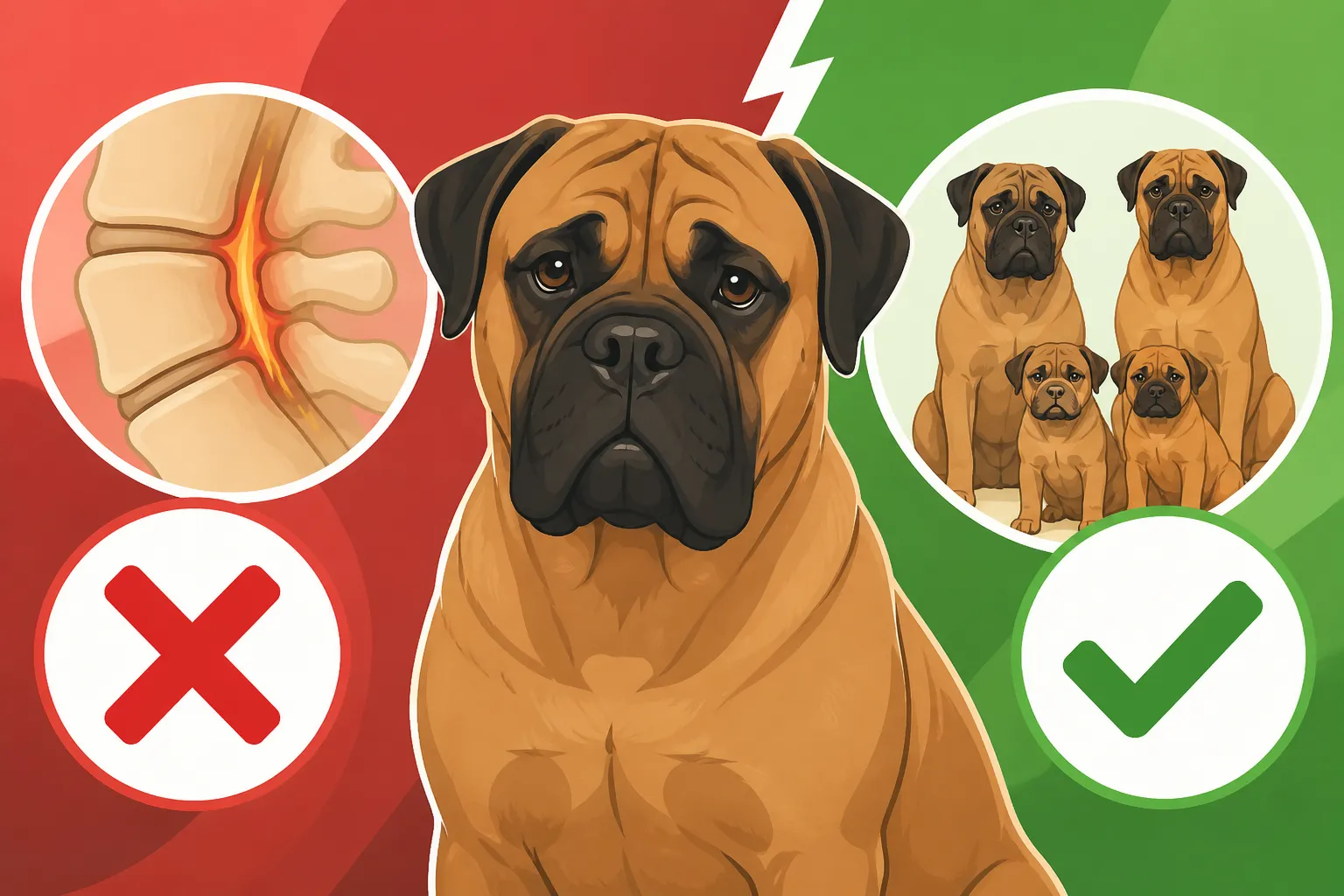
This brings us directly to the critical question: whether a Bullmastiff with stenosis should be bred. The answer, unequivocally, is no. Regardless of the severity – mild, moderate, or severe – a Bullmastiff diagnosed with subaortic stenosis should be immediately and permanently removed from any breeding program. This stance is rooted in a deep commitment to the health and welfare of the breed. Breeding a dog with SAS, even a mild case, is an irresponsible act that knowingly risks perpetuating a potentially fatal genetic disease.
Responsible breeders understand that their role extends beyond producing beautiful puppies; it's about safeguarding the future health of the entire breed. This means making tough decisions, even when it involves a beloved dog with an otherwise excellent temperament or conformation. It often requires removing not only the affected dog from breeding but also carefully assessing its parents and siblings, who may be carriers. Breed clubs and organizations often publish guidelines for health testing specifically to address such conditions, and adhering to these standards is a hallmark of an ethical breeder. The focus must always be on producing healthy, long-lived companions, not on simply propagating a bloodline at the expense of health.
Navigating the Breeding Decision with a Stenosis Diagnosis
When a Bullmastiff receives a diagnosis of subaortic stenosis, the emotional impact on the owner can be immense. For those considering breeding, the diagnosis adds a layer of complex ethical considerations. It’s a moment that truly tests a breeder’s commitment to responsible practices and the long-term health of the breed.
Understanding Different Grades of Subaortic Stenosis
Subaortic stenosis isn't a one-size-fits-all condition; its severity is graded, typically from mild to severe, based on the degree of obstruction and the pressure gradient across the narrowed area. A veterinary cardiologist uses an echocardiogram to determine this grade.
- Mild SAS: Involves a minimal narrowing, with relatively low pressure gradients. Dogs may be asymptomatic and live a normal lifespan, though they still carry the genetic predisposition and risk developing complications later.
- Moderate SAS: Features a more significant narrowing and higher pressure gradients. Dogs may begin to show subtle signs like exercise intolerance, or they may remain asymptomatic but are at higher risk for complications and a shortened lifespan.
- Severe SAS: Characterized by a pronounced narrowing and very high-pressure gradients. These dogs are at significant risk of heart failure, syncope (fainting), and sudden cardiac death, often at a young age. Their quality of life is severely impacted, and their lifespan is typically greatly reduced.
Regardless of the grade, it's crucial to understand that even a "mild" diagnosis means the dog is affected and carries the genetic material for the condition. How a Vet Grades a Bullmastiff's Murmur is a critical step in assessing the severity, but it doesn't change the underlying genetic risk.
Here’s a simplified breakdown of SAS severity and breeding recommendations:
| SAS Severity | Clinical Signs | Life Expectancy | Breeding Recommendation | Genetic Risk to Offspring |
|---|---|---|---|---|
| Mild | Often none | Near normal | Do NOT Breed | High (can pass severe form) |
| Moderate | Exercise intolerance, fatigue | Reduced | Do NOT Breed | High (can pass severe form) |
| Severe | Collapse, heart failure, sudden death | Severely reduced | Do NOT Breed | High (can pass severe form) |
Why Even Mildly Affected Dogs Should Not Be Bred
This is perhaps the most difficult concept for some breeders to accept: even a Bullmastiff with a mild case of subaortic stenosis should not be bred. The temptation might be strong to use an otherwise excellent dog if its SAS is deemed "mild" and asymptomatic. However, succumbing to this temptation is a disservice to the breed and to future puppy owners. The reasoning is clear:
- Genetic Transmission: Mildly affected dogs still carry the genes responsible for SAS. When bred, they can pass these genes on to their offspring, who may then develop moderate or severe, life-threatening forms of the disease. You might produce a litter where some puppies are unaffected, some have mild SAS, and others suffer from debilitating, severe SAS. This perpetuates suffering.
- Progression Risk: While a mild case might not currently impact the dog's quality of life, there's no guarantee it won't progress over time. Stress, age, or other factors can worsen the condition, turning a mild case into a more serious one.
- Ethical Responsibility: As a breeder, your primary responsibility is to improve the breed's health and ensure that the puppies you produce are as healthy as possible. This means making choices that reduce the incidence of known genetic diseases. Breeding a dog with any grade of SAS goes against this fundamental principle. Imagine the heartbreak and financial strain if you adopted a puppy from a line known for SAS, only to find out later that your pet insurance, like Healthy Paws, considers it a pre-existing condition because the breeder failed to screen. It's a risk no responsible breeder should ask a new owner to take.
The Impact on Breeder Reputation and Trust
In today's interconnected world, a breeder's reputation is everything. Transparency and ethical practices are paramount. A breeder who knowingly or unknowingly breeds a Bullmastiff with subaortic stenosis risks not only producing unhealthy puppies but also severely damaging their standing within the Bullmastiff community and among prospective buyers. Word travels quickly, and a reputation for producing unhealthy dogs or for lack of transparency can be incredibly difficult to overcome.
Prospective puppy owners are becoming increasingly savvy, researching breeders thoroughly and asking detailed questions about health testing. They look for breeders who are proactive about health concerns and openly share results. Finding a Bullmastiff Breeder Who Screens Hearts is often a top priority for responsible buyers. Failing to screen for SAS, or worse, breeding an affected dog, is a breach of trust. It can lead to severe criticism, loss of sales, and even legal issues if a puppy falls ill and the condition is traced back to negligent breeding practices. Ultimately, prioritizing the health of your dogs protects your reputation as a conscientious and ethical breeder.
Living with a Bullmastiff Diagnosed with Subaortic Stenosis
While the focus for breeders is on prevention, for owners whose Bullmastiffs have been diagnosed with subaortic stenosis, the primary concern shifts to managing the condition and ensuring the best possible quality of life for their beloved companion. It’s a journey that demands dedication, ongoing veterinary care, and often, emotional resilience.
Prognosis and Management for Affected Dogs
The prognosis for a Bullmastiff with SAS varies dramatically based on the severity of the condition. Dogs with mild SAS may live a relatively normal lifespan, often requiring little to no medication, but always with the understanding that the condition is present. They should be monitored regularly for any progression. For dogs with moderate to severe SAS, the outlook is more guarded, and the average lifespan can be significantly shortened. Some studies indicate that severely affected dogs may have a life expectancy of only 1-3 years from diagnosis if left untreated, while others may live longer with diligent care.
Management typically involves regular check-ups with a veterinary cardiologist. Medications, such as beta-blockers (like atenolol), are often prescribed to reduce the heart's workload, decrease the risk of arrhythmias, and mitigate the potential for sudden death. These medications can improve comfort and potentially extend life, but they do not cure the underlying defect. Lifestyle modifications are also crucial; often, strenuous exercise is restricted, particularly for more severely affected dogs, to prevent overworking the compromised heart and minimize the risk of collapse. This is why understanding Which Medication a Bullmastiff With Stenosis Takes and recognizing Why a Bullmastiff With Severe Stenosis Collapses are key parts of their care.
Quality of Life and Owner Commitment
Living with a Bullmastiff diagnosed with subaortic stenosis requires a significant commitment from owners. Beyond the emotional toll of knowing your dog has a serious heart condition, there are practical and financial considerations. Regular veterinary visits, specialized cardiac appointments, and ongoing medication can be costly. For those fortunate enough to have insured their Bullmastiff early, before any diagnosis, companies like Healthy Paws can provide crucial financial support, softening the blow of expensive medications, regular cardiology appointments, and emergency care.
Owners must also be vigilant in monitoring their dog for any changes in condition, such as increased lethargy, coughing, difficulty breathing, or fainting episodes. Adjusting to activity restrictions can be challenging, especially for a naturally powerful and active breed like the Bullmastiff, but it's vital for their health. The goal is always to maximize the dog's comfort and enjoyment of life within the limitations of their condition. It's a testament to the bond between Bullmastiff and owner, demanding patience, understanding, and unwavering love to navigate the ups and downs of managing a chronic heart disease.
Supporting Research and Breed Health Initiatives
The challenges posed by subaortic stenosis are not isolated to individual dogs and their owners; they affect the entire Bullmastiff breed. This is why supporting ongoing research and breed health initiatives is so important. By participating in studies aimed at identifying the specific genes responsible for SAS or contributing to organizations dedicated to Bullmastiff health, owners and breeders can play a vital role in improving the future for this magnificent breed.
Collaboration between breeders, veterinarians, and researchers is essential to better understand the genetic basis of SAS, develop more accurate screening tools, and eventually, work towards reducing its prevalence. While SAS is one of many health concerns facing the breed (others include cancer, joint issues, and bloat), its hereditary nature makes it a prime candidate for targeted health strategies. Ultimately, the collective effort to prioritize and invest in breed health will contribute to a future where Bullmastiffs can live longer, healthier lives, perhaps even exceeding The Median Bullmastiff Lives Eight and a Half Years.
Disclaimer
The information in this article is intended for educational purposes only and should not be used as a substitute for professional veterinary care. Always consult with a qualified veterinarian or veterinary cardiologist for any health concerns or before making any decisions about your Bullmastiff's care, treatment, or breeding.