Why a Bullmastiff’s Lymphoma Is Found Late
It's a heartbreaking reality for many Bullmastiff owners: discovering lymphoma only when it has significantly advanced. Our stoic, resilient companions are masters at masking discomfort, and the subtle, non-specific signs of early-stage lymphoma often go unnoticed or are mistakenly attributed to normal aging. This guide delves into the specific reasons why lymphoma is so frequently found late in Bullmastiffs and, more importantly, what you, as a loving owner, can do to drastically improve the chances of an earlier diagnosis.
The Deceptive Nature of Lymphoma's Early Stages
Lymphoma in Bullmastiffs, as with many cancers, doesn't usually announce itself with dramatic, undeniable symptoms right from the start. Instead, it often creeps in, presenting as a collection of vague signs that can easily be overlooked or dismissed as part of a dog's normal day-to-day fluctuations, especially in a breed known for its calm demeanor.
Non-Specific Symptoms Masking Progression
Imagine this scenario: Your usually energetic Bullmastiff, "Brutus," who typically greets you at the door with a joyous lean and a wagging stump of a tail, seems a little less enthusiastic. He might still wag, but the bounce isn't quite there. Or perhaps he's leaving a few kibbles in his bowl, something he never used to do, but he's still eating most of his meal, so you tell yourself he's just not as hungry today. These are the kinds of subtle shifts that characterize the onset of lymphoma.
Symptoms like a slight decrease in appetite, a general sense of lethargy, or even a very gradual, almost imperceptible weight loss, are incredibly non-specific. They mimic so many other minor issues – a sensitive stomach, a change in weather, a mild case of the "Monday blues," or simply the natural slowing down that comes with age. When you consider that The Median Bullmastiff Lives Eight and a Half Years, it’s easy to attribute these minor changes to the early signs of aging, rather than the insidious progression of a serious illness like cancer. Many owners might not think to rush to the vet for "Brutus" just being a bit tired, especially when he still seems mostly himself. This delay, however, allows the disease to gain a significant foothold.
Gradually Enlarging Lymph Nodes
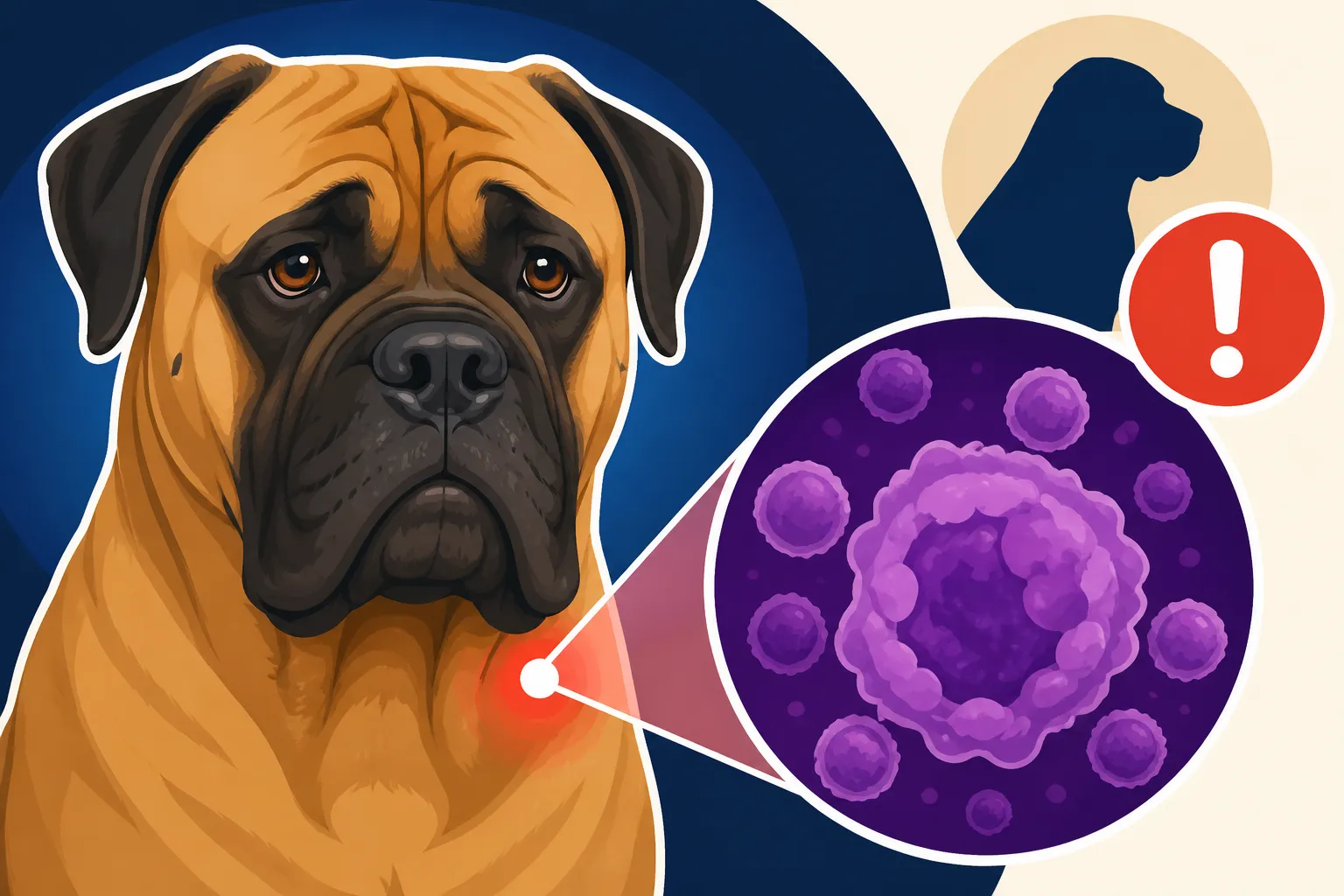
One of the hallmarks of lymphoma is the enlargement of lymph nodes. In Bullmastiffs, these important immune system checkpoints are located in various places, but the most commonly palpable ones are under the jaw (submandibular), in front of the shoulders (prescapular), and behind the knees (popliteal), as well as in the armpits (axillary) and groin (inguinal).
Here's the rub: these nodes don't typically swell overnight to the size of a golf ball. For many Bullmastiffs with lymphoma, the enlargement is gradual. You might be petting your dog, running your hands over their neck, and feel a small, firm bump. Is it a muscle? A fatty lump that's always been there? Or is it a slightly enlarged lymph node? Unless you're routinely and methodically checking these specific areas, and intimately familiar with what your dog's "normal" feels like, a subtle increase in size can easily go unnoticed. Think about it: our hands move quickly over their bodies during everyday petting, rarely concentrating on specific anatomical checkpoints.
Moreover, a Bullmastiff's thick, often dense coat and substantial musculature can effectively obscure smaller, early-stage node enlargements. It's a natural camouflage that works against early detection. By the time a node is large enough to be unmistakably obvious to a casual touch, or even visually prominent, the disease is often well beyond its initial stages. Understanding What Lymphoma Does to a Bullmastiff emphasizes the importance of detecting these changes early.
The Bullmastiff's Stoic Demeanor and Pain Tolerance
Bullmastiffs are truly remarkable dogs, known for their unwavering loyalty and formidable yet gentle presence. Part of their inherent nature, deeply rooted in their history as estate guardians, is a profound stoicism and an incredible ability to tolerate discomfort without complaint. This admirable trait, unfortunately, becomes a significant hurdle in the early diagnosis of serious illnesses like lymphoma.
Masters of Hiding Discomfort
Our Bullmastiffs were bred to be silent guardians, apprehending poachers without drawing undue attention. This meant they needed to be tough, resilient, and capable of enduring physical challenges without showing weakness. That historical imperative has translated into a modern-day Bullmastiff who, more often than not, will suffer in silence. They don't whine, they don't limp dramatically, and they certainly don't typically cry out in pain unless something is acutely wrong. This makes them absolute masters at masking any internal discomfort that might arise from growing lymph nodes or a spreading cancer. If you've ever had a Bullmastiff, you know how hard it can be to tell if something is truly bothering them; they just "power through" with incredible determination. This is why it's so important to understand How a Bullmastiff Hides Pain, as it directly impacts how quickly an owner might seek veterinary attention.
They might be feeling low-level nausea, a dull ache, or a general malaise, but they will rarely broadcast it. Instead, they continue to participate in family life, perhaps with slightly less vigor, but enough to avoid raising alarm bells. This inherent toughness means that by the time a Bullmastiff finally shows clear, undeniable signs of illness, the lymphoma is often quite advanced, possibly having spread significantly. It's not that they don't feel ill, it's that Whether a Bullmastiff With Lymphoma Feels Ill at First is something they rarely outwardly communicate until they simply cannot mask it any longer.
Interpreting Subtle Behavioral Shifts
Since overt signs of pain or sickness are rare, owners must become adept at interpreting the most subtle behavioral shifts. We're talking about nuanced changes that are barely noticeable unless you're truly attuned to your dog's baseline behavior. For instance, "Daisy," your female Bullmastiff, usually loves to sprawl out on the cool kitchen tile. If she suddenly prefers her dog bed more often, or shifts positions frequently, could it be a minor joint ache, or something more serious like discomfort from enlarged internal lymph nodes pressing on organs?
Another example: a Bullmastiff might usually greet visitors with a friendly nudge and a low rumble. If "Tank" starts to hesitate for a few extra seconds before approaching, or offers a less enthusiastic greeting, it's easy to dismiss this as a momentary mood swing or perhaps a sign of him Caring for a Bullmastiff Past Six and just slowing down. However, these small changes can be crucial indicators. A slight reduction in playtime, a reluctance to engage in their usual "shadowing" behavior (following you from room to room), or even a different way of lying down that might alleviate pressure on an internal mass, are all potential red flags. The challenge is recognizing these subtle shifts for what they might be, rather than what they seem to be on the surface.
Practical Challenges for Owners in Early Detection
Beyond the insidious nature of the disease and the stoicism of the breed, there are also very practical, day-to-day challenges that contribute to lymphoma being found late in Bullmastiffs. These challenges are often inherent to owning a large, powerful breed and the financial realities of veterinary care.
The Sheer Size Makes Regular Checks Difficult
Let's be honest, getting your hands thoroughly over a 100-plus pound Bullmastiff for a detailed health check isn't as straightforward as it is with a smaller breed. Their muscular build and often loose skin can make it difficult to pinpoint subtle changes, especially in areas like the armpits or groin. Imagine trying to consistently feel for a pea-sized lump on a dog that has the bulk and power of a small pony. It's a physical challenge that many owners might not consciously undertake as often or as thoroughly as they should.
Most owners pet their dogs out of affection, not as a diagnostic exercise. Running your hand over their head, back, or chest is common, but systematically palpating all lymph node regions—under the jaw, in front of the shoulders, in the armpits, in the groin, and behind the knees—takes a conscious effort and knowledge of where these nodes are located. Without this dedicated approach, a slowly growing lymph node can easily be missed for weeks or even months, tucked away under a fold of skin or within a deep muscle layer. This is why specific guidance on How Often a Bullmastiff Should Be Checked for Cancer is so important.
Underestimating the Urgency of Vague Signs
It's a common human tendency to hope for the best and avoid potential bad news. When a Bullmastiff shows those vague, non-specific symptoms we discussed earlier—a bit tired, slightly off appetite—it's very easy to adopt a "wait and see" approach. We often tell ourselves, "He'll perk up tomorrow," or "Maybe he just ate something weird." While sometimes this is true, with a fast-moving cancer like lymphoma, even a few days or weeks of waiting can significantly impact prognosis.
The financial aspect of veterinary care also plays an undeniable role. A sudden, unexpected vet bill for diagnostics can be daunting, especially when the initial symptoms aren't screaming "emergency." Owners might hesitate to bring their dog in for what seems like a minor issue, worried about the cost of tests like bloodwork, X-rays, or even a specialized ultrasound. This hesitation, while understandable from a financial perspective, directly contributes to delayed diagnoses.
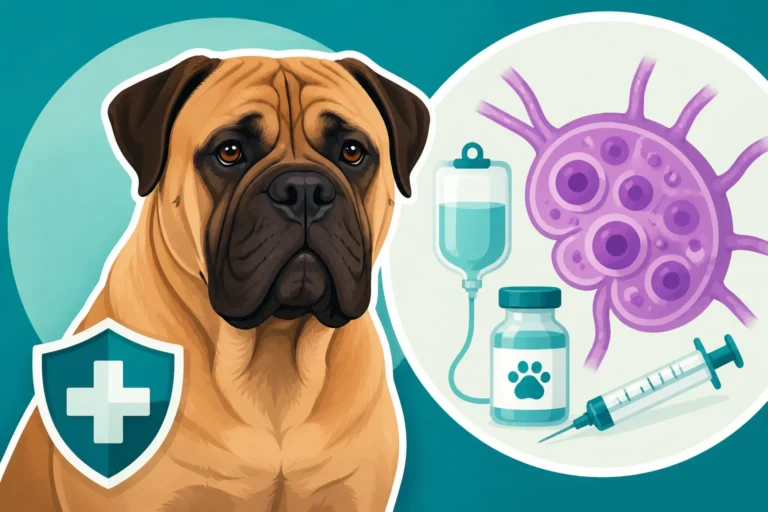
This is where a good pet insurance plan, like those offered by Healthy Paws, can become an absolute lifesaver. Knowing that a significant portion of diagnostic tests and treatments will be covered can remove the financial barrier to seeking prompt veterinary attention for those vague, nagging concerns. Instead of waiting until symptoms are undeniable and potentially more severe, having a plan in place with Healthy Paws allows owners to act quickly, pursuing comprehensive workups like What a Bullmastiff's Cancer Workup Costs without hesitation, which could lead to an earlier diagnosis and better outcomes.
Strategies for Proactive Detection and Earlier Diagnosis
While the challenges of early lymphoma detection in Bullmastiffs are significant, they are not insurmountable. With a proactive mindset, consistent effort, and a strong partnership with your veterinarian, you can significantly improve the chances of catching this disease in its earlier stages, potentially leading to more effective treatment options and a better quality of life for your beloved companion.
Implementing Routine Home Health Checks
The most powerful tool you have for early detection is your own two hands and a commitment to regular, thorough home health checks. This isn't just about petting; it's about purposefully examining your dog.
Here’s a simple checklist you can implement monthly:
| Area to Check | What to Look For | How to Do It |
|---|---|---|
| Lymph Nodes | Swelling, firmness, unusual lumps | Gently palpate under the jaw (submandibular), in front of shoulders (prescapular), armpits (axillary), groin (inguinal), and behind the knees (popliteal). Compare sides. |
| Body Condition | Sudden weight loss or gain, visible ribs or spine | Run hands along sides and back. Assess if ribs are easily felt but not seen. Note any muscle wasting. |
| Oral Cavity | Foul odor, changes in gum color, lesions | Lift lips, check gums for healthy pink color, look for any growths or ulcers on tongue, roof of mouth, or tonsils. |
| Ears | Redness, discharge, odor, head shaking | Lift ear flaps, look for inflammation or buildup. Smell for yeast or bacterial odors. |
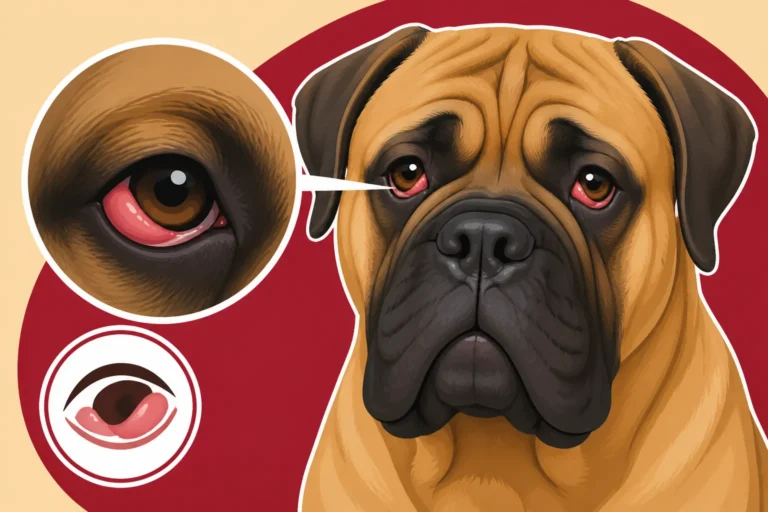
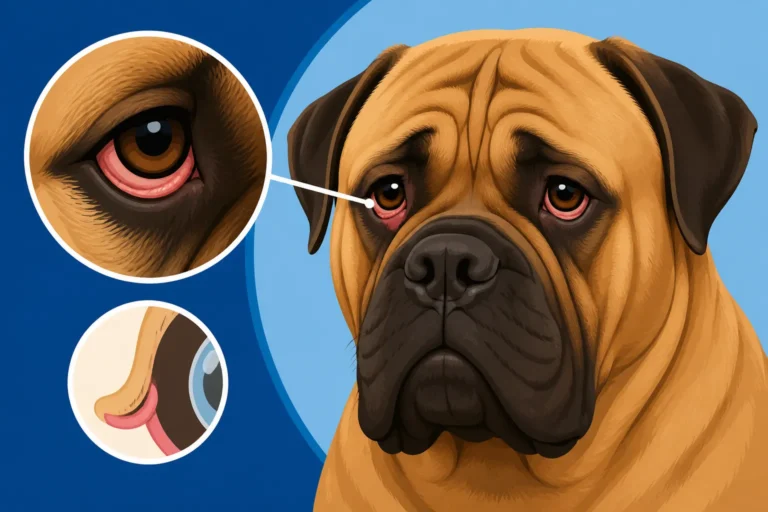
| Eyes | Discharge, redness, cloudiness, squinting | Examine eyes for clarity, look for any irritation around the eyelids. |
| Skin and Coat | Lumps, bumps, sores, bald patches, dryness | Systematically run hands over entire body, parting fur to check skin. Note any changes in coat texture. |
| Paws and Nails | Swelling, lameness, overgrown nails, irritation | Inspect paw pads for cuts or sores, check between toes, examine nails for cracks or overgrowth. |
| Behavioral Changes | Lethargy, decreased appetite, thirst changes | Keep a mental log of daily energy levels, eating habits, water intake, and elimination. Note any prolonged shifts. |
Make it a ritual: once a month, set aside 15-20 minutes. Start at their head, work your way down to their tail. Get to know what their normal feels like. That small lump you found on "Boris's" neck that wasn't there last month? That's your cue to call the vet, not to wait and see if it grows. This consistent vigilance, as detailed in How Often a Bullmastiff Should Be Checked for Cancer, is paramount.
Advocating for Comprehensive Veterinary Care
Your veterinarian is your most important partner in your Bullmastiff's health journey. Don't be afraid to be an advocate for your dog. During routine wellness exams, specifically ask your vet to thoroughly palpate all lymph node chains. Remind them of your Bullmastiff's breed predisposition and the challenges of early detection. Discuss breed-specific risks, such as Why a Bullmastiff's Lymphoma Risk Is Five Times a Mixed Breed's, and ensure your vet is aware of any subtle changes you've observed at home.
For a Bullmastiff, yearly wellness exams should be thorough, including bloodwork that can sometimes offer clues to underlying issues before clinical signs are obvious. Even if your Bullmastiff seems fine, these check-ups are invaluable. If your vet notes anything suspicious, even a slightly enlarged node, push for further diagnostics like a fine needle aspirate (FNA) or biopsy. These are the tools that can truly confirm a diagnosis of lymphoma, as outlined in How Lymphoma Is Diagnosed in a Bullmastiff.
This is also where a robust pet insurance plan can make a world of difference. When your vet recommends a series of diagnostic tests – blood panels, ultrasounds, biopsies – the costs can quickly add up. Hesitation due to financial concerns can mean crucial delays. Pet insurance, such as Healthy Paws, helps cover these unexpected costs, empowering you to say "yes" to every recommended diagnostic step without financial anxiety. Enrolling your Bullmastiff in a plan like Healthy Paws when they're young and healthy ensures coverage for conditions that might arise later, helping you afford the best possible care, from initial diagnosis of Signs a Bullmastiff Has Lymphoma to ongoing treatment and even managing a What a Bullmastiff's Lymphoma Relapse Looks Like. This proactive financial planning can literally buy you and your Bullmastiff more time and better quality of life, especially considering that The Age Lymphoma Appears in a Bullmastiff can often be in their prime years.
Learning the Subtle Warning Signs
Beyond physical checks, educate yourself on the full spectrum of lymphoma symptoms. While prominent lymph node swelling is the classic sign, remember that lymphoma can affect other organs too. This means symptoms can include gastrointestinal upset (vomiting, diarrhea), difficulty breathing (if nodes in the chest are affected), or even neurological signs. Being aware of What Lymphoma Does to a Bullmastiff in all its forms is critical.
Pay close attention to changes in thirst or urination, shifts in energy levels, any new lameness, or alterations in your Bullmastiff's vocalizations or general demeanor. Even if these symptoms are minor, consistent or worsening subtle changes in a breed known for its stoicism should never be ignored. They are often the only clues your dog can give you that something is wrong. By combining your intimate knowledge of your Bullmastiff’s personality with routine physical checks and diligent veterinary partnership, you are giving them the best possible chance against a disease that is all too common in our beloved giants.
Disclaimer
This article is intended for informational purposes only and does not constitute medical advice. Always consult with a qualified veterinarian for any health concerns or before making any decisions about your Bullmastiff's care.