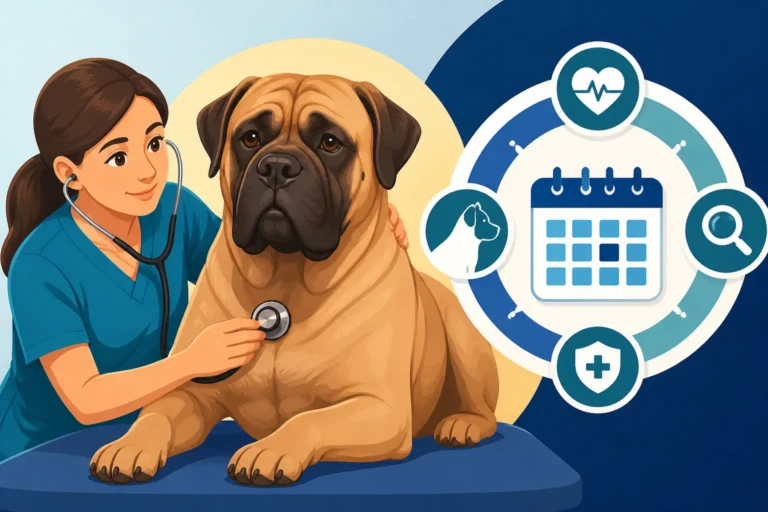
Whether a Bullmastiff From Long Lived Lines Is Safer
The heartbreak of losing a beloved Bullmastiff too soon is a burden many owners face, given their predisposed health challenges and often shorter lifespans compared to other breeds. It’s natural to wonder if there’s a way to beat the odds, to find a Bullmastiff that promises a few more precious years. This guide dives deep into the complex question of whether choosing a Bullmastiff from a lineage known for longevity genuinely offers a "safer" bet for a longer, healthier life.
Understanding the Bullmastiff Lifespan Challenge
Bullmastiffs, magnificent and devoted as they are, sadly don't boast the longest lifespans in the canine world. It's a tough truth to swallow for anyone who loves these gentle giants. The median lifespan for a Bullmastiff is often cited around eight and a half years, which feels far too short when you’re looking into those soulful eyes. Many owners hope for their dogs to reach at least a decade, but the reality for Bullmastiffs can be quite different.
Common Health Issues Affecting Longevity
Several serious health conditions disproportionately affect Bullmastiffs, contributing to their abbreviated lives. These aren't just minor ailments; they are often life-limiting or life-ending.
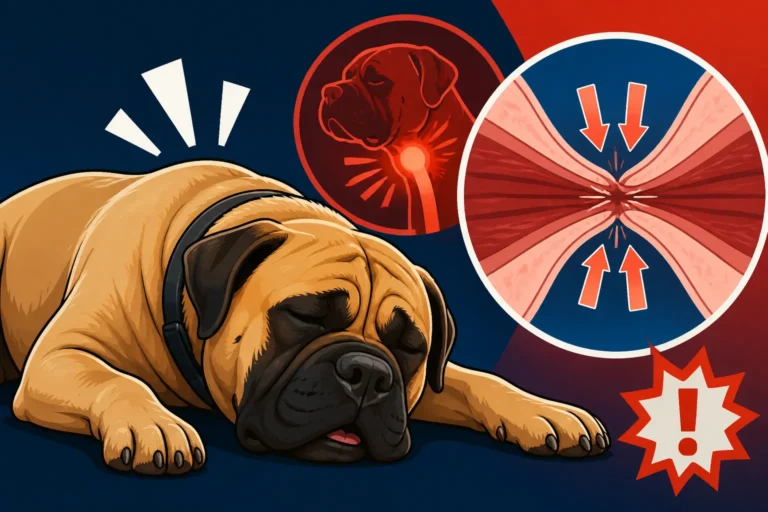
- Cancer: This is, without a doubt, the leading cause of death in Bullmastiffs. Lymphoma Kills More Bullmastiffs Than Anything Else, often striking them in their middle to senior years. We also see elevated rates of other aggressive cancers like osteosarcoma and hemangiosarcoma. The sheer prevalence and aggressive nature of these diseases make cancer a primary concern for any Bullmastiff owner. The financial strain of diagnosis and treatment can be immense, making pet insurance from companies like Healthy Paws a wise consideration from puppyhood.
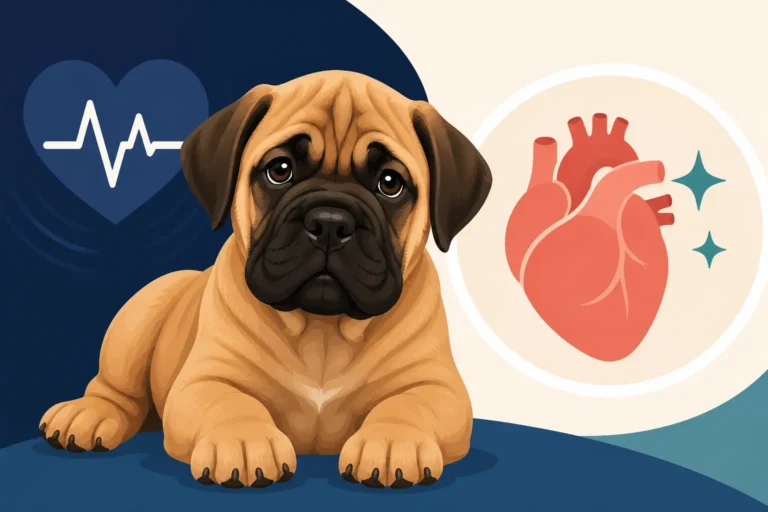
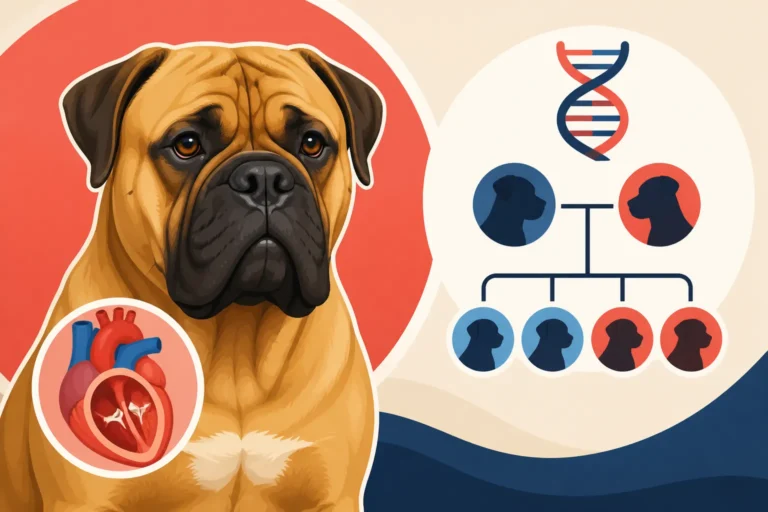
- Cardiac Issues: Another significant threat is Subaortic Stenosis Is There Before a Bullmastiff's First Birthday. This inherited heart defect can lead to sudden death, even in seemingly healthy young dogs. Dilated cardiomyopathy is also a concern in the breed, a condition where the heart's pumping chambers become enlarged and weakened, leading to heart failure. These heart conditions often lurk silently until they reach a critical stage.
- Orthopedic Problems: While not always immediately fatal, conditions like hip dysplasia in a Bullmastiff and elbow dysplasia in a Bullmastiff can severely impact a dog's quality of life and potentially shorten it by reducing activity and contributing to other health issues. The chronic pain and reduced mobility that come with severe joint problems can lead owners to make difficult decisions earlier than they'd hoped. Keeping a Bullmastiff Lean Is the Best Thing You Can Do to mitigate these issues, but genetics still play a huge role.
The Desire for a "Safer" Bet
Given these pervasive health challenges, it's completely understandable for prospective owners to seek out every possible advantage. The idea of finding a Bullmastiff from "long-lived lines" feels like a beacon of hope – a way to potentially sidestep some of these heartbreaking predispositions. You want to believe that by choosing carefully, you can extend the time you have with your furry family member. This desire stems from a place of deep love and a very real fear of premature loss, a frustration that many Bullmastiff owners silently carry.
The Role of Genetics and "Long-Lived Lines"
The concept of "long-lived lines" hinges on the idea that if a dog's ancestors lived to a ripe old age, their offspring are more likely to do the same. While this logic has some merit, the reality is far more nuanced and complex, especially for a breed like the Bullmastiff with significant health predispositions.
What Constitutes a "Long-Lived Line"?
When breeders speak of long-lived lines, they are generally referring to a pedigree where the direct ancestors—parents, grandparents, great-grandparents—have lived beyond the average lifespan for the breed, ideally reaching 10 years or more, and died of natural causes or conditions associated with advanced age, rather than early-onset diseases. This means tracking not just the presence of old age in a pedigree, but also the cause of death for those dogs. A dog that lived to 10 but died of aggressive cancer might still pass on those genetic predispositions, even if it lived "long."
The Challenges of Tracking Longevity
Accurately tracking longevity and health in a breed is incredibly difficult.
- Data Availability: Not all breeders meticulously record causes of death for every dog in their lines, especially those not directly owned or bred by them. Even if they do, confirming veterinary diagnoses and being transparent about sensitive information like cancer history can be a hurdle. Whether Bullmastiff Breeders Track Cancer in Pedigrees is a crucial question to ask.
- Polygenic Traits: Most complex diseases, like cancer and heart disease, are not caused by a single gene. They are polygenic, meaning they are influenced by multiple genes acting together, as well as environmental factors. This makes selecting solely for "longevity" a challenging endeavor. A dog might inherit some "good" genes for longevity but also some "bad" genes for a specific cancer, making predictions difficult. This is why a simple "Whether a Genetic Test for Bullmastiff Lymphoma Exists" is a question with a complex answer; it's rarely a single gene that's the culprit.
- Limited Sample Size: Even the most dedicated breeder will only have a limited number of dogs in their direct breeding program. Relying on a small sample of long-lived ancestors doesn't guarantee the same outcome for every puppy, as genetic recombination is constantly at play.
Do Long-Lived Lines Guarantee a Longer Life?
While choosing a puppy from a line with documented longevity and sound health history is undoubtedly a positive step, it cannot offer a guarantee. Think of it like this: if your family has a history of living to 100, you have better odds than someone whose family generally lives to 60. But it's not a certainty, is it? You could still face unexpected health issues.
For Bullmastiffs, breeders who prioritize health and longevity are likely doing the following:
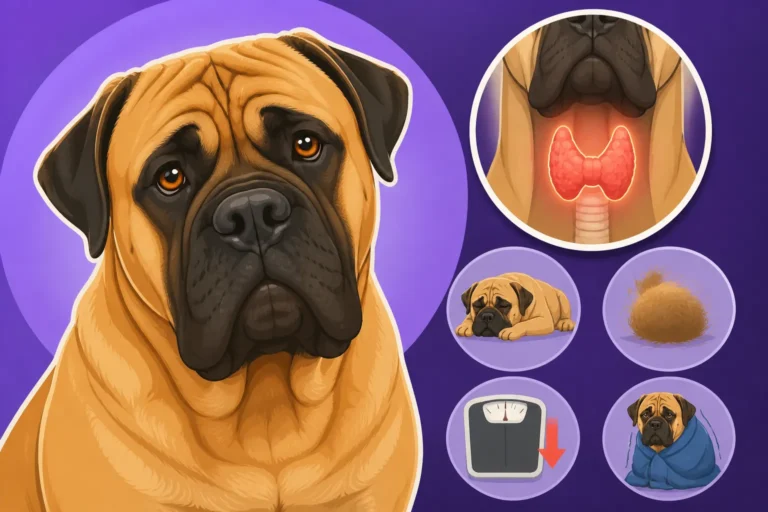
- Extensive Health Testing: They screen for known hereditary conditions like hip and elbow dysplasia, cardiac issues (using OFA or similar certifications), and sometimes even thyroid problems. They will be transparent about What a Bullmastiff Breeder Should Have Screened.
- Researching Pedigrees: They will know the health and longevity of as many ancestors as possible, not just the champions. This includes asking hard questions about causes of death.
- Making Thoughtful Breeding Decisions: They choose breeding pairs whose strengths complement each other, aiming to reduce the incidence of health problems, not just breed "pretty" dogs.
A Bullmastiff from such a line might have a statistically better chance, but it's vital to manage expectations. The brutal reality of breed-specific predispositions means even the most carefully bred Bullmastiff can still face health challenges. It's a step in the right direction, but not a magic bullet.
Beyond Genetics: Holistic Approaches to Bullmastiff Longevity
While genetic predisposition is a significant factor in a Bullmastiff's potential lifespan, it's certainly not the only one. Many environmental and lifestyle elements play a critical role in how long and how well your Bullmastiff lives. You, as the owner, have immense power to influence these factors.
The Power of Nutrition
What you feed your Bullmastiff directly impacts their health, growth, and overall well-being.
- Quality Diet: Providing a high-quality, balanced diet specifically formulated for large and giant breeds is paramount. This supports healthy growth in puppies, preventing too-rapid growth that can exacerbate orthopedic issues. For adults, a good diet helps maintain muscle mass, energy levels, and coat health. Avoid generic, low-quality foods filled with fillers.
- Weight Management: This is perhaps one of the most critical factors within an owner's control. An overweight Bullmastiff puts undue strain on their joints, heart, and other organs, significantly shortening their life and reducing their quality of life. Keeping them lean, with a visible waist and palpable ribs, is essential. Obesity can accelerate arthritis, worsen cardiac conditions, and even affect cancer outcomes.
Appropriate Exercise and Mental Stimulation
While Bullmastiffs aren't marathon runners, they still require regular, moderate exercise to maintain muscle tone and a healthy weight.
- Regular Activity: Daily walks, playtime in a secure yard, or short, structured training sessions are important. Avoid high-impact activities or long-distance running, especially during their growth phases, to protect their developing joints. Remember, the goal is consistent, gentle activity.
- Mental Engagement: Bullmastiffs are intelligent dogs that benefit from mental stimulation. Puzzle toys, training new commands, or even short scent work games can keep their minds sharp and prevent boredom-induced destructive behaviors. When a Bullmastiff Finally Settles Down, they'll appreciate a good mental workout just as much as a physical one.
Proactive Veterinary Care
Regular veterinary check-ups are not just for when your dog is sick; they are crucial for preventive care and early detection of potential issues.
- Routine Check-ups: Annual wellness exams are vital, even more so as your Bullmastiff ages. Your vet can monitor weight, listen for heart murmurs, check for lumps, and discuss age-appropriate screenings. Whether a Bullmastiff Needs Bloodwork Yearly becomes more important in their senior years.
- Early Detection: Many Bullmastiff health issues, particularly cancer, are easier to manage and have better prognoses when caught early. Be vigilant about changes in appetite, energy levels, lumps, or lameness. Discuss any concerns immediately with your vet. A great pet insurance policy, such as one from Healthy Paws, can ensure you don't hesitate to seek these crucial early interventions due to cost concerns.
Environmental Factors
The environment in which your Bullmastiff lives can also impact their health and comfort.
- Temperature Regulation: Bullmastiffs are prone to overheating due to their short muzzles and thick coats. Providing a cool environment, especially in warmer climates or during summer months, is non-negotiable. Access to shade, air conditioning, and fresh water is crucial. Why Eighty Degrees Is Dangerous for a Bullmastiff underscores this point.
- Safe Home Environment: Minimize risks of injury by keeping your home safe. This includes proper flooring to prevent slips and falls, especially as they age, and providing comfortable, orthopedic bedding to support their large joints.
Making Informed Choices for a Healthier Bullmastiff
Bringing a Bullmastiff into your home is a significant commitment, and doing your homework upfront can genuinely make a difference in your experience and your dog's well-being. Choosing wisely is about stacking the odds in your favor, even if there are no absolute guarantees.
Selecting a Reputable Breeder
This is, hands down, the most crucial step you can take. A responsible breeder is your first and best defense against many health issues.
- Health Testing Transparency: A reputable breeder will openly share health clearances for both parents, including OFA (Orthopedic Foundation for Animals) certifications for hips and elbows, and cardiac clearances from a board-certified veterinary cardiologist. They should be able to discuss these results thoroughly with you. They should also be transparent about the health and causes of death of dogs in their pedigrees, showing a commitment to improving the breed's health. Ask them to verify their claims with official documentation.
- Pedigree Research: Beyond just clearances, a good breeder will understand the health history of their lines. They should be able to discuss their dogs' lifespans and common health issues seen in their specific lines, not just the breed generally. They will be interested in the long-term health of the puppies they produce.
- Visit the Kennel/Home: If possible, visit where the puppies are raised. Observe the temperament and condition of the parent dogs and other adult Bullmastiffs. Are they well-socialized, clean, and healthy-looking? This gives you insight into the environment the puppies come from and the care they receive.
- Ask for References: A trustworthy breeder will be happy to provide references from previous puppy buyers and their veterinarian. These references can offer valuable insights into their practices and the health of their dogs.
Understanding Health Guarantees
Many reputable breeders offer a health guarantee with their puppies. It’s important to understand what these guarantees entail.
- What They Cover: Typically, health guarantees cover serious genetic conditions like severe hip or elbow dysplasia, or early-onset cardiac issues, often for the first one to two years of the dog's life. Some might cover certain cancers.
- What They Don't Cover: Most guarantees do not cover routine veterinary care, accidents, or conditions that develop later in life. It's rare for a guarantee to cover the full cost of extensive treatments like chemotherapy for lymphoma, for instance. This is where pet insurance from a reliable provider like Healthy Paws becomes a financial lifesaraft, covering a significant portion of unexpected veterinary bills beyond what a breeder's guarantee might offer.
- Read the Fine Print: Always read the breeder's contract and health guarantee very carefully. Understand what your responsibilities are (e.g., feeding specific food, certain vet visits) and what recourse you have if a covered condition arises.
Investing in Pet Insurance
Even with the best breeding and care, unforeseen health issues can arise. Pet insurance is a practical and financially savvy decision for any Bullmastiff owner.
- Early Enrollment: Enroll your Bullmastiff puppy as soon as you get them, ideally around 8 weeks old. This ensures that any conditions that develop later are not considered pre-existing.
- Comprehensive Coverage: Look for a plan that offers comprehensive coverage for accidents, illnesses, emergency care, and potentially even hereditary conditions. Research providers like Healthy Paws and compare their plans, deductibles, and reimbursement rates to find one that fits your budget and offers peace of mind.
- Financial Security: The costs associated with diagnosing and treating major Bullmastiff health issues, such as cancer treatment or orthopedic surgeries, can run into many thousands of dollars. Pet insurance helps mitigate this financial burden, allowing you to make medical decisions based on what's best for your dog, not just what you can afford. This can be crucial when facing the prospect of What a Bullmastiff's Cancer Workup Costs or How a Bullmastiff's Lymphoma Is Treated.
Ongoing Vigilance and Care
Your role as an owner doesn't end after choosing a puppy and getting insurance; it's an ongoing commitment to their health.
- Regular Health Checks: Beyond vet visits, routinely check your Bullmastiff yourself. Know How to Check a Bullmastiff for Lumps, inspect their eyes and ears, and feel their body for any changes.
- Educate Yourself: Learn about the common health issues in Bullmastiffs. Knowing the signs and symptoms of conditions like Bloat in a Bullmastiff or Why a Bullmastiff Overheats So Easily can help you act quickly in an emergency, which can be life-saving.
In conclusion, while seeking a Bullmastiff from well-researched, long-lived lines can offer a potential statistical advantage, it is not a guarantee against all health issues. A truly "safer" Bullmastiff comes from a combination of responsible breeding, meticulous health screening, excellent nutrition and weight management, appropriate exercise, proactive veterinary care, and the financial safety net of comprehensive pet insurance. By committing to all these factors, you give your majestic companion the very best chance at a full, healthy life.
Disclaimer
The information provided in this article is for general informational purposes only and does not constitute veterinary advice. Always consult with a qualified veterinarian for any health concerns or before making any decisions related to your Bullmastiff's health and care.