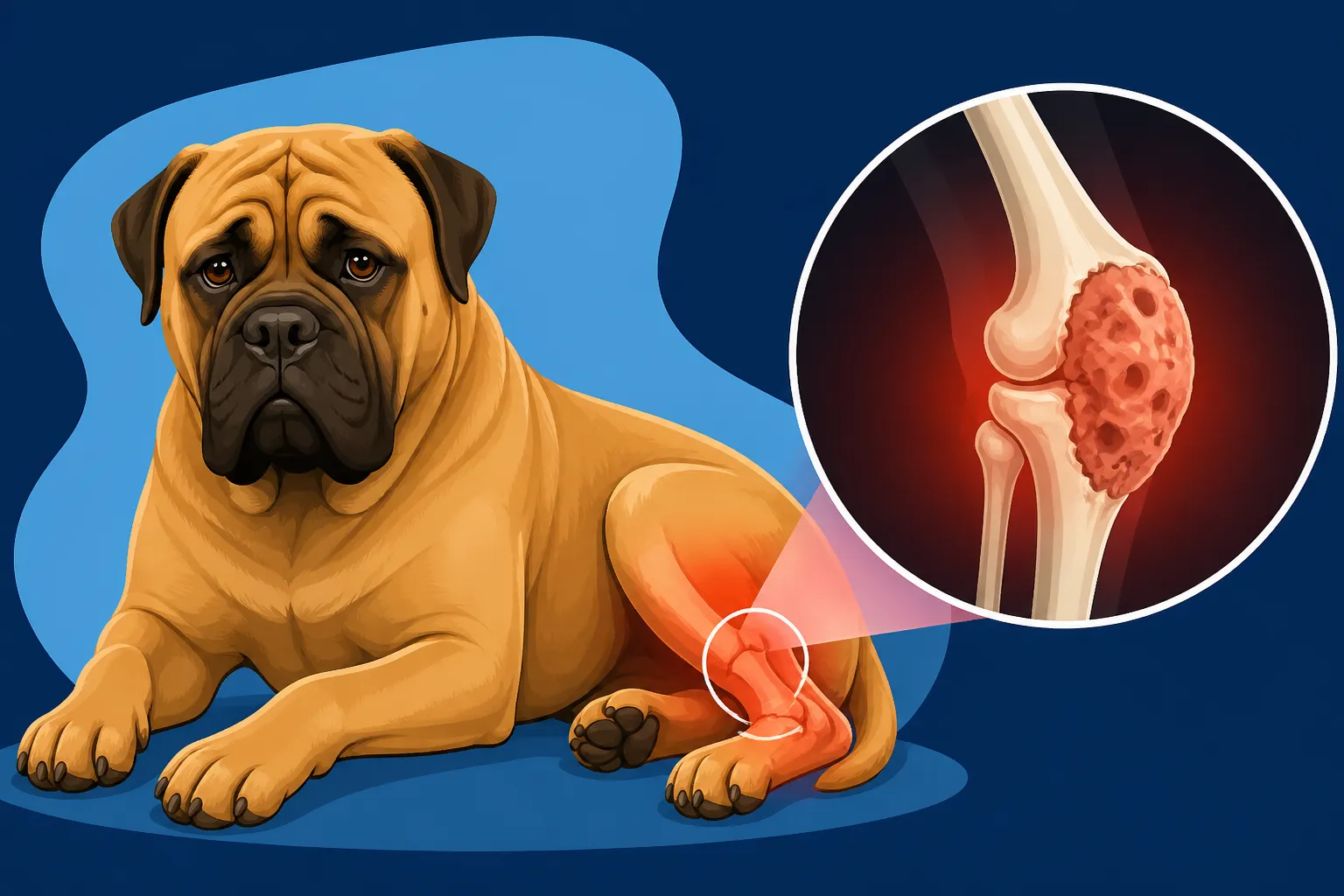
Osteosarcoma in a Bullmastiff
It’s a moment no Bullmastiff owner ever wants to experience: that sudden, inexplicable lameness, the quiet whimper, or the growing swelling on a leg that just doesn't feel right. When these subtle signs escalate, and your vet utters the terrifying words "osteosarcoma," it feels like your world stops. This aggressive bone cancer is a devastating diagnosis, especially for our beloved giants. This guide aims to pull back the curtain on osteosarcoma in Bullmastiffs, helping you understand what it is, how it's diagnosed, and what your options are, so you can navigate this incredibly difficult journey with as much knowledge and support as possible.
Understanding Osteosarcoma in Bullmastiffs
Osteosarcoma is a word that strikes fear into the hearts of large breed dog owners, and Bullmastiffs are, unfortunately, disproportionately affected. It’s not just a benign lump; it's a rapidly progressing and highly aggressive form of cancer that originates in the bone. For our gentle giants, this disease can come on swiftly, turning a vibrant, active dog into one struggling with pain and lameness in what seems like the blink of an eye.
What is Osteosarcoma?
At its core, osteosarcoma is a malignant tumor of the bone-forming cells. Unlike other cancers that might spread to the bones, osteosarcoma actually starts in the bone itself. It’s an incredibly painful disease because the tumor grows and destroys the bone from within, leading to structural weakness, microfractures, and intense discomfort. Imagine a relentless invader hollowing out the very framework of your dog's support system. That's essentially what osteosarcoma does.
While it can technically appear in any bone, it has a strong preference for the long bones of the limbs – often near the shoulder, wrist, knee, or ankle. In Bullmastiffs, you might notice a swelling on the distal radius (foreleg near the wrist) or proximal humerus (upper arm near the shoulder), or perhaps around the knee joint. Less commonly, it can affect the jaw, ribs, or vertebrae, but the limb sites are by far the most frequent. The insidious nature of osteosarcoma is that by the time you see the primary tumor, microscopic spread (metastasis) to other parts of the body, most commonly the lungs, has often already occurred. This is why it's so aggressive and challenging to treat effectively. It's a race against a cancer that often has a head start.
Why Are Bullmastiffs Prone to Osteosarcoma?
It feels incredibly unfair that our beautiful Bullmastiffs, with their already shorter lifespans, are so susceptible to such a brutal disease. The sad truth is, there's a strong genetic component at play, deeply linked to their large size and rapid growth. While any breed can get osteosarcoma, giant and large breeds like Bullmastiffs, Great Danes, Rottweilers, and Irish Wolfhounds face a significantly higher risk.
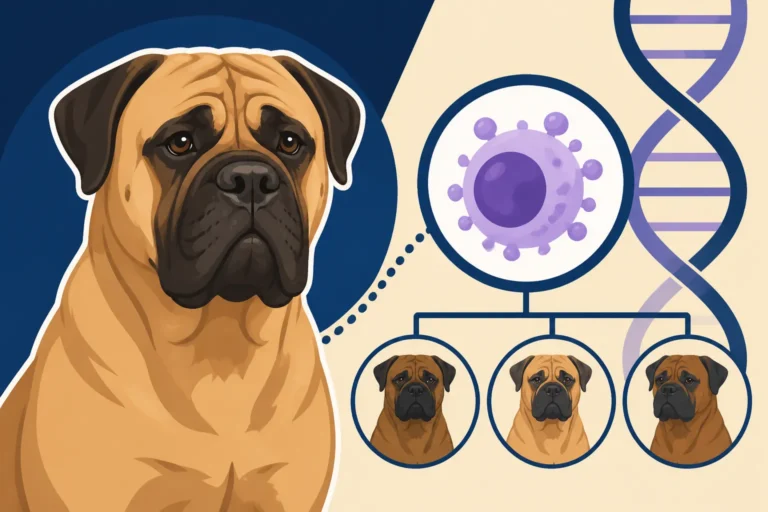
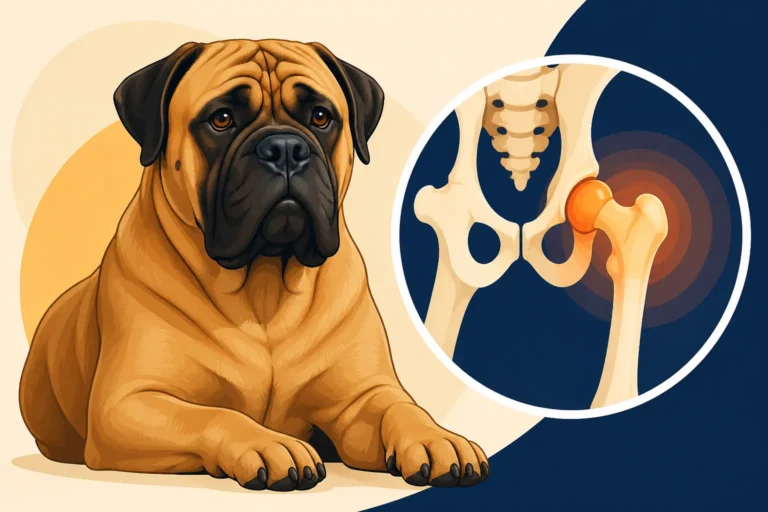
Researchers believe that the continuous, rapid growth of long bones in these breeds puts immense stress on the bone cells, making them more prone to genetic mutations that can lead to cancer. Think of it like a high-traffic highway always under construction – more opportunities for things to go wrong. There isn't one single "osteosarcoma gene" identified yet, but it's understood to be a polygenic disease, meaning multiple genes contribute to the predisposition. This is similar to how we see other health issues like Lymphoma Kills More Bullmastiffs Than Anything Else or even Hip Dysplasia in a Bullmastiff being more prevalent in the breed. It's a complex interplay of genetics, environment, and the sheer mechanics of being a large, heavy dog. Unfortunately, despite advances in veterinary medicine, this predisposition remains a significant health challenge for the breed.
Common Signs and Early Detection Challenges
Recognizing the signs of osteosarcoma can be incredibly tricky, primarily because Bullmastiffs are notoriously stoic. They're masters at hiding pain, a trait likely inherited from their protective ancestors who couldn't afford to show weakness. The most common initial sign is lameness or limping, which often appears gradually and might even come and go. You might initially attribute it to a minor sprain, a bit of rough play, or even arthritis, especially if your Bullmastiff is getting a bit older.
As the tumor grows and weakens the bone, the lameness becomes more persistent and severe. You might start to notice a firm, often painful swelling around the affected bone, which isn't always immediately obvious under their dense musculature. Other signs can include a reluctance to put weight on the limb, a subtle change in gait, decreased activity, loss of appetite, or general lethargy. In very advanced stages, a pathological fracture can occur, where the bone breaks spontaneously due to being weakened by the tumor. This is an excruciating event for your dog and a clear emergency. The real challenge is that by the time these signs become undeniable, the disease has often progressed significantly, making early intervention difficult. It's why paying close attention to any persistent lameness, no matter how subtle, is absolutely crucial.
Diagnosis and Staging Osteosarcoma
Receiving a diagnosis of osteosarcoma can feel like a punch to the gut. The process involves several steps, each crucial for confirming the cancer, determining its spread, and ultimately guiding treatment decisions. It's a thorough, often emotional, journey to get a complete picture of what you're up against.
The Diagnostic Process
When your Bullmastiff presents with lameness or a suspicious swelling, your veterinarian will start with a comprehensive physical examination. They’ll carefully palpate the affected limb, checking for pain, heat, and swelling. If osteosarcoma is suspected, the next step is typically X-rays of the affected bone. These radiographs can often reveal characteristic changes associated with bone cancer, such as bone lysis (destruction) or abnormal bone proliferation, though sometimes the initial changes can be subtle.
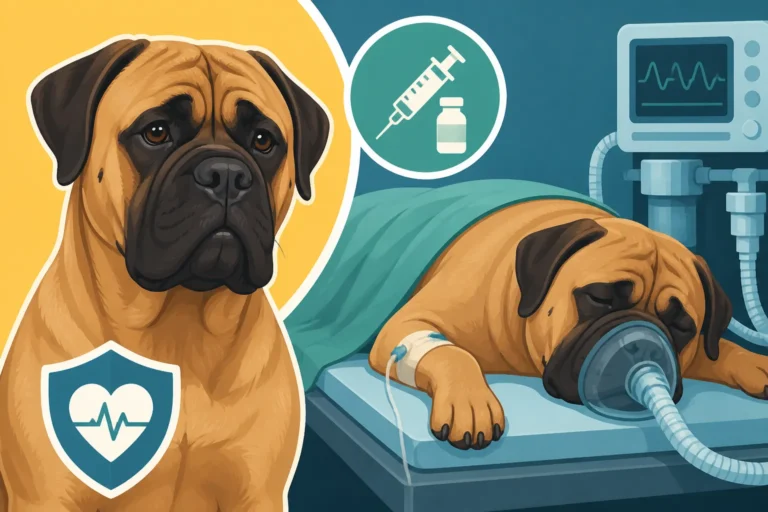
However, X-rays alone cannot definitively diagnose osteosarcoma or rule out other bone conditions like fungal infections, severe osteomyelitis (bone infection), or other types of bone tumors. For a definitive diagnosis, a bone biopsy is essential. This procedure involves taking a small sample of the bone tissue from the suspicious area and sending it to a veterinary pathologist for microscopic examination. A biopsy can be performed in several ways, often requiring sedation or general anesthesia. It’s a critical step, but it’s not without its own considerations. Sometimes, due to the nature of the bone destruction, a biopsy can be tricky to obtain a diagnostic sample, or there’s a small risk of weakening the bone further and causing a fracture. Despite these challenges, getting a definitive diagnosis is paramount to ensure your Bullmastiff receives the most appropriate treatment.
Staging the Cancer
Once osteosarcoma is confirmed, the next crucial step is staging the cancer. This process determines whether the cancer has spread from its original site to other parts of the body, a factor that profoundly impacts prognosis and treatment recommendations. For an aggressive cancer like osteosarcoma, staging is not just helpful; it's absolutely non-negotiable.
The primary way to check for metastasis is through chest X-rays. Osteosarcoma most commonly spreads to the lungs, and while microscopic spread is often present even if it doesn't show on X-rays, detectable lung metastases at the time of diagnosis significantly worsen the prognosis. Your vet will usually take at least three views of the chest to thoroughly check for any suspicious nodules. An abdominal ultrasound might also be recommended to check for spread to other internal organs, though this is less common than lung metastasis. Additionally, blood work, including a complete blood count (CBC) and biochemistry profile, will be performed to assess your Bullmastiff's overall health, kidney and liver function, and to ensure they are healthy enough to undergo any planned treatments like surgery or chemotherapy. Finding detectable metastasis during staging is heartbreaking, as it confirms the systemic nature of the disease and often necessitates a shift towards palliative care combined with systemic therapies.
Differentiating from Other Conditions
The early signs of osteosarcoma – lameness, pain, and swelling – aren't unique to this devastating cancer. They can mimic a variety of other conditions, which is why a thorough diagnostic work-up is so important. When your Bullmastiff starts limping, your first thought might be something relatively benign, like a muscle strain, a sprain from chasing a squirrel, or even the familiar aches of The Age a Bullmastiff Gets Arthritis.
Veterinarians must carefully differentiate osteosarcoma from:
- Arthritis or Degenerative Joint Disease: Especially common in large breeds, arthritis can cause chronic lameness and joint pain. However, X-rays typically show degenerative changes rather than bone destruction or abnormal bone growth.
- Osteomyelitis: This is a bacterial or fungal infection of the bone. It can cause similar lameness, pain, and swelling, but usually comes with systemic signs of infection (fever, lethargy) and responds to antibiotics or antifungals. Special tests, sometimes involving cultures of bone samples, are needed to diagnose osteomyelitis.
- Soft Tissue Injuries: Sprains, strains, or ligament tears (like a cruciate tear) can cause acute lameness. These typically involve the soft tissues around the joint rather than the bone itself, and X-rays will usually appear normal.
- Other Bone Tumors: While osteosarcoma is the most common primary bone tumor, other types exist (e.g., chondrosarcoma, fibrosarcoma). A biopsy is crucial to differentiate these, as their prognoses and treatment responses can vary.
The diagnostic journey, while stressful, is about ruling out these possibilities to arrive at an accurate diagnosis. Without a definitive answer, you can't make informed decisions for your beloved Bullmastiff's care.
Treatment Options for Bullmastiffs with Osteosarcoma
Facing a diagnosis of osteosarcoma is overwhelming, and understanding the treatment options can be equally daunting. It’s important to remember that for Bullmastiffs, osteosarcoma is rarely curable in the long term due to its aggressive nature and early metastasis. The goal of treatment is typically to manage pain, improve quality of life, and extend their time with you for as long as possible, comfortably.
Surgical Intervention
For most Bullmastiffs diagnosed with osteosarcoma of a limb, surgery is the cornerstone of treatment for the primary tumor. The most common surgical approach is amputation. This might sound drastic, and it’s a decision that weighs heavily on any owner. However, amputation can provide immediate and significant pain relief by removing the source of the excruciating bone pain. Many large dogs, including Bullmastiffs, adapt surprisingly well to three legs, especially if they were otherwise healthy before the diagnosis. Their body structure is designed for strong movement, and while it's an adjustment, many go on to live a good quality of life.
Alternatively, limb-sparing surgery might be an option for a very small percentage of cases, typically for tumors located in specific areas of the foreleg. This procedure involves removing the cancerous section of bone and replacing it with a bone graft or prosthetic. While it saves the limb, it’s a complex, expensive surgery with higher complication rates (infection, implant failure) and typically doesn't offer a survival advantage over amputation combined with chemotherapy. For a large, heavy breed like a Bullmastiff, the biomechanical challenges and recovery time can be substantial. The decision between amputation and limb-sparing is a deeply personal one, to be made in consultation with a veterinary oncologist, weighing your Bullmastiff's overall health, age, and your family's capacity for post-operative care.
Chemotherapy and Radiation
While surgery addresses the primary tumor, it doesn't deal with the microscopic metastases that are almost always present. This is where chemotherapy comes in. Chemotherapy for osteosarcoma in dogs is typically aimed at delaying the spread of the disease and improving overall survival times, not necessarily curing it entirely. Common chemotherapy protocols involve drugs like carboplatin or doxorubicin, administered intravenously over several sessions, often every few weeks.
Most dogs tolerate chemotherapy far better than humans do, experiencing fewer side effects like severe nausea or hair loss. Any side effects are usually mild, such as temporary lethargy or a mild decrease in appetite. The goal is always to maintain a good quality of life throughout treatment. For Bullmastiffs, chemotherapy following amputation can significantly extend life, often from a few months (with amputation alone) to a year or more.
Radiation therapy is another powerful tool, though it's typically used for palliative care rather than as a curative measure for osteosarcoma. If surgery isn't an option, or if the tumor is in a location that can't be safely amputated (e.g., the jaw or spine), radiation can be used to dramatically reduce pain and improve comfort by shrinking the tumor or inhibiting its growth. It doesn't eliminate the cancer, but it can provide significant relief, allowing your Bullmastiff to enjoy their remaining time with less discomfort.
Palliative and Pain Management
No matter the chosen treatment path, aggressive pain management is absolutely vital when dealing with osteosarcoma. This cancer is inherently painful, and ensuring your Bullmastiff's comfort should be a top priority from day one. Palliative care focuses entirely on making your dog’s remaining time as comfortable and happy as possible, regardless of whether a more aggressive treatment is pursued.
Pain management strategies often involve a multimodal approach, combining different types of medications to tackle pain from various angles. This typically includes:
- Non-steroidal anti-inflammatory drugs (NSAIDs): Like carprofen (Rimadyl), deracoxib (Deramaxx), or firocoxib (Previcox), to reduce inflammation and pain.
- Gabapentin: A neuropathic pain reliever often used in conjunction with other medications.
- Opioids: Such as tramadol or buprenorphine, for more severe pain.
- Bisphosphonates: Drugs like pamidronate can help slow bone destruction and reduce bone pain.
- Amantadine: Another drug that can help with chronic neuropathic pain.
The pain regimen will be tailored to your Bullmastiff’s specific needs and adjusted as the disease progresses. Beyond medication, supporting your dog at home is crucial. Providing a comfortable, orthopedic bed, perhaps a ramp for the car or stairs, and ensuring easy access to food and water can make a world of difference. This holistic approach ensures that even as the disease progresses, your Bullmastiff's quality of life remains at the forefront of their care.
Prognosis and Living with Osteosarcoma
Coming to terms with an osteosarcoma diagnosis means facing the harsh reality of a limited prognosis. While heartbreaking, understanding what to expect allows you to make the most of the time you have left with your beloved Bullmastiff. It’s about shifting focus from a cure to maximizing comfort and joy in their remaining days.
What to Expect Post-Diagnosis
The prognosis for Bullmastiffs with osteosarcoma is challenging. Even with aggressive treatment, the median survival time typically ranges from 10 to 14 months for dogs undergoing amputation followed by chemotherapy. Without any treatment, the average survival time is often only 1 to 3 months, purely due to the local pain and subsequent widespread metastasis. It's a sobering reality, and it's okay to feel overwhelmed by these numbers.
The emotional toll on owners is immense. You're not just managing a medical condition; you're grappling with grief, fear, and the profound sadness of knowing your time together is shortening. It's crucial to lean on your veterinary team, family, and support networks during this time. They can help you monitor your Bullmastiff for signs of pain, changes in appetite, or difficulty breathing (which could indicate lung metastasis). Remember that your Bullmastiff doesn't know their prognosis; they only know how they feel today. Your focus should be on ensuring their daily comfort and happiness, cherishing every moment. Questions like How Long a Bullmastiff Lives After a Lymphoma Diagnosis often come up, and while osteosarcoma has a different mechanism, the emotional weight of a cancer diagnosis is very similar across breeds and cancer types.
Supporting Your Bullmastiff at Home
Once you have a treatment plan in place, supporting your Bullmastiff at home becomes paramount. This involves a multi-faceted approach to maintain their comfort and dignity.
- Mobility Aids: If your Bullmastiff has had an amputation or is struggling with lameness, investing in a good quality orthopedic bed is essential. Consider non-slip rugs on hard floors to prevent falls, especially if they are navigating on three legs. A car ramp can be invaluable for helping them get in and out of vehicles without putting strain on their remaining limbs. You might even find a lifting harness helpful for assisting them up stairs or after long rests. Remember, their joints, particularly if they are already prone to issues like Hips and Elbows Under a Hundred and Thirty Pound Bullmastiff, will be under increased strain.
- Pain Management: Adhering strictly to your vet's pain medication schedule is critical. Don't wait for your Bullmastiff to show obvious signs of pain before giving medication; often, by that point, they're already suffering. Keep a close eye on their comfort levels and communicate any changes to your vet.
- Nutrition and Hydration: While they might not be as eager to eat, maintaining good nutrition is important. Offer palatable, high-quality food, and ensure fresh water is always accessible. If appetite becomes an issue, discuss appetite stimulants with your vet.
- Emotional Support: Your Bullmastiff senses your emotions. Provide a calm, loving environment. Continue with gentle walks (as tolerated), cuddle time, and their favorite low-impact activities. The familiar routines and your presence are incredibly comforting.
- Monitoring: Keep a journal of their appetite, activity level, pain signs, and any coughing. This detailed information will be invaluable for your vet to make adjustments to their care plan.
Financial Considerations and Support
Let’s be honest: the cost of treating osteosarcoma can be staggering. From initial diagnostics like X-rays and biopsies to surgery, chemotherapy, and long-term pain medication, the bills add up quickly. A single round of chemotherapy might cost several hundred dollars, and a full course can easily run into the thousands. Amputation can also be a significant expense. This financial burden, on top of the emotional stress, can be incredibly difficult for families.
It’s an unfortunate reality that many decisions about treatment are influenced by cost, and there's no shame in admitting that. This is where options like pet insurance can be a literal lifesaver. If you had enrolled your Bullmastiff in a comprehensive plan like Healthy Paws earlier in their life, many of these costs could be significantly offset. Healthy Paws, for example, often covers accidents, illnesses, cancer, and prescription medications, which would make a huge difference in affording life-extending treatments. However, keep in mind that pre-existing conditions are generally not covered, so insuring a puppy from What a Bullmastiff Costs to Buy in 2026 is always the best strategy.
If pet insurance isn't an option, explore other avenues:
- Payment Plans: Many veterinary oncology practices offer payment plans to help spread the cost.
- Veterinary Financial Aid: Organizations like The Pet Fund, RedRover, and regional animal welfare groups sometimes offer grants to help families with urgent veterinary care.
- Crowdfunding: Platforms like GoFundMe can allow you to reach out to your community for support.
- CareCredit: A credit card specifically for healthcare expenses that often offers deferred interest periods.
The goal is to find a path that allows you to provide the best possible care for your Bullmastiff without bankrupting your family. Don’t hesitate to have an open and honest conversation with your vet about financial limitations and alternative options.
| Treatment Option | Primary Goal | Average Cost Range | Typical Side Effects | Impact on Lifespan (post-diagnosis) | Quality of Life Considerations |
|---|---|---|---|---|---|
| Amputation | Pain Relief, Local Tumor Control | $2,000 – $5,000 | Surgical risks, recovery discomfort, adaptation to 3 legs | 4-6 months (alone); 10-14 months (with chemo) | Excellent pain relief, good adaptation for many dogs |
| Limb-Sparing Surgery | Local Tumor Control, Preserve Limb | $5,000 – $10,000+ | High complication rates (infection, implant failure), long recovery | Similar to amputation + chemo (10-14 months) | More physically challenging recovery, higher risk of complications |
| Chemotherapy | Delay Metastasis, Extend Life | $3,000 – $8,000 | Mild lethargy, decreased appetite, GI upset | Adds 6-10 months post-amputation | Generally well-tolerated, minimal impact on daily comfort |
| Palliative Radiation | Pain Relief | $2,000 – $6,000 | Local skin irritation, fatigue | No significant extension; improves comfort | Dramatically improves pain, enhances comfort & mobility |
| Pain Management Only | Comfort, Palliative Care | $50 – $300/month | Minimal, related to individual medication side effects | 1-3 months | Focus entirely on comfort and dignity |
Note: Costs are estimates and can vary widely based on location, veterinary practice, and specific protocol.
Disclaimer
This article is intended for informational purposes only and does not constitute medical advice. Always consult with a qualified veterinarian or veterinary oncologist for diagnosis and treatment recommendations specific to your Bullmastiff's health condition.