When a Bullmastiff’s Growth Plates Close
Bringing home a Bullmastiff puppy is an exciting time, but it also comes with a lot of questions about their rapid growth. Many new owners worry about how to support their giant breed puppy's development without causing harm, especially when it comes to those delicate growth plates. This guide is here to walk you through exactly when a Bullmastiff's growth plates typically close and what you can do to ensure your gentle giant grows up strong and healthy.
Understanding Growth Plates and Their Importance for Bullmastiffs
For anyone bringing a giant breed puppy into their home, the concept of growth plates often comes with a mix of fascination and fear. These aren't just obscure medical terms; they're vital parts of your puppy's skeletal development, and understanding them is key to preventing long-term orthopedic issues. Bullmastiffs, with their incredible growth spurts and eventual massive size, are particularly susceptible to problems if their growth plates aren't properly managed during puppyhood.
The Anatomy of a Growing Bone
Imagine your puppy's bones as a series of building blocks. At the end of each long bone, near the joints, there are areas of soft, cartilaginous tissue called epiphyseal plates, or more commonly, growth plates. These plates are essentially factories for new bone tissue. They contain rapidly dividing cells that lengthen the bone from the ends, pushing it outward as your puppy grows taller. Unlike the dense, hard bone that makes up the rest of the skeleton, growth plates are relatively soft and porous. This makes them significantly weaker and more vulnerable to injury than the surrounding bone, ligaments, or tendons. Think of them as the "epiphyseal soft spots" of the skeleton. Until these plates close and ossify (harden into solid bone), they are the weakest link in the chain, making proper care during this critical period absolutely non-negotiable.
Why Bullmastiffs Are at Higher Risk
Bullmastiffs are undeniably impressive dogs, built for power and presence. But this incredible size comes with specific developmental challenges. Because they grow so quickly and achieve such massive weight in a relatively short timeframe, their growth plates are under immense pressure and stress for longer periods than those of smaller breeds. A tiny Chihuahua might have its growth plates close within a few months, but a Bullmastiff is still developing skeletal maturity well into its second year. This extended period of vulnerability means activities that might be harmless for a fully mature dog, or even a smaller breed puppy, can cause significant damage to a growing Bullmastiff.
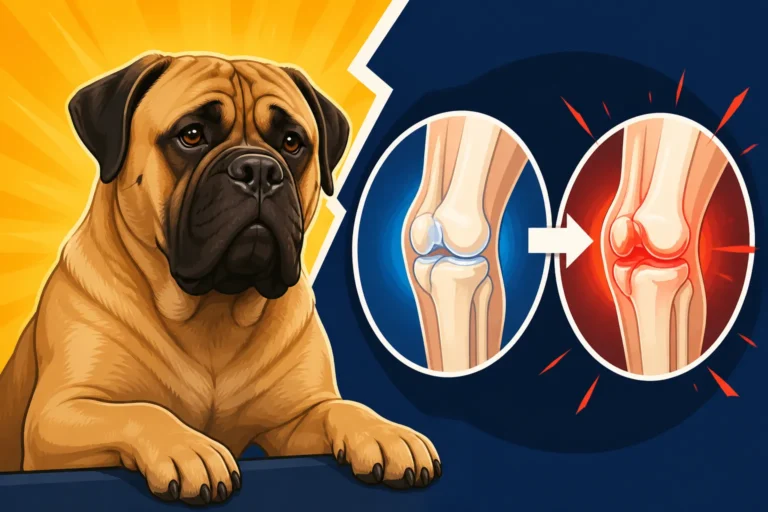
For instance, excessive jumping, repetitive running on hard surfaces, or even rough play with larger or older dogs can put undue strain on these soft areas. An injury to a growth plate, known as a physeal fracture, can lead to uneven growth, limb deformities, or even stunted growth if not properly diagnosed and treated. This is why paying close attention to their development and managing their exercise and nutrition is paramount. It’s also why understanding the cost of vet care, including potential surgeries for injuries, is crucial, and having a pet insurance plan like Healthy Paws can be a real lifesaver if your curious, clumsy Bullmastiff puppy finds a way to hurt themselves.
The Typical Timeline for Growth Plate Closure in Bullmastiffs
One of the most common questions new Bullmastiff owners have is, "When will my puppy finally be 'done' growing?" It's a valid concern, particularly because the closing of growth plates is a marker of when their skeleton is mature enough to handle more strenuous activities without significant risk. While every dog is an individual, there are general guidelines for when you can expect your Bullmastiff's growth plates to fully close.
General Closure Milestones
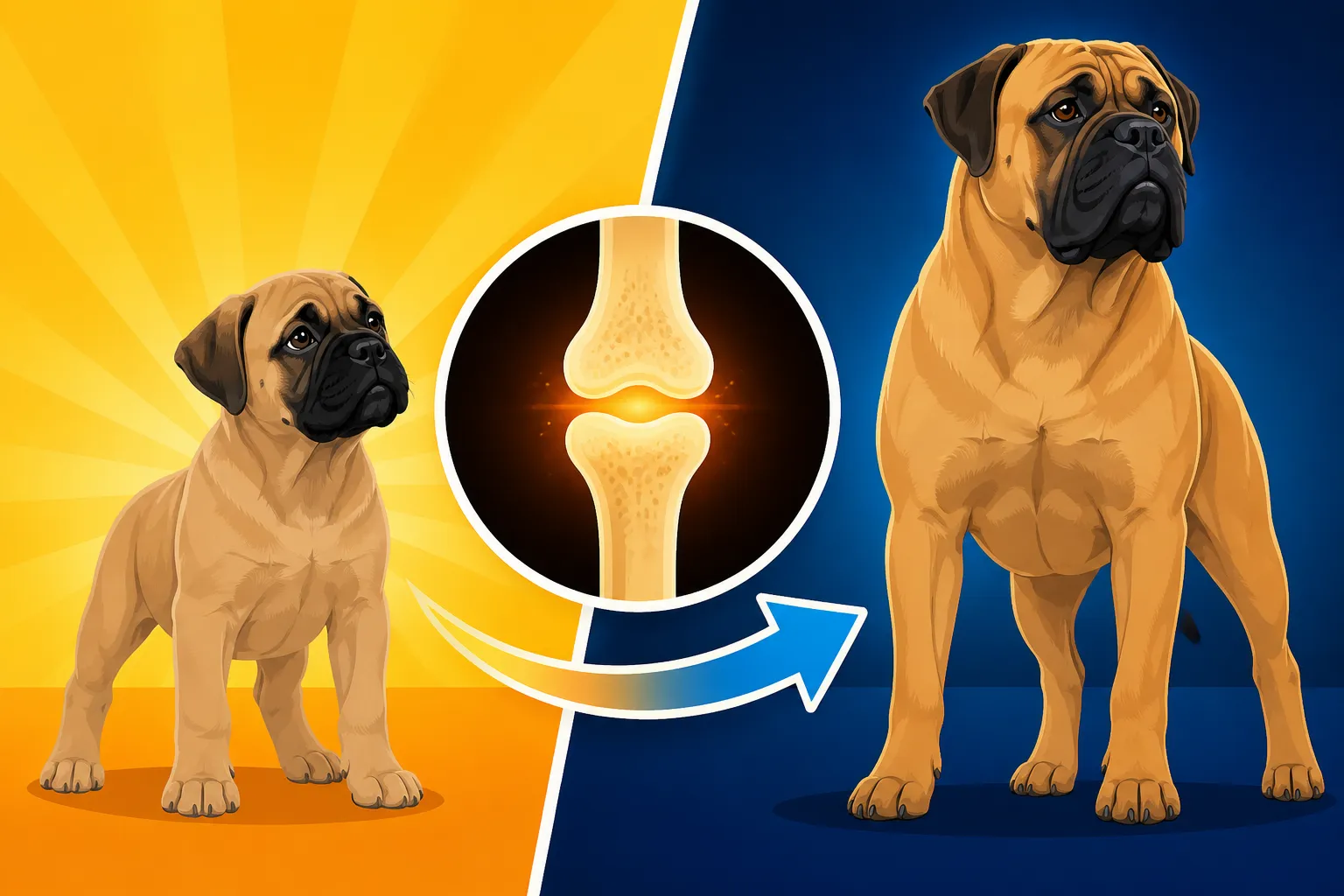
For most large and giant breed dogs, including Bullmastiffs, growth plates typically begin to fuse and close between 12 and 18 months of age, with some plates taking even longer. It's not a single event but a gradual process that happens across different bones at different times. The long bones in the legs, such as the femur, tibia, and radius, are usually among the last to close. While a Bullmastiff puppy might reach most of its height by 12 months, they are still "filling out" and their bones are still hardening well beyond this point.
Here's a general idea of when various growth plates might close in a Bullmastiff:
| Bone/Joint Area | Approximate Closure Time (Months) | Notes |
|---|---|---|
| Distal Ulna (forearm) | 6-10 | Often one of the first, but can vary. |
| Distal Radius (forearm) | 8-12 | Along with ulna, critical for foreleg development. |
| Femur (thigh bone) | 12-18 | Hip and knee areas, important for rear mobility. |
| Tibia (shin bone) | 12-18 | Lower leg, crucial for powerful movement. |
| Humerus (upper arm) | 12-16 | Shoulder and elbow, foundational for front assembly. |
| Pelvis | 12-18 | Broader structure, supports hindquarters. |
| Vertebrae (spine) | Up to 24 | Spinal growth plates can take longer to fully mature. |
It's important to understand that while a plate might be "closed," the bone itself may still be undergoing remodeling and strengthening for several more months. This is why many veterinarians and breeders advise caution with intense physical activity until at least 18-24 months of age for giant breeds like Bullmastiffs. They might look like adults, but their internal skeletal structure is still maturing. For a deeper dive into their physical development, you might find it helpful to read about how a Bullmastiff puppy grows.
Factors Affecting Closure Speed
Several elements can influence exactly when a Bullmastiff's growth plates close. Genetics play a significant role; just like humans, individual dogs can have slight variations in their developmental timelines based on their lineage. Some lines might mature a little faster, others a bit slower.
Nutrition is another monumental factor. Over-nutrition, especially high-calorie diets that promote rapid growth, can actually be detrimental. While it might seem counterintuitive, encouraging a Bullmastiff puppy to grow too fast puts excessive strain on their developing bones and joints, increasing the risk of orthopedic problems like hip and elbow dysplasia, and potentially leading to premature or abnormal growth plate closure. This is why it’s imperative to feed a specially formulated large breed puppy food that supports slow, steady growth. Knowing Which Calcium and Phosphorus Levels a Bullmastiff Needs is crucial for this. Similarly, under-nutrition can hinder proper development, though this is less common with conscientious owners.
Sex can also play a minor role, with females sometimes maturing slightly faster than males, though the difference is usually not drastic in giant breeds. Environmental factors, such as the amount and type of exercise a puppy receives, can also indirectly affect skeletal health, as discussed below. Even minor injuries or stress can theoretically influence local growth plate activity. It's a complex interplay, which is why a holistic approach to your Bullmastiff's care is always best. Understanding When a Bullmastiff Reaches Full Height and when they truly fill out, can help you set realistic expectations for their development.
Practical Steps to Protect Your Bullmastiff's Growing Joints
Owning a Bullmastiff puppy means being a proactive guardian of their health, especially during these critical months of skeletal development. Their massive size makes them prone to certain orthopedic issues if not cared for properly, so taking thoughtful steps to protect their growing joints is absolutely essential. It's not about wrapping them in cotton wool, but about smart, controlled management of their environment and activities.
Smart Exercise for Growing Puppies
This is where many new Bullmastiff owners can inadvertently cause problems. It’s easy to think a big, energetic puppy needs endless hours of vigorous exercise, but for a Bullmastiff, that's simply not true, and potentially quite harmful. Their exercise should be carefully controlled and low-impact until their growth plates are fully closed, typically around 18-24 months.
Instead of long runs, forced jogs, or intense games of fetch, focus on shorter, more frequent walks on soft surfaces like grass or dirt trails. Think of multiple 15-20 minute strolls throughout the day rather than one grueling hour-long hike. Free play in a securely fenced yard is excellent, as it allows the puppy to self-regulate their activity. Avoid repetitive jumping, such as from furniture or out of cars, and discourage excessive stair climbing. If you live in a multi-story home, consider using baby gates or carrying your puppy up and down stairs if feasible when they are very young and manageable.
Dog parks can be tricky. While socialization is important, uncontrolled play with unknown dogs can lead to collisions, falls, and injuries. If you take your Bullmastiff to a dog park, choose off-peak hours, supervise closely, and intervene if play becomes too rough or high-impact. A better option for safe socialization might be structured puppy classes or playdates with known, gentle dogs. Remember, the goal is consistent, moderate activity that builds muscle tone without stressing those vulnerable growth plates. For specific guidance on activity levels, refer to The Exercise Limit for a Bullmastiff Puppy and remember Why a Bullmastiff Puppy Should Not Run on Concrete.
Nutritional Support for Skeletal Development
Feeding your Bullmastiff puppy isn't just about filling their belly; it's about providing the precise fuel for healthy, steady growth. The biggest mistake is often overfeeding or feeding a diet too high in calories and calcium, which can accelerate growth beyond what their developing skeletal structure can handle. This rapid weight gain puts tremendous stress on growth plates and contributes to developmental orthopedic diseases like hip and elbow dysplasia.
Your Bullmastiff puppy needs a high-quality, large breed puppy formula until their growth plates are closed. These foods are specifically designed with lower calorie densities and carefully balanced calcium-to-phosphorus ratios to promote slower, more controlled growth. Avoid supplements unless explicitly recommended by your vet, especially calcium supplements, as excess calcium can be just as damaging as a deficiency. Monitor your puppy's weight regularly. You should be able to easily feel their ribs, but not see them prominently. If they start to look chunky, consult your vet about adjusting their food intake. Staying lean is one of the best things you can do for their long-term joint health; in fact, Keeping a Bullmastiff Lean Is the Best Thing You Can Do throughout their life.
Feeding multiple smaller meals throughout the day (e.g., three times a day) can also help with digestion and prevent bloat, a life-threatening condition giant breeds are prone to. Always provide fresh water and ensure your puppy rests after eating to reduce bloat risk. You can also explore Why a Bullmastiff Puppy Needs Large Breed Food for more detailed nutritional advice.
Recognizing and Responding to Injury
Despite our best efforts, accidents can happen. It's crucial for Bullmastiff owners to be vigilant and recognize the signs of a potential growth plate injury. Because growth plates are less dense than mature bone, they can be difficult to spot on standard X-rays, especially in younger puppies. This means that a seemingly minor limp or subtle change in gait should never be ignored in a growing Bullmastiff.
Symptoms of a growth plate injury might include limping, favoring a limb, reluctance to play or bear weight, swelling around a joint, crying out in pain, or a visible deformity of the limb. Bullmastiffs are stoic dogs and can sometimes hide pain, so observe them closely during and after activity. If you notice any of these signs, contact your veterinarian immediately. Early diagnosis and intervention are critical for the best possible outcome. A vet might recommend X-rays, and in some cases, specialized imaging like a CT scan or MRI might be needed for a clearer picture.
If a growth plate injury is suspected or confirmed, follow your vet's instructions precisely, which may include rest, pain management, and potentially surgery to realign the bone. Prompt and correct treatment can prevent long-term complications such as angular limb deformities, where the bone grows unevenly, or even premature arthritis. Investing in pet insurance early on, like a plan from Healthy Paws, can provide immense peace of mind, knowing that if your growing giant suffers an injury, you won't be solely focused on the financial burden during an already stressful time. Understanding How a Bullmastiff Hides Pain is crucial for detecting subtle issues. Furthermore, regular wellness exams, including orthopedic evaluations, can help catch potential issues early, contributing to their overall healthy development.
Post-Closure: What Happens When Growth Plates Are Fully Fused
Once your Bullmastiff's growth plates have fully closed and ossified, a significant milestone in their development has been reached. This doesn't mean their bones stop changing entirely, but it does mark the end of rapid linear growth and a shift towards bone strengthening and maturation. Understanding this transition is important for adjusting their care and activity levels appropriately.
Transitioning to Adult Activity Levels
With growth plates closed, your Bullmastiff's skeletal system is much more robust and less susceptible to the specific types of injuries that plagued them as puppies. This is typically around 18-24 months of age, though some individuals may mature slightly later. At this point, you can gradually begin to increase the intensity and duration of their exercise.
However, "gradually" is the key word. Even with closed growth plates, a Bullmastiff's large frame and heavy weight still mean their joints endure significant stress. Jumping from high places or engaging in high-impact activities for extended periods can still lead to wear and tear, contributing to conditions like Hip Dysplasia in a Bullmastiff or Elbow Dysplasia in a Bullmastiff over time. Focus on activities that build muscle and stamina without excessive jarring. Brisk walks, moderate hikes on varied terrain, and swimming are excellent options. Short bursts of higher intensity play are fine, but listen to your dog and allow for plenty of rest. A Bullmastiff's personality often shifts towards a more settled demeanor as they mature, so they might not even want to be a hyperactive athlete anyway!
It's also a good time to ensure they maintain a healthy weight. Extra pounds put additional strain on their mature, but still large, joints, increasing the risk of arthritis and other orthopedic problems down the line. Continue with a high-quality adult large breed dog food and monitor their body condition closely.
Continued Joint Health Management
Even after growth plates close, joint health remains a lifelong consideration for Bullmastiffs. Their sheer size means their joints are always working hard, and prevention is always better than cure. Many owners choose to incorporate joint supplements containing ingredients like glucosamine, chondroitin, and MSM into their Bullmastiff’s diet, sometimes even before plates are fully closed, as a preventative measure. While the scientific evidence for their efficacy varies, many anecdotal reports suggest they can help maintain joint comfort and cartilage health. Discuss this with your veterinarian to determine if a specific supplement regimen is right for your dog.
Regular veterinary check-ups are also crucial. Your vet can monitor their gait, check for any signs of discomfort, and discuss age-appropriate care. As your Bullmastiff approaches their senior years, their joints will naturally begin to show signs of aging. Catching and managing these changes early can significantly improve their quality of life. This proactive approach is particularly important for a breed whose median lifespan is eight and a half years. Having pet insurance with a company like Healthy Paws throughout your dog’s life means you’re always prepared for the unexpected, whether it’s a sudden injury or the long-term management of chronic conditions that can arise as they age. This includes regular discussions about their mobility, pain management options, and any necessary diagnostics. Caring for an aging Bullmastiff often involves more focused attention on joint comfort and overall mobility.
Disclaimer
This article is intended for informational purposes only and does not constitute veterinary advice. Always consult with a qualified veterinarian for any health concerns or before making any decisions about your Bullmastiff's medical care or diet.