What Widening a Bullmastiff’s Tumor Margins Costs
Finding a lump on your beloved Bullmastiff is one of those gut-wrenching moments no pet parent ever wants to experience. When that lump turns out to be a tumor, and the initial surgery to remove it reveals that the margins weren't "clean" – meaning microscopic cancer cells might have been left behind – the thought of another surgery, especially one involving "widening the margins," can be incredibly daunting and raise immediate questions about the cost. This guide is here to help you understand precisely what widening a Bullmastiff's tumor margins involves and the financial considerations that come with it, so you can navigate this challenging time with more clarity.
Understanding Tumor Margin Widening in Bullmastiffs
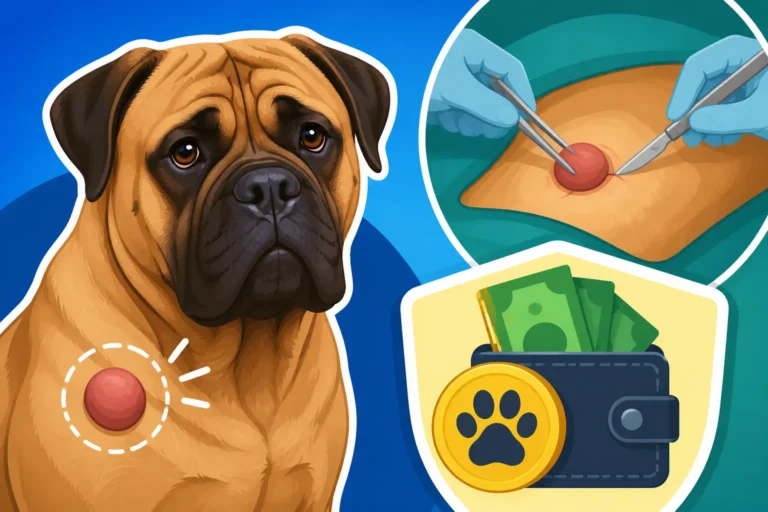
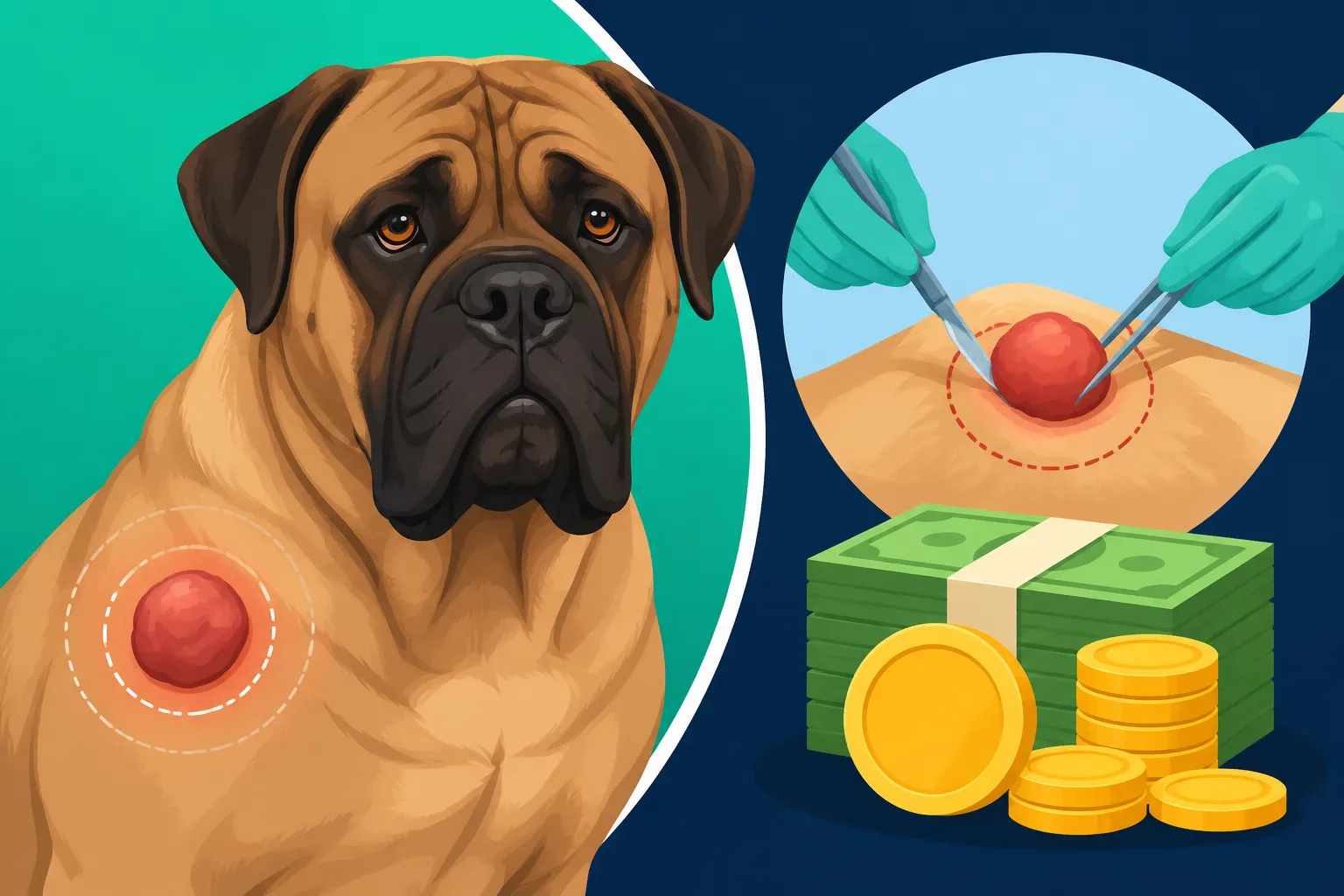
When a veterinarian removes a tumor, their primary goal is always to get every single cancer cell. However, cancer isn't always a neat, contained ball; it can send out microscopic tendrils into the surrounding healthy tissue that aren't visible to the naked eye. This is where the concept of "surgical margins" comes in. The margin is the ring of healthy tissue around the tumor that the surgeon also removes, hoping to catch any stray cells. If a pathology report after the first surgery indicates that cancer cells are present at the edges of this removed tissue, it means those invisible tendrils likely extend beyond what was taken, and another surgery to "widen the margins" is typically recommended.
Why Wider Margins Are Crucial for Bullmastiffs
For a large breed like a Bullmastiff, often prone to certain aggressive cancers, wider margins are not just a good idea; they are absolutely crucial for giving your dog the best chance at a long, healthy life post-diagnosis. Tumors in Bullmastiffs, particularly common ones like mast cell tumors, can be insidious. They might look small on the surface, but their microscopic reach can be surprisingly extensive. If these microscopic cells are left behind, the tumor is almost certainly going to grow back, often more aggressively than before.
Imagine a dandelion in your lawn. You can pluck the head off, but if you don't get the taproot, it will return. Tumor margins are like digging up that dandelion with a wide enough shovel to ensure you get the entire root system. For a Bullmastiff, who might already be predisposed to certain types of cancer, ensuring complete removal the first time, or via a margin-widening second surgery, is paramount. We talk more about this in Mast Cell Tumors and the Lumps on a Bullmastiff. It's a frustrating situation when you thought the problem was solved, only to find out more needs to be done, but it's a necessary step for their well-being.
The Role of Pathology in Determining Margin Needs
The decision to perform a margin-widening surgery isn't made lightly; it's based on science. After any tumor removal, the tissue is sent to a veterinary pathologist. This specialist meticulously examines the tissue under a microscope, identifying the type of tumor, its grade (how aggressive it appears), and critically, whether any cancer cells are present at the very edges of the removed sample. This is essentially What a Needle Aspirate Shows in a Bullmastiff, but with a full tissue sample.
The pathologist's report is your roadmap. If the report comes back with "dirty" or "incomplete" margins, it's a clear signal that more tissue needs to be removed. Sometimes, the pathologist will even specify how wide the new margins should be (e.g., "re-excise with 2 cm margins"). This detailed information is vital for your veterinary team to plan the subsequent surgery effectively, ensuring they remove enough healthy tissue to get ahead of any remaining cancer cells. Without this detailed pathology, surgeons would essentially be operating blind, leaving too much to chance.
When a Second Surgery for Wider Margins Is Necessary
Typically, a second surgery for margin widening becomes necessary when the initial tumor removal, performed either by your regular vet or even a specialist, doesn't achieve "clean" margins. This can happen for several reasons. Perhaps the tumor was larger or more invasive than it appeared, or its location made achieving wide margins difficult without compromising vital structures or requiring complex reconstructive techniques. For instance, a tumor on a Bullmastiff's leg might be harder to get "clean" margins around compared to one on their flank, simply because there's less loose skin to work with.
The alternative to a second surgery is often watchful waiting, but this comes with a significant risk of recurrence, which can lead to a more advanced, harder-to-treat cancer down the line. Deciding whether to proceed with a second surgery is a conversation you'll have with your veterinary oncologist or surgeon. They will weigh the tumor type, grade, location, your Bullmastiff's overall health, and the likelihood of achieving clean margins with the risks and costs involved. It's never an easy decision, but understanding the rationale helps immensely.
Factors Influencing the Cost of Margin Widening Surgery
The cost of widening a Bullmastiff's tumor margins can vary significantly, much like any complex medical procedure. It's not a one-size-fits-all bill because every tumor, every dog, and every situation is unique. Several key factors contribute to the overall expense, and understanding these can help you prepare for the financial commitment.
Tumor Location and Size
The physical characteristics of the tumor itself play a huge role in dictating surgical costs. A small tumor on a Bullmastiff's flank, where there's plenty of loose skin and no critical structures nearby, is generally less complex to remove with wide margins than, say, a larger tumor on a limb, the face, or near a joint. Tumors in these more challenging locations often require intricate surgical techniques, potentially involving skin flaps or grafts to close the defect after extensive tissue removal. This additional complexity, the longer surgery time, and the need for specialized materials or reconstructive skills will naturally drive up the cost.
Consider a mast cell tumor that's initially removed from a Bullmastiff's chest. If the pathology shows incomplete margins, a second surgery might be needed. If that tumor was deep or near the sternum, the re-excision will be more delicate and time-consuming. On the other hand, if it was superficial on the side of the rib cage, the re-excision might be simpler. The larger the initial tumor, the more tissue needs to be removed for proper margins, which again can lead to a bigger defect and more elaborate closing techniques. This is why What a Mast Cell Tumor Removal Costs on a Bullmastiff can have such a wide range.
Surgical Complexity and Specialist Involvement
The expertise of the veterinary professional performing the surgery is another major cost driver. While your primary care veterinarian might be skilled at routine lump removals, a complex margin-widening surgery, especially for an aggressive tumor or one in a difficult location, often warrants the involvement of a board-certified veterinary surgeon. These specialists have advanced training and experience in intricate soft tissue procedures, reconstructive surgery, and oncology. Their specialized skills offer the best chance for a successful outcome, but their fees will understandably be higher than those of a general practitioner.
An oncology referral, which often precedes such specialized surgeries, also adds to the initial consultation costs. During this consultation, the specialist will review all previous pathology, perform a thorough examination, and discuss the best surgical approach, including potential challenges and expected outcomes. They will also provide a detailed estimate. While the thought of a specialist's fees can be daunting, their expertise can genuinely improve the prognosis for your Bullmastiff. You might be interested in knowing What a Bullmastiff's Oncology Referral Costs.
Anesthesia, Monitoring, and Post-Operative Care
Bullmastiffs, with their impressive size and unique brachycephalic (short-nosed) physiology, require careful consideration when it comes to anesthesia. They can be more prone to breathing difficulties and heatstroke during and after sedation, which means more intensive monitoring is often necessary. This specialized care impacts the cost. During surgery, your Bullmastiff will have dedicated staff monitoring their heart rate, blood pressure, oxygen levels, and temperature continuously. This vigilant monitoring helps ensure their safety but also contributes to the overall bill. Read more about this in Whether a Bullmastiff Tolerates Anesthesia.
Beyond the operating room, post-operative care is critical. This includes pain management, which might involve injectable medications in the hospital and oral medications to go home. If the surgery is extensive, your Bullmastiff might need to stay overnight or even for a couple of days for observation, fluid therapy, and wound care. Each day of hospitalization, every bandage change, and every dose of medication contributes to the total expense. Furthermore, specific diets or supplements might be recommended during recovery, which you might find on specialty pet supply sites like Chewy or through brands like Ollie for personalized meal plans.
Breaking Down the Typical Costs Involved
When your Bullmastiff needs a margin-widening surgery, the final bill isn't just one lump sum for "the surgery." It's a comprehensive charge that encompasses a range of services and supplies, from initial consultations to post-operative medications. Understanding these individual components can help you prepare and budget more effectively.
Pre-Operative Diagnostics and Consultations
Before the actual surgery, your veterinary team will likely need to perform several steps to ensure your Bullmastiff is a good candidate and to plan the procedure meticulously. This often starts with an updated consultation, either with your regular vet or a specialist, to review the pathology report and discuss the surgical plan. This consultation fee is your first line item.
Next, pre-operative diagnostics are essential. This typically includes a full panel of bloodwork to assess organ function and ensure your dog can safely undergo anesthesia. Depending on the tumor type and grade, and if it's been some time since the initial removal, additional imaging might be recommended. This could mean chest X-rays to check for metastasis to the lungs, or an ultrasound of the abdomen if the tumor type commonly spreads internally. All these diagnostic tests carry their own costs. For instance, What an Ultrasound Costs on a Bullmastiff can be a significant addition, and the concept of "staging" – determining if cancer has spread – applies here, similar to What Staging a Bullmastiff's Lymphoma Costs. These steps are critical for minimizing surgical risks and maximizing success.
The Surgery Itself and Hospitalization
This is often the largest portion of the bill, covering the actual surgical procedure. It will include the surgeon's fee, which accounts for their time, skill, and expertise. There will also be charges for the use of the operating room, surgical supplies (like sutures, scalpels, drapes, and specialized instruments), and the cost of the anesthesia itself, including the anesthetic drugs and the time spent administering and monitoring them. As discussed earlier, the complexity of the surgery (e.g., if reconstructive techniques like skin flaps are needed) will directly impact this fee.
Bullmastiffs, due to their size and potential anesthesia sensitivities, often require extensive monitoring during surgery. This means dedicated veterinary technicians constantly watching vital signs, adjusting anesthetic levels, and providing support. After surgery, if your Bullmastiff needs to stay overnight or longer for recovery, you'll incur hospitalization fees. These cover nursing care, intravenous fluids, medication administration, and monitoring during their stay. It's important to remember that larger dogs require more resources for everything, from the size of their IV catheters to the amount of pain medication needed, all of which factors into the cost.
Post-Surgical Care and Follow-Up
The care doesn't stop once the surgery is over and your Bullmastiff is home. You'll be sent home with a regimen of medications, which commonly include pain relievers, antibiotics to prevent infection, and anti-inflammatory drugs to manage swelling. The cost of these medications will be added to your bill.
You'll also need to return for several follow-up appointments. These visits are crucial for monitoring the incision site, checking for any complications, changing bandages if necessary, and eventually removing sutures or surgical drains. These follow-up exams also have associated fees. In some cases, if there's any concern about the success of the margin widening, repeat pathology on additional tissue samples might be required. For very complex surgeries that impact mobility, your vet might even recommend physical therapy, which would be an additional ongoing cost. It's a continuous process to ensure your Bullmastiff heals well and is comfortable. Sometimes, even though they are big dogs, they can be stoic and How a Bullmastiff Hides Pain can make it hard to tell if they're struggling, so careful observation and follow-ups are key.
Managing the Financial Impact: Insurance, Savings, and Support
When faced with a significant veterinary bill for something as critical as margin-widening surgery, the financial strain can feel overwhelming. It's a natural instinct to want to do everything possible for your beloved Bullmastiff, but the reality of veterinary costs can hit hard. Thankfully, there are several avenues to explore to help manage these expenses.
The Lifeline of Pet Insurance
Pet insurance can be an absolute game-changer when unexpected health crises arise, and it's a topic we often discuss on our blog because of its profound impact. If you enrolled your Bullmastiff early, ideally as a puppy, before any conditions like tumors were diagnosed, your policy might cover a substantial portion of the margin-widening surgery. Providers like Healthy Paws are well-regarded for comprehensive coverage that can alleviate much of the financial burden. However, it's crucial to understand that pet insurance policies generally do not cover pre-existing conditions. If the tumor was diagnosed before you had insurance or during a waiting period, the surgery might not be covered. This is why we always stress the importance of getting insurance from a young age – Why a Bullmastiff Should Be Insured From Eight Weeks – as it provides a safety net for unpredictable events like this.
Always review your specific policy to understand your deductible, reimbursement rate (e.g., 80% or 90% of eligible costs), and annual limits. While Whether Insurance Covers a Bullmastiff's Chemotherapy might be a specific article, the principles of coverage apply similarly to surgical procedures. A quick call to your insurance provider to clarify what will and won't be covered is always a wise first step.
Alternative Funding Options
Even with pet insurance, or if you don't have it, there are other ways to approach the financial challenge. Having a dedicated emergency fund for your Bullmastiff's health is ideal, but not everyone has that luxury. Many veterinary clinics work with third-party financing companies, such as CareCredit, which offers credit lines specifically for healthcare expenses, often with deferred interest options if paid within a certain timeframe. This can help break down a large bill into manageable monthly payments.
Crowdfunding platforms have also become a popular way for pet owners to seek financial assistance from their communities. Sharing your Bullmastiff's story and the medical need can sometimes generate incredible support. Additionally, some breed-specific rescues and national organizations occasionally offer grants or financial aid for owners facing significant veterinary costs, particularly for conditions common in the breed. It's worth researching these options in your area. No one should feel they have to make difficult choices solely based on finances, and these resources can provide a vital safety net.
Making Informed Decisions with Your Veterinary Team
Perhaps the most important step in managing the financial impact is maintaining open and honest communication with your veterinary team. Don't be afraid to discuss your budget and financial concerns upfront. Ask for a detailed, itemized estimate for the entire margin-widening procedure, including all pre-operative tests, surgery, anesthesia, hospitalization, and post-operative medications. If the initial estimate is overwhelming, ask if there are any aspects that can be adjusted or phased.
Sometimes, your vet might be able to offer slightly different approaches or prioritize certain aspects of care. For instance, while a second pathology might be ideal, if funds are extremely tight, a decision might be made to proceed with the re-excision based on the initial pathology and clinical assessment alone. It's about finding the balance between optimal care and what is financially feasible for your family. Your veterinary team wants the best for your Bullmastiff, and they can often help you explore all available options. This might be part of What Bullmastiff Owners Spend in the Last Six Months, where costs can accumulate rapidly.
Cost Components for Margin Widening Surgery in Bullmastiffs (Illustrative)
Here's a generalized table illustrating the various components that contribute to the overall cost of a margin-widening surgery for a Bullmastiff. Remember, these figures are highly variable by region, clinic, specialist fees, and the complexity of the individual case. Always get a detailed estimate from your veterinarian.
| Cost Component | Description | Variability Factors |
|---|---|---|
| Initial Consult & Re-evaluation | Discussion of pathology, examination, surgical planning. | General vet vs. specialist, thoroughness of exam, time spent. |
| Pre-Operative Diagnostics | Bloodwork, X-rays (chest), ultrasound (abdomen), EKG, advanced imaging if needed. | Number and type of tests, in-house vs. referral, urgency. |
| Anesthesia & Monitoring | Anesthetic drugs, gas, dedicated tech for monitoring (heart rate, BP, O2, temp), IV fluids. | Bullmastiff's size, age, health status, brachycephalic considerations, duration of surgery. |
| Surgeon's Fee | Cost for the surgeon's time, skill, and expertise in performing the re-excision and closure. | General vet vs. board-certified specialist, complexity of tumor location, reconstructive needs, duration. |
| Operating Room & Materials | Use of sterile surgical suite, surgical instruments, sutures, bandages, drapes, supplies. | Clinic overhead, amount of materials used. |
| Pathology Review | Sending the re-excised tissue to a lab for microscopic analysis of new margins. | Lab fees, specific tests requested, urgency. |
| Hospitalization (if needed) | Overnight stay for observation, pain management, fluid therapy. | Number of nights, intensity of care, size of dog. |
| Post-Operative Medications | Pain relief, antibiotics, anti-inflammatories to go home. | Type and quantity of medication, Bullmastiff's weight. |
| Follow-Up Visits | Incision checks, bandage changes, drain removal, suture removal. | Number of visits required. |
This article is for general informational purposes only and does not constitute professional advice. Laws, prices and regulations vary by location and change over time. Consult a qualified professional for guidance on your specific situation.