Whether a Bullmastiff Breeder Hip Scores
Many aspiring Bullmastiff owners, understandably eager to bring home a big, cuddly companion, can get so caught up in the excitement of puppy breath and giant paws that they overlook some truly critical questions for their breeder. One of the most important, and often daunting, topics is health testing, especially regarding hips. Finding out if a Bullmastiff breeder hip scores isn't just a casual inquiry; it's a foundational step in trying to safeguard your future dog's health, potentially saving you from immense heartache and unexpected financial burdens down the road. This comprehensive guide will explain why hip scoring is paramount, what the process entails, and how you can confidently evaluate a responsible breeder's practices.
The Silent Threat: Why Hip Scoring is Non-Negotiable for Bullmastiffs
When you welcome a Bullmastiff into your family, you're signing up for a magnificent, powerful dog that can easily tip the scales at well over 100 pounds. While their size is part of their appeal, it also comes with inherent responsibilities, especially concerning their skeletal health. The sheer mass they carry puts tremendous stress on their joints, making conditions like hip dysplasia a particularly devastating concern.
The Reality of Canine Hip Dysplasia in Large Breeds
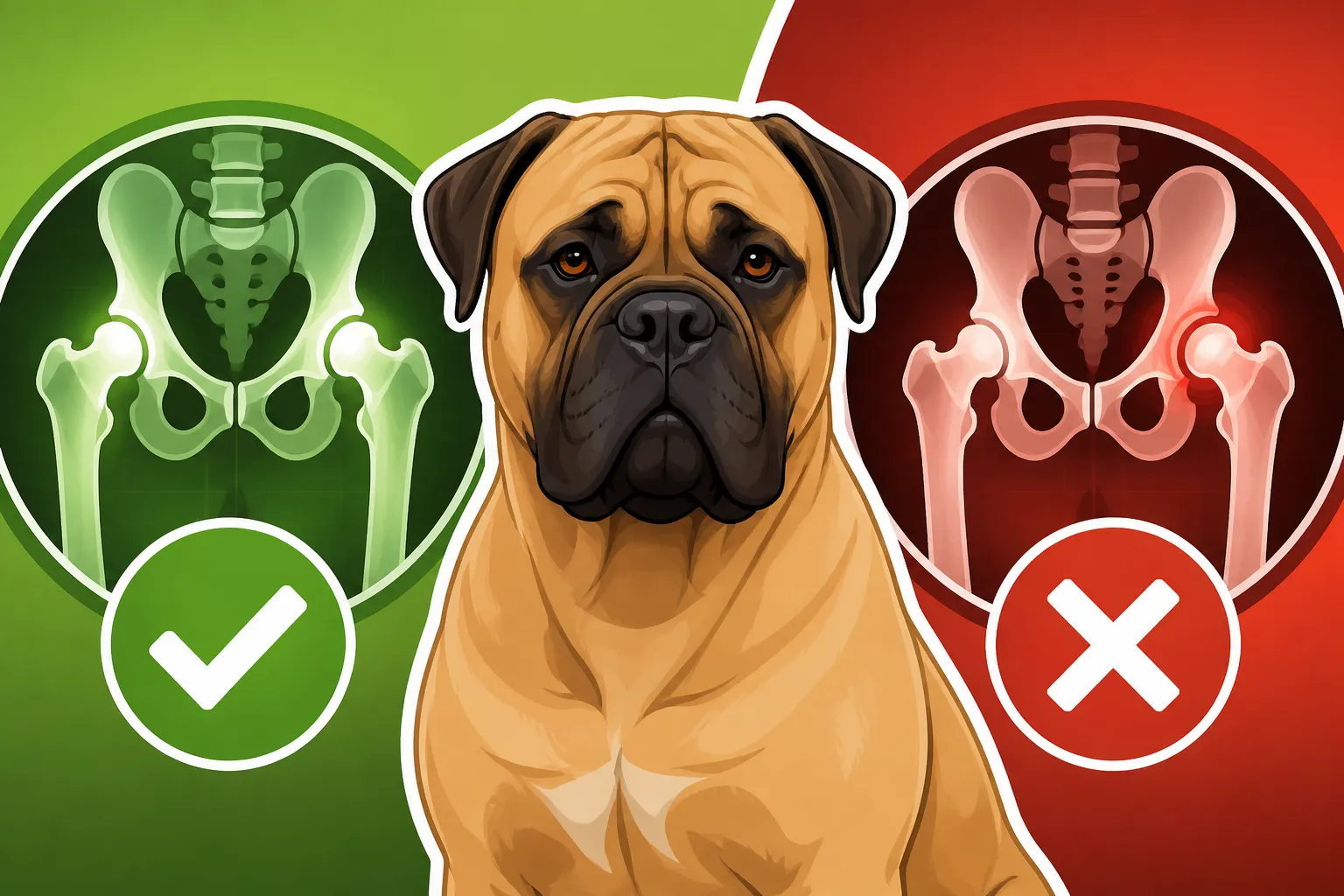
Canine Hip Dysplasia (CHD) is a complex condition where the hip joint doesn't form correctly. Instead of fitting snugly into the hip socket, the ball and socket are loose or malformed, leading to grinding, pain, and eventually debilitating arthritis. For a dog as large and heavy as a Bullmastiff, every movement, every jump, every trip up the stairs can exacerbate this condition. Imagine the constant wear and tear on improperly formed joints under a frame that can reach A Hundred and Thirty Pounds of Bullmastiff, Measured. It's not a matter of if, but when, these joints will start to show significant degenerative changes.
The genetics of hip dysplasia are polygenic, meaning multiple genes are involved, and environmental factors like diet, exercise, and rapid growth in puppies also play a role. However, starting with parents who have excellent hip scores is your best defense against this often-inherited condition. It’s a sad reality that without proper screening, many large breed puppies are predisposed to hip issues, and the symptoms might not even become apparent until they are adults, often when they are already deeply entrenched in your family's heart.
Preventing Future Heartache and Expense
The financial and emotional toll of living with a Bullmastiff suffering from severe hip dysplasia can be immense. Owners often face years of managing chronic pain through medication, physical therapy, and sometimes, expensive surgeries like Total Hip Replacement (THR) or Femoral Head Ostectomy (FHO). While pet insurance providers like Healthy Paws can certainly help mitigate some of these costs, particularly if you enroll your puppy early before any pre-existing conditions are noted, the emotional strain of watching your beloved companion struggle is immeasurable.
Responsible breeding, which unequivocally includes hip scoring, aims to minimize the likelihood of passing on these predispositions. It's an investment in your puppy's future quality of life and your peace of mind. Without this proactive screening, you run the risk of owning a dog that might not be able to enjoy simple joys like a leisurely walk in the park or a playful romp in the yard as they age, requiring constant medical intervention. Proper care for an aging Bullmastiff often includes managing joint pain, and starting with a solid foundation makes a huge difference.
Demystifying Hip Scores: What Breeders Should Be Doing
When it comes to hip scoring, there isn't just one method. The two most widely recognized and respected systems in North America are those run by the Orthopedic Foundation for Animals (OFA) and the University of Pennsylvania Hip Improvement Program (PennHIP). Both provide valuable information, but they approach the evaluation from slightly different angles.
Understanding the Orthopedic Foundation for Animals OFA Database
The OFA system has been the gold standard for many years. It involves taking specific X-ray views of a dog's hips, usually under sedation to ensure proper positioning and comfort. These X-rays are then submitted to the OFA, where they are independently reviewed by three veterinary radiologists. The radiologists evaluate the hips for various criteria, including evidence of hip dysplasia or degenerative joint disease.
Based on their consensus, the hips are assigned one of seven ratings: Excellent, Good, Fair (these three are considered passing and acceptable for breeding), Borderline, Mild, Moderate, or Severe (these four indicate hip dysplasia and are not suitable for breeding). A crucial point for Bullmastiffs is that OFA final certification can only be issued when the dog is 24 months (two years) of age or older. Preliminary evaluations can be done on younger dogs, but these are not considered final. A breeder who proudly shows you an OFA certificate for "Good" or "Excellent" hips on both parents, complete with a public OFA number, is demonstrating a commitment to health. You can even look up specific dogs on the OFA website to verify results yourself. It's a key part of Which Health Tests a Bullmastiff Breeder Should Run.
Exploring PennHIP Evaluations for Hip Laxity
PennHIP offers a different, and in some ways, more predictive approach. Unlike OFA, which focuses on evaluating existing joint conformation and degenerative changes, PennHIP primarily measures hip laxity, or looseness, which is a significant indicator of a dog's predisposition to developing hip dysplasia. This evaluation involves three distinct X-ray views: the standard hip-extended view, a compression view, and a distraction view. The distraction view is unique to PennHIP and precisely measures how much the hip joint can be pulled apart, or distracted.
The results are expressed as a Distraction Index (DI), a numerical score between 0 and 1. A DI closer to 0 indicates very tight hips, while a DI closer to 1 signifies very loose hips and a higher risk of developing hip dysplasia. One of the major advantages of PennHIP is that it can be performed on puppies as young as 16 weeks of age, offering breeders an earlier insight into a dog's hip health. This allows for earlier, informed breeding decisions. A responsible breeder might even have both OFA and PennHIP evaluations for their breeding dogs, offering a comprehensive picture of hip health.
The Importance of Publicly Available Results
Transparency is the hallmark of a reputable breeder. Any breeder who is genuinely committed to the health of their lines will not only conduct these expensive and time-consuming health clearances but will also be eager to share the results with prospective buyers. They should readily provide OFA certification numbers or PennHIP reports for both the sire and dam of the litter you're interested in.
Why does this matter so much? Because a breeder who simply tells you, "Oh, their hips are fine, my vet checked them," isn't doing the full due diligence. A routine vet check doesn't provide the same in-depth, standardized, and peer-reviewed evaluation as OFA or PennHIP. Publicly verifiable results allow you, the potential owner, to confirm the health claims. These results are often listed on official pedigree databases or directly searchable on the OFA website. This level of transparency is non-negotiable when you're considering a breed with known predispositions to skeletal issues, such as Hip Dysplasia in a Bullmastiff.
Beyond the Score: Questions to Ask Your Bullmastiff Breeder
Armed with knowledge about hip scoring systems, you're now better equipped to engage with breeders in a meaningful way. Your questions should go beyond a simple "Are their hips clear?" and delve into the breeder's overall philosophy and practices.
Probing Pedigree and Proactive Screening
When speaking with a breeder, don't hesitate to ask for the specific OFA or PennHIP numbers for both parents of the litter. A good breeder will have these readily available, often included in their puppy packets or displayed on their website. Go a step further and inquire about the hip health of the grandparents and any siblings from previous litters. A responsible breeder tracks these things meticulously. They should be able to discuss not only the parents' scores but also the general trend of hip health within their lines.
You might ask, "What is your philosophy on improving hip health in your breeding program?" Look for answers that demonstrate a long-term commitment, not just individual dog clearances. They might talk about only breeding dogs with OFA "Good" or "Excellent" ratings, or perhaps using PennHIP to select for tighter hips. They should be transparent about any instances of hip dysplasia in their extended pedigrees and what steps they took to address it. A breeder who can articulate this depth of understanding and commitment is worth their weight in gold. Remember, What a Bullmastiff Breeder Should Have Screened goes beyond just hips.
Red Flags and Responsible Breeding Practices
Unfortunately, not all breeders operate with the highest ethical standards. Be on the lookout for red flags. If a breeder makes excuses about why they haven't hip scored their dogs ("It's too expensive," "My vet said it wasn't necessary," "I don't believe in those tests"), walk away. If they claim their dogs are "vet checked" instead of providing official clearances, that's another sign to be wary. Similarly, if they refuse to show you the documentation or provide registration numbers that allow you to verify the results, it's a major red flag.
A responsible Bullmastiff breeder understands the gravity of conditions like hip dysplasia and the importance of screening. They will be enthusiastic about sharing their health testing results and educating you on why these tests are so important for the breed. Their priority is the long-term health and well-being of their puppies, not just making a sale. This proactive approach significantly reduces the chances of you facing unforeseen medical challenges down the road, making the higher initial cost of a well-bred puppy a sound investment compared to the potential veterinary bills later on.
A Holistic View: Other Essential Health Clearances for Bullmastiffs
While hip scoring is incredibly important, it's crucial to remember that it's just one piece of the puzzle when it comes to responsible Bullmastiff breeding. A truly dedicated breeder will perform a range of health clearances to give their puppies the best start in life.
Elbows, Hearts, and Eyes: A Full Health Picture
Just as critical as hip scoring is screening for elbow dysplasia, another debilitating joint condition common in large breeds. The OFA also provides an elbow certification, and like hips, parents should ideally have clear elbow scores. Given the Bullmastiff's massive frame and the impact of weight, Hips and Elbows Under a Hundred and Thirty Pound Bullmastiff are areas of significant concern that deserve equal attention. These tests are typically performed when a Bullmastiff is When a Bullmastiff Should Be X Rayed at two years of age for final certification.
Cardiac health is another vital area. Bullmastiffs can be prone to certain heart conditions, notably subaortic stenosis (SAS). A breeder should have their breeding dogs examined by a board-certified veterinary cardiologist, often through an echocardiogram, to screen for SAS. This condition can be present from a young age, so early screening is critical. Subaortic Stenosis Is There Before a Bullmastiff's First Birthday is a serious issue that needs proactive screening. Checking a breeder's cardiac screening practices is a must; Finding a Bullmastiff Breeder Who Screens Hearts is just as important as hip screening.
Eye examinations, performed by a veterinary ophthalmologist, are also essential to check for inherited eye diseases that can affect the breed. These certifications are often done annually, as some conditions can develop later in life.
Thyroid and Temperament: Broader Health Considerations
Beyond structural and cardiac health, responsible breeders will also screen for other conditions. Thyroid issues, such as hypothyroidism, are prevalent in many purebred dogs, including Bullmastiffs. Regular blood tests can identify Hypothyroidism in a Bullmastiff, and affected dogs should not be bred. Symptoms of a low thyroid can be subtle, so proper testing is crucial. Maintaining a healthy weight through appropriate nutrition, perhaps even considering reputable brands like Ollie or quality foods from Chewy, can also help manage metabolic health and reduce stress on joints. Keeping a Bullmastiff Lean Is the Best Thing You Can Do for their longevity.
Lastly, while not a "score" in the same way, a breeder's attention to temperament is a health consideration in itself. A sound, stable temperament is crucial for a dog of the Bullmastiff's size and protective instincts. They should be able to articulate how they assess temperament in their breeding stock and how they socialize their puppies. While we can't eliminate all health risks – Bullmastiffs, sadly, have a shorter The Median Bullmastiff Lives Eight and a Half Years and are prone to cancers like Lymphoma Kills More Bullmastiffs Than Anything Else – choosing a breeder who performs comprehensive health clearances for structural, cardiac, and thyroid health is the single best way to maximize your chances of a healthy, long-lived companion. When considering What a Bullmastiff Puppy Costs From a Breeder, these health clearances add significant value that pays off in the long run.
Ultimately, choosing a Bullmastiff from a breeder who hip scores, along with other critical health tests, is not just about avoiding future vet bills; it's about making an ethical choice that supports the health and longevity of the breed. It shows you value responsible practices and are committed to giving your giant companion the best possible chance at a full, comfortable life.
| Health Clearance Area | Common Testing Method (Example) | Age for Final Certification | Why it Matters for Bullmastiffs |
|---|---|---|---|
| Hips | OFA Radiographs / PennHIP Radiographs | 24 months (OFA final) / 16 weeks (PennHIP) | Prevents debilitating hip dysplasia and arthritis in large, heavy dogs |
| Elbows | OFA Radiographs | 24 months | Avoids elbow dysplasia, which causes lameness and pain |
| Heart | Cardiac Auscultation & Echocardiogram by Cardiologist | 12 months (annually recommended) | Screens for Subaortic Stenosis (SAS) and other heart conditions |
| Thyroid | Blood Test (Thyroid Panel) | 12 months (annually recommended) | Detects hypothyroidism, impacting metabolism, skin, and energy levels |
| Eyes | CERF/OFA Eye Exam by Ophthalmologist | Annually | Identifies inherited eye conditions that could cause blindness or pain |
Disclaimer
This article is for general informational purposes only and does not constitute professional advice. Laws, prices and regulations vary by location and change over time. Consult a qualified professional for guidance on your specific situation.