How Many Bullmastiff Litters Are Bred a Year
Trying to figure out how many Bullmastiff litters are bred each year can feel a bit like trying to count stars in the night sky – you see some, but you know there are so many more out there you can't quite account for. It’s a common frustration for prospective owners and breed enthusiasts alike, especially when you're trying to gauge availability or understand breed health trends. This guide will walk you through why these numbers are so tricky to find and what you can realistically expect when looking for a Bullmastiff puppy.
The Elusive Numbers: Why Official Data is Hard to Pin Down
It’s easy to assume that with breed clubs and kennel registries, we'd have a neat little tally of every single Bullmastiff puppy born, or at least every litter. But the reality is far more complex. The official figures you might stumble upon often don't tell the whole story, leading to a lot of head-scratching when you're trying to get a clear picture.
Kennel Club Registration vs. Actual Litters
When you see numbers from major kennel clubs like the American Kennel Club (AKC) or the Kennel Club in the UK, they typically report the number of individual puppies registered, or sometimes the number of registered litters. The key word here is "registered." Not every single Bullmastiff litter born in a year gets registered with these organizations. There are many reasons for this, and it significantly skews the public perception of breeding activity.
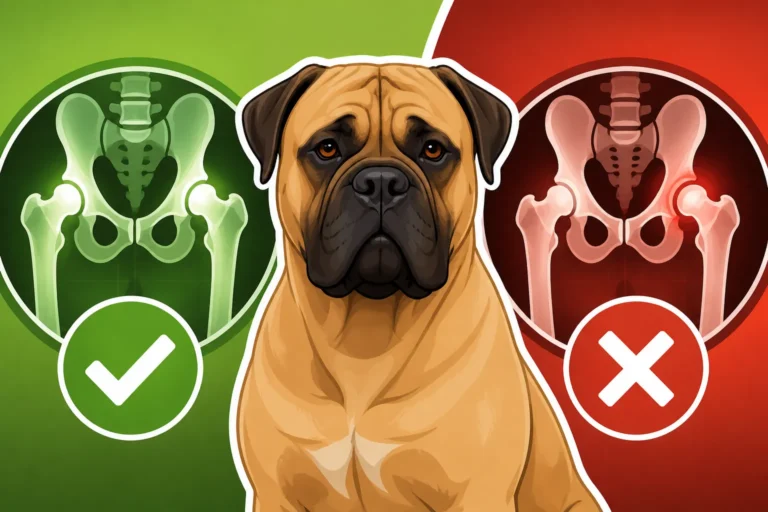
For starters, some breeders, even reputable ones, might choose not to register certain litters, perhaps if they are keeping all the puppies themselves or selling them as companions without breeding rights. More commonly, though, backyard breeders or those less concerned with official breed standards might not bother with registration at all. Their litters simply exist outside the official counting mechanisms. This creates a significant gap between the number of puppies you see listed on official sites and the actual population being born. It’s a situation that makes tracking true numbers a challenge, but it also highlights the importance of asking a breeder about their registration practices and why they choose to register or not. Remember, registration often goes hand-in-hand with adhering to certain standards, including health testing, which is vital for the breed. If a breeder isn't registering, it's worth digging deeper into their motivations and practices. You should definitely investigate Which Health Tests a Bullmastiff Breeder Should Run before committing to any puppy.
The Nature of Breed-Specific Data Collection
The way breed data is collected isn't always comprehensive, and it's certainly not like a national census. Kennel clubs are primarily interested in maintaining pedigrees and promoting the breed standard through their recognized activities, such as dog shows and official health programs. They rely on voluntary reporting and the submission of paperwork from breeders who choose to participate. This means that if a breeder isn't an active participant in the formal show world or isn't committed to the specific health and breeding standards promoted by the kennel club, their litters often go unrecorded in the public data.
Think of it this way: the numbers you see are a reflection of the participating fancy, not the entire universe of Bullmastiff breeding. This makes getting a precise, global count of Bullmastiff litters virtually impossible. Different countries have different kennel clubs, each with its own registration processes and levels of breeder participation. What might be tracked in one country isn't necessarily tracked in another, and even within a single country, there can be smaller, independent registries or simply breeders operating completely outside of any formal system. This fragmented data collection means that while we can get a good sense of trends and the health of the registered breed population, we can't definitively say, "X number of Bullmastiff litters are bred a year." It's an ongoing challenge for breed enthusiasts and researchers alike to get a truly accurate picture.
Estimating Bullmastiff Litter Frequency: What We Can Infer
While exact numbers might be out of reach, we're not completely in the dark. We can draw some pretty solid inferences by looking at broader trends and the factors that naturally influence breeding activity within a breed like the Bullmastiff. It helps to understand the context of the breed's popularity and the commitment involved in responsible breeding.
Looking at Registration Trends
Even though official registration numbers don't capture every litter, they are still our best proxy for understanding breeding activity. When national kennel clubs publish annual registration statistics, they usually list the total number of individual dogs registered for each breed. While this isn't a direct "litter count," it gives us a strong indication of how many puppies are entering the official pipeline and, by extension, how much breeding activity is happening.
For example, if a breed registers 1,000 puppies in a year, and the average litter size for that breed is, say, 8 puppies, you can estimate that roughly 125 litters were registered that year. It's an imperfect calculation, but it paints a picture. What we often see with Bullmastiffs is that they aren't one of the most frequently registered breeds. They've been The Bullmastiff Has Been Sliding Down the Rankings for Thirty Years, indicating a steady decline in registered numbers since their peak popularity. This trend naturally suggests fewer registered litters compared to more popular breeds. This decline isn't necessarily a bad thing; sometimes, it means that the breed is less appealing to mass breeders and remains in the hands of dedicated enthusiasts who prioritize quality over quantity. Still, it does mean that finding a puppy might require more patience and a broader search. It also speaks to How Many Bullmastiff Breeders Are Left in the active, registered community.
Factors Influencing Breeding Activity
Several significant factors influence how many Bullmastiff litters are bred annually, both within and outside formal registration systems. Understanding these can help you appreciate why finding a Bullmastiff might take more effort than finding, say, a Labrador Retriever.
- Breed Popularity: As mentioned, Bullmastiffs are not a top-tier popular breed. Niche breeds, by their very nature, will have fewer litters bred each year. The demand is lower, and the pool of dedicated breeders is smaller. This means less impulse breeding and, ideally, more thoughtful breeding choices.
- Health Concerns: This is a major one for Bullmastiffs. The breed is unfortunately prone to several serious health issues, including various cancers like Lymphoma Kills More Bullmastiffs Than Anything Else and Mast Cell Tumors and the Lumps on a Bullmastiff, as well as orthopedic problems and cardiac conditions like Subaortic Stenosis Is There Before a Bullmastiff's First Birthday. Responsible breeders invest heavily in health testing their breeding stock to try and minimize the risk of passing on these genetic predispositions. This extensive testing is costly and time-consuming, meaning responsible breeders will breed less frequently and be more selective about which dogs they breed. It’s not just about getting a clear bill of health, but about understanding the lines and striving for improvement, which limits the number of breedings.
- Ethical Breeding Practices: Truly dedicated Bullmastiff breeders adhere to high ethical standards. This means:
- Limited Breeding Frequency: Female Bullmastiffs are typically not bred every heat cycle. They need time to recover physically and mentally between litters. Many breeders will only breed a female a few times in her lifetime, if at all, to ensure her well-being.
- Thorough Health Clearances: Beyond the basic tests, good breeders are looking at temperament, conformation, and lineage. They're trying to produce puppies that are not only healthy but also true to the breed standard and possess the stable, confident temperament that makes Bullmastiffs such wonderful companions. This level of scrutiny inherently limits the number of suitable breeding dogs and the frequency of litters.
- Finding Appropriate Homes: Responsible breeders also take the time to vet prospective puppy buyers thoroughly. They want to ensure each puppy goes to a suitable, loving, and permanent home. This process isn't quick, and they won't simply sell puppies to the first person with cash.
- Economic Factors: Breeding Bullmastiffs is expensive. The costs associated with health testing (often involving multiple specialists and extensive screenings), quality food for the pregnant dam and puppies, veterinary care for the litter, potential C-sections, and the sheer amount of time and effort involved are substantial. These costs, coupled with the ethical considerations, mean that breeding is rarely a profit-driven venture for responsible individuals. It’s a labor of love, and the economics naturally limit how many litters a dedicated breeder can realistically manage in a year. When you consider What a Bullmastiff Costs to Buy in 2026, a significant portion of that price reflects the immense investment and care of a responsible breeder.
Given these factors, it's safe to infer that the number of truly well-bred Bullmastiff litters each year is relatively small compared to many other breeds. This scarcity is a testament to the dedication required for responsible breeding and shouldn't be seen as a negative, but rather as an indicator of the effort put into each and every puppy.
The Reality of Finding a Bullmastiff Puppy
So, if precise numbers on Bullmastiff litters are hard to come by, what does that mean for you, a hopeful Bullmastiff owner? It means shifting your focus from "how many" to "how to find the right one." The journey to finding a Bullmastiff puppy often requires patience, thorough research, and a commitment to working with ethical sources.
The Search for a Reputable Breeder
When the number of litters is naturally lower, the quality of the litter you find becomes paramount. Your goal shouldn't be to find any Bullmastiff puppy, but to find a puppy from a breeder who meticulously plans their litters with health, temperament, and adherence to the breed standard in mind. This is where your detective work really comes in.
- Start with Breed Clubs: National and regional Bullmastiff clubs are often the best starting point. They usually have breeder directories, codes of ethics, and can sometimes provide referrals. These clubs are a hub for breeders who are invested in the health and future of the breed.
- Ask Incisive Questions: Don't be afraid to ask a breeder everything under the sun. Inquire about their health testing protocols (ask for proof of clearances for hips, elbows, heart, and eyes), the temperament of the parent dogs, their experience with the breed, and what kind of support they offer after you take a puppy home. A reputable breeder will welcome these questions and be transparent.
- Visit the Breeder (if possible): Seeing the puppies and parent dogs in their home environment is incredibly valuable. It gives you a sense of their living conditions, the dam's temperament, and the breeder's dedication. If a visit isn't feasible, ask for video calls and extensive photos.
- Be Prepared for a Wait: Because responsible breeders don't breed constantly and thoroughly vet potential owners, you should anticipate being on a waiting list. This wait can sometimes be considerable, highlighting How Long the Waitlist for a Bullmastiff Runs. This isn't a bad thing; it means the breeder cares about where their puppies go.
- Understand Contracts and Guarantees: A good breeder will have a comprehensive contract that outlines health guarantees, spay/neuter clauses (often requiring later alteration to protect growth plates), and a commitment to take the dog back if circumstances change. What a Bullmastiff Breeder Contract Requires will cover many of these important details.
Remember, a cheap puppy or one that is immediately available without questions often signals a less-than-reputable source. The initial investment in a well-bred Bullmastiff puppy pays dividends in terms of health and temperament down the road.
Exploring Rescue and Adoption Options
While many people dream of a Bullmastiff puppy, don't overlook the wonderful adult Bullmastiffs who find themselves in need of loving homes. Breed-specific rescues are dedicated to rehoming purebred Bullmastiffs who might have been surrendered due to owner circumstances, divorce, job loss, or simply because their previous owners didn't understand the commitment involved.
- Bullmastiff Rescues: There are national and regional Bullmastiff rescue organizations that work tirelessly to find new families for these magnificent dogs. These organizations often thoroughly vet their dogs, providing necessary medical care, temperament assessments, and even basic training before placement. Adopting a Bullmastiff From Rescue can be a incredibly rewarding experience, offering a second chance to a dog who truly deserves it.
- Benefits of Adoption: Adopting an adult dog means you often bypass the most intense puppy phases (think potty training and chewing!). Many rescue Bullmastiffs are already house-trained, have some basic obedience, and their personality is fully developed, so you know exactly what kind of companion you're getting. Rescues are also a great resource for understanding Why Bullmastiffs Come Into Rescue, which often has more to do with human situations than the dog's behavior.
- Consider a Senior Bullmastiff: Don't shy away from older Bullmastiffs. Senior dogs often make incredibly calm, devoted companions and are frequently overlooked. They still have so much love to give and simply need a soft bed and a gentle hand for their golden years.
- Financial Considerations for Rescues: While adoption fees are generally much lower than buying a puppy from a breeder, rescued dogs sometimes come with pre-existing health issues, which might mean future vet bills. However, many rescues will have already addressed immediate medical needs. When you adopt, companies like Healthy Paws pet insurance might offer policies that can help manage unexpected veterinary costs, regardless of the dog's age or background. For their daily needs, services like Chewy can deliver quality food and supplies right to your door, and fresh food options from companies like Ollie can provide tailored nutrition for dogs of all ages and health needs, which is especially important for rescues who might need some extra TLC to get back on their feet.
Whether you choose to seek out a reputable breeder or open your heart to a rescue, the most important thing is a commitment to providing a loving, responsible home for a Bullmastiff. While the exact number of litters may remain a mystery, the joy and companionship a Bullmastiff brings are undeniably clear.
| Source Type | What They Track | How It Helps Estimate Litters | Caveats |
|---|---|---|---|
| Kennel Clubs | Individual dog registrations, sometimes registered litters | Indicates overall breed popularity and formal breeding activity | Only includes registered dogs; excludes backyard breeders |
| Breed Rescues | Number of dogs rehomed, reasons for surrender | Shows demand for existing dogs and common issues | Doesn't track births; only dogs needing new homes |
| Breeder Websites | Announced litters, waitlist duration | Gives a snapshot of available puppies from reputable sources | Limited to individual breeders; not a comprehensive count |
| Online Marketplaces | Dogs for sale, including mixes | Shows general availability, but often from less reputable sources | Unreliable for purebred data; high risk of puppy mill/scam breeders |
Disclaimer
This article is for general informational purposes only and does not constitute professional advice. Laws, prices and regulations vary by location and change over time. Consult a qualified professional for guidance on your specific situation.